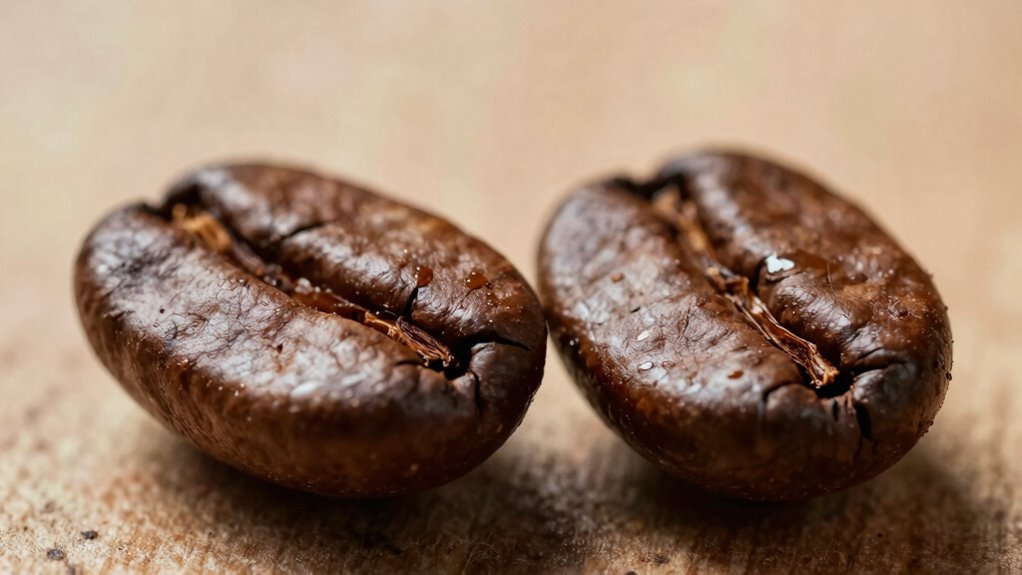

In coffee roasting, first crack occurs around 196°C to 205°C and marks the beginning of flavor transformation, offering bright acidity and sweetness. Second crack, happening at higher temperatures, deepens complexity with rich, bittersweet notes. Understanding these cracks can guide your roast choice—lighter for brightness or darker for richness. Each crack greatly impacts aroma and taste. If you want to master your roasting technique and avoid common mistakes, there’s much more to explore about these essential moments.
Key Takeaways
- First crack occurs between 196°C and 205°C, marking the beginning of flavor development and aroma release in roasting.
- Signs of first crack include a color change to yellow, surface sheen, and sweet nutty aromas.
- Second crack introduces deeper complexity and richness, with bittersweet notes and reduced acidity for a smoother finish.
- Over-roasting beyond second crack can lead to burnt flavors that mask the beans’ natural profiles.
- Understanding the timing between cracks helps achieve desired roast levels and flavor characteristics in coffee.
As an affiliate, we earn on qualifying purchases.
Understanding Coffee Roasting: The Basics
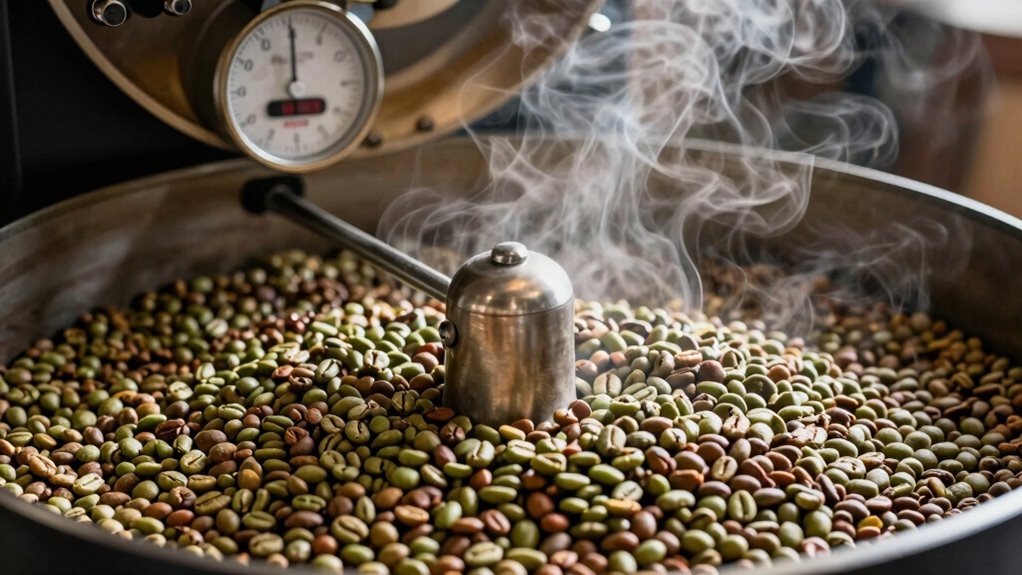
When you immerse yourself in coffee roasting, you’re stepping into a world where heat transforms green beans into aromatic delights. Understanding coffee origins is essential; different regions produce beans with unique flavors and characteristics. As you explore various roasting profiles, you’ll notice how the temperature and duration affect the final taste. Lighter roasts often highlight the bean’s intrinsic qualities, while darker roasts can introduce bold, smoky undertones. Each roasting profile reveals a different layer of complexity, and it’s your palate that guides the journey. Experimenting with various beans and techniques allows you to discover your preferences. So, fire up your roaster and start experimenting—there’s a whole world of flavors waiting to be uncovered!
coffee roasting machine with temperature control
As an affiliate, we earn on qualifying purchases.
As an affiliate, we earn on qualifying purchases.
What Is First Crack in Coffee Roasting and Why Does It Matter?
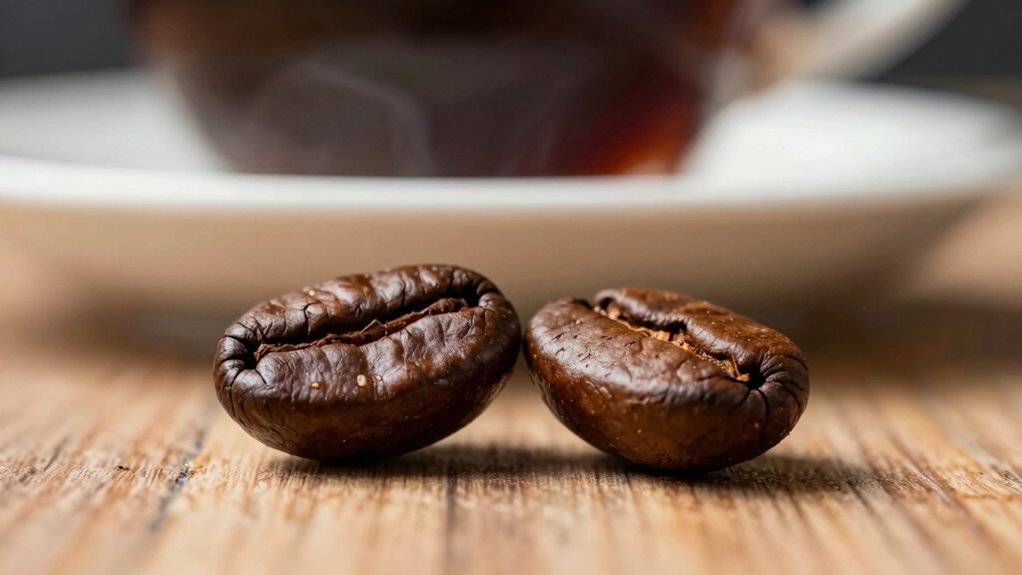
First crack is a pivotal moment in coffee roasting that signals the transformation of green beans into something aromatic and flavorful. This stage occurs when the beans reach a specific roasting temperature, typically between 196°C and 205°C (385°F to 401°F). As pressure builds inside the beans, they release moisture and burst, creating a distinct cracking sound.
Here’s why first crack matters:
| Aspect | Importance |
|---|---|
| Roasting Temperature | Indicates ideal flavor release |
| Flavor Development | Enhances complexity and aroma |
| Bean Expansion | Changes texture and taste |
| Timing | Affects the final roast profile |
Understanding first crack helps you make informed decisions, ensuring you achieve the desired flavor profile in your coffee.
As an affiliate, we earn on qualifying purchases.
Identifying the Signs of First Crack
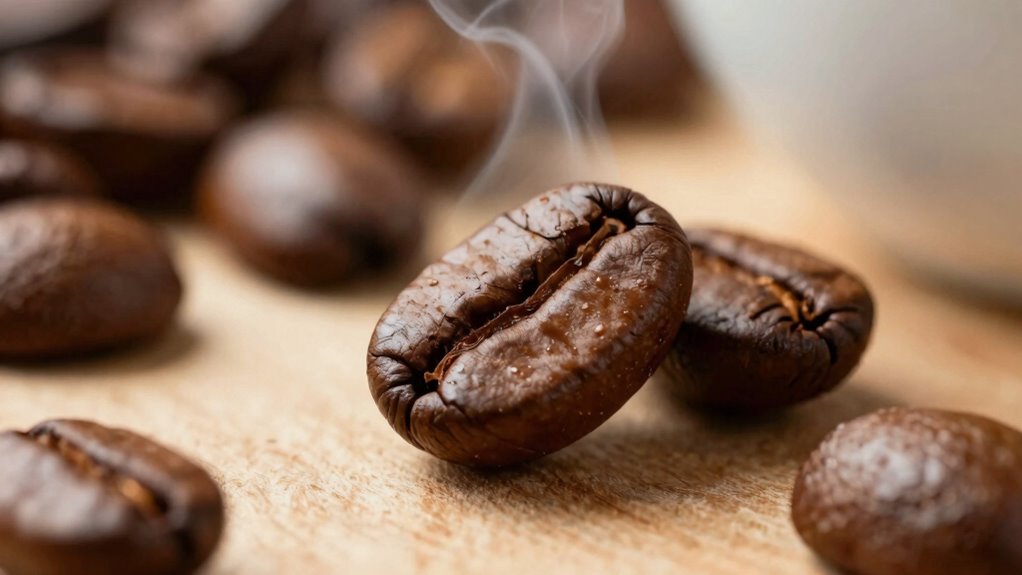
As you roast your coffee, keep an eye out for key visual cues that signal the onset of first crack. You’ll also want to listen for distinct sound characteristics that indicate the beans are transforming. Recognizing these signs will help you master your roasting process.
Visual Cues To Observe
How can you tell when the first crack is about to happen during the roasting process? Watching for specific visual cues can enhance your roasting techniques. As the beans heat up, you’ll notice changes in color, sheen, and texture.
| Visual Cue | Description | Emotional Impact |
|---|---|---|
| Color Change | Beans shift from green to yellow | Anticipation builds |
| Surface Sheen | Oils begin to surface | Excitement for the roast |
| Cracking | Tiny fissures appear | A sense of achievement |
| Swelling | Beans puff up slightly | Joy in the transformation |
| Aroma Release | Sweet, nutty scents emerge | Comfort and familiarity |
Sound Characteristics Noted
Recognizing the sound characteristics during the roasting process can greatly enhance your ability to pinpoint the first crack. As you roast, pay attention to the auditory cues that emerge. Initially, you’ll hear soft pops that gradually increase in crack intensity. This marks the shift between the roasting phases. The first crack typically sounds like popcorn popping, sharp and distinct, signaling the release of steam and gases. You’ll notice an increase in volume and frequency, so stay alert! Once you start hearing these sounds, it’s essential to monitor closely, as they indicate the coffee beans are reaching a pivotal roast stage. Understanding these sound characteristics will help you achieve your desired flavor profile with confidence.
As an affiliate, we earn on qualifying purchases.
How Second Crack Changes Coffee Flavor

While many coffee lovers focus on the first crack, the second crack markedly alters the flavor profile of the beans. This stage introduces deeper roast complexity, shifting the coffee’s characteristics. You’ll notice a significant increase in flavor intensity as oils begin to surface, enhancing richness and body. The development of bittersweet notes becomes more pronounced, often leading to chocolatey or smoky undertones. As the second crack progresses, acidity decreases, providing a smoother finish. If you prefer bold, robust flavors, allowing your beans to reach this stage can yield a satisfying cup. Keep in mind that the balance between the first and second crack is essential; over-roasting can lead to burnt flavors that mask the coffee’s natural profile.
First vs. Second Crack: Taste and Aroma

Understanding the differences between the first and second crack is essential for appreciating how they affect the taste and aroma of coffee. The first crack marks the start of development, enhancing flavor complexity and introducing bright, fruity notes. In contrast, the second crack signifies deeper roasting, which intensifies aroma intensity and often produces more chocolatey or smoky flavors. Additionally, different brewing methods can significantly affect caffeine content, further influencing the overall coffee experience. Higher contrast ratios in brewing can also enhance the perception of flavor notes.
| Crack Stage | Flavor Complexity |
|---|---|
| First Crack | Bright, fruity notes |
| Second Crack | Rich, chocolatey flavors |
Each crack stage plays a vital role in defining your coffee experience. As you explore different roasts, pay attention to how these elements shape your preferences.
Which Roast Level Should You Choose?

Choosing the right roast level can really enhance your coffee experience. You’ll notice flavor profile differences, caffeine content variations, and how well each roast suits your brewing method. Let’s explore what these factors mean for your perfect cup.
Flavor Profile Differences
When you plunge into the world of coffee roasting, the differences in flavor profiles between first crack and second crack can greatly influence your brew. First crack beans offer bright acidity and a lighter body, enhancing flavor intensity with fruity and floral notes. You’ll appreciate the clear, vibrant aromas that stimulate your senses. In contrast, second crack beans develop deeper, richer flavors, often introducing chocolatey or nutty undertones. The aroma complexity increases, providing a more robust experience. If you’re after a milder, nuanced cup, stick with first crack. However, if you crave boldness and depth, second crack is your go-to. Ultimately, your choice should reflect your personal taste preferences and desired coffee experience.
Caffeine Content Variations
The roast level you select not only shapes flavor but also impacts caffeine content. Lighter roasts typically have higher caffeine levels due to shorter roast durations, which preserve more of the caffeine molecules. As coffee beans undergo roasting, caffeine extraction occurs, but prolonged roasting breaks down caffeine, resulting in lower levels in darker roasts. If you’re seeking that extra energy kick, a light roast is your best bet. Conversely, if you prefer bold flavors and a more intense brew, you might lean toward medium or dark roasts, understanding they’ll have less caffeine. Ultimately, your choice depends on whether you prioritize flavor or caffeine content in your daily cup.
Brewing Method Compatibility
Understanding how different roast levels interact with various brewing methods can elevate your coffee experience. When you choose a brewing method, consider its roast compatibility. Light roasts shine in pour-over or AeroPress setups, highlighting delicate flavors and acidity. If you prefer a French press, medium roasts offer a balanced profile, enhancing sweetness and body. Dark roasts work well in espresso machines, delivering bold, rich flavors that stand up to milk or sugar. Additionally, using essential oils for toothache relief can enhance your overall sensory experience while enjoying your coffee. Incorporating smart fitness technology into your routine can further improve your overall wellness, making your coffee experience even more enjoyable. Experimenting with these combinations can help you discover your ideal cup. Remember, the brewing method can amplify or mute specific characteristics of the roast, so don’t hesitate to try different pairings to find what tantalizes your taste buds. Your perfect brew awaits! Additionally, selecting the right coffee gear can significantly impact your brewing results. Understanding the impact of grind size on extraction can further refine your process and improve flavor. Incorporating safety measures for equipment use ensures a smoother and safer brewing experience.
Practical Tips for Using First and Second Crack in Your Roasting

As you immerse yourself in roasting, paying attention to the first and second cracks can dramatically enhance your results. Start by using quality roasting equipment to guarantee precise temperature control. Monitor the timing techniques closely during the first crack; this phase is essential for flavor development. Experiment with different bean selections to find those that produce the desired aroma release. Once you hear the second crack, adjust your approach based on your target roast consistency. Remember, sensory evaluation is key—taste and smell as you go. This hands-on experience helps you fine-tune your process, leading to a better understanding of how each crack influences your coffee’s profile. Enjoy the journey and refine your skills with each roast!
Avoid These Common Roasting Mistakes

While mastering the art of coffee roasting, it’s easy to fall into common pitfalls that can ruin your batches. Focusing on roasting temperatures, timing precision, and equipment maintenance is essential for your success. Here are some mistakes to avoid:
| Common Pitfalls | Solutions |
|---|---|
| Ignoring bean selection | Choose high-quality beans |
| Inconsistent temperatures | Monitor and adjust heat |
| Poor timing | Stick to a roasting schedule |
| Neglecting maintenance | Regularly clean equipment |
Tips for Perfecting Your Coffee Roasting Technique
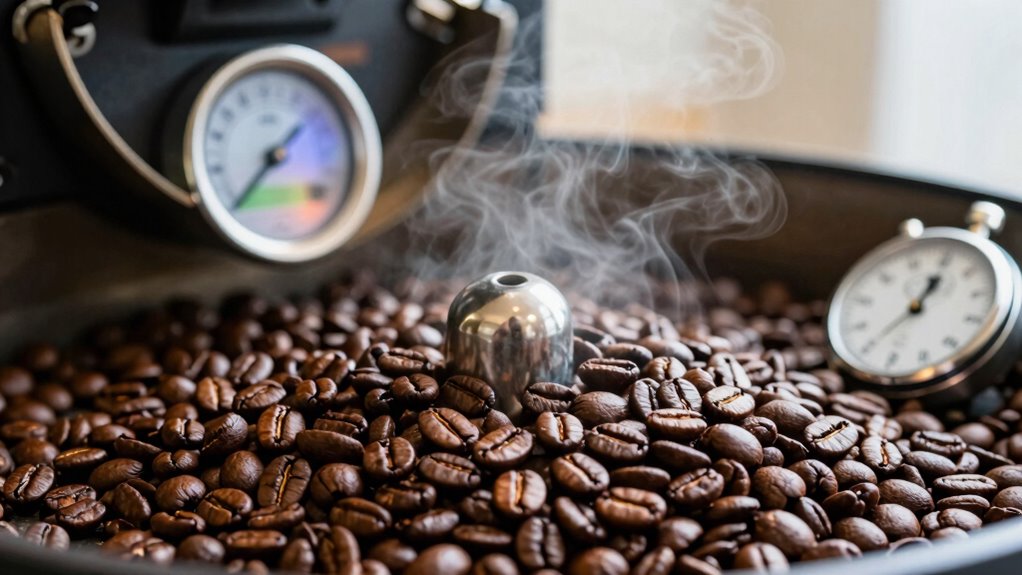
Perfecting your coffee roasting technique requires attention to detail and a willingness to experiment. Start by focusing on bean selection; different beans have unique characteristics that influence flavor development. Pay close attention to roasting time and temperature control, as these factors dramatically affect the final product. Utilize roast profiling to map out your ideal roasting curve, ensuring consistency with each batch.
Don’t forget equipment calibration—regularly check your roaster’s settings for accuracy. As you roast, practice sensory evaluation by tasting at various stages, noting how flavors evolve from first crack to second crack. Finally, explore cooling methods to stop the roasting process effectively, preserving the flavors you’ve developed. With these tips, you’ll refine your technique and elevate your coffee experience. Additionally, understanding technical concepts can provide deeper insights into how each element impacts the roasting outcome.
Frequently Asked Questions
How Does Ambient Temperature Affect Coffee Roasting Times?
Ambient temperature greatly impacts your coffee roasting times. When it’s cooler, your beans take longer to reach the desired roast level, affecting flavor development. Conversely, in warmer conditions, they roast faster, which can lead to uneven results if you’re not careful with your roasting techniques. Adjust your approach based on temperature to guarantee you achieve the perfect balance of flavors, whether you’re aiming for a light or dark roast.
Can Different Bean Types Influence First and Second Crack?
Imagine each coffee bean as a unique character in a story, each with its own traits and quirks. Yes, different bean types do influence first and second crack. Bean characteristics, like density and moisture content, determine how they respond to heat, affecting when the cracks occur. This, in turn, shapes the roast flavors you’ll experience. So, as you roast, remember that your choice of beans can dramatically change the narrative of your brew.
What Equipment Is Best for Monitoring Cracks During Roasting?
To effectively monitor cracks during roasting, invest in a good-quality roasting equipment that includes a transparent roasting chamber. This allows you to visually track the beans. Additionally, a digital thermometer helps you gauge temperature changes that precede cracks. Some advanced machines even feature sound sensors specifically for crack monitoring, alerting you as the first and second cracks occur. Combining these tools will enhance your roasting precision and consistency.
How Do Altitude and Humidity Impact Roasting Profiles?
“Every cloud has a silver lining.” When roasting, altitude and humidity can greatly affect your profiles. Higher altitudes require adjustments in roasting techniques, as lower air pressure can lead to faster flavor development. Meanwhile, humidity affects moisture content in beans, influencing how they roast. You’ll need to adapt your approach to achieve that perfect balance, ensuring your coffee shines, regardless of the environment. Pay attention to these factors for best results!
Is It Possible to Skip First Crack for Specific Roasts?
Yes, you can skip first crack for specific roasts, but it’s tricky. Ignoring it changes the roast profiles and can lead to underdeveloped flavors. You might miss out on the complexity that develops during that stage. However, if you’re aiming for a unique taste, experimenting can yield interesting results. Just be aware that flavor development may not follow the typical path you expect, so adjust your approach accordingly.
Conclusion
As you journey through the coffee roasting landscape, think of first crack as the dawn breaking—a hint of brightness and potential. Second crack, on the other hand, is the sunset, rich and deep, but often bittersweet. Just like nature’s cycles, your roasting choices shape the final brew. Embrace both moments wisely, and you’ll craft a cup that tells a story, balancing light and shadow, ensuring each sip is a harmonious blend of all you’ve learned.