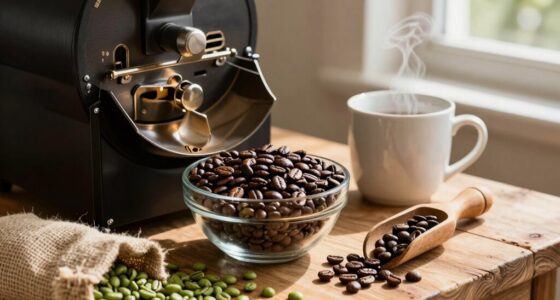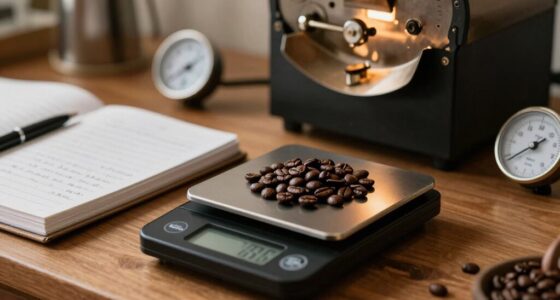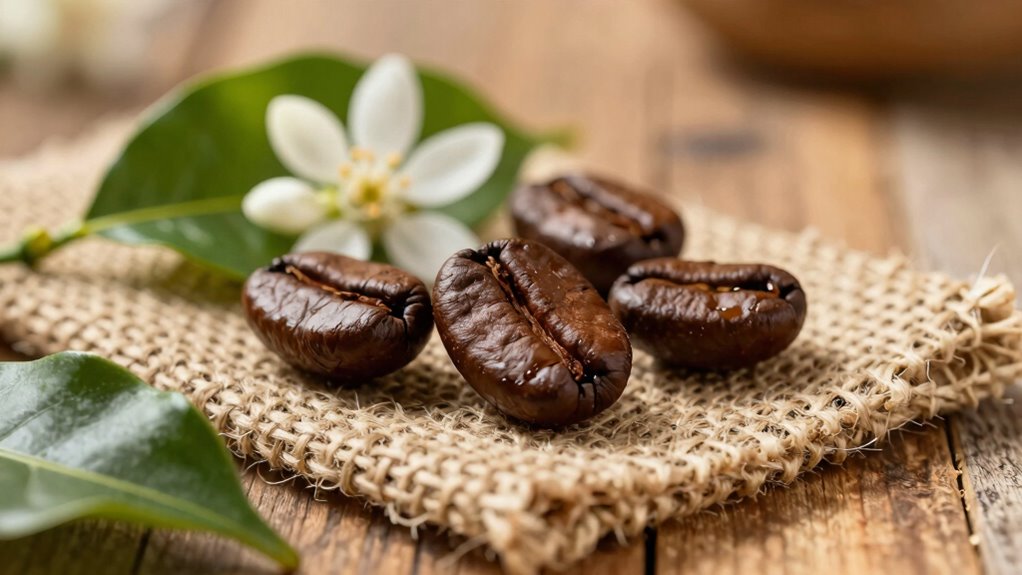

Coffee origin flavors are all about the unique taste and aroma profiles shaped by geography and climate. Ethiopia offers fruity and floral notes, while Brazilian beans bring nutty, chocolatey richness. Factors like processing methods and varietals further influence these flavors. Freshness is key in preserving aroma and taste, so storage matters too. As you explore these distinctions, you’ll discover how your preferences shape your coffee experience—and there’s more to uncover about enhancing your enjoyment.
Listen free for 30 days with Audible
Thousands of audiobooks and originals — cancel anytime.
As an affiliate, we earn on qualifying purchases.
Key Takeaways
- Coffee origin significantly influences flavor profiles, with regions like Ethiopia offering fruity notes and Brazil providing nutty richness.
- Terroir, including climate and soil conditions, plays a crucial role in developing unique taste experiences.
- Processing methods, such as washed or natural, can enhance or alter flavor characteristics, affecting overall taste.
- Freshness is vital for preserving flavor; proper storage in cool, dark places prevents oxidation and mold growth.
- Understanding personal taste preferences and experimenting with brewing methods enhances the overall coffee experience.
What Are Coffee Origin Flavors and Why Do They Matter?
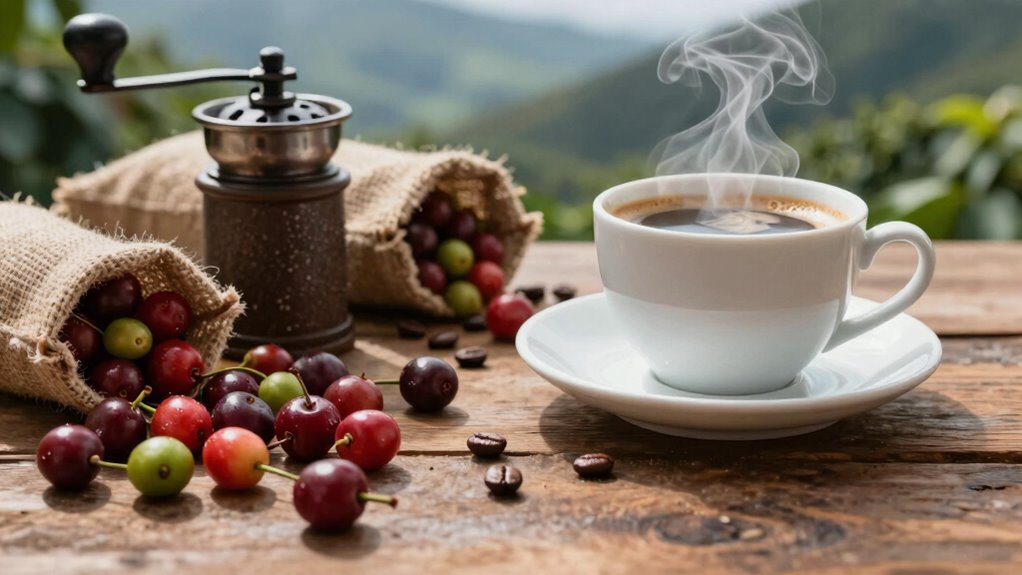
Coffee origin flavors are the unique taste profiles that come from the specific regions where coffee beans are grown. Each area has distinct origin characteristics that influence your flavor perception, making every cup of coffee a unique experience. For instance, beans from Ethiopia tend to showcase fruity and floral notes, while those from Brazil often deliver a nutty, chocolatey richness. Understanding these flavors helps you choose the right coffee for your palate. It also deepens your appreciation for the craft of coffee-making, allowing you to explore how geography and soil impact taste. By recognizing these origin flavors, you can elevate your coffee experience, turning each sip into a delightful journey through the world’s diverse coffee-growing regions.
How Geography and Climate Shape Coffee Flavor Profiles
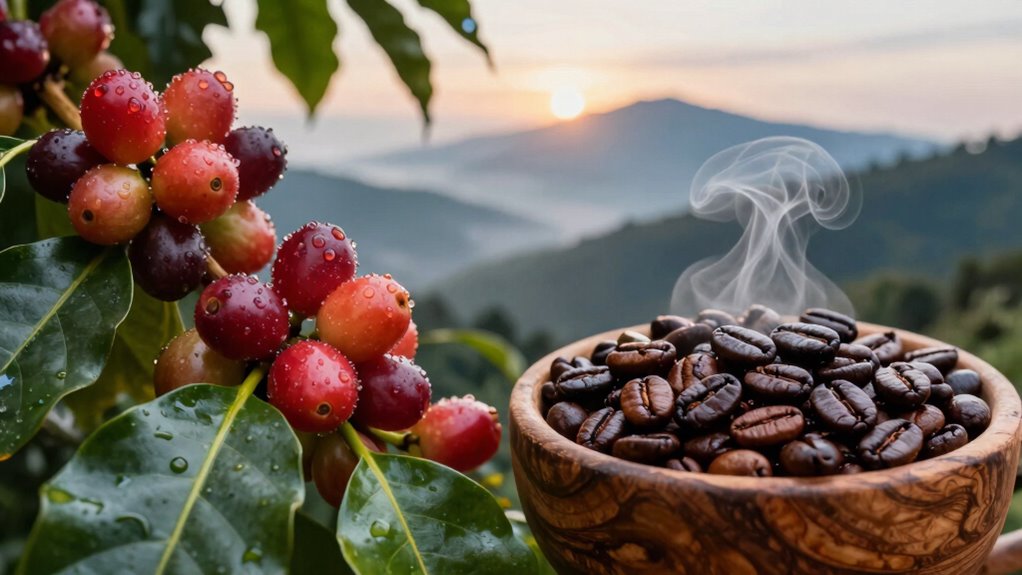
When you sip a cup of coffee, you might not realize that geography and climate play essential roles in shaping its flavor profile. The terroir impact is significant, influenced by factors like altitude effects and soil composition. Different regions produce unique varieties due to their specific climates, which can affect flavor complexity.
Geography and climate intricately shape coffee’s flavor, with terroir, altitude, and soil composition creating unique tasting experiences.
- Rainfall influence determines moisture levels for growth.
- Temperature variations impact the development of sugars and acids.
- Sustainable practices help mitigate climate change effects on coffee cultivation.
- Regional varieties can create distinctive taste experiences.
- Understanding these elements enhances your appreciation of each brew.
Processing Methods and Flavor
While you enjoy your coffee, the way it’s processed greatly influences its flavor profile. Different processing techniques, like washed, natural, and honey, each contribute uniquely to flavor development. For instance, fermentation effects can enhance fruity notes, while washed methods create a cleaner taste. Coffee terroir plays an essential role, as regional distinctions in processing reflect local traditions and environmental conditions. Sustainability practices also matter; eco-friendly methods can elevate quality control and promote better flavor complexity. By understanding these elements, you can appreciate how processing impacts not just the taste but also the overall coffee experience. So, next time you sip, consider how those behind the brew shaped each cup you enjoy.
Coffee Varietals: What Makes Them Unique?
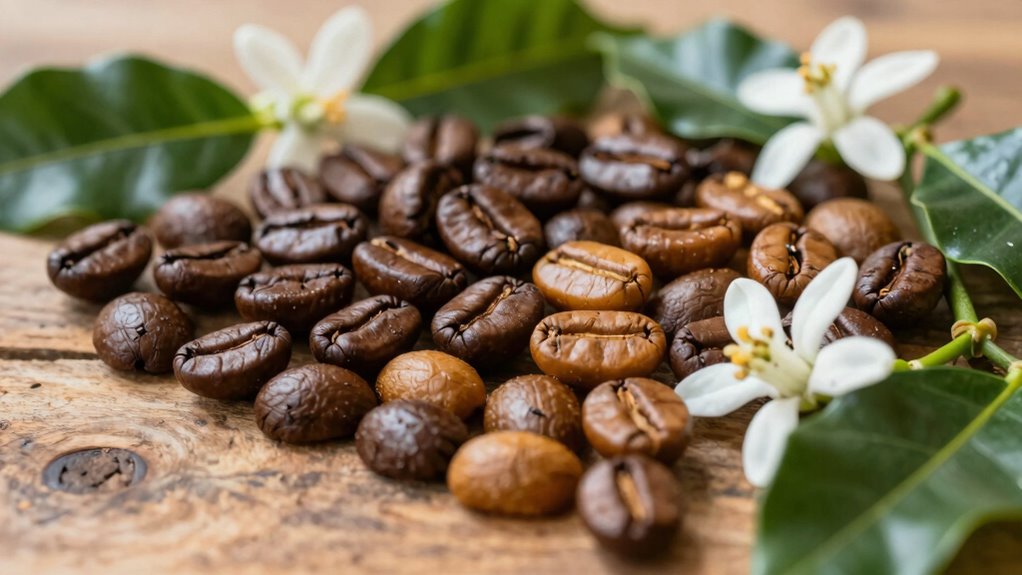
When you explore coffee varietals, you’ll find that each one offers its own unique flavor profile and notes. The conditions in which they grow also play a huge role in shaping their taste. Plus, genetic variations contribute to these differences, making every cup a distinct experience.
Flavor Profiles And Notes
Coffee varietals each offer a unique flavor profile, making your cup of joe a journey through diverse taste experiences. You’ll discover how different beans showcase distinct tasting notes influenced by their origin. The flavor intensity and aroma intensity can vary widely, impacting your overall sensory experience. As you explore, consider these key elements:
- Flavor complexity enhances the richness of your brew.
- Regional characteristics define the unique traits of each varietal.
- Your palate preferences help you select the perfect cup.
- Coffee chemistry plays a vital role in developing flavors.
- Understanding tasting notes allows you to savor each sip fully.
Growing Conditions Impact
Sure! Here’s the revised content with the requested addition:
—
The unique flavors you experience in each cup stem not just from the beans themselves, but also from the growing conditions they thrive in. Factors like soil composition and altitude effects play significant roles, as different environments yield distinct profiles. Effective pest management and water quality further impact flavor, while shade coverage can enhance the beans’ sweetness. Seasonal changes and local traditions in farming practices also shape the uniqueness of your brew. Additionally, indoor air quality can influence the overall health of coffee plants, ultimately affecting the final taste of the brewed coffee. Furthermore, the rise of smart indoor gardens allows for precise control over these growing conditions, enhancing flavor consistency. The integration of smart home technology can also optimize the environment for growing coffee, ensuring ideal conditions for flavor development. Moreover, wellness technology can be applied to monitor and improve the growth conditions for coffee plants, resulting in better flavor profiles. Understanding the importance of water quality can further enhance the flavor extraction during brewing.
| Factor | Impact on Flavor |
|---|---|
| Soil Composition | Nutrient availability |
| Altitude Effects | Acidity and sweetness levels |
| Pest Management | Bean integrity and health |
| Water Quality | Purity and mineral content |
Understanding these elements can deepen your appreciation of every sip.
Genetic Variations Explained
While you might enjoy a variety of coffee flavors, understanding the genetic variations among coffee varietals can truly enhance your appreciation for each brew. Each varietal showcases unique traits shaped by genetic mutations that influence flavor expression. These differences can lead to a wide range of tasting notes, from fruity to nutty, making your coffee experience more exciting.
- Arabica vs. Robusta: Different caffeine levels and flavors
- Genetic mutations: How they create unique profiles
- Terroir impact: Soil and climate interactions with genetics
- Flavor nuances: The role of varietal in taste complexity
- Breeding programs: Innovations in coffee cultivation
Roast Levels and Coffee Origin Flavors
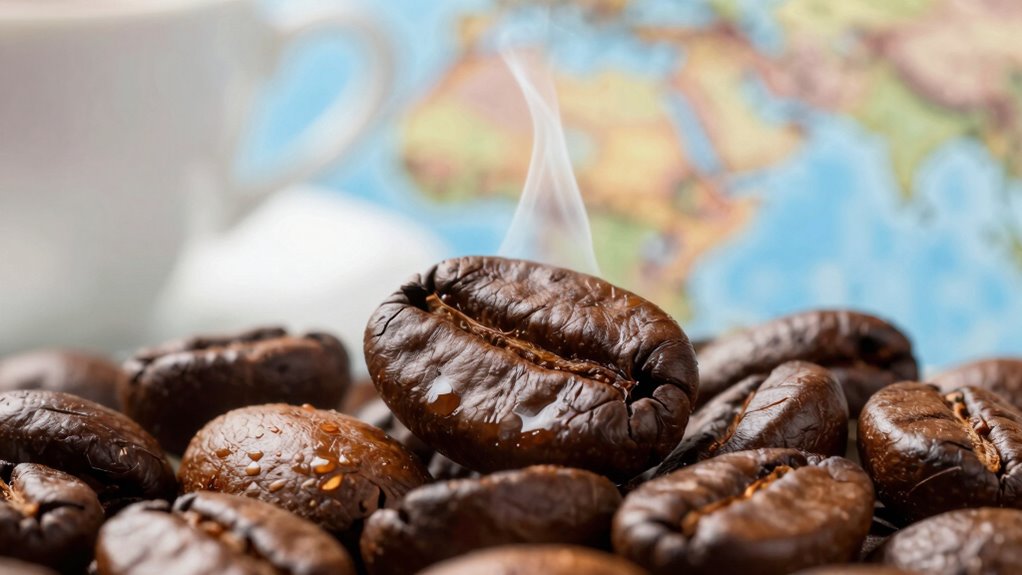
Understanding how roast levels influence coffee origin flavors can transform your brewing experience. Different roast profiles bring out distinct characteristics in your coffee, affecting flavor intensity and complexity. Light roasts highlight the bean’s unique origin traits, allowing floral and fruity notes to shine. Medium roasts strike a balance, blending origin flavors with a richer body and added sweetness. On the other hand, dark roasts often overshadow origin flavors, focusing more on deep, bold notes like chocolate and caramel. By experimenting with various roast levels, you can discover which profiles best complement your taste preferences. Remember, it’s not just about the roast; it’s about how those roast levels interact with the coffee’s inherent flavors, enhancing or muting them.
Importance of Freshness and Storage for Flavor
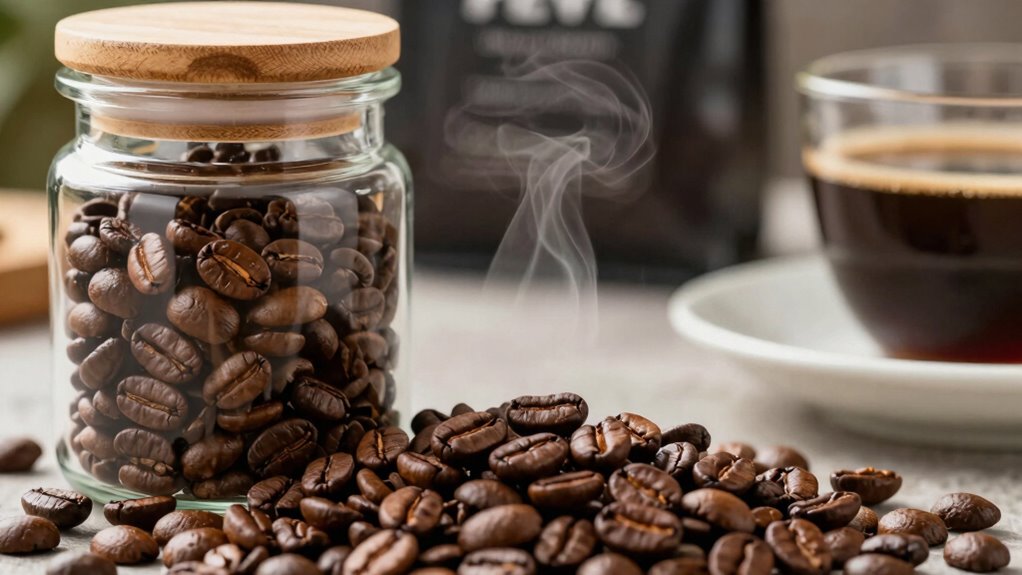
Roast levels can only shine a light on the unique qualities of coffee if the beans are fresh and stored properly. Freshness factors play an essential role in flavor preservation, and knowing how to store your beans can greatly impact their shelf life. Here are some key considerations:
- Ideal conditions: Keep coffee in a cool, dark place.
- Packaging materials: Use airtight containers to prevent oxidation.
- Humidity control: Avoid damp environments that can lead to mold.
- Temperature effects: Store away from heat sources to maintain flavor.
- Storage techniques: Consider vacuum sealing for long-term freshness.
Additionally, using a super-automatic espresso machine can help ensure that you brew with consistent quality, further enhancing the flavors of your freshly stored beans.
Tasting Techniques for Identifying Coffee Origin Flavors
To truly appreciate coffee’s origin flavors, you need to focus on aroma and flavor profiles. Different brewing methods can greatly impact what you taste, so experimenting is key. By honing your tasting techniques, you’ll uncover the unique characteristics of each coffee origin.
Aroma and Flavor Profiles
When you take a moment to savor a cup of coffee, you’re not just enjoying a beverage; you’re uncovering a complex world of aromas and flavors that reveal its origin. The aroma intensity and flavor complexity are essential in this sensory experience. Pay attention to the nuances in tasting notes, as they can enhance your understanding of coffee chemistry.
- Notice aroma development as the coffee cools.
- Consider the olfactory impact of various regions.
- Reflect on how flavor perception changes with brewing time.
- Explore different coffee origins to identify unique profiles.
- Document your discoveries for future reference. Additionally, just as with coffee, understanding essential oil properties can significantly enhance your sensory experiences.
Brewing Methods Impact
Understanding how brewing methods affect flavor can greatly enhance your coffee experience. Different brewing techniques, like pour-over or French press, change extraction time, impacting how flavors develop. For instance, a longer extraction time might intensify certain notes, while a shorter one could highlight acidity. Additionally, using a French press can minimize coffee grounds for a smoother cup, enhancing flavor clarity. The choice of coffee gear also plays a crucial role in achieving the desired taste profile, as smart kitchen tools can streamline your brewing process and ensure consistency.
Water temperature also plays a vital role; too hot can scald the coffee, while too cold might under-extract flavors. Adjusting grind size is essential, as coarser grinds work better for longer brews, while finer grinds suit quicker methods. Your choice of equipment influences brew consistency, and using the right brewing ratios can lead to ideal flavor enhancement. Experiment with these variables to discover how they reveal the unique origin flavors in your coffee. Additionally, understanding kitchen science principles can further refine your brewing approach to achieve the perfect cup.
Debunking Myths About Coffee Origin Flavors
Sure! Here’s the revised content with the requested addition:
—
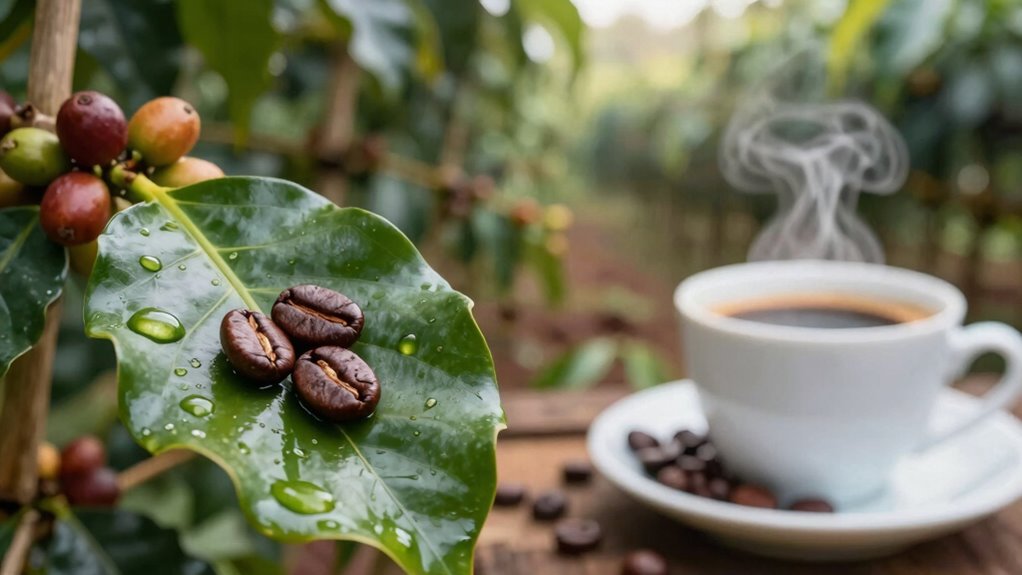
While many coffee enthusiasts believe that origin flavors are solely tied to geographical locations, this misconception overlooks the complex factors that influence a coffee’s taste. Myth busting reveals that several elements contribute to flavor:
- Processing methods can dramatically alter taste profiles. Ergonomic practices in preparation can also enhance the overall coffee experience. Additionally, the role of calibration in processing can improve flavor consistency and complexity.
- Climate misconceptions suggest that all beans from a region taste alike, which isn’t true. Understanding the impact of climate on coffee growth is essential. Additionally, the role of automation in coffee production can influence flavor consistency.
- Varietal myths ignore how different coffee plant types impact flavor.
- Regional stereotypes often misrepresent the diversity within coffee-producing areas.
- Quality assumptions fail to take into account how harvest and preparation affect overall taste.
Understanding these nuances helps you appreciate the rich tapestry of coffee flavors, moving beyond simplistic origin debates. By recognizing these truths, you can enjoy coffee with a more informed palate. Additionally, exploring economic impacts of UBI can provide insights into how consumer preferences may evolve in the future.
—
Let me know if you need any further modifications!
How to Choose the Right Coffee for Your Taste Preferences?
Choosing the right coffee begins with knowing your taste preferences and how various factors influence flavor. Start by exploring different coffee origins and their unique tasting notes. Do you enjoy fruity, floral, or earthy flavors? This will help narrow down your options. Next, engage in brewing experimentation; try different methods like pour-over, French press, or espresso to see how they affect taste. Keep track of your experiences to refine your coffee preferences further. Don’t hesitate to sample single-origin coffees versus blends, as each offers distinct profiles. Remember, flavor exploration is about finding what excites your palate, so take your time and enjoy the journey. You may discover unexpected favorites along the way! Additionally, understanding brewing science can significantly enhance your brewing skills and flavor outcomes.
Frequently Asked Questions
How Does Water Quality Affect Coffee Flavor?
Water quality notably affects your coffee’s flavor. If your water’s hardness is too high, it can create a mineral imbalance, altering the taste. Proper filtration methods remove impurities, enhancing the coffee’s natural flavors. Additionally, stable temperature during brewing helps extract the right compounds, ensuring a balanced cup. So, pay attention to your water’s mineral content and filtration; it’s just as essential as the beans themselves for that perfect brew.
Can Coffee Origin Flavors Change Over Time?
Yes, coffee origin flavors can change over time. Factors like terroir impact and aging effects play significant roles. As beans age, their flavor profiles can mellow or shift due to chemical changes. Different storage conditions can also enhance or diminish specific notes. If you keep your coffee properly stored, you might notice subtle shifts in taste, revealing a new dimension of the beans’ origin. It’s fascinating how time can influence what’s in your cup!
What Role Does Altitude Play in Coffee Taste?
Altitude plays a significant role in coffee taste. Higher elevations often lead to greater flavor complexity because cooler temperatures slow the growth of coffee beans, resulting in denser, more flavorful beans. This increased density enhances the bean’s ability to develop unique characteristics, influenced by the local terroir. So, when you sip coffee from high-altitude regions, you’ll likely notice a richer, more vibrant flavor profile compared to beans grown at lower elevations.
Are There Health Benefits Linked to Specific Coffee Origins?
Yes, specific coffee origins can offer unique health benefits. Imagine sipping a cup from a high-altitude region, bursting with flavor compounds and elevated antioxidant levels. Regional varieties, like Ethiopian or Colombian, may enhance your mood and boost your metabolism. Different processing methods also play a role, affecting not just taste but health perks too. So, when you choose your brew, consider the origin effects—it could be more than just a delightful flavor experience!
How Do Brewing Methods Influence Flavor Perception?
Brewing methods greatly influence flavor perception by altering factors like brewing temperature, grind size, extraction time, and brewing equipment. If you use a finer grind, you’ll increase extraction, bringing out more intense flavors. Higher temperatures can enhance acidity but may also extract bitterness. Different brewing equipment, like a French press versus a pour-over, impacts how these elements interact, ultimately shaping the coffee’s overall taste. Experimenting with these variables can lead to exciting flavor discoveries!
Conclusion
In the world of coffee, understanding origin flavors is like uncovering a hidden treasure. Each cup tells a story shaped by geography, climate, and processing methods. By exploring these nuances, you can truly appreciate the artistry behind every brew. Remember, freshness matters, and your taste preferences are your compass. So, begin your coffee journey, and let each sip be a delightful adventure waiting to unfold. Enjoy the flavors, and savor the experience!
Flea & tick season Picks
flea and tick prevention
As an affiliate, we earn on qualifying purchases.