To remove limescale from your kettle without the headache, fill it halfway with equal parts water and white vinegar, boil, then let it sit for 30 minutes before rinsing thoroughly. You can also use a baking soda paste or lemon juice for effective cleaning. Keep an eye out for signs like white residue or slower heating times. Want to know how to keep limescale at bay for good? There are easy tips to help you out.
Listen free for 30 days with Audible
Thousands of audiobooks and originals — cancel anytime.
As an affiliate, we earn on qualifying purchases.
Key Takeaways
- Soak the kettle with equal parts water and white vinegar, boil, and let sit for 30 minutes before rinsing thoroughly.
- Use lemon juice or a baking soda paste for effective natural cleaning options.
- Regularly empty and rinse the kettle after each use to prevent limescale buildup.
- Opt for filtered or distilled water to minimize mineral content and reduce limescale formation.
- Schedule monthly descaling sessions using natural solutions to maintain kettle efficiency and beverage quality.
descaling solution for electric kettle
As an affiliate, we earn on qualifying purchases.
As an affiliate, we earn on qualifying purchases.
Why Limescale Forms in Your Kettle
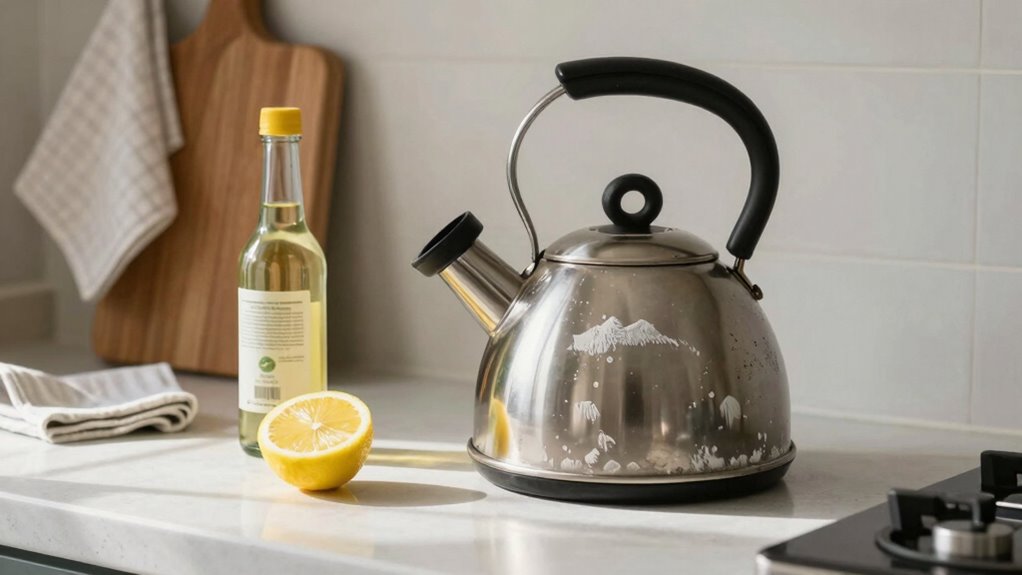
Limescale forms in your kettle primarily due to the minerals found in hard water, so when you heat water, these minerals precipitate and settle as a chalky residue. This limescale formation occurs because calcium and magnesium, common mineral deposits in hard water, don’t dissolve well in high temperatures. As you repeatedly boil water, these deposits accumulate, making your kettle less efficient and potentially affecting the taste of your beverages. Over time, you might notice a noticeable buildup, which can be unsightly and difficult to remove if left unchecked. Understanding this process can help you take proactive steps to maintain your kettle and guarantee it works effectively, keeping your drinks tasting fresh. Regular cleaning can prevent heavy limescale buildup.
As an affiliate, we earn on qualifying purchases.
Signs Your Kettle Needs a Deep Clean
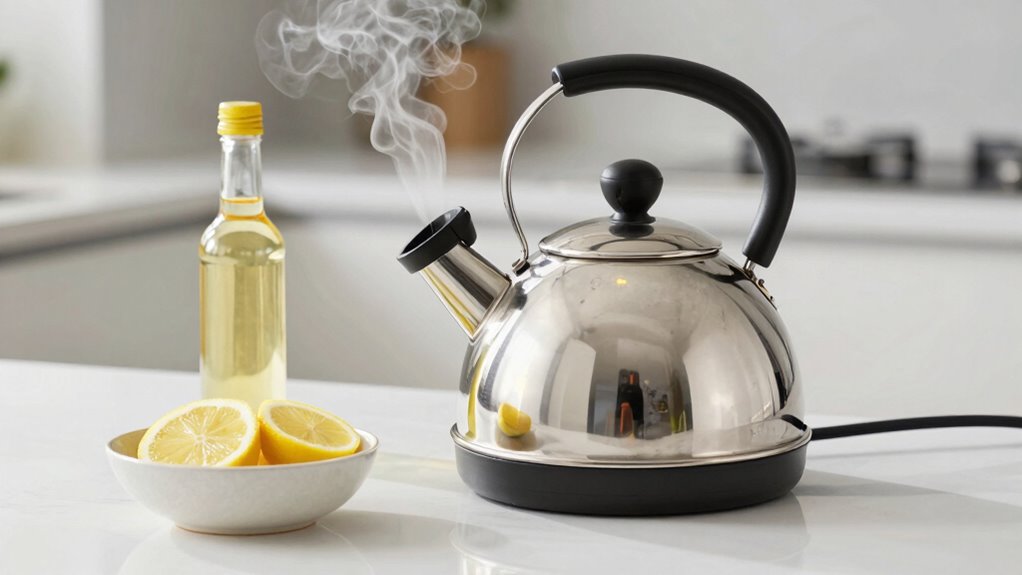
If you notice a visible white residue in your kettle, it’s a clear sign that it needs a deep clean. You might also find that it’s heating more slowly than usual or that your tea has an unpleasant taste or odor. Don’t ignore these signs; they indicate your kettle’s overdue for some TLC.
Visible White Residue
A kettle with visible white residue is a clear sign it needs a deep clean. This limescale buildup not only affects the kettle’s appearance but can also impact the taste of your water. To keep your kettle in top shape, you’ll want to implement some effective kettle maintenance tips. Regularly inspecting your kettle for any signs of residue can help you catch problems early. Additionally, consider limescale prevention strategies, like using filtered water or descaling solutions. These methods can greatly reduce residue buildup and extend the life of your kettle. Incorporating filtration basics into your routine can also significantly mitigate limescale formation. Moreover, maintaining indoor air quality is essential, as it can help reduce the overall presence of allergens and pollutants that contribute to residue buildup. Furthermore, using HEPA filters in your home can enhance overall air quality, which indirectly contributes to a cleaner kettle environment. Regular water damage prevention practices are crucial to help maintain your kettle’s efficiency and longevity. Maintaining air purifier efficiency through regular filter checks can also improve your kitchen’s atmosphere. Don’t let limescale linger; tackle it head-on for a cleaner, more efficient appliance. Your future cups of tea will thank you!
Slow Heating Time
When your kettle starts heating water more slowly than usual, it’s usually a sign that limescale has built up inside. This slow heating not only frustrates you but also affects the energy efficiency of your kettle. Limescale acts as an insulating layer, making it harder for the heating element to do its job. As a result, you might notice your kettle taking longer to reach boiling point. If you’re consistently waiting longer for hot water, it’s time to take action. A deep clean can restore your kettle’s performance, ensuring it heats water quickly and efficiently again. Additionally, removing limescale helps improve your kettle’s overall energy efficiency, which contributes to a more eco-friendly household. Regular cleaning can also enhance home comfort by preventing the buildup of harmful particles in the air, so don’t let limescale slow you down—regular maintenance will keep your kettle in top shape and save you energy in the long run. To further enhance performance, consider optimizing water systems in your home to reduce limescale buildup in the first place. Regular maintenance is key to achieving long-term progress in keeping your kettle functioning efficiently.
Unpleasant Taste Or Odor
Sure! Here’s your revised content with the requested modifications:
—
As you pour yourself a cup of tea or coffee, an unpleasant taste or odor from your kettle can ruin the experience. If you notice these issues, it’s time for a deep clean. Here are some signs to watch for:
- A persistent metallic or burnt flavor in your beverages
- Strange, musty smells coming from the kettle
- Visible limescale buildup on the heating element
- Cloudy water that doesn’t clear up after boiling
These unpleasant flavors and odor issues can indicate that limescale and other residues are affecting your kettle’s performance. Regular cleaning not only enhances your drinks but also prolongs the life of your kettle, as maintaining good indoor air quality can improve your overall living environment. Additionally, regular tick checks after outdoor activities can help prevent infections, similar to how maintaining your kettle can prevent unpleasant experiences. Keeping your kettle clean can also contribute to better heat efficiency, ensuring that your favorite brew remains enjoyable. Regular maintenance can lead to improved beverage quality, ensuring that your favorite brew remains enjoyable. Don’t let an unpleasant experience spoil your favorite brew!
natural limescale remover for kettle
As an affiliate, we earn on qualifying purchases.
As an affiliate, we earn on qualifying purchases.
Simple Methods to Clean Your Kettle
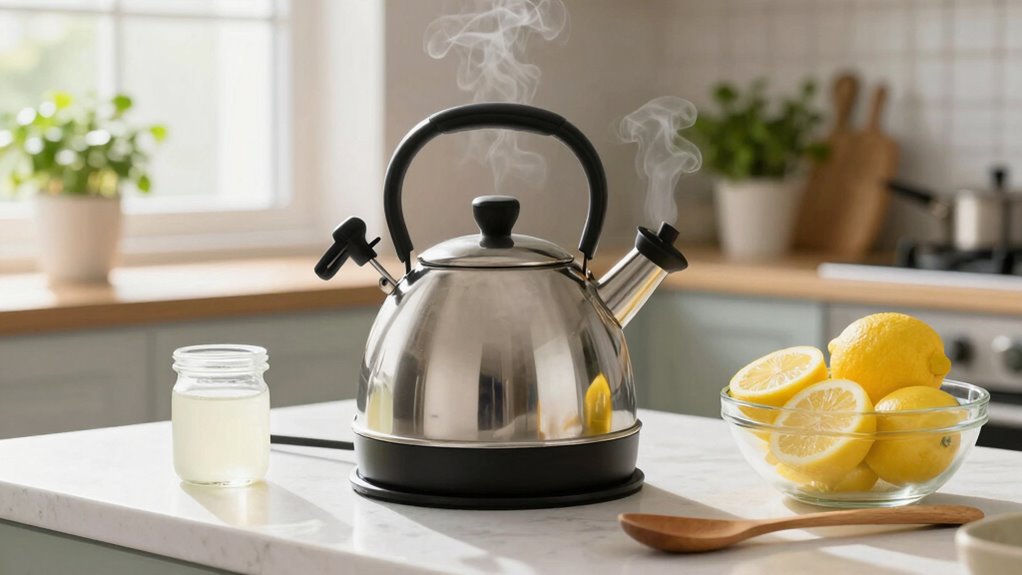
Cleaning your kettle doesn’t have to be a hassle. You can easily tackle limescale with simple methods like a vinegar soak, a lemon juice solution, or a baking soda paste. Let’s explore these effective techniques to keep your kettle sparkling clean.
Vinegar Soak Method
If you’re dealing with stubborn limescale in your kettle, the vinegar soak method is both effective and easy. This approach leverages the vinegar benefits, like its natural acidity, to break down mineral buildup. Here’s how to do it:
- Fill your kettle halfway with equal parts water and white vinegar.
- Let it soak for about 30 minutes to one hour, depending on the severity of the limescale.
- Boil the mixture, then turn off the kettle and let it sit for an additional 30 minutes.
- Rinse thoroughly with fresh water to remove any vinegar residue.
Using this method, you’ll restore your kettle’s shine without much hassle. Enjoy your limescale-free brewing!
Lemon Juice Solution
Lemon juice is a powerful and natural solution for tackling limescale in your kettle. Packed with citric acid, it effectively breaks down mineral deposits without harsh chemicals. To use this method, simply squeeze the juice of one or two lemons into your kettle, then fill it with water. Let the mixture sit for about an hour to allow the acid to work its magic. Additionally, maintaining proper humidity levels in your home can prevent limescale buildup, as high humidity levels can reduce mineral accumulation. Afterward, bring the solution to a boil, then let it cool. Once cooled, pour out the mixture and rinse the kettle thoroughly. You’ll enjoy the lemon benefits, including a fresher taste in your water. This simple and eco-friendly approach not only cleans but also keeps your kettle in top shape! Additionally, using coffee brewing methods can help you appreciate the importance of clean equipment for optimal flavor extraction. Regularly cleaning your kettle can contribute to sustainable practices that minimize waste and reduce the need for replacements. Keeping your kettle clean enhances its efficiency and longevity, which is crucial for home appliance maintenance.
Baking Soda Paste
One effective method for tackling limescale in your kettle is using a baking soda paste. This simple solution leverages the baking soda benefits, such as its mild abrasive properties and ability to neutralize odors. To create the paste, mix water with baking soda in the right baking soda ratios—typically 3:1.
Here’s how to apply it:
- Combine 3 tablespoons of baking soda with 1 tablespoon of water.
- Stir until you achieve a thick paste.
- Apply the paste directly to the limescale areas in your kettle.
- Let it sit for 15-20 minutes, then rinse thoroughly.
This method’s simplicity makes it a go-to for keeping your kettle clean and limescale-free!
As an affiliate, we earn on qualifying purchases.
Cleaning Your Kettle With Vinegar: a Step-By-Step Guide

Cleaning your kettle with vinegar is a simple and effective way to tackle limescale buildup. Start by filling your kettle halfway with equal parts water and white vinegar. Bring the mixture to a boil, then turn off the kettle and let it sit for about 30 minutes. This allows the vinegar to break down the limescale effectively. Afterward, pour out the solution and rinse the kettle thoroughly with fresh water. For best results, repeat this process monthly as part of your kettle maintenance tips. Additionally, consider limescale prevention strategies, like using filtered water or emptying your kettle after each use. These steps will help keep your kettle in top shape and prolong its lifespan.
Baking Soda: An Effective Alternative for Limescale
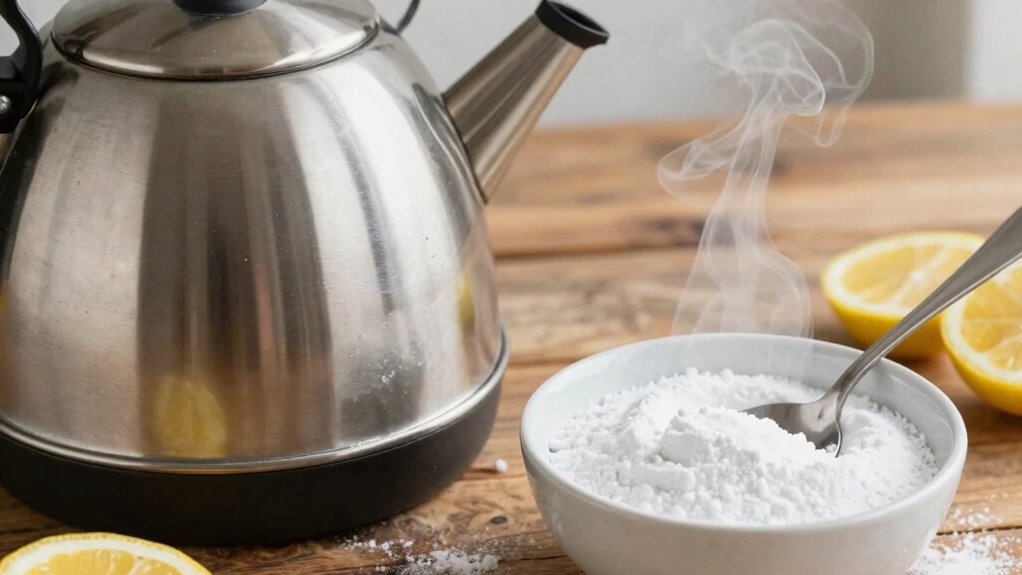
If vinegar isn’t your preferred cleaning method, baking soda offers a powerful alternative for tackling limescale in your kettle. This natural cleaning agent is not only effective but also safe for your appliances. Here are some baking soda benefits that make it a great choice:
- Non-toxic: Safe for you and the environment.
- Cost-effective: Affordable and widely available.
- Gentle abrasive: Helps scrub away stubborn limescale without scratching.
- Deodorizing properties: Eliminates unpleasant odors, leaving your kettle fresh.
To use it, simply mix a few tablespoons of baking soda with water in your kettle, bring it to a boil, and let it sit. Rinse thoroughly, and your kettle will be limescale-free!
How to Prevent Limescale Buildup in Your Kettle
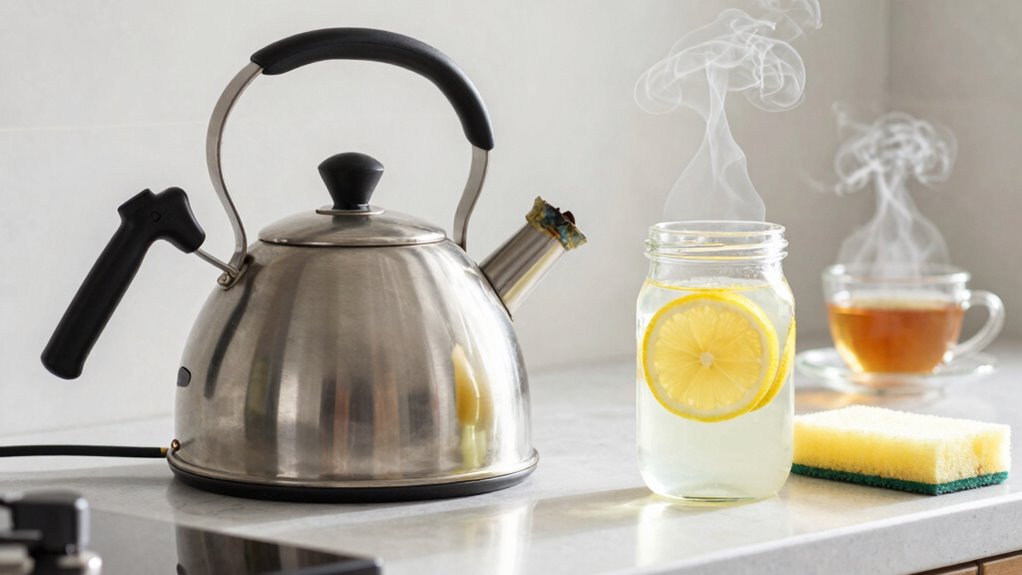
To keep limescale from building up in your kettle, it’s essential to adopt a few simple habits. First, consider using filtered or distilled water; this can greatly enhance water quality improvement and reduce mineral content. Regularly empty your kettle after each use, as stagnant water can contribute to limescale. You might also want to rinse the kettle with fresh water periodically to prevent residue from settling. Additionally, implementing some kettle maintenance tips like descaling monthly using natural solutions, such as vinegar or citric acid, can keep it clean. By taking these proactive steps, you’ll not only extend your kettle’s lifespan but also enjoy better-tasting beverages without the hassle of constant cleaning. Furthermore, using a kettle with low mineral content can significantly reduce limescale buildup. Improving your sleep quality can also enhance your overall well-being, making you more mindful of your kitchen habits. Remember, maintaining a budget for household expenses can help you invest in quality products that reduce limescale buildup. Lastly, adopting AI ethics in product choices can guide you to select environmentally friendly options that contribute to sustainability. Regular maintenance of kitchen appliances, including safety features, can help prevent issues like limescale buildup over time.
When Should You Call in the Pros for Kettle Cleaning?
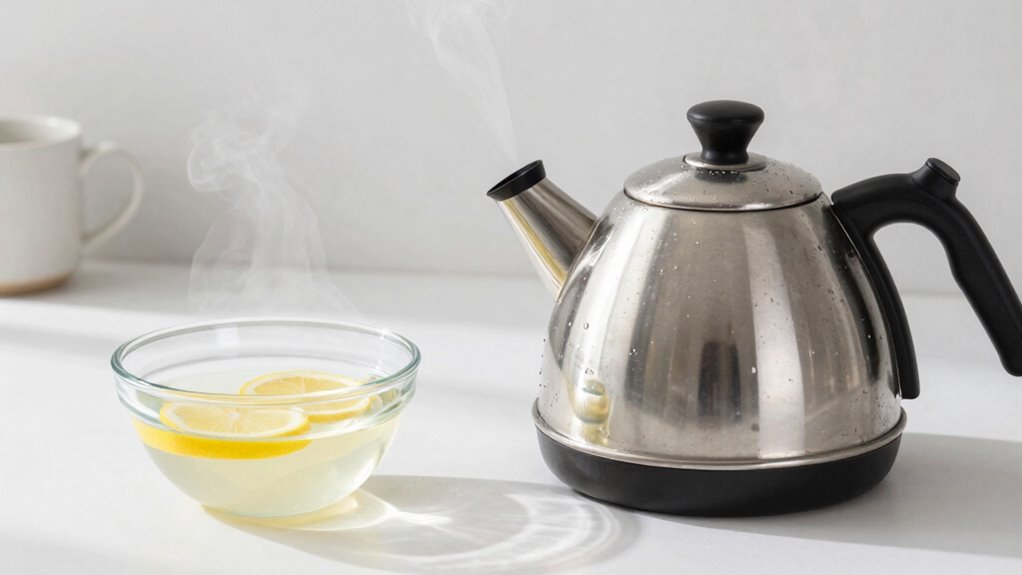
Wondering when it’s time to call in the pros for kettle cleaning? While you can tackle minor limescale buildup yourself, there are situations where professional cleaning services become necessary. Here are some kettle maintenance tips to help you decide:
Consider calling in the pros for kettle cleaning when DIY methods fall short or performance declines significantly.
- If your kettle’s performance is noticeably declining.
- When limescale buildup is extreme and hard to remove.
- If you’ve tried DIY methods and nothing worked.
- When you’re unsure about using chemicals and want to avoid damage.
In these cases, calling in experts can save you time and guarantee your kettle’s longevity. Don’t hesitate to reach out for help when you need it; a clean kettle contributes to a better brewing experience!
Frequently Asked Questions
Can Limescale Affect the Taste of My Tea or Coffee?
Yes, limescale can affect the taste of your tea or coffee. When you brew, limescale formation in your kettle releases minerals that alter the flavor profile. You might notice a chalky or off taste, which can overshadow the delicate notes of your favorite blends. Regularly cleaning your kettle helps prevent limescale buildup, ensuring you enjoy the true essence of your tea flavor or coffee richness without any unwanted interference.
Is It Safe to Use Bleach to Clean My Kettle?
No, it’s not safe to use bleach to clean your kettle. Bleach can leave harmful residues, affecting your drinks and health. Instead, consider bleach alternatives like vinegar or baking soda, which effectively remove limescale without the risks. These options are safer and easier to rinse out. Always prioritize cleaning safety when choosing your methods, ensuring your kettle remains safe for brewing your favorite beverages. Stick with natural solutions for a worry-free clean!
How Often Should I Clean My Kettle?
You should clean your kettle at least once a month for ideal kettle maintenance. This cleaning frequency helps prevent limescale buildup and keeps your kettle functioning efficiently. If you notice a lot of mineral deposits or if you use hard water, consider cleaning it more often. Regularly checking your kettle for buildup can save you time and headaches down the line, ensuring your hot beverages taste great every time.
Can I Use Lemon Juice Instead of Vinegar?
Absolutely, you can use lemon juice instead of vinegar! While some might think vinegar’s stronger, lemon’s acidity makes it a fantastic natural cleaner, too. Just slice a lemon, squeeze the juice into your kettle, and add water. Let it sit for a while before boiling, and you’ll see the limescale start to dissolve. Plus, your kettle will smell fresh afterward. It’s a simple, effective way to tackle that buildup without harsh chemicals!
Will Limescale Damage My Kettle Over Time?
Yes, limescale buildup can damage your kettle over time. If you neglect kettle maintenance, the mineral deposits can corrode the heating element and affect performance. Regularly removing limescale not only prolongs your kettle’s life but also guarantees your water tastes fresh. You don’t want to risk your appliance’s durability, so make it a habit to descale your kettle periodically. This simple step can save you from costly replacements down the line.
Conclusion
Now that you know how to tackle limescale in your kettle, imagine pouring that first cup of tea with water that’s crystal clear. But what if it creeps back, lurking like a hidden foe? Don’t let it catch you off guard! Regular maintenance is your best defense. Keep those cleaning methods in mind, and you’ll enjoy every sip without the worry. So, are you ready to reclaim your kettle and sip freely? The choice is yours!
Flea & tick season Picks
flea and tick prevention
As an affiliate, we earn on qualifying purchases.