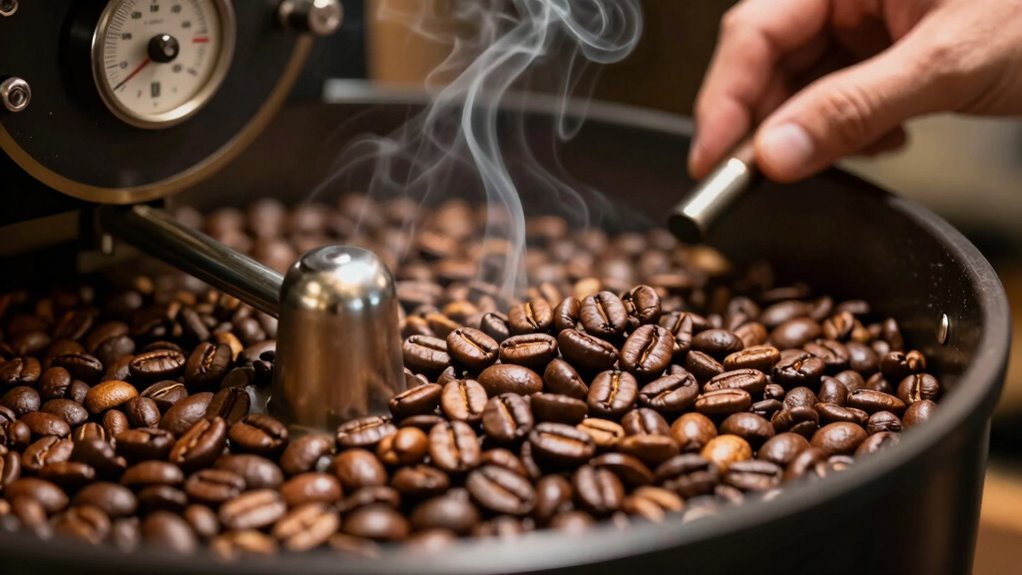

Understanding coffee roasting stages is essential for enhancing your brew. You start with green beans like Arabica or Robusta, then progress through drying, where moisture drops and aroma develops. The first crack signals flavorful changes, while the Maillard reaction creates complex tastes. As you reach the second crack, you’ll find richer, bolder flavors emerging. Mastering these stages guarantees you get the best cup possible. Stick around to uncover tips on evaluating your final brew!
Open a free Amazon Business account
Business pricing, bulk buying and tax-exempt orders.
As an affiliate, we earn on qualifying purchases.
Key Takeaways
- The roasting process transforms green beans into coffee, with each stage impacting flavor and aroma significantly.
- The drying phase is crucial; moisture levels affect bean structure and aroma release during roasting.
- The first crack marks the transition to complex flavors, influencing acidity and sweetness in the final brew.
- The Maillard reaction is essential for developing rich flavors and aromas; temperature and time play key roles.
- The second crack indicates a shift to darker roasts, requiring careful timing to avoid bitterness while achieving desired intensity.
As an affiliate, we earn on qualifying purchases.
Overview of Coffee Roasting Stages
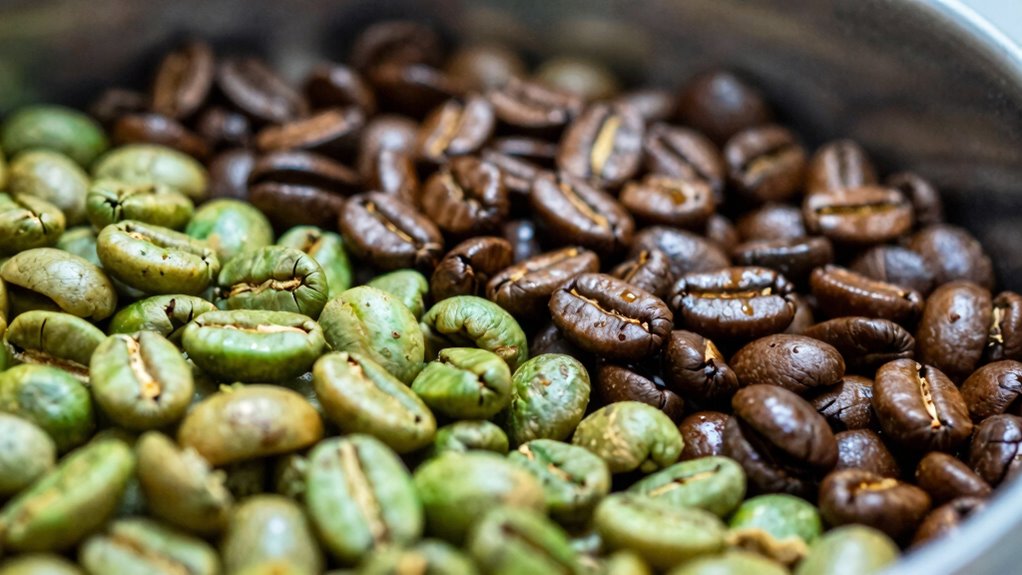
Coffee roasting is a fascinating journey that transforms green beans into the aromatic delights you savor. The roasting process involves several stages, each essential for developing flavor and aroma. First, you start with green beans, which come in various types like Arabica and Robusta. As you apply different roasting techniques—like light, medium, or dark roasting—you reveal distinct characteristics in each bean variety.
During the initial phase, beans undergo drying, followed by the Maillard reaction, where sugars and amino acids interact, creating complex flavors. As the temperature rises, you’ll notice the first and second crack, indicating different roast levels. Mastering these stages allows you to tailor the roast to highlight the unique qualities of your chosen beans, enhancing your coffee experience.
As an affiliate, we earn on qualifying purchases.
From Moisture to Aroma: The Drying Phase Explained
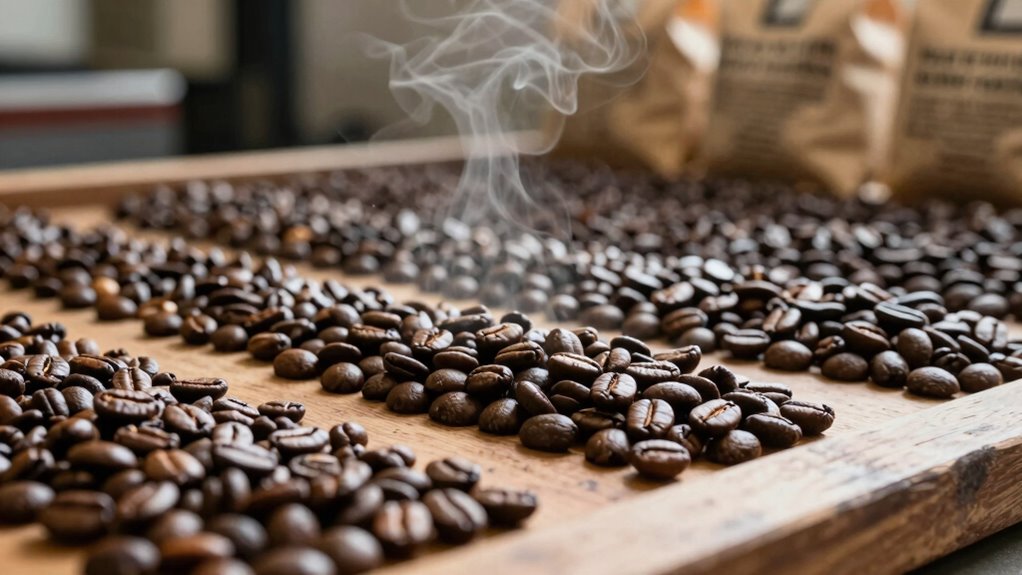
As the roasting process begins, the drying phase plays a pivotal role in shaping the beans’ final flavor profile. During this stage, moisture levels drop, affecting the bean structure and preparing them for the subsequent roasting phases. Key factors to contemplate include:
- Drying duration: Longer drying can enhance aroma release.
- Temperature control: Precise heat management guarantees even drying and flavor balance.
- Humidity effects: High humidity can lead to uneven moisture removal, impacting overall quality.
- Roasting techniques: Different methods can influence how effectively moisture is expelled.
Mastering this phase not only sets the stage for flavor development but also guarantees your beans have the right foundation for the complex aromas you desire.
As an affiliate, we earn on qualifying purchases.
The First Crack: Flavor Development
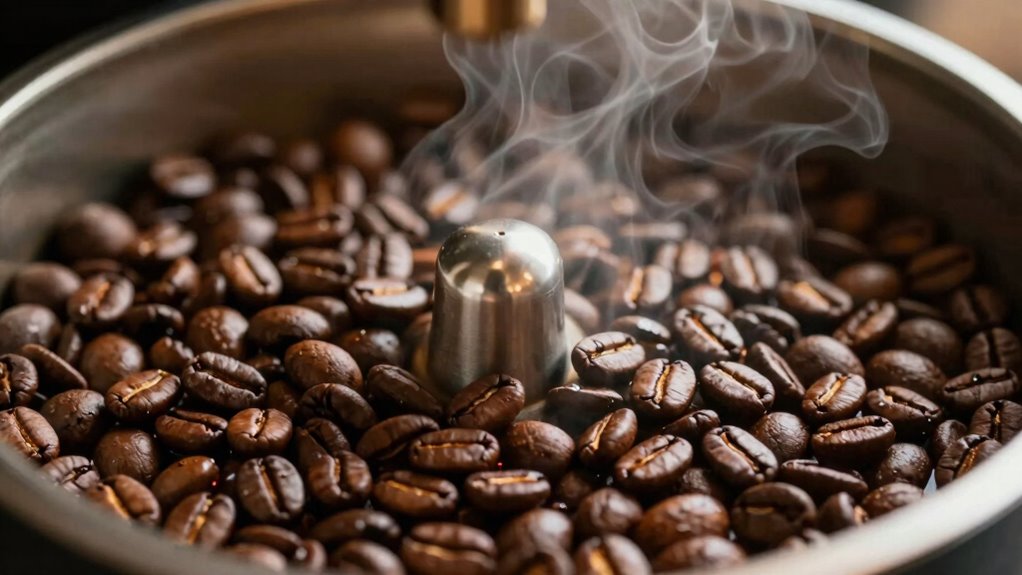
As you reach the first crack during roasting, you’ll notice a pivotal moment in flavor development. This stage marks the shift from grassy notes to more complex profiles, revealing the coffee’s true character. Understanding this crack is essential for controlling the taste and aroma of your brew.
Importance Of First Crack
When you hear the first crack during roasting, it’s more than just a sound; it signals a pivotal moment in flavor development. This event marks the change from the grassy notes of raw beans to the rich complexities of roasted coffee. Embracing the first crack can greatly influence your roast profile, so pay attention!
- It indicates the release of moisture and gases.
- Flavor compounds start to develop, enhancing aroma.
- Timing of the first crack affects acidity and sweetness.
- It helps you determine when to stop or continue roasting.
Understanding the importance of the first crack allows you to better control your roast profile, ensuring you achieve the desired flavors in your final brew. Don’t underestimate its role! Additionally, appreciating the nuances of various brewing methods can further enhance your coffee experience.
Flavor Profile Changes
The first crack doesn’t just signify a change in sound; it marks the beginning of significant flavor development in your coffee roast. As you progress through different roast levels, you’ll notice distinct flavor nuances emerging. The first crack releases aromatic compounds, enhancing the complexity of your coffee’s profile. This is where you start to experience various tasting notes, influenced by specific bean origins. Depending on your preferred brewing methods, these flavors can shift dramatically, showcasing the unique characteristics of each roast. Understanding how the first crack affects flavor helps you fine-tune your roasts, ensuring you capture the essence of the beans. Embrace this stage to reveal a world of flavors that can elevate your coffee experience.
coffee roasting profile software
As an affiliate, we earn on qualifying purchases.
As an affiliate, we earn on qualifying purchases.
Understanding the Maillard Reaction in Coffee
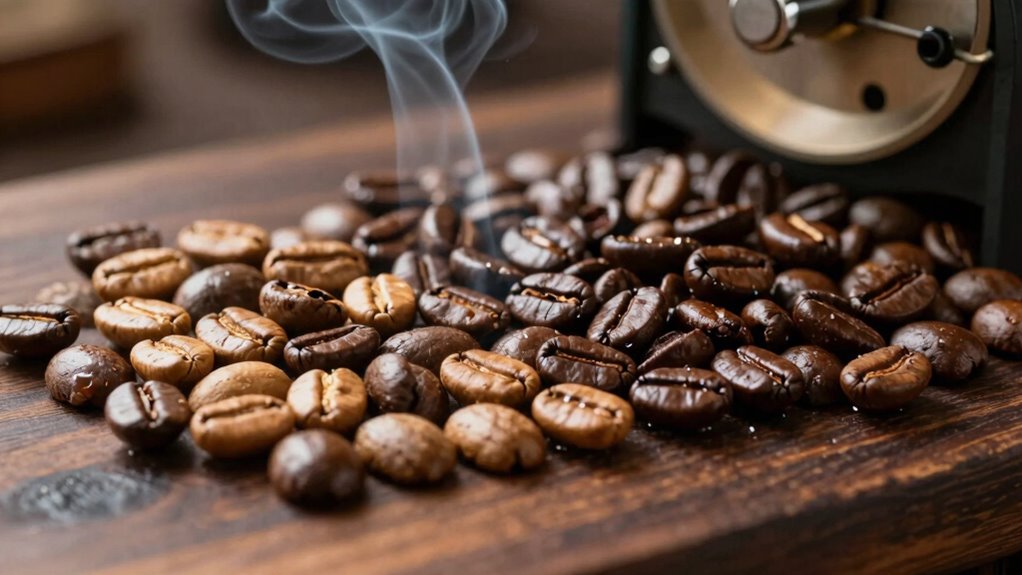
While you might enjoy the rich flavors of your morning coffee, understanding the Maillard reaction can deepen your appreciation for its complexity. This chemical process occurs during roasting and is essential for developing flavor compounds and aromas unique to your beans.
Understanding the Maillard reaction enhances your appreciation for the rich flavors and aromas in your morning coffee.
- Temperature Control: Different temperatures influence the intensity of Maillard chemistry.
- Roasting Profiles: Each profile affects how flavor compounds develop, impacting your coffee’s taste.
- Sensory Evaluation: Tasting notes often stem from this reaction, tying back to coffee origins.
- Roasting Variables: Factors like time and heat play significant roles in aroma development.
The Second Crack: Achieving Desired Intensity
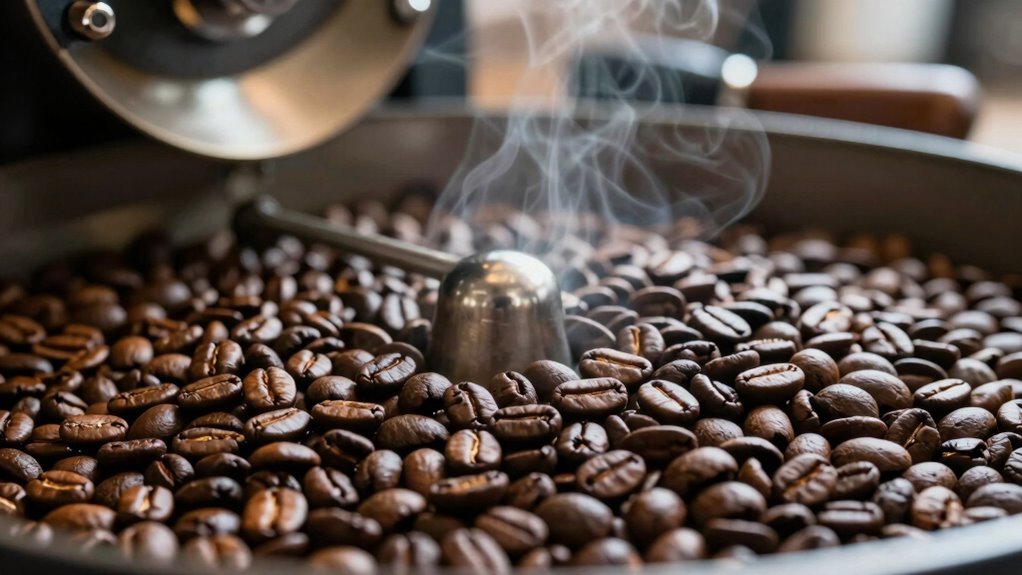
As you explore deeper into the coffee roasting process, understanding the significance of the second crack can help you achieve your desired roast intensity. This stage marks the shift to darker roasts, where beans release oils and develop rich flavors. If you’re aiming for a bold cup, letting the roast go through the second crack is vital, but be cautious; going too far can lead to a bitter taste.
Your bean selection plays an important role, as different varieties react differently during roasting. Experiment with various brewing methods to find the right flavor balance that complements your roast intensity. Remember, it’s all about finding that sweet spot that delivers a satisfying cup every time. Additionally, understanding brewing science can enhance your awareness of how factors like grind size and temperature influence the final flavor.
Evaluating Your Brew: Tasting Techniques and Tips
How can you truly appreciate the nuances of your coffee? By mastering tasting techniques, you’ll uncover the rich tapestry of flavors in your brew. Start by focusing on sensory evaluation to identify tasting notes. Here are some tips to enhance your experience:
Mastering tasting techniques unveils the rich tapestry of flavors in your coffee, allowing for a truly nuanced experience.
- Experiment with different brew methods to see how they affect flavor balance.
- Slurp your coffee to aerate it, revealing hidden flavors.
- Take a moment to savor the aftertaste; it’s just as important as the initial sip.
- Keep a tasting journal to track your impressions and preferences.
Frequently Asked Questions
What Equipment Do I Need for Home Coffee Roasting?
For home coffee roasting, you’ll need a few essential tools. Start with a good quality coffee roaster tailored to your preferred home roasting methods, whether it’s a stovetop, air popper, or dedicated machine. You’ll also want a scale for measuring beans, a thermometer to monitor temperatures, and a cooling tray for quickly stopping the roast. Finally, don’t forget airtight storage containers to keep your freshly roasted coffee beans fresh!
How Long Does the Coffee Roasting Process Take?
Roasting coffee is like watching a supernova ignite! The process typically takes between 10 to 20 minutes, depending on your roasting profiles. During this time, you’ll witness incredible flavor development as the beans transform from green to aromatic brown. Keep an eye on the color and smell; they’re signs of how your roast is progressing. Experiment with different times to find that perfect balance that suits your taste buds!
Can I Roast Coffee Beans in a Regular Oven?
Yes, you can roast coffee beans in a regular oven. Oven roasting allows you to control the temperature, which is essential for flavor development. Preheat your oven, spread the beans evenly on a baking sheet, and keep a close eye on them as they roast. You’ll want to stir occasionally to guarantee even roasting. Just remember, the process can create smoke, so make sure to have proper ventilation while you enjoy the delicious aromas!
What Are Common Mistakes in Coffee Roasting?
When you roast coffee, think of it as crafting a delicate symphony. Common mistakes include ignoring temperature control and rushing the process. Each roasting technique shapes the flavor profiles, and if you’re not attentive, you might end up with burnt beans or underdeveloped flavors. Don’t let impatience steal the melody; allow the beans to dance through their stages. Remember, the right balance creates a harmonious cup that delights your senses.
How Should I Store Roasted Coffee Beans?
To store roasted coffee beans, use ideal containers like airtight glass jars or vacuum-sealed bags. Keep them in a cool, dark place to maintain freshness. Avoid exposing your beans to light, heat, or moisture, as these factors can compromise flavor. For the best taste, use your beans within two weeks of roasting. Remember, proper storage guarantees you enjoy that rich, aromatic coffee experience every time you brew.
Conclusion
In the world of coffee roasting, every stage plays a vital role in crafting that perfect cup. You’ve learned how moisture transforms into aroma and how cracks signal flavor evolution. So, next time you sip your brew, think about the journey those beans took. Isn’t it fascinating how something so simple can hold such complexity? Embrace the process, and you’ll not only appreciate your coffee more, but you’ll also become a part of its rich story.
Fall Picks
fall essentials
As an affiliate, we earn on qualifying purchases.