
If you’re confused about caffeine levels in light versus dark roasts, here’s the simple answer: it’s not just about the roast type. Caffeine content largely depends on the coffee bean variety and brewing method. For instance, robusta beans have more caffeine than arabica, regardless of roast color. Plus, brewing methods like espresso can yield higher caffeine. So, when choosing your coffee, consider flavor and preparation. There’s plenty more to uncover about caffeine myths and coffee choices.
Listen free for 30 days with Audible
Thousands of audiobooks and originals — cancel anytime.
As an affiliate, we earn on qualifying purchases.
Key Takeaways
- Dark roasts do not inherently contain more caffeine than light roasts; it depends on bean type and brewing method.
- Light roasts may have slightly higher caffeine levels due to less roasting, which preserves caffeine content.
- Caffeine content varies significantly based on brewing methods, with espresso being a concentrated source regardless of roast.
- Flavor profiles differ: light roasts are fruity and bright, while dark roasts are bold and rich.
- Understanding these nuances helps make informed coffee choices beyond just caffeine content.
best coffee beans for caffeine content
As an affiliate, we earn on qualifying purchases.
As an affiliate, we earn on qualifying purchases.
What You Should Know About Coffee Caffeine
When it comes to coffee, you might wonder how caffeine content varies between light and dark roasts. Understanding this can be tricky, especially with different coffee origins and brewing methods. While many believe that dark roasts have more caffeine, that’s not entirely accurate. The roasting process affects the beans, but the caffeine content primarily depends on the type of coffee bean and how you brew it. For instance, a robusta bean generally has more caffeine than an arabica, regardless of roast. Brewing methods also play a role; methods like espresso concentrate caffeine, while drip coffee tends to yield lower levels. So, whether you prefer light or dark, remember that preparation and bean type are key to your caffeine fix.
As an affiliate, we earn on qualifying purchases.
How Roasting Affects Coffee Flavor and Caffeine?
Roasting considerably influences both the flavor and caffeine content of coffee, affecting how you experience each cup. As beans roast, they undergo chemical changes that create distinct flavor profiles. Light roasts tend to retain more of the original bean’s characteristics, offering bright, fruity notes. In contrast, dark roasts develop deeper, bolder flavors due to higher roasting temperatures, which often result in a smoky or chocolatey taste.
While caffeine levels can vary slightly, roasting temperatures have a more significant impact on flavor than caffeine content. So, if you’re seeking a specific taste experience, consider how the roast level affects those unique flavor profiles, rather than focusing solely on caffeine. Additionally, coffee gear selection plays a crucial role in achieving optimal flavor extraction. Enjoy exploring the delicious spectrum!
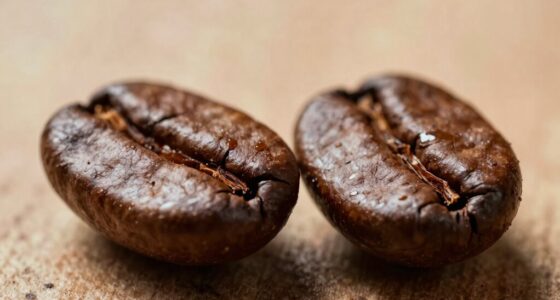
light roast vs dark roast coffee beans
As an affiliate, we earn on qualifying purchases.
As an affiliate, we earn on qualifying purchases.
Caffeine Comparison: Light Roast vs. Dark Roast
While many believe that dark roasts pack more caffeine than light roasts, the truth is a bit more nuanced. The caffeine content varies based on the brewing method, but here’s a quick comparison for you:
| Roast Type | Caffeine Content (mg/8 oz) | Flavor Profile |
|---|---|---|
| Light Roast | 150-180 | Fruity, Bright |
| Medium Roast | 120-150 | Balanced, Mild |
| Dark Roast | 100-130 | Bold, Rich |
| Espresso | 63-75 | Intense, Creamy |
| Cold Brew | 200-300 | Smooth, Strong |
Light roast benefits include higher acidity and a more pronounced flavor, while dark roast profiles often deliver a deeper, smokier taste. Ultimately, it comes down to your preference!
coffee brewing methods for caffeine
As an affiliate, we earn on qualifying purchases.
As an affiliate, we earn on qualifying purchases.
Busting Coffee Caffeine Myths
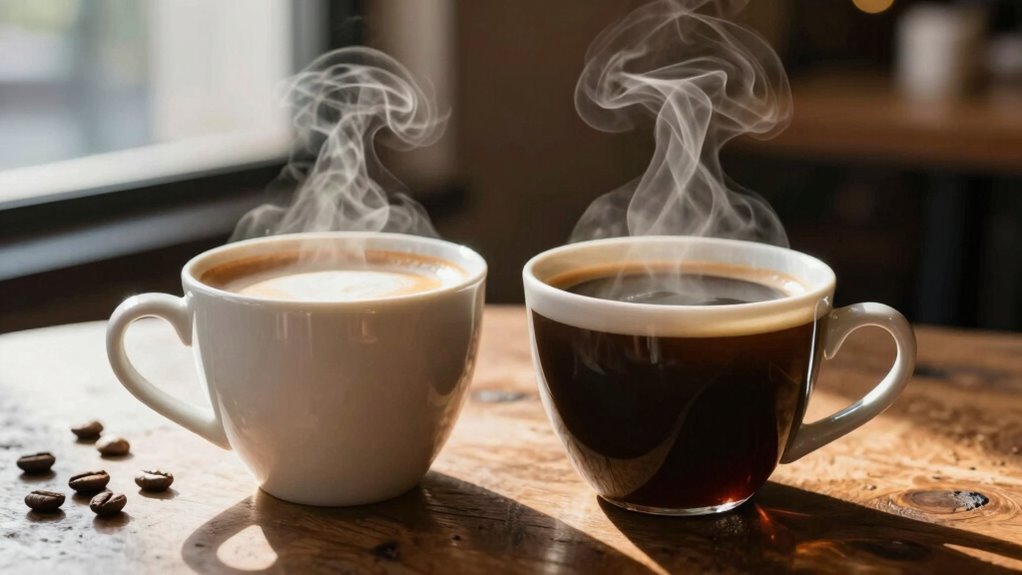
Many coffee drinkers hold misconceptions about caffeine content, believing that darker roasts deliver more caffeine than their lighter counterparts. In reality, the caffeine content in coffee primarily depends on the brewing method and the coffee bean type, not just the roast level. While it’s true that darker roasts can taste bolder, they often have slightly less caffeine due to the roasting process. If you’re looking for strong caffeine sources, pay attention to the brewing methods you choose. For instance, espresso packs a punch in a small serving, regardless of roast. By understanding these coffee misconceptions, you can make smarter choices and enjoy your coffee without falling for myths. Additionally, different brewing methods lead to varying caffeine levels, so don’t let roast levels dictate your caffeine expectations! Understanding how color accuracy affects the overall quality of your coffee experience can also enhance your enjoyment.
How to Choose Your Coffee: Brew Tips
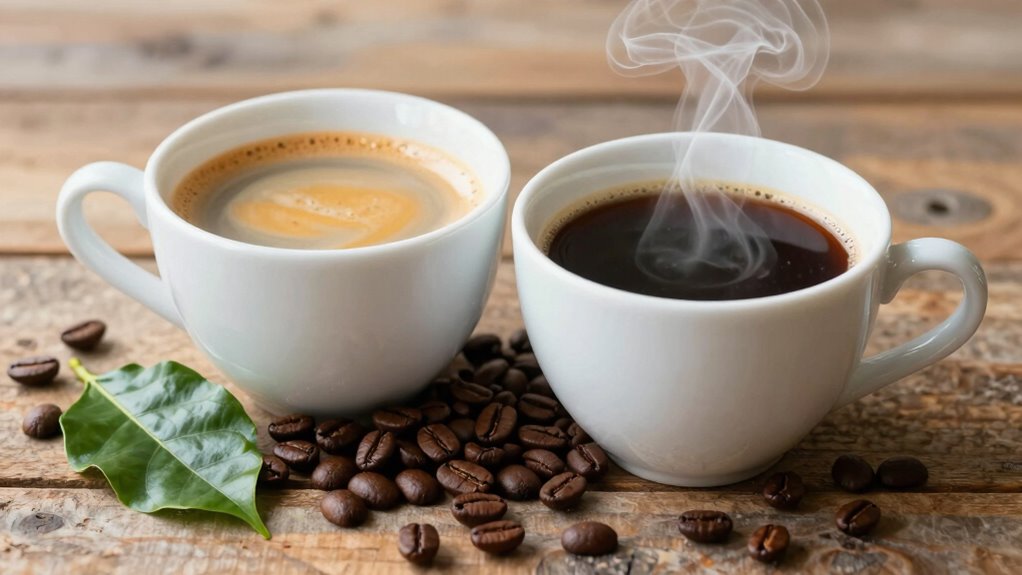
Choosing the right coffee can feel overwhelming, especially with so many options available. Start by considering your preferred brewing methods—whether you like a French press, drip coffee, or espresso. Each method requires a different coffee grind; for instance, coarser grinds work best for French press, while finer grinds suit espresso.
Next, think about your flavor preferences. Light roasts often have fruity, acidic notes, while dark roasts tend to be bold and rich. Experimenting with different beans can help you discover what you love.
Finally, pay attention to freshness. Always buy whole beans and grind them just before brewing for the best flavor. With these tips, you’ll be on your way to brewing the perfect cup of coffee!
Frequently Asked Questions
Does Brewing Method Affect Caffeine Content in Coffee?
Yes, brewing method does affect caffeine content in coffee. Different brewing times and techniques can extract varying amounts of caffeine. For instance, a longer brew time, like in cold brew, often results in higher caffeine levels compared to a quick espresso shot. Additionally, coffee types play a role; robusta beans typically contain more caffeine than arabica. So, your choice of brewing method and coffee type can markedly influence the caffeine you get.
Can Decaf Coffee Still Contain Caffeine?
Yes, decaf coffee can still contain caffeine. Despite common decaf misconceptions, it’s nearly impossible to remove all caffeine during the decaffeination process. Typically, decaf coffee has about 2-5 mg of caffeine per cup, while regular coffee has around 95 mg. So if you’re sensitive to caffeine, it’s good to keep that in mind. Enjoy your decaf, but don’t assume it’s completely caffeine-free! You might still feel a little buzz.
How Does Coffee Grind Size Impact Caffeine Extraction?
Grind size greatly affects caffeine extraction. Finer grinds increase surface area, leading to quicker extraction times, which means you’ll get more caffeine in a shorter brew. Conversely, coarser grinds slow down extraction, resulting in less caffeine. For best results, aim for a grind consistency that matches your brewing method—espresso needs a fine grind, while French press works better with a coarser one. Adjusting grind size can help you control caffeine levels in your cup.
What Role Does Water Temperature Play in Caffeine Release?
You’d think boiling water’s the key to a perfect brew, but it’s not that simple. Water temperature greatly impacts caffeine release, affecting extraction efficiency. Too hot can over-extract bitter compounds, while too cold might leave you with a weak cup. The right temperature balances water chemistry, optimizing caffeine extraction without sacrificing flavor. So, pay attention; it’s not just about the roast, but the way you brew that makes a difference!
Are There Health Benefits to Different Roast Levels?
Yes, there are health benefits tied to different roast levels. Light roast benefits include higher antioxidant levels, which can help reduce inflammation and boost metabolism. On the other hand, dark roast advantages come from its lower acidity, making it easier on your stomach. Additionally, dark roasts may aid in digestion due to certain compounds. Choosing between them depends on your health goals and flavor preferences, so enjoy experimenting with both!
Conclusion
So, you thought dark roast packed more caffeine than light roast? Surprise! It’s all a brew-tiful myth. Both roasts have similar caffeine levels, so don’t let your coffee snob friends fool you. When it comes to caffeine, it’s not about the roast, it’s about the bean! So, sip your coffee with confidence, whether you prefer it light or dark—just don’t forget to enjoy the taste over the caffeine chase! Now go conquer your caffeine conundrums!
NFL season / tailgating Picks
team gear
As an affiliate, we earn on qualifying purchases.