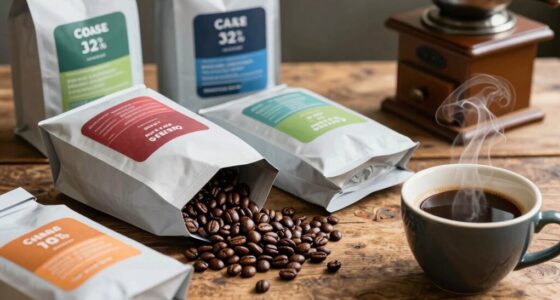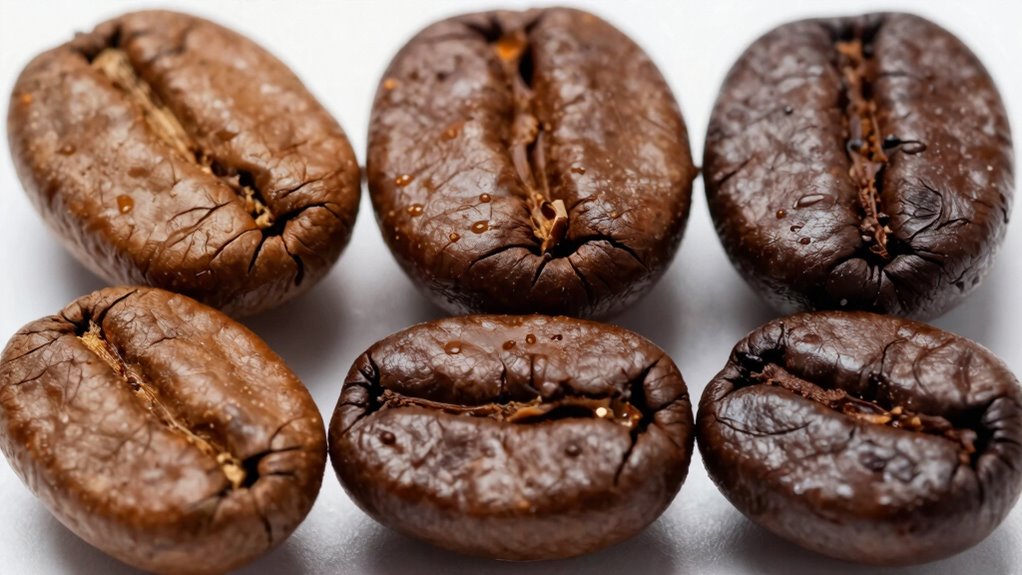

Coffee roast levels really shape your coffee experience. Light roasts bring bright acidity and fruity notes, while medium roasts offer a balanced sweetness with nutty undertones. Dark roasts deliver bold, smoky flavors and intense bitterness. Your brewing method can enhance these characteristics, with light roasts fitting pour-overs and dark roasts being perfect for espresso. Plus, there are myths about roast levels that aren’t true. Stick around to discover more about what each roast can offer you!
Key Takeaways
- Coffee roast levels range from light to dark, affecting flavor, aroma, and overall characteristics of the brew.
- Light roasts feature bright acidity with floral and fruity notes, while dark roasts offer bold, smoky flavors and intense bitterness.
- Brewing methods should match roast levels: pour-over for light, drip for medium, French press for medium-dark, and espresso for dark.
- Common myths include the belief that dark roasts have more caffeine and that light roasts are always sour; personal preference matters most.
- Experimenting with different roasts and brewing techniques enhances flavor appreciation and helps discover individual taste preferences.

Amazon Fresh, Just Bright Whole Bean Coffee Light Roast, 32 Oz
Light roast with a crisp and clean flavor
As an affiliate, we earn on qualifying purchases.
As an affiliate, we earn on qualifying purchases.
What Are Coffee Roast Levels?
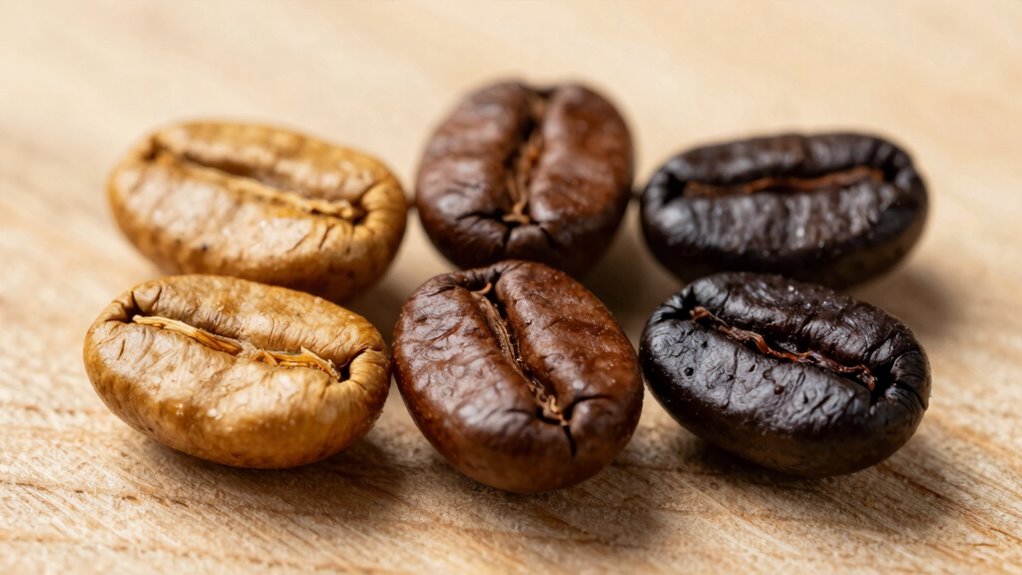
When it comes to coffee, roast levels play a crucial role in defining flavor and aroma. Each roast level, from light to dark, impacts the coffee’s characteristics, influenced by bean types and coffee origins. The roasting process is where flavor development truly begins, as heat transforms the beans, altering roast color and aroma intensity. Freshness factors, like how recently the beans were roasted, also affect your taste perception. Different brewing methods can highlight specific qualities based on the roast level you choose. For instance, a medium roast might shine in a pour-over, while a dark roast could excel in espresso. Ultimately, understanding roast levels helps you select coffee that matches your preferences, enhancing your overall experience.

Lavazza Espresso Whole Bean for Automobili Lamborghini, Dark Roast, Arabica and Robusta Blend, 2.2 lb Bag (Package May Vary)
LAVAZZA ESPRESSO FOR AUTOMOBILI LAMBORGHINI: A 2.2 lb whole bean coffee bag ideal for espresso preparation
As an affiliate, we earn on qualifying purchases.
As an affiliate, we earn on qualifying purchases.
How Roast Levels Affect Aroma and Taste

The roast level of your coffee can dramatically change its aroma and flavor. Light roasts often have bright, fruity notes, while dark roasts deliver bold, smoky flavors. Each level also impacts the aftertaste, leaving you with a unique experience in every cup. Understanding brew methods can help you further appreciate these nuances in flavor.
Aroma Profiles By Roast
Although you might not realize it, the roast level of your coffee greatly influences its aroma and taste. Different roast characteristics create distinct scent profiles, impacting your sensory experience. Light roasts often showcase higher aroma intensity, highlighting the coffee varietals’ inherent floral and fruity notes. As the roast deepens, aroma evolution introduces richer, more complex scents, with medium roasts balancing brightness and sweetness. Dark roasts, on the other hand, reveal bold, smoky aromas, often masking the original flavor complexity. Understanding various roasting techniques helps you appreciate how each level alters aroma and enhances your overall enjoyment. By exploring these nuances, you can discover the perfect roast that aligns with your personal taste preferences.
Flavor Notes By Level
As you explore different coffee roast levels, you’ll notice how each one uniquely shapes flavor notes. Lighter roasts often highlight the coffee’s origins, revealing bright acidity levels and floral or fruity tasting notes, which you can pinpoint on a flavor wheel. Medium roasts offer a balanced profile, blending sweetness with subtle regional differences, while retaining some acidity. Darker roasts, with longer roast durations, bring out bold, rich flavors, often with chocolate or smoky notes, but can mute acidity. Your brewing temperature also plays a role; higher temps can enhance certain characteristics. Using sensory evaluation, you can appreciate how these elements interact, enhancing your overall coffee experience and guiding you in selecting your perfect cup.
Impact On Aftertaste
While exploring coffee roast levels, you’ll notice how each one affects the aftertaste, shaping your overall experience. Lighter roasts often deliver bright, fruity aftertaste profiles with a clean finish, enhancing flavor complexity. As you move to medium roasts, you’ll find balanced bitterness levels and richer lingering notes that engage your palate. Dark roasts, on the other hand, can introduce intense bitterness, dominating the taste perception and leaving a bold, smoky aftertaste. Each roast adds a unique sensory experience, impacting your enjoyment factor. By paying attention to the aftertaste, you’ll appreciate how it can transform your coffee moment, guiding your choices and preferences for future brews.

Peet's Coffee, Medium Roast Ground Coffee, 100% Arabica Coffee – Big Bang 18 Ounce Bag
Contains one (1) 18 Ounce Bag of Peet's Big Bang Ground 100% Arabica Coffee
As an affiliate, we earn on qualifying purchases.
As an affiliate, we earn on qualifying purchases.
Exploring Light Roasts: Unique Flavors and Characteristics
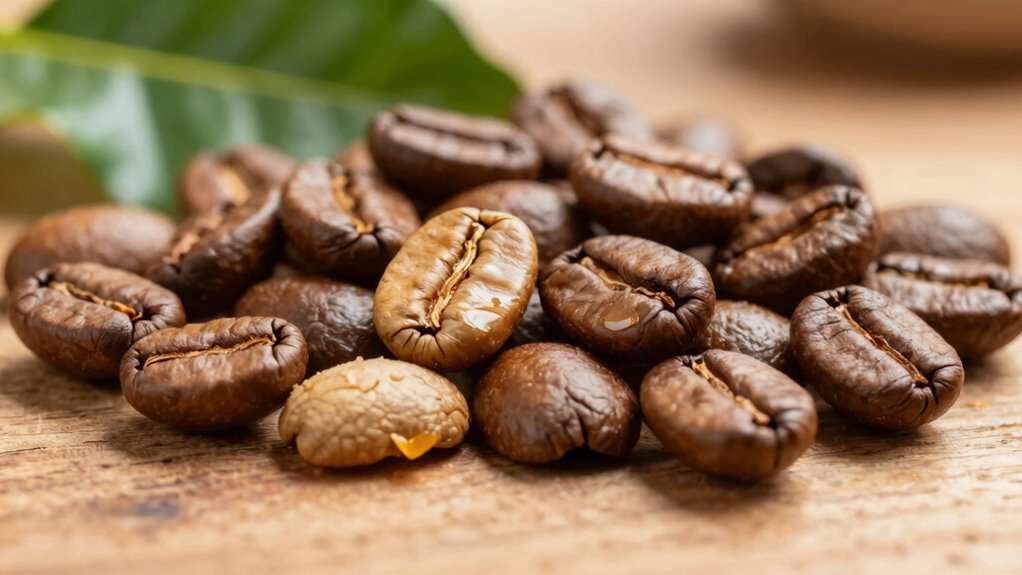
When you explore light roasts, you’ll discover vibrant flavors that showcase the coffee’s origin. Understanding the best brewing techniques can enhance these unique characteristics, making your cup even more enjoyable. Plus, you’ll find popular varieties that highlight the bright and fruity notes light roasts are known for.
Flavor Profile Highlights
Light roasts are a delightful exploration of coffee’s vibrant nuances, showcasing a spectrum of unique flavors and characteristics. You’ll discover a range of tasting notes, from bright citrus to floral undertones, each offering a distinct flavor intensity. The acidity levels are typically higher, providing a lively zing that wakes up your palate. You’ll also notice a sweetness balance that complements these bright flavors, enhancing the overall experience. While body richness may be lighter compared to darker roasts, the regional influences shine through, adding unique profile variations. Remember, the brewing impact can enhance or mute these characteristics, so choose your method wisely to truly appreciate the complexities of light roasts.
Brewing Techniques Best Practices
To fully appreciate the vibrant flavors in light roasts, selecting the right brewing technique is key. Experiment with various brewing methods like pour-over or Aeropress to highlight those unique notes. Focus on extraction techniques that enhance flavor extraction; a coarser grind size often works best. Keep your water temperature around 195-205°F for ideal results. Pay attention to brew time; aim for 2-4 minutes depending on your method. Adjust your coffee ratios to guarantee brew consistency—generally, a 1:15 coffee-to-water ratio is a good starting point. Additionally, different brewing methods lead to varying caffeine levels in coffee and tea, which can influence your overall experience. Understanding strength training fundamentals can also help you master the nuances of brewing, leading to a more satisfying cup. Finally, choose equipment that suits your brewing style, whether it’s a classic drip machine or a manual brewer. These practices will elevate your light roast experience and reveal its true character. Additionally, be mindful of color accuracy in your brewing setup, as it can enhance the overall coffee tasting experience. Understanding kitchen science can also help you master the nuances of brewing, leading to a more satisfying cup. To enhance your process, consider implementing folder structures for organizing your coffee tools and ingredients, ensuring that everything you need is easily accessible.
Popular Light Roast Varieties
Exploring the world of light roast coffees reveals a delightful spectrum of flavors and aromas that can truly transform your morning routine. You’ll discover various light roast varieties, each showcasing unique flavor nuances influenced by their origin. These coffees typically have a light roast color and smaller bean size, resulting in higher acidity levels and vibrant tasting notes, like citrus or floral hints. If you’re keen on freshness factors, always pick freshly roasted beans to enhance those flavors. Depending on your brewing preferences, methods like pour-over or Aeropress can accentuate the caffeine content and delicate nuances. With light roasts, you’ll appreciate the complexity in every cup, making your coffee experience even more enjoyable.

Roasting Bible 2 – The Science of Coffee Roasting (For Intermediate & Advanced Level) (The Roasting Bible (Book 1 and Book 2))
As an affiliate, we earn on qualifying purchases.
As an affiliate, we earn on qualifying purchases.
What to Expect From Medium Roasts: Balanced Flavors and Aroma
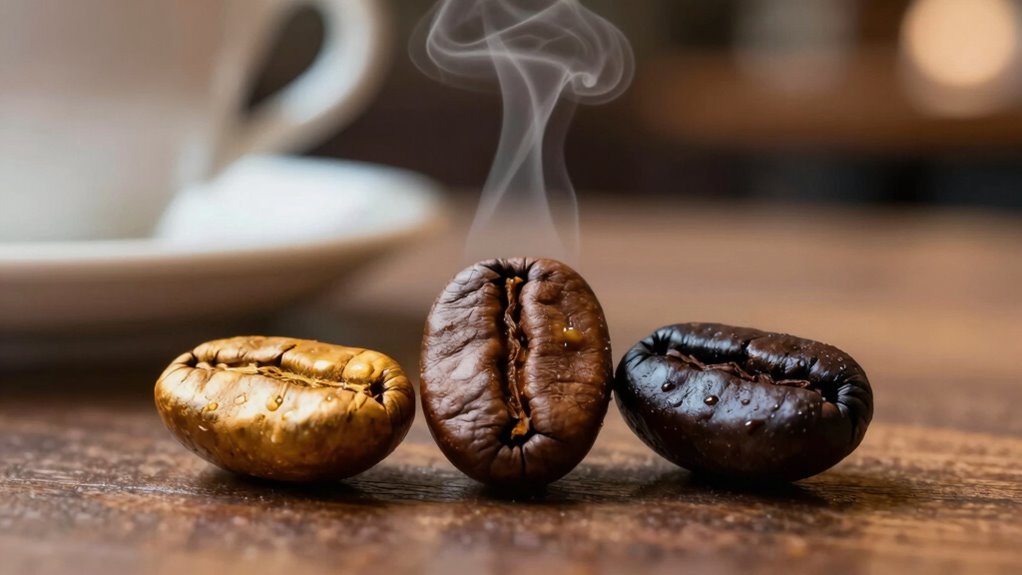
While many coffee enthusiasts debate the merits of light versus dark roasts, medium roasts often stand out for their balanced flavors and inviting aroma. With medium roast characteristics, you’ll discover a delightful harmony between sweetness and acidity. This roast level typically brings out the coffee’s origin notes, allowing you to taste the beans’ unique profiles without overwhelming bitterness. You can expect a rich, smooth cup that’s not too strong yet flavorful enough to satisfy. The aroma is often nutty or chocolatey, making it perfect for those who appreciate a comforting brew. If you’re looking for a versatile coffee experience, medium roasts deliver an excellent flavor balance that suits various preferences and occasions.
Dark Roasts: Bold Flavors and Caffeine
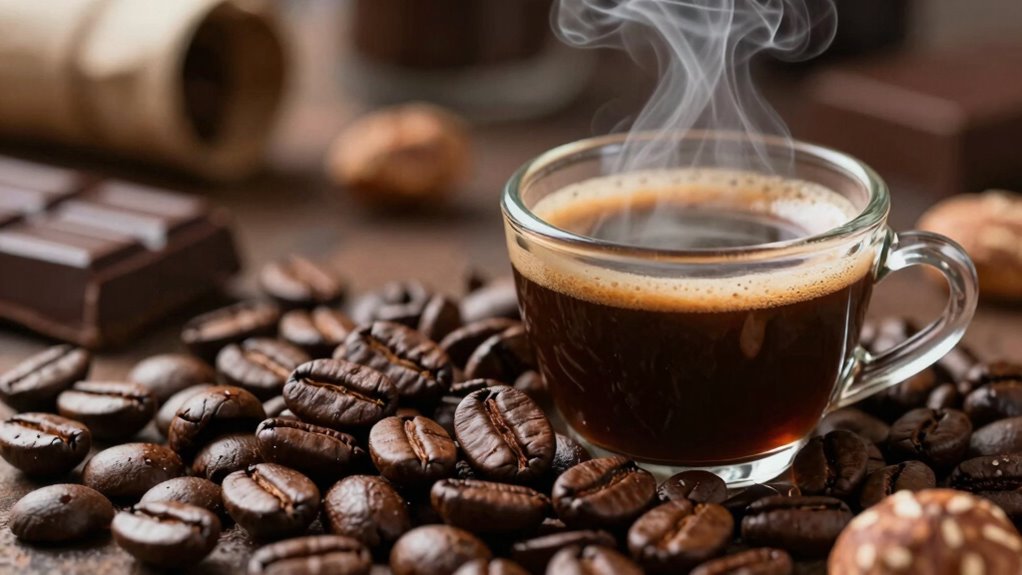
If you’re ready to amp up your coffee experience, dark roasts offer bold flavors and a robust caffeine kick. These brews pack a punch, combining rich bitterness with a deep aroma that’s hard to resist. Here’s what you can expect:
If you’re looking to elevate your coffee game, dark roasts deliver bold flavors and an irresistible aroma.
- Intense Body: Dark roasts have a fuller mouthfeel, giving you that satisfying richness.
- Smoky Notes: You’ll notice those delightful smoky undertones, often reminiscent of dark chocolate.
- Sweet Undertones: Despite their boldness, many dark roasts balance with sweet undertones that round out the flavor.
With their robust flavor and high caffeine content, dark roasts are perfect for those who crave a powerful coffee experience. Enjoy the journey into the depths of flavor that only a dark roast can provide!
Choosing the Right Coffee Roast for Your Brewing Method
Sure! Here’s your revised content with the requested changes:
—
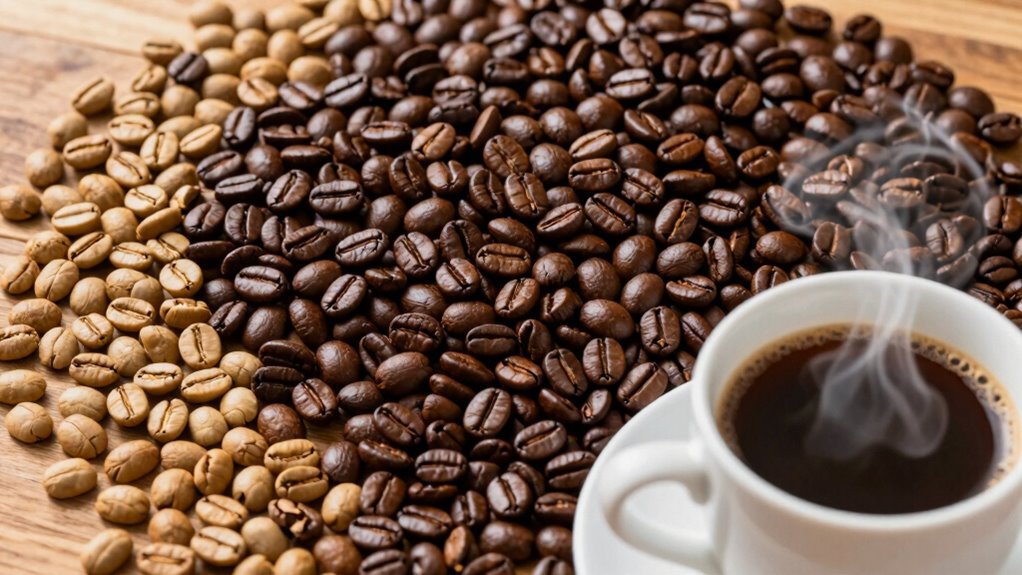
How do you choose the right coffee roast for your brewing method? Your brewing preferences play an essential role in this decision. Different roasts pair well with specific equipment and methods. Consider the grind size, water temperature, and brew time to achieve ideal flavor extraction and taste balance. Additionally, understanding herbal teas can promote relaxation, which may enhance your enjoyment of coffee. Using espresso machines can also help you refine your brewing technique and achieve consistent results. It’s also beneficial to explore wellness technology that can enhance your overall coffee experience. Here’s a quick guide to help you:
| Roast Level | Best Brewing Method | Key Factors |
|---|---|---|
| Light Roast | Pour Over | High brew time, low temp |
| Medium Roast | Drip Coffee | Balanced grind size |
| Medium-Dark | French Press | Longer brew, rich flavors |
| Dark Roast | Espresso | Fine grind, high temp |
| Specialty | Cold Brew | Coarse grind, cold water |
Always prioritize roast freshness and consider coffee origins for the best results. Additionally, understanding smart kitchen gadgets can enhance your coffee brewing experience. Using innovative tools can help you achieve perfect brewing conditions for each roast type.
—
Let me know if you need any more adjustments!
Debunking Myths About Coffee Roasts
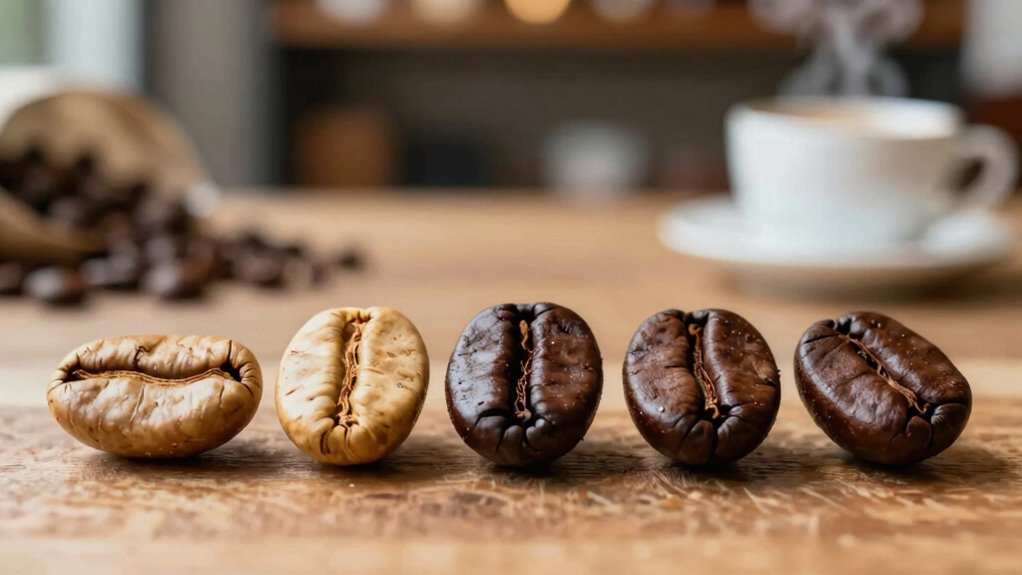
What misconceptions do you have about coffee roasts? Let’s explore some common roast misconceptions through myth busting.
- Dark roasts are stronger: You might think dark roasts pack more caffeine, but that’s not true! Caffeine actually decreases slightly with longer roasting times.
- Light roasts are sour: Many believe light roasts taste bitter or sour, but they can be bright and fruity, showcasing unique flavors.
- Roast level determines quality: The roast doesn’t define the quality of the bean. A high-quality bean can shine at any roast level, depending on your preference.
Tips for Experimenting With Roast Levels

With those myths about coffee roasts cleared up, you’re ready to explore the world of flavors that different roast levels can offer. Start your flavor experimentation by trying various roasts side by side. Take notes on the tasting notes you discover, noting how each roast impacts the flavor profile. Don’t hesitate to make brewing adjustments; different roasts can shine with varying grind sizes or water temperatures. Engage in sensory exploration by pairing each coffee with foods that complement its unique characteristics. As you immerse yourself in roast comparisons, consider your roast preferences and how they evolve. Remember, this journey is all about personal discovery, so embrace each cup and enjoy the process of finding your ideal brew.
Frequently Asked Questions
How Do Roast Levels Impact Caffeine Content in Coffee?
Roast levels can affect caffeine perception, but not as much as you might think. Darker roasts often taste stronger due to flavor intensity, but they actually contain slightly less caffeine than lighter roasts. This roast myth can confuse you, especially with different brewing methods. If you want a caffeine boost, focus on the brew technique and coffee type rather than just the roast level. Enjoy experimenting to find your perfect cup!
Can Roast Levels Affect the Health Benefits of Coffee?
Yes, roast levels can affect the health benefits of coffee. Lighter roasts often retain higher antioxidant levels, while darker roasts may offer richer flavor compounds. The acidity balance also changes with roast levels, influencing how your body reacts. Different brewing methods can amplify these effects, so experimenting with your roast choice and brewing technique can help you maximize both flavor and health benefits. Enjoy finding the perfect balance for your taste!
What Is the Best Roast for Espresso?
For the best espresso, you’ll want a medium to dark roast. Did you know that about 80% of coffee drinkers prefer espresso with bold flavors? These roast profiles bring out rich, sweet, and chocolatey notes, enhancing espresso flavor beautifully. A darker roast can also reduce acidity, making your shots smoother. Experiment with different blends, but aim for those deeper roasts to really elevate your espresso experience!
Are There Regional Preferences for Specific Roast Levels?
Yes, there are definitely regional preferences for specific roast levels, influenced by cultural tastes. For instance, in Italy, you’ll find a strong preference for darker roasts, perfect for espresso. Meanwhile, in places like Scandinavia, lighter roasts are more common, highlighting the coffee’s acidity and fruity notes. These regional trends showcase how cultural influences shape what you enjoy in your cup, reflecting local traditions and flavors.
How Does Storage Affect the Quality of Different Roast Levels?
Storage plays an essential role in keeping your coffee’s essence alive. Think of it as a treasure chest for flavor preservation. Different roast levels react uniquely; lighter roasts crave airtight containers to fend off humidity levels, while darker roasts need protection from light exposure. Temperature control also matters—too hot, and freshness duration shrinks. Choose wisely, and you’ll maintain aroma retention, letting each sip sing with delight long after you’ve brewed it.
Conclusion
In the world of coffee, roast levels are your compass, guiding you through a rich landscape of flavors. Whether you crave the bright, fruity notes of a light roast or the deep, smoky embrace of a dark roast, there’s a perfect cup waiting for you. So grab your favorite brew method, begin your aromatic adventure, and let each sip reveal a new story. Remember, your taste buds are the ultimate judge—trust them to lead the way!