
Choosing the right water filter for your espresso machine is essential for achieving rich flavors. Start by verifying filter compatibility with your machine and guarantee it maintains key minerals like calcium and magnesium while removing impurities. Monitor your water hardness, as it directly affects taste and extraction. Regular maintenance is key to consistent performance, so don’t overlook cleaning schedules and prompt filter replacements. If you want to discover more tips to enhance your espresso experience, there’s plenty more to explore.

Get coffee and tea gear delivered free with Prime
- Fast, free delivery on millions of items
- Prime Video, Amazon Music and more included
- Member-only deals all year
Key Takeaways
- Assess water quality by monitoring essential minerals like calcium and magnesium for optimal espresso flavor extraction.
- Ensure filter compatibility with your specific espresso machine to maintain performance and flavor integrity.
- Choose filters that retain beneficial minerals while effectively removing impurities for the best brewing experience.
- Regularly clean your espresso machine and replace filters every 2-3 months to prevent scale buildup and maintain quality.
- Be aware of water hardness and adjust filtration methods accordingly to avoid flat or overly bitter espresso.
water filter for espresso machine
As an affiliate, we earn on qualifying purchases.
As an affiliate, we earn on qualifying purchases.
Why Water Quality Matters for Espresso
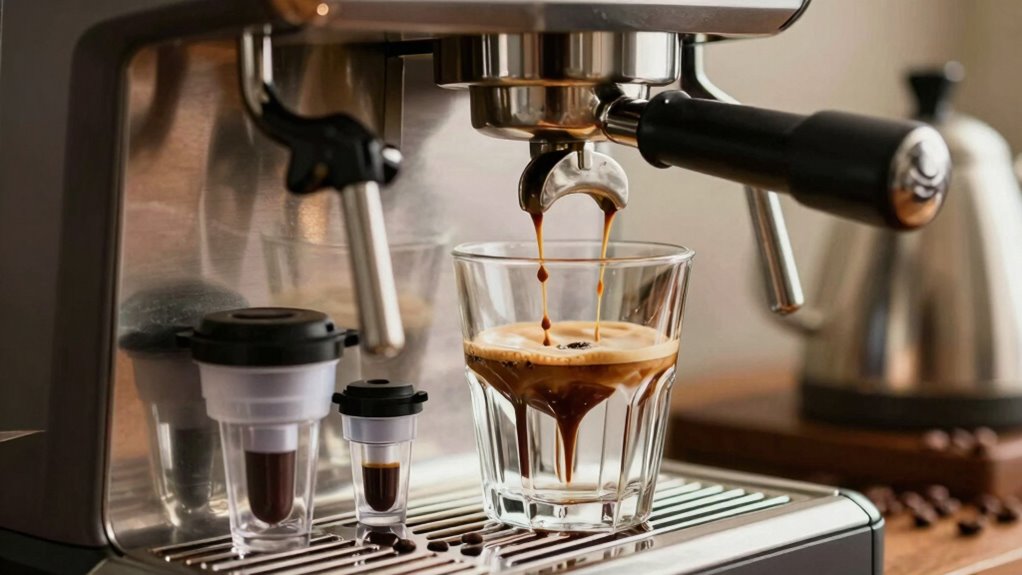
When it comes to brewing the perfect espresso, you might not think about water quality at first, but it plays a crucial role. The water you use directly affects the extraction of flavors from your coffee grounds. When water mineralization is ideal, it enhances the richness and complexity of your espresso. Conversely, poor-quality water can lead to flat or unpleasant flavors. Too many minerals or contaminants can hinder proper flavor extraction, leaving you with a disappointing cup. By choosing a suitable water filter, you can guarantee that your espresso machine uses water that complements your beans. This attention to detail not only improves your drink but also protects your machine, making it a smart choice for any coffee enthusiast.
espresso machine water filter replacement
As an affiliate, we earn on qualifying purchases.
As an affiliate, we earn on qualifying purchases.
Essential Water Minerals for Optimal Espresso Flavor
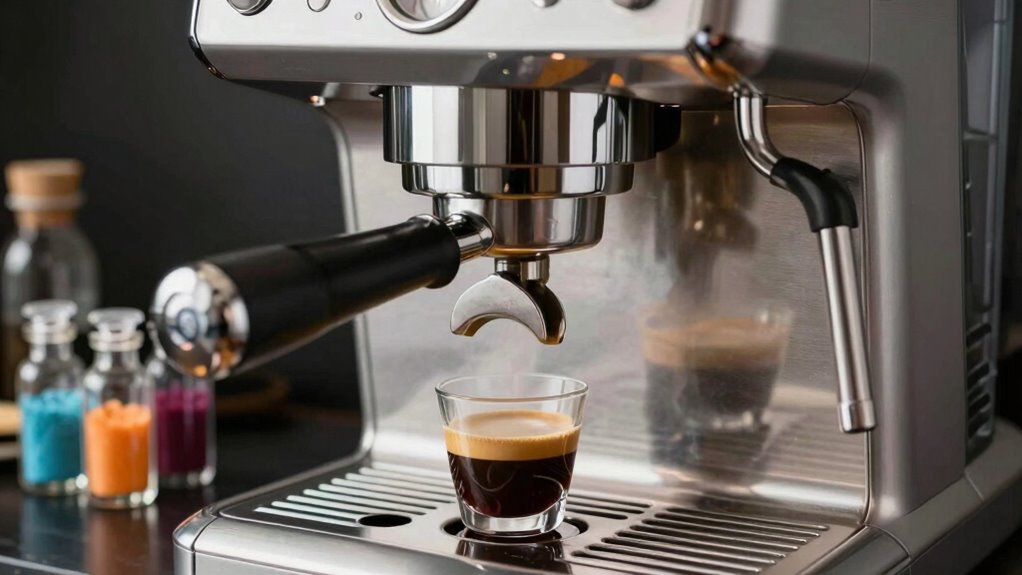
The foundation of a great espresso lies in the essential minerals present in water. Achieving the right mineral balance is vital for enhancing your coffee’s flavor profile. Key minerals like calcium, magnesium, and bicarbonates contribute to the overall taste, body, and mouthfeel of your espresso. Additionally, just as high refresh rates improve the gaming experience, the right mineral levels can significantly elevate the quality of your brew.
| Mineral | Function | Ideal Range (mg/L) |
|---|---|---|
| Calcium | Enhances body and sweetness | 30-70 |
| Magnesium | Balances acidity and bitterness | 10-30 |
| Bicarbonates | Stabilizes pH for extraction | 40-70 |
mineral balancing water filter for coffee
As an affiliate, we earn on qualifying purchases.
As an affiliate, we earn on qualifying purchases.
How to Choose the Right Water Filter for Your Espresso?
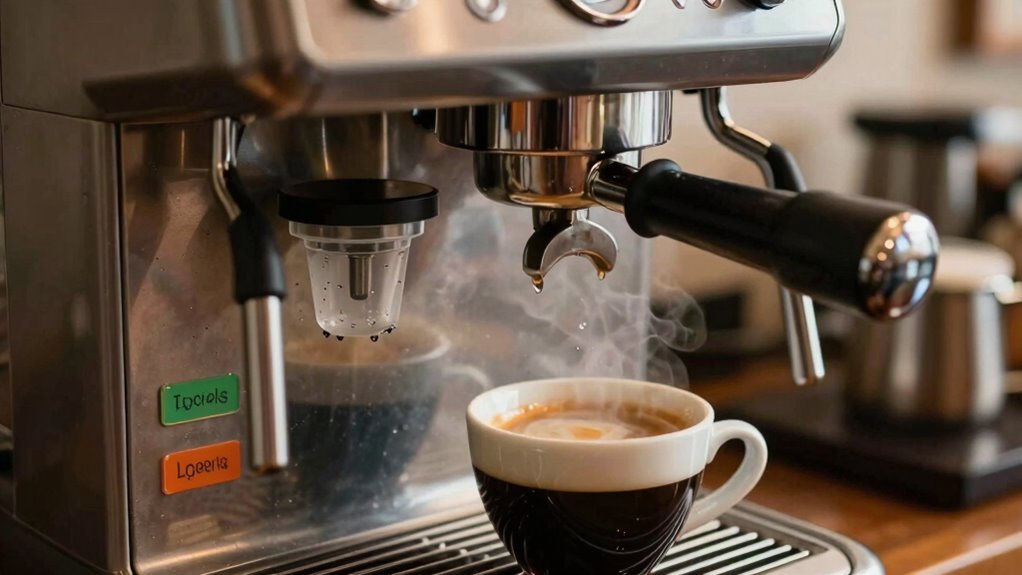
How do you guarantee your espresso machine delivers the best flavor? Start by choosing a water filter that confirms filter compatibility with your machine. Not all filters fit every model, so double-check the specifications before purchasing. Next, focus on the mineral balance in the water. The right filter should maintain essential minerals while removing impurities, creating a perfect brew. Look for filters designed specifically for espresso machines, as they often balance minerals like calcium and magnesium, vital for rich flavor extraction. Additionally, using the right filter can enhance the brewing experience, ensuring your espresso is always top-notch. Moreover, the right water filter can also contribute to environmental sustainability, as it reduces the need for bottled water. Using filtered water that mimics ideal pool water chemistry can improve home comfort by reducing scale buildup in your machine. It’s also important to consider that indoor air quality can be impacted by the materials in your water supply. Finally, consider the filter’s lifespan and maintenance needs to guarantee consistent performance. By paying attention to these factors, you’ll enjoy a smoother, more flavorful espresso every time.
compatible water filters for espresso machines
As an affiliate, we earn on qualifying purchases.
As an affiliate, we earn on qualifying purchases.
Water Hardness and Flavor Impact
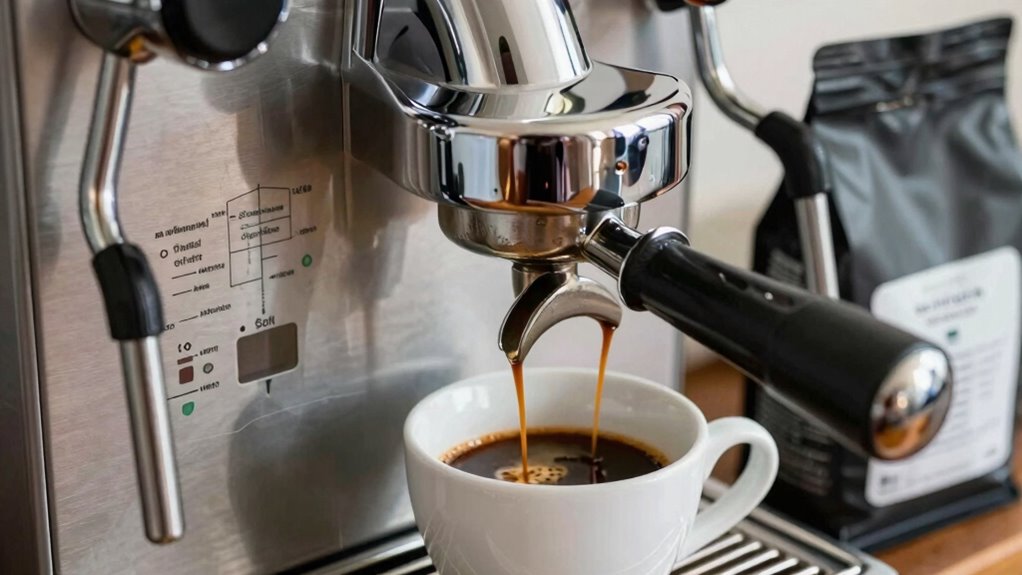
Water hardness plays a significant role in your espresso’s flavor profile. It directly affects the water chemistry, influencing how well your espresso extracts flavors from the coffee grounds. Hard water, rich in minerals like calcium and magnesium, can enhance sweetness and body, but too much can lead to bitterness. On the flip side, soft water lacks essential minerals, resulting in a flat taste. Finding the right mineral balance is essential; you want just enough hardness to extract the best flavors without overpowering them. By selecting a water filter that aligns with your espresso machine’s needs, you can improve your brew’s taste and prevent unwanted scale buildup. Additionally, understanding investment regulations can help you make informed decisions about spending on quality equipment. Remember, the right water makes all the difference in your cup! The best approach includes monitoring filter indicators to ensure optimal water quality for your espresso. Furthermore, using a filter that caters to your water chemistry can significantly enhance the overall flavor and quality of your brew. Additionally, maintaining indoor air quality in your kitchen can also influence your tasting experience by reducing unwanted odors that may affect your perception of flavor. Regularly checking filtration system maintenance can also ensure that your espresso machine operates at peak performance.
Testing Your Water Quality for Espresso Brewing Filters
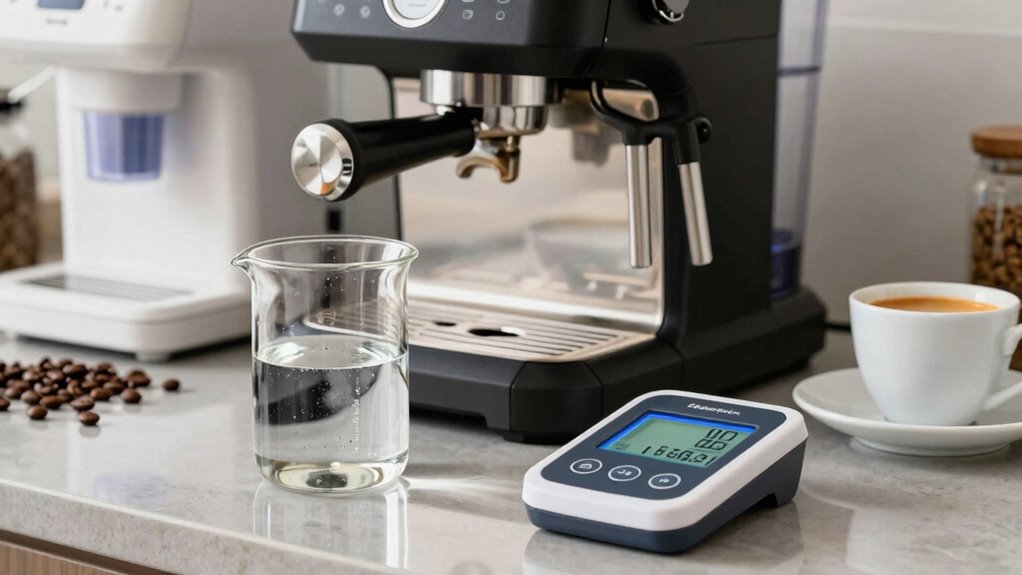
Ever wondered if your water quality is up to par for brewing espresso? Start with water testing to assess hardness, pH, and mineral content. This gives you a clear idea of what you’re working with. If your water’s too hard or contains unwanted impurities, it can ruin your espresso’s flavor and damage your machine. Additionally, using proper filtration methods can greatly improve the overall quality of your brewing water. Smart home technology can also help monitor water quality metrics in real-time for optimal brewing conditions.
Many espresso machines also have specific water hardness recommendations to ensure the best results. For instance, understanding the energy-efficient models available can help you choose a filter that not only maintains water quality but also enhances machine longevity. Next, check for filter compatibility. Not all filters work with every water quality. Choose a filter designed for your specific needs, ensuring it effectively removes harmful elements while preserving essential minerals. By understanding your water quality and selecting the right filter, you’ll enhance your espresso experience and protect your equipment. Take these steps, and you won’t waste coffee or compromise your brews.
Maintenance Tips for Your Espresso Machine and Water Filter
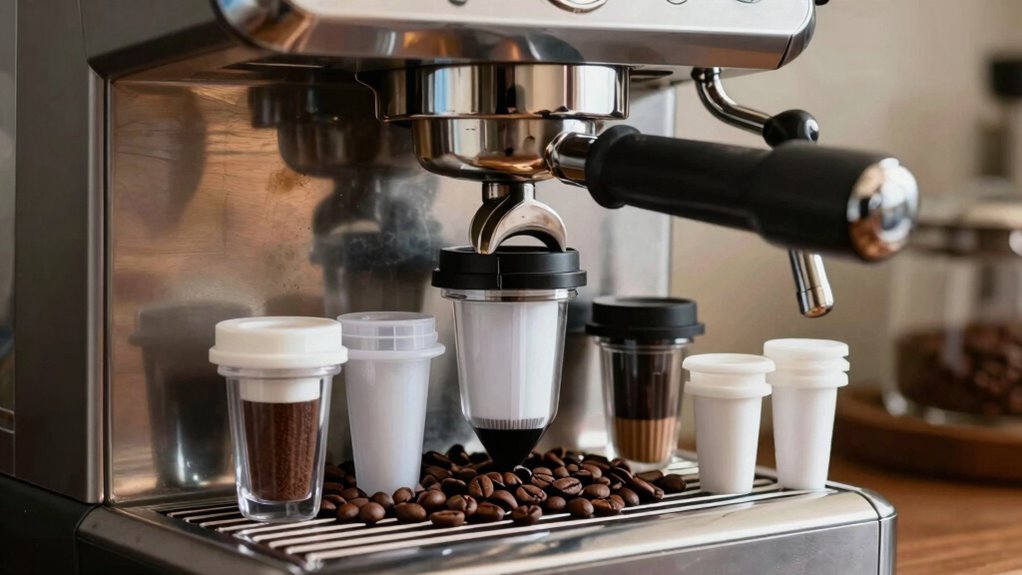
To keep your espresso machine and water filter in top shape, you need a regular cleaning schedule. Don’t forget to monitor your water quality and replace filters promptly to guarantee the best brew. Staying on top of these tasks will enhance your coffee experience and extend your machine’s lifespan. Additionally, using quality water filters can significantly improve the taste of your coffee while protecting your equipment from mineral buildup. Regular maintenance is essential for optimal brewing performance, ensuring that you consistently enjoy café-quality results at home. Furthermore, investing in high-quality bedding can improve your overall sleep quality, which is crucial for coffee lovers who need to stay alert. Using filtered water can also help prevent mineral buildup, which is a common issue in espresso machines that can affect their efficiency. Additionally, maintaining indoor air quality can create a more pleasant environment for brewing and enjoying your coffee.
Regular Cleaning Schedule
While a high-quality water filter can considerably enhance your espresso, neglecting regular cleaning can lead to a decline in performance. To keep your espresso machine and water filter in top shape, follow these maintenance tips:
- Cleaning Frequency: Clean your machine weekly to prevent buildup. Regular cleaning helps eliminate grease detection that can impair functionality. Additionally, airless paint spraying techniques can be applied to efficiently clean hard-to-reach areas. Proper cleaning can also prevent water damage that affects overall appliance performance.
- Filter Types: Replace your filter according to the manufacturer’s recommendations, usually every 2-3 months.
- Descaling: Descale your machine every 3-6 months, depending on water hardness.
- Daily Maintenance: Rinse your portafilter and baskets daily to avoid residue.
Additionally, maintaining your machine can improve efficiency, much like cleaning glass on a wood stove enhances heating performance.
Monitor Water Quality
Monitoring water quality is essential for maintaining the performance of your espresso machine and ensuring a delicious brew. Start by testing your water source regularly to check for contaminants and mineral levels that could affect flavor and machine efficiency. High mineral content can shorten your filter lifespan, requiring more frequent replacements. You should also keep an eye on the taste of your water; any off-flavors can signal issues that might impact your coffee. Consider investing in a water quality test kit for precise readings. By staying proactive about water quality, you’ll not only protect your machine but also enhance the overall coffee experience. Regular monitoring can save you time, money, and wasted coffee in the long run.
Replace Filters Promptly
Neglecting to replace your water filter promptly can lead to poor espresso quality and damage to your machine. To keep your espresso tasting great and your equipment in top shape, follow these tips on filter maintenance:
- Know the filter lifespan: Check the manufacturer’s guidelines for how often to replace your filter.
- Watch for replacement indicators: Some filters have built-in alerts; pay attention to these signals.
- Set a reminder: Use your phone or calendar to remind you when it’s time for a change.
- Inspect regularly: Check for discoloration or unusual smells to gauge the filter’s condition.
Common Mistakes to Avoid When Choosing a Water Filter
When you’re picking a water filter for your espresso machine, you might overlook important water quality standards. It’s critical to guarantee that the filter you choose meets these standards to avoid compromising your brew. Also, don’t forget to check if the filter type is compatible with your machine; using the wrong one can lead to costly mistakes.
Ignoring Water Quality Standards
Although it might seem tempting to choose a water filter based solely on price or brand reputation, overlooking water quality standards can lead to significant issues in your espresso machine’s performance. To guarantee you select the right filter, consider these key aspects:
- Water Source: Know the origin of your water; municipal or well water may have different needs.
- Filtration Technology: Understand if the technology effectively removes impurities like chlorine and minerals.
- Compatibility: Verify the filter suits your espresso machine model.
- Certification: Look for certifications that guarantee compliance with water quality standards.
Choosing Incompatible Filter Types
Choosing the wrong filter type can greatly impact your espresso machine’s performance, so it’s crucial to understand compatibility. Many users overlook brand specifications, opting for generic filters that may not meet your machine’s requirements. This can lead to inadequate filtration and potential damage over time. Always check the manufacturer’s guidelines to verify you’re selecting a filter designed specifically for your espresso machine. Misjudging filter compatibility can result in poor-tasting coffee and even costly repairs. Remember, using the right filter isn’t just about taste; it’s about maintaining your equipment’s longevity. So, take the time to research and invest in a compatible filter to enjoy the best espresso experience without risking your machine’s health.
Expert Recommendations for Top Water Filters for Espresso Machines
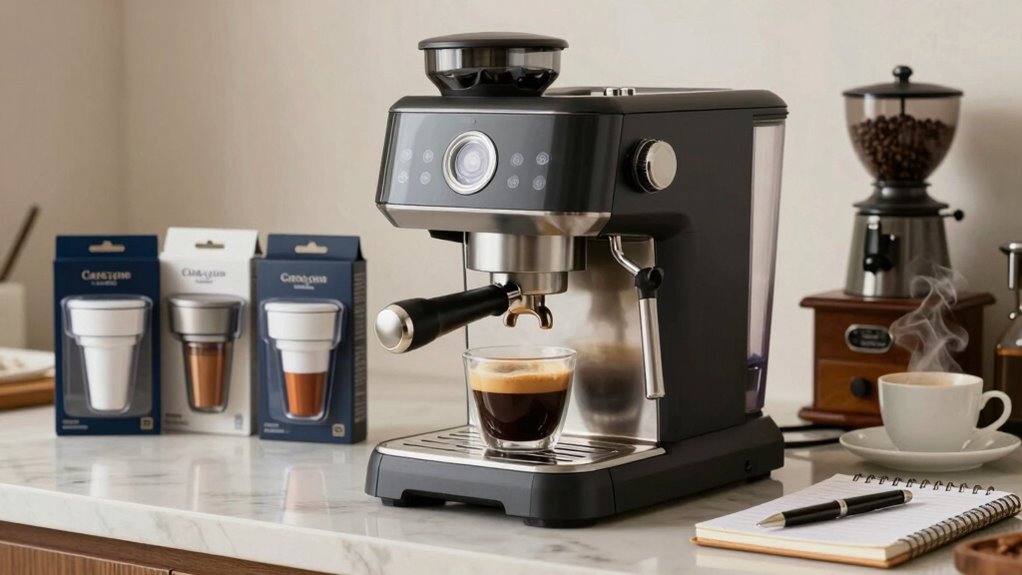
As you explore options for water filters that enhance your espresso experience, it’s vital to contemplate expert recommendations tailored for your machine. Selecting the right filter types guarantees ideal mineral balance, leading to richer flavors and better extraction. Here are four top choices:
- Charcoal Filters: Great for removing impurities while maintaining minerals.
- Reverse Osmosis Systems: Excellent for purifying water, but often require remineralization to balance flavors.
- Ion Exchange Filters: Effective in softening water, reducing scale buildup.
- Inline Filters: Convenient for continuous filtration, guaranteeing consistent quality.
These filters align with your machine’s needs, helping you achieve the perfect cup every time. Make an informed choice to elevate your espresso journey!
Frequently Asked Questions
Can I Use Bottled Water Instead of a Filter?
Yes, you can use bottled water instead of a filter, but there are benefits and drawbacks. Bottled water’s benefits include convenience and consistent mineral content, which can enhance your espresso’s flavor. However, bottled water’s drawbacks include potential plastic contaminants and higher costs over time. Plus, it may lack specific minerals that a filter can provide, affecting your coffee’s taste. Weigh these factors before making your decision.
How Often Should I Replace My Water Filter?
You should replace your water filter every two to three months, depending on usage. Pay attention to your filter lifespan; if you notice a change in water taste or flow rate, it might be time to swap it out sooner. Regular maintenance tips include flushing the filter monthly and keeping an eye on any manufacturer recommendations. Staying proactive guarantees your espresso machine runs smoothly and your coffee tastes great!
What Is the Ideal pH Level for Espresso Water?
For the perfect espresso taste, aim for a pH level between 6.5 and 7.5. Think of it like tuning a musical instrument; even a slight shift can alter the harmony. Water minerals play an essential role here—too acidic or too alkaline, and you’ll end up with a bitter brew or flat flavor. Keep your water balanced, and you’ll reveal the rich, vibrant notes that make your espresso unforgettable.
Are All Water Filters Compatible With Espresso Machines?
Not all water filters are compatible with espresso machines. You need to evaluate filter types—some are designed specifically for espresso, while others may not effectively remove impurities. Compatibility concerns arise when filters don’t fit or work well with your machine’s specifications. Always check your espresso machine’s manual or manufacturer recommendations to guarantee you choose a filter that enhances your coffee without causing issues. Investing in the right filter can make all the difference!
How Do I Know if My Filter Is Working Properly?
To know if your filter’s working properly, keep an eye on performance indicators like water taste and flow rate. If you notice a change in flavor or reduced water pressure, it might be time for filter maintenance. Regularly check for any discoloration or buildup as well. Also, refer to your manufacturer’s guidelines for replacement intervals to guarantee peak performance. Staying proactive will help you enjoy the best espresso every time!
Conclusion
In the world of espresso, the right water filter can make the difference between a bitter brew and a rich, velvety shot. Just as a chef relies on fresh ingredients, you need clean, balanced water to reveal your coffee’s full potential. Don’t let poor water quality sabotage your passion; invest in the right filter. With the perfect blend of minerals and cleanliness, you’ll savor every sip, transforming your daily ritual into a delightful experience.
Halloween Picks
halloween
As an affiliate, we earn on qualifying purchases.