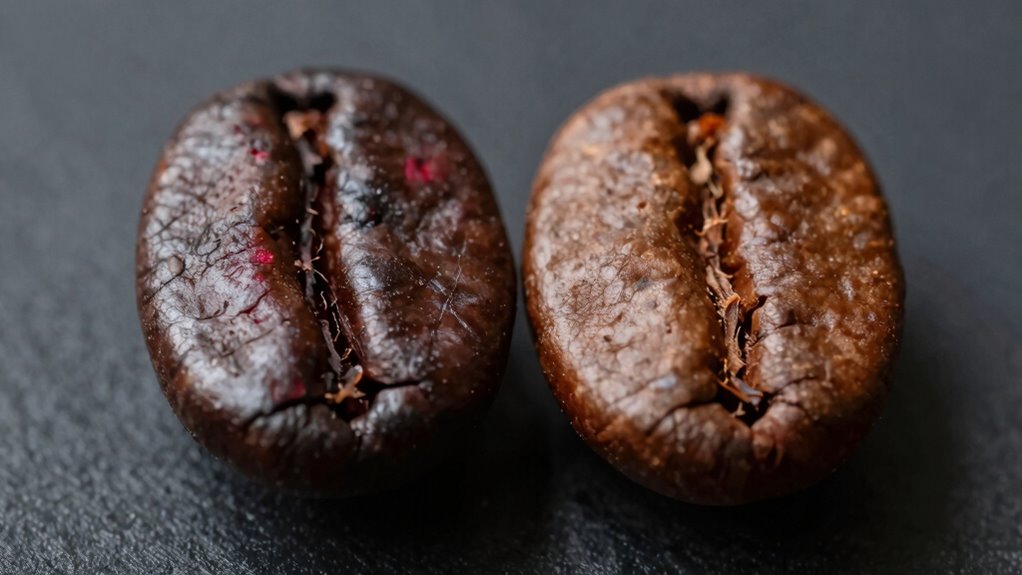

Espresso roasts are darker, oilier, and roasted longer, creating a bold, intense flavor with a fuller body, ideal for espresso-based drinks. Filter roasts are lighter, highlighting brighter, more nuanced flavors and a cleaner taste suited for pour-over or drip brewing. The roast level influences aroma, acidity, and richness, but not caffeine content. To master your perfect cup, understanding these differences is key—and there’s much more to discover afterward.
Key Takeaways
- Espresso roasts are darker, oilier, and roasted longer, emphasizing bold flavors, while filter roasts are lighter, highlighting nuanced, bright notes.
- Roast level impacts flavor, aroma, and body; dark roasts are bolder, while light roasts are more acidic and complex.
- Visual cues: dark roasts have surface oils; light roasts appear dry and tan; aroma varies from subtle to smoky.
- Espresso benefits from dark roast for a rich, full-bodied shot; filter brewing favors medium or lighter roasts to showcase origin flavors.
- Myths persist: darker does not mean stronger or more caffeinated; roast level primarily influences flavor, not caffeine content.
As an affiliate, we earn on qualifying purchases.
What Are the Key Differences Between Espresso and Filter Roasts?
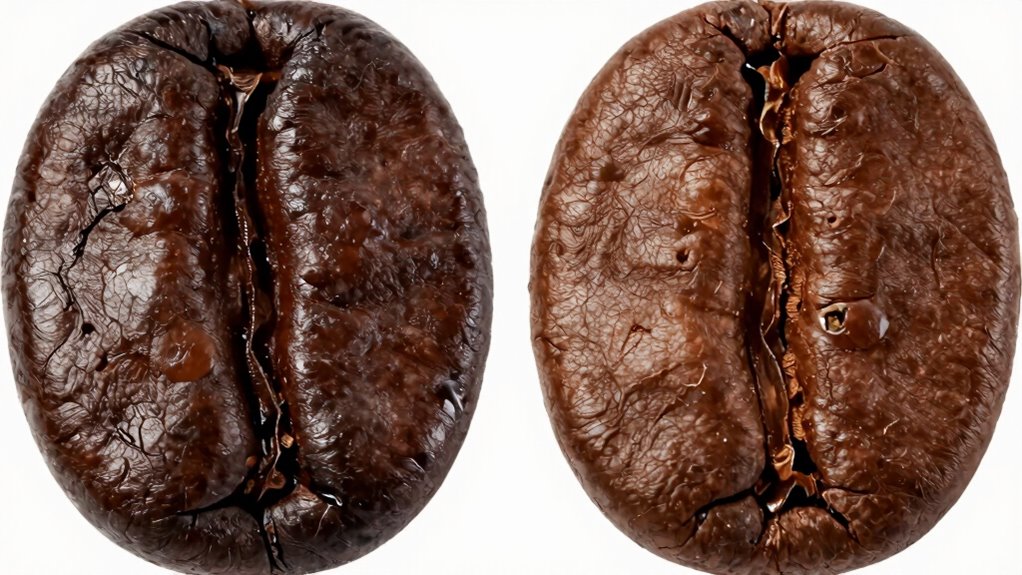
The main differences between espresso and filter roasts lie in how they are roasted and the resulting flavor profiles. Coffee bean origins influence these differences; beans from specific regions may be preferred for each roast type due to unique flavor characteristics. Espresso roasts often use beans roasted longer, resulting in darker, oilier beans that produce a bold, intense flavor. Filter roasts, on the other hand, typically involve lighter roasting to highlight more nuanced, bright flavors. The roasting equipment also varies: espresso roasters are usually specialized drum roasters designed for high heat and quick roasting, while filter roasters often operate at lower temperatures for more control over the process. These equipment differences shape the final roast, impacting taste, aroma, and extraction.
light roast coffee beans for pour-over
As an affiliate, we earn on qualifying purchases.
As an affiliate, we earn on qualifying purchases.
How Does Roast Level Impact Flavor and Body in Coffee?
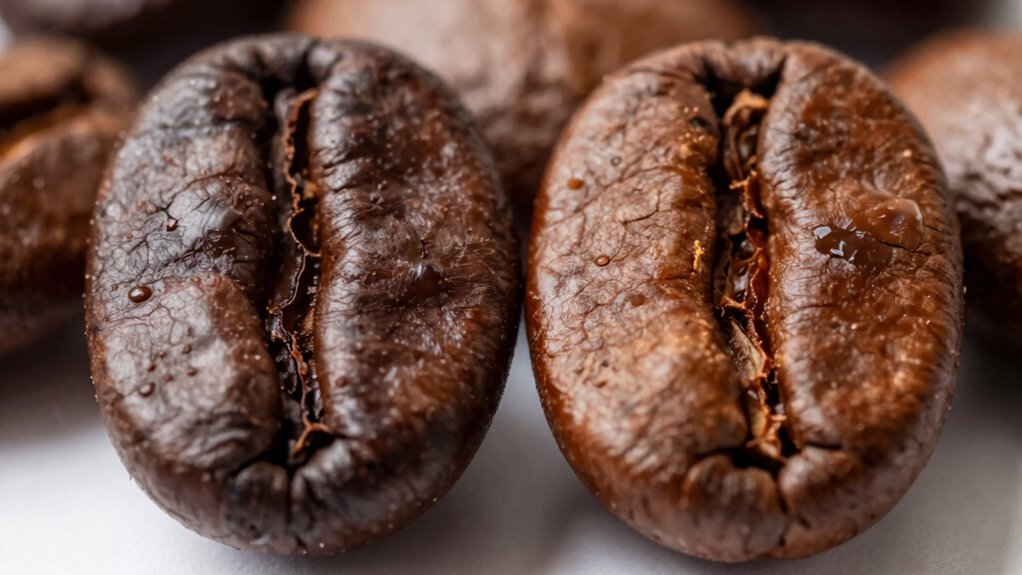
Roast level considerably influences both the flavor and body of your coffee, shaping your overall tasting experience. Lighter roasts tend to highlight bright, nuanced flavors that showcase the bean’s unique characteristics, offering greater flavor complexity. They often have a lighter body, making the coffee feel more delicate and vibrant on the palate. As you move to medium roasts, you’ll notice a balance between brightness and richness, with enhanced body and more developed flavors. Darker roasts, like espresso roasts, create a bolder, more intense profile with increased body richness. The roasted oils and caramelization intensify, adding depth and a slight bitterness that complements the full-bodied feel. Your preferred roast level profoundly impacts how flavors unfold and how substantial the coffee feels in your mouth. Additionally, the contrast ratio of your brewing method can affect the perceived richness and clarity of flavors in your cup. Understanding content formats can also enhance your appreciation of the coffee experience by allowing you to explore different tasting notes and profiles. Moreover, the use of aromatherapy devices can further elevate your coffee experience by complementing the rich aromas of your brew.
Furthermore, embracing creative exploration in your coffee journey can lead to discovering new flavor profiles and brewing methods that enhance your enjoyment.
coffee grinder for espresso beans
As an affiliate, we earn on qualifying purchases.
As an affiliate, we earn on qualifying purchases.
Which Roast Is Best for Your Favorite Brewing Method?
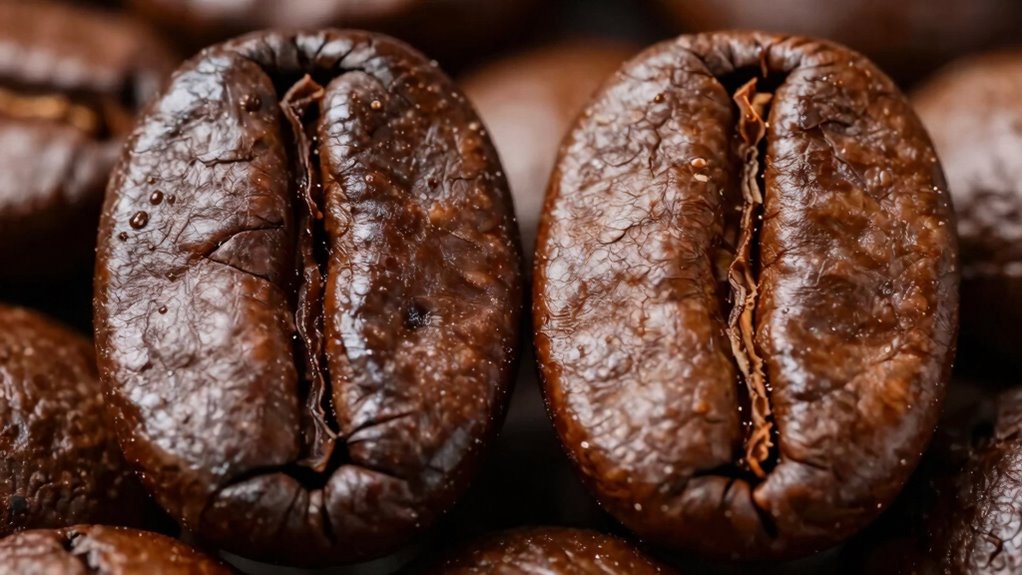
Choosing the right roast for your brewing method can elevate your coffee experience by highlighting its best qualities. For espresso, opt for a darker roast like espresso roast, which complements brewing equipment compatibility by enhancing bold flavors and crema. Filter brewing methods, such as pour-over or drip, benefit from medium roasts that allow the coffee’s origin to shine through, emphasizing unique flavor notes.
| Brewing Method | Roast Level | Coffee Bean Origin |
|---|---|---|
| Espresso | Dark roast | Often from regions like Brazil or Sumatra |
| Pour-over | Medium roast | Highlights beans from Ethiopia or Colombia |
| French press | Medium-dark roast | Suitable for diverse origins, balancing body and brightness |
| AeroPress | Light to medium | Best with beans from Central America |
| Cold brew | Dark or medium | Versatile for various origins |
Matching roast with brewing equipment compatibility and origin ensures maximum flavor.
coffee brewing equipment for filter coffee
As an affiliate, we earn on qualifying purchases.
As an affiliate, we earn on qualifying purchases.
Debunking Common Myths About Roast Types
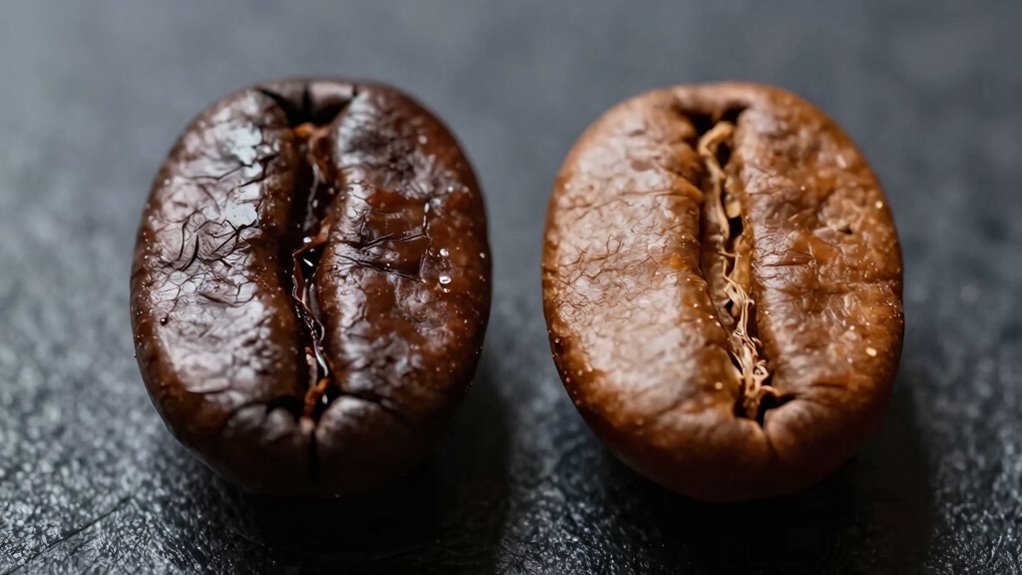
Many misconceptions surround different coffee roast types, leading you to overlook the nuances that truly define each one. Myth busting is essential because roast misconceptions often distort what you expect from a coffee. For example, many believe that darker roasts are inherently stronger or more caffeinated, which isn’t accurate. In reality, roast level influences flavor, acidity, and body, not caffeine content. Another myth is that light roasts are always more acidic or less flavorful, but they can be complex and bright. Understanding these misconceptions helps you make better choices and appreciate each roast’s unique qualities. By debunking common myths, you gain a clearer perspective on what each roast offers—beyond the hype—so you can find the perfect brew for your taste.
How to Match Roast Levels to Your Personal Taste
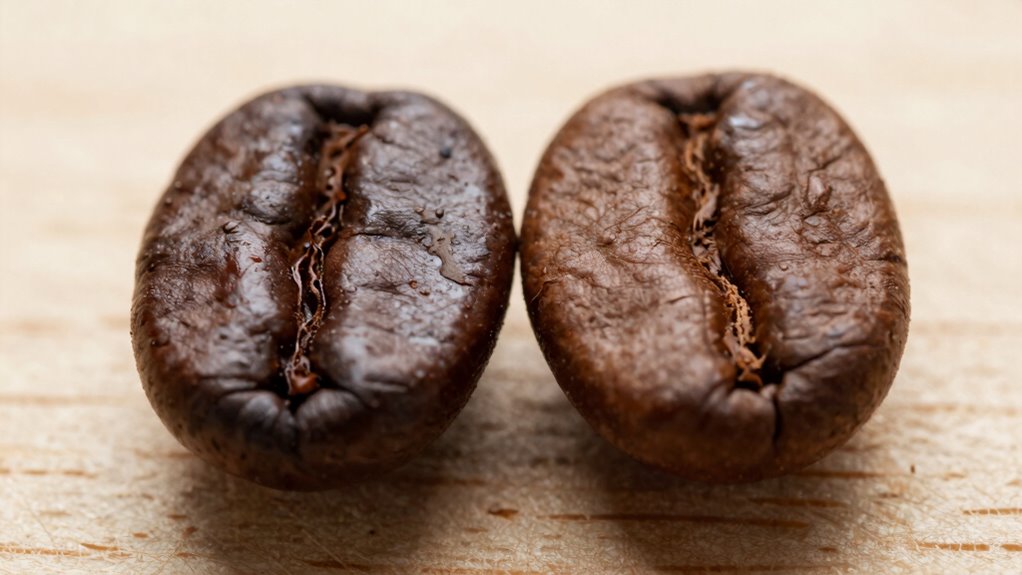
Understanding your personal taste is the key to selecting the perfect coffee roast. Your preferences are shaped by flavor pairing and cultural influences. If you prefer bright, acidic flavors, a lighter roast may suit you. For richer, full-bodied tastes, opt for darker roasts. Consider how your cultural preferences influence your coffee choices—some cultures favor bold roasts, others lighter brews. Use this table to guide your preferences:
| Flavor Profile | Roast Level | Cultural Preference |
|---|---|---|
| Bright, acidic | Light Roast | European, Asian |
| Balanced, sweet | Medium Roast | American, Middle Eastern |
| Bold, smoky | Dark Roast | Italian, Latin American |
| Nutty, caramelized | Medium-Dark Roast | European, African |
| Intense, bitter | Extra Dark Roast | Specialty, niche markets |
Match your taste and cultural influences to find your ideal roast.
How to Recognize Roast Levels When Buying Coffee
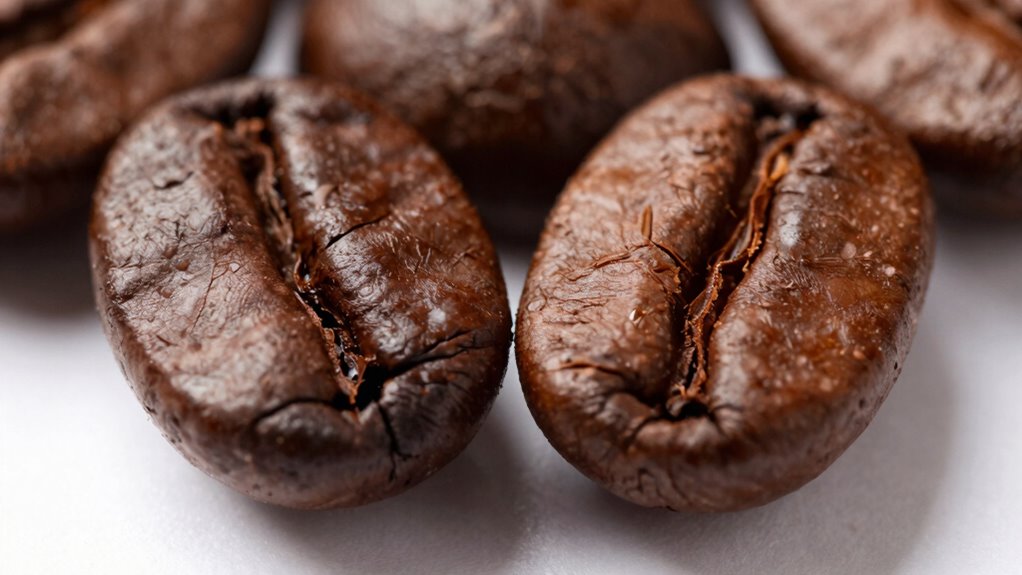
When browsing coffee beans at your local shop or online, recognizing roast levels can seem tricky, but paying attention to visual cues and aroma can make it easier. Roast terminology often indicates the degree of roast, which relates to how long the coffee plant beans are roasted. Lighter roasts tend to be tan and dry, preserving more of the bean’s original flavors. Medium roasts are usually brown with a balanced aroma, while darker roasts are shiny with oil on the surface and have a smoky scent. To identify roast levels, look for:
Recognizing roast levels involves noting color, surface oil, and aroma for better coffee choices.
- Color variation from light tan to dark brown
- Presence of oil on the surface (more common in dark roasts)
- Aroma intensity and notes
- Roast terminology label, such as “light,” “medium,” or “dark” roast. Additionally, understanding how comfort and safety products can enhance your coffee experience might help you choose the perfect brew setup.
Tips for Experimenting to Find Your Perfect Roast
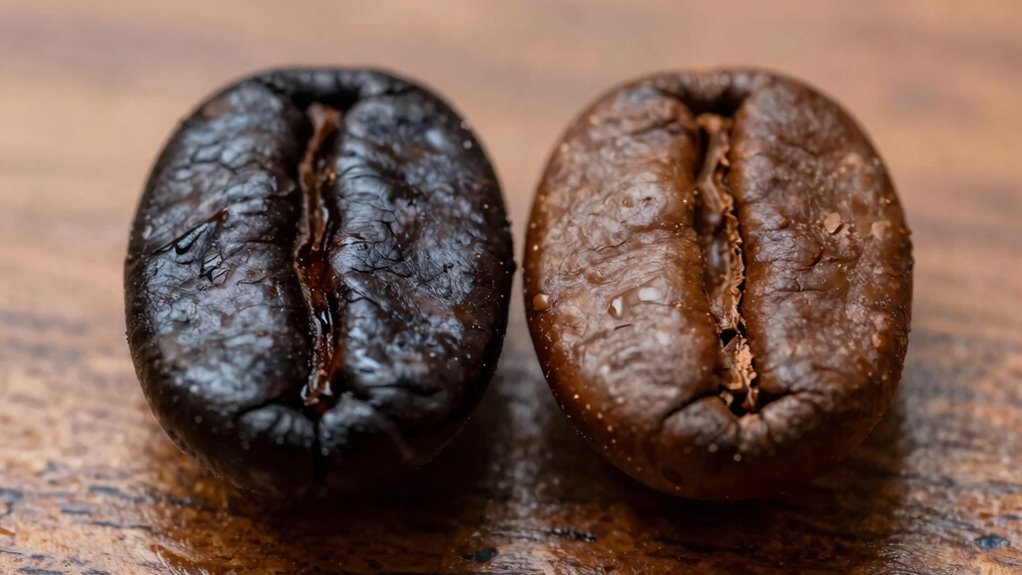
To find your ideal roast, try experimenting with different roast levels and see how they affect flavor. Adjust your brew parameters like grind size and extraction time to fine-tune each cup. Keep detailed tasting notes so you can track what works best and make improvements over time.
Try Different Roast Levels
Experimenting with different roast levels is the best way to discover what truly suits your taste buds. Start by exploring various coffee bean varieties, as each variety responds differently to roasting, revealing unique flavors. Keep in mind roasting equipment considerations; some machines excel at light roasts, while others handle dark roasts better. To find your ideal roast, try these tips:
- Sample a range from light to dark roasts to identify your preferred flavor profile.
- Use freshly roasted beans for prime taste and aroma.
- Take notes on each roast’s characteristics to refine your preferences.
- Experiment with different coffee bean varieties and roasting times to discover new favorites.
This process helps you understand what kind of roast enhances your enjoyment, whether it’s a bright filter roast or a rich espresso.
Adjust Brew Parameters
Adjusting brew parameters is a crucial step in fine-tuning your coffee to match your preferred roast. Start by adjusting the grind size—finer for espresso or coarser for filter methods—to influence extraction. A smaller grind increases surface area, helping you extract more flavor quickly, while a coarser grind slows down extraction, preventing over-extraction and bitterness. Experiment with brew time and water temperature as well; longer extraction can enhance body for filter roasts, while shorter, hotter brews suit espresso. Your goal is to optimize extraction, balancing flavors without overdoing any bitterness or sourness. Small tweaks can make a big difference, so don’t be afraid to adjust these parameters until you find the perfect harmony that highlights the unique qualities of your roast. Understanding brewing science will further enhance your ability to make informed adjustments for the best taste.
Record Your Tasting Notes
Keeping detailed tasting notes is essential as you explore different roasts and brewing variables. Documenting your impressions helps identify your preferred flavor profile and aroma characteristics. When tasting, note the sweetness, acidity, body, and bitterness, along with how the aroma evolves. Use a consistent format to compare results effectively.
- Record specific aroma notes like floral, nutty, or smoky.
- Track flavor nuances such as fruitiness or caramel undertones.
- Note brewing variables like grind size and extraction time.
- Write down your overall impression and how it makes you feel.
This practice sharpens your palate and guides you toward the perfect roast, whether you favor a bright filter brew or a rich, intense espresso. Clear, detailed notes make it easier to refine your approach and enjoy the journey of discovering your ideal coffee.
Frequently Asked Questions
How Does Roast Level Influence the Caffeine Content in Coffee?
Roast level affects caffeine content primarily through caffeine extraction and roast density. Lighter roasts, which have a denser bean structure, tend to retain more caffeine because the roasting process causes less breakdown of caffeine. Darker roasts are less dense and have a more porous structure, leading to slightly lower caffeine levels. So, your choice of roast influences how much caffeine you get, especially depending on brewing methods.
Can Different Roasts Affect the Coffee’s Acidity Levels?
Imagine brewing a light filter roast and a dark espresso roast; you’ll notice the filter roast’s higher acidity. Different roasts affect acidity levels because lighter roasts preserve more of the coffee’s natural flavor profiles, which are often brighter and more acidic. Brewing methods also influence perceived acidity—pour-over highlights it, while espresso tends to mellow it. So, your choice of roast and brewing method shapes the coffee’s acidity experience.
Are Certain Roast Types More Environmentally Sustainable?
Certain roast types are more environmentally sustainable because they often align with eco-friendly practices and sustainable sourcing. Light roasts typically require less energy during roasting, reducing carbon emissions. Choosing coffee from brands that prioritize sustainable sourcing guarantees better environmental impact. By supporting companies that adopt eco-friendly practices, you help promote sustainable agriculture, conserve resources, and reduce waste, making your coffee choices more environmentally responsible regardless of the roast type.
How Do Roasting Techniques Vary Between Espresso and Filter Coffees?
You’ll notice roasting techniques differ for espresso and filter coffees because they aim for distinct flavor profiles suited to their brewing methods. Espresso roasts are typically darker, with a bolder, more intense flavor, while filter roasts are lighter, preserving nuanced flavors. These techniques influence how beans develop, impacting aroma and taste, ensuring each brew complements its intended brewing method for a richer, more satisfying experience.
What Are the Shelf Life Differences for Various Roast Levels?
Like a carefully guarded secret, the shelf life of your coffee varies by roast level. Light roasts preserve flavor longer, especially when stored properly in airtight containers away from light and heat. Dark roasts, akin to fading echoes, tend to lose their freshness faster, so consume them sooner. To maximize flavor preservation, use proper storage methods, regardless of roast, and enjoy your coffee at its peak.
Conclusion
So, now you’re practically a roast connoisseur—ready to impress friends or just finally stop confusing your French press for your espresso machine. Remember, all those hype-filled claims about “best roasts” are just coffee’s way of teasing you. Whether you prefer a bold espresso or a delicate filter brew, trust your palate—and maybe keep experimenting. After all, the only thing better than finding your perfect roast is pretending you knew it all along. Cheers to your caffeinated adventures!