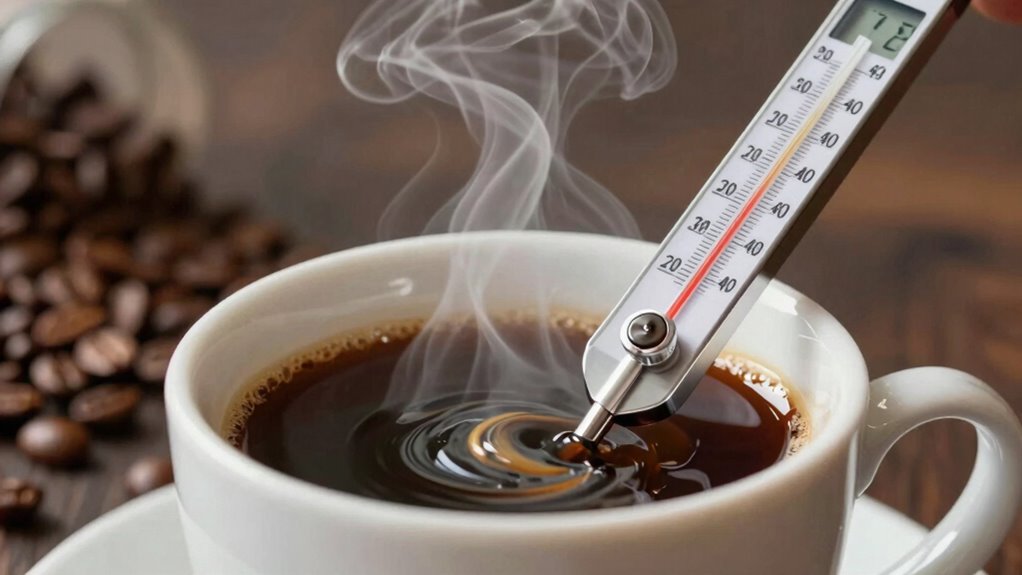

To instantly improve your coffee, aim for a water temperature between 195°F and 205°F. This range optimizes flavor and aroma extraction, helping you avoid bitterness from over-extraction or flatness from under-extraction. Using a thermometer can help you hit that sweet spot, and don’t forget to preheat your equipment! By making small adjustments to your brewing temperature, you’ll enhance your cup considerably. There’s more to discover about perfecting your brew, so keep exploring!
Key Takeaways
- Brew coffee at 195°F to 205°F to optimize flavor extraction and aroma.
- Adjust temperature based on taste: lower for bitterness, higher for sourness.
- Preheat brewing equipment to maintain consistent water temperature throughout the process.
- Monitor extraction time; aim for 4-5 minutes for optimal flavor balance.
- Use a thermometer to ensure accuracy and achieve the desired brewing temperature.
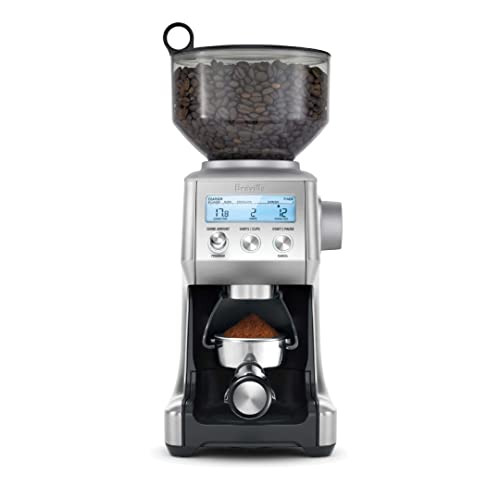
Breville BCG820BSS Smart Grinder Pro for Coffee and Espresso, Brushed Stainless Steel
The Breville Smart Grinder Pro includes 60 unique settings – this programmable conical burr grinder offers a wide...
As an affiliate, we earn on qualifying purchases.
Understanding Water Temperature in Coffee Brewing
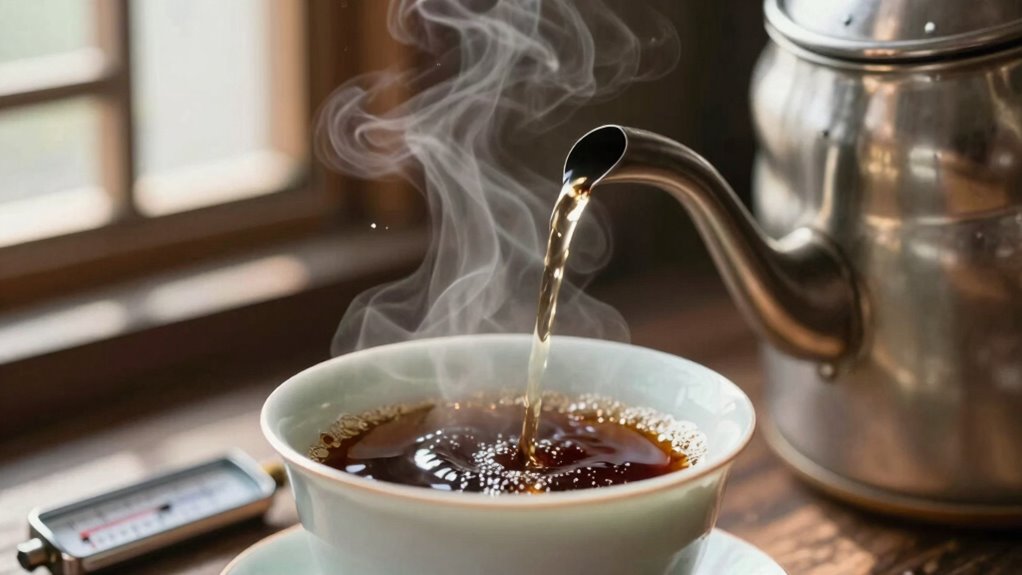
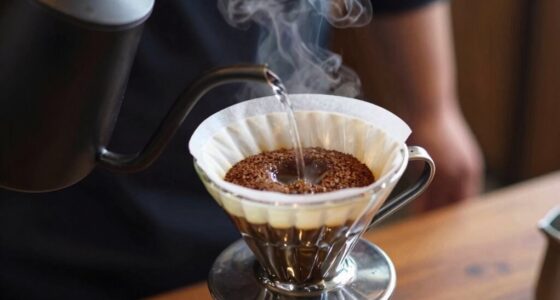
When you brew coffee, the water temperature plays an essential role in extracting flavors effectively. Different brewing techniques require specific temperatures to optimize water chemistry and enhance your cup. For instance, using a pour-over method typically benefits from a slightly higher temperature, while cold brews need much cooler water. The right temperature guarantees that soluble compounds are extracted without drawing out undesirable bitterness. If you’re experimenting with various methods, remember that the temperature can greatly impact acidity and sweetness. So, adjusting your water temperature can lead to a more balanced flavor profile. Understanding these elements will help you master your brewing technique and elevate your coffee experience to new heights.
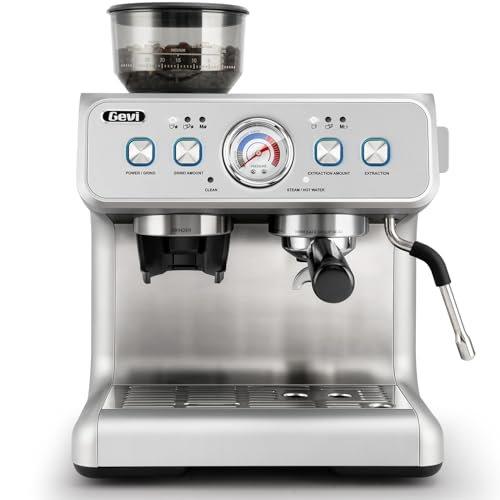
Gevi Dual Boiler Espresso Machine with Built-in Grinder, 58mm Commercial Portafilter, Barista Steam Wand, 31 Grind Settings, Stainless Steel, for Home Barista Use, Sterling Silver
𝐏𝐨𝐰𝐞𝐫𝐟𝐮𝐥 𝐚𝐧𝐝 𝐬𝐭𝐚𝐛𝐥𝐞 𝐏𝐫𝐞𝐬𝐬𝐮𝐫𝐞 𝐒𝐲𝐬𝐭𝐞𝐦 - Gevi espresso machine's high-pressure system expertly manages the flow of water, forcing...
As an affiliate, we earn on qualifying purchases.
What Is the Ideal Temperature for Brewing Coffee?

Finding the ideal temperature for brewing coffee can considerably enhance your experience, as it directly influences flavor extraction. Most experts recommend a brewing temperature between 195°F to 205°F (90°C to 96°C). This range optimizes coffee extraction, allowing the rich flavors and aromas to shine through without over-extracting bitter compounds. Different brewing methods may require slight adjustments; for example, pour-over techniques often benefit from the higher end of this spectrum, while French press might do well at the lower end. By experimenting within this temperature range, you’ll discover the perfect balance for your preferred brewing method. Consistently using the right temperature will elevate your coffee game, ensuring each cup is as enjoyable as possible.

Neretva Espresso Grinder, 2 in 1 Professional Coffee Bean Grinder Stainless Steel Suit 51~58mm Portafilter Burr Coffee Grinder 30 Precise Setting&Anti-Static for Espresso/French Press/Drip/Moka-Silver
PROFESSIONAL CONICAL BURR COFFEE GRINDER- WIth new upgraded 3.0 conical burr grinding technoloy, the coffee grinder ensures that...
As an affiliate, we earn on qualifying purchases.
The Impact of Temperature on Flavor and Aroma
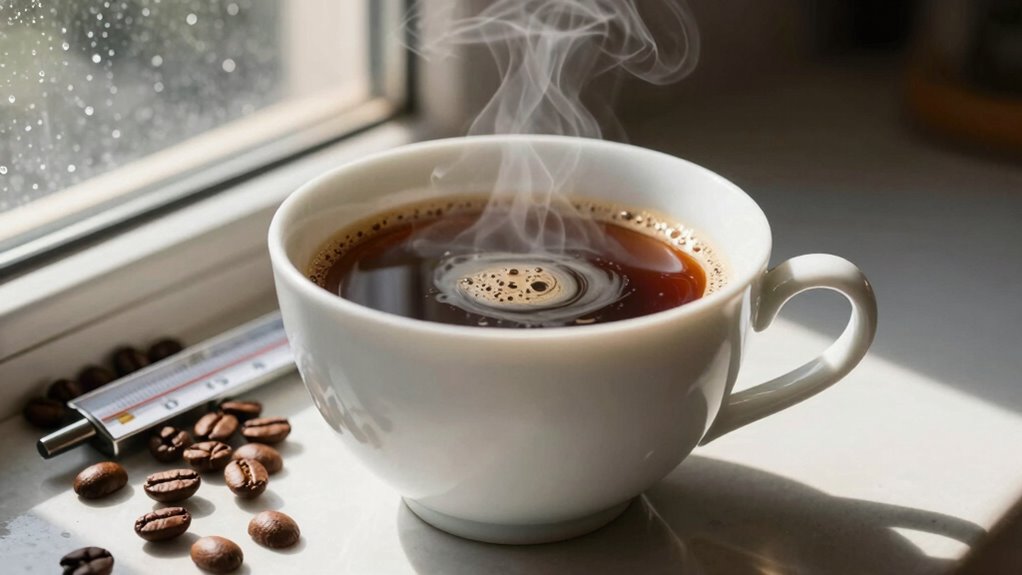
Brewing coffee at the right temperature not only affects extraction but also greatly impacts the flavor and aroma of your cup. Different brewing methods can highlight various flavor profiles, and sticking to an appropriate temperature range helps you reveal the best characteristics of your beans. If the water’s too hot, it can over-extract, leading to bitter notes. Conversely, water that’s too cool may under-extract, resulting in a flat taste. Maintaining the ideal temperature allows aroma compounds to flourish, enhancing your overall experience. By fine-tuning your brewing temperature, you guarantee that every sip showcases the rich flavors and delightful aromas your coffee has to offer. So, pay attention to that temperature—it makes a world of difference!

MOKKOM Professional 64mm Flat Burr Coffee Grinder with 100 Grind Settings, All-Metal Stainless Steel Body, Coffee Bean Grinder with Adjustable Electronic Timer, Anti-Static, LED Display
[64mm Stainless Steel Flat Burrs] As a professional coffee grinder, this machine uses 64mm stainless steel flat burrs...
As an affiliate, we earn on qualifying purchases.
Practical Tips for Perfecting Your Brewing Temperature
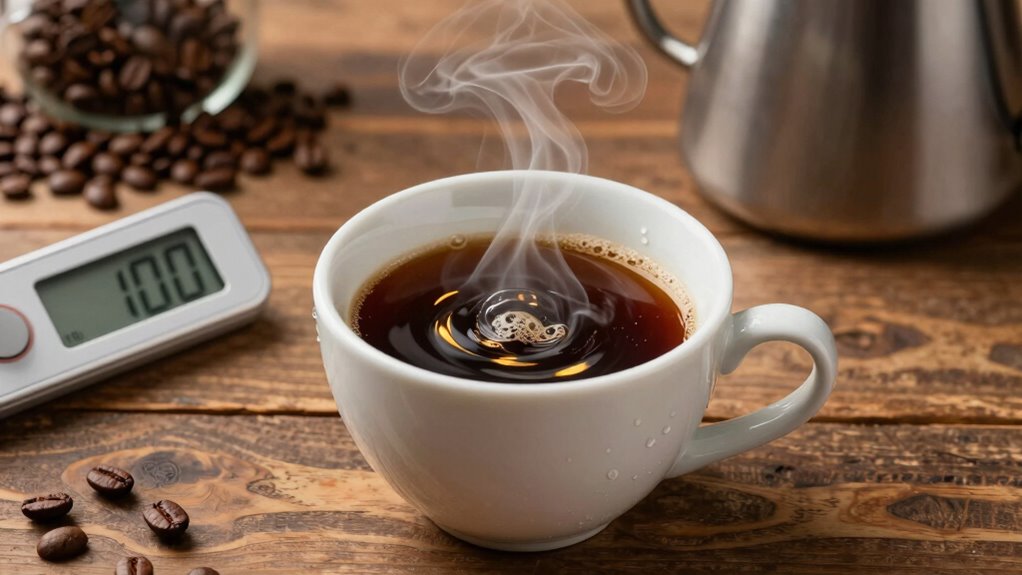
To achieve the perfect brewing temperature for your coffee, start by using a thermometer to monitor your water’s heat. Aim for a temperature between 195°F and 205°F for ideal extraction. If you notice your coffee tastes bitter or sour, consider making temperature adjustments. For instance, if your brew is too bitter, lower the temperature slightly; if it’s sour, try raising it. Experiment with different brewing techniques, like pour-over or French press, to find what works best for you. Always preheat your equipment to maintain consistent temperatures throughout the brewing process. Remember, a small tweak in temperature can greatly enhance your coffee’s flavor profile, so take the time to dial it in! Additionally, understanding the mechanics of French press can provide valuable insights into optimizing your brewing temperature. Using super-automatic espresso machines can also help you achieve precise temperature control for a consistently great cup, ensuring you enjoy café-quality results right at home.
Common Mistakes When Brewing Coffee and How to Avoid Them
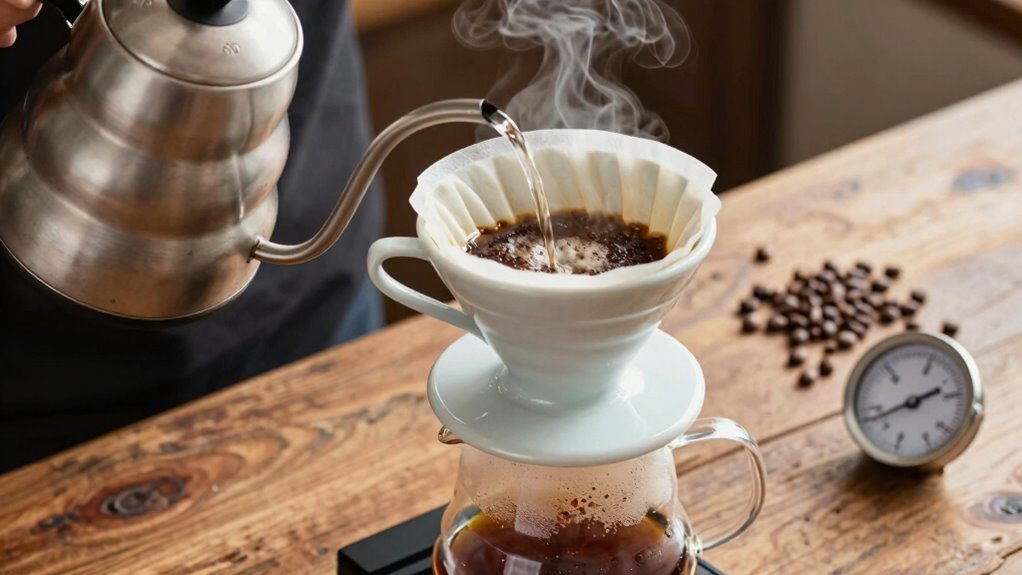
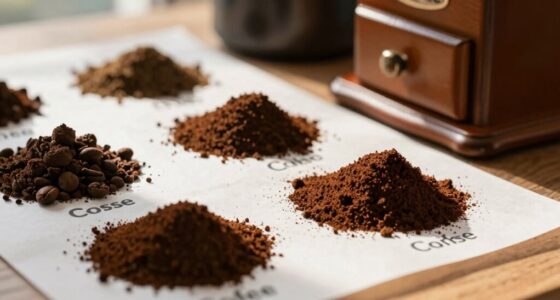
Perfecting your coffee’s brewing temperature is just one piece of the puzzle. Common mistakes can ruin your cup, and understanding them is essential. First, pay attention to your grind size; too coarse or too fine can lead to under-extraction or over-extraction. Aim for a medium grind for most brewing methods. Next, consider your brew time; rushing this process can result in a weak flavor. Use a timer to guarantee you’re brewing for the right duration based on your method—typically around 4-5 minutes for drip coffee. Additionally, cleaning your equipment regularly is crucial, as old coffee oils can affect taste. Moreover, filter maintenance is essential for ensuring that no unwanted flavors compromise your brew. Furthermore, using proper filtration techniques can enhance the clarity and flavor of your brew. Remember, using freshly roasted beans can also significantly elevate your coffee’s overall quality. Including essential oils in your routine can also improve your sensory experience while enjoying coffee. By avoiding these pitfalls, you’ll enjoy a consistently delicious cup every time.
Frequently Asked Questions
Can I Use Cold Water for Brewing Coffee?
Yes, you can use cold water for brewing coffee, especially for cold brew. This method involves steeping coarsely ground coffee in cold water for an extended period, usually 12 to 24 hours. It results in a smooth, less acidic flavor compared to hot brewing methods. However, if you prefer traditional hot coffee, cold water won’t extract the flavors effectively. So, choose your brewing method based on the taste you want!
How Does Altitude Affect Water Temperature for Coffee?
Altitude affects water temperature for coffee because higher elevations lower the boiling point of water. At increased brewing altitude, you’ll find that water boils at a lower temperature, which can impact extraction. This means your coffee might taste under-extracted or weak if you’re not adjusting your brewing method accordingly. To achieve a better cup, you may need to experiment with your water temperature to compensate for the altitude effects.
What Equipment Can Help Measure Water Temperature Accurately?
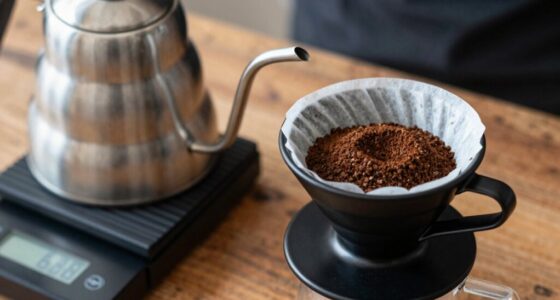
Think of measuring water temperature like solving a delicious puzzle. To nail it, you’ll want a digital thermometer for pinpoint accuracy. An instant read thermometer can give you quick results, helping you avoid any brewing blunders. For even more precision, consider using brewing scales, which can also help control the temperature during the process. With the right equipment, you’ll brew that perfect cup every time, transforming your coffee experience into something extraordinary.
Does Water Hardness Impact Coffee Flavor?
Yes, water hardness definitely impacts coffee flavor. When you use water with the right mineralization, it enhances flavor extraction, bringing out the coffee’s natural notes. Too soft or too hard water can dull your brew, affecting acidity and balance. Ideally, aim for water with moderate hardness to create a well-rounded cup. Experimenting with different mineral levels can help you discover what tastes best to you, elevating your coffee experience.
Is There a Difference in Temperature for Different Coffee Types?
Absolutely, there’s a significant difference in temperature for various coffee types! Brewing methods like French press or espresso thrive at different temps, often between 195°F to 205°F. If you’re experimenting with coffee origins, lighter roasts usually benefit from cooler water, while darker roasts shine at higher temps. Nail this, and your cup could taste like liquid gold! So, adjust your water temp to elevate your coffee experience dramatically!
Conclusion
So, if you think boiling water and coffee grounds make a magical potion, think again! The secret’s in the temperature, folks. Aim for that sweet spot—195°F to 205°F—and watch your coffee transform from bitter sludge to a delightful brew. Sure, you could keep winging it with your trusty kettle, but why settle for mediocrity? Your taste buds deserve better! So, go ahead, be a coffee snob. Your morning cup will thank you!