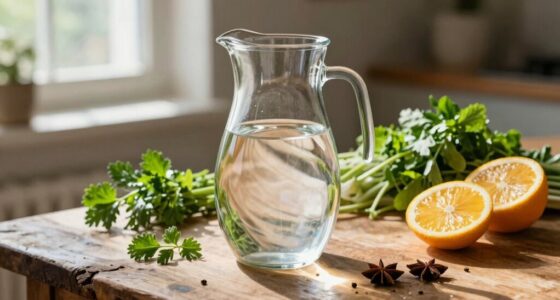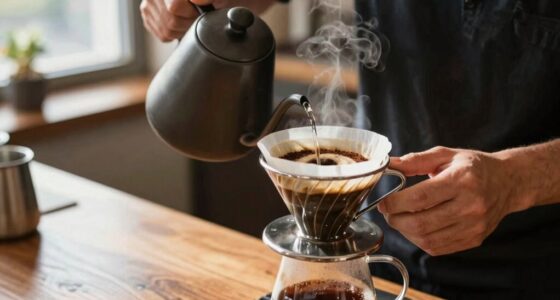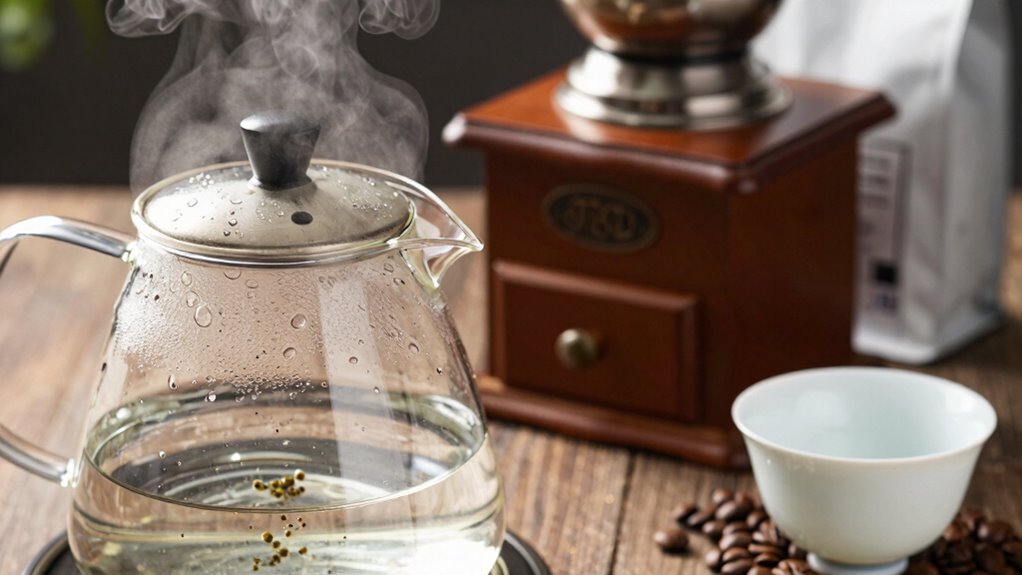

The one mistake that ruins water hardness for your coffee is using untested tap water. This can lead to inconsistent flavors and disappointing brews. Tap water quality varies and might contain contaminants that affect the taste. To avoid this, regularly test your water and know its mineral content. Proper mineral balance enhances sweetness and acidity, making your coffee taste better. Stick around to uncover how you can measure and adjust your water hardness for ideal flavor.
Key Takeaways
- Using untested tap water can introduce contaminants, negatively affecting hardness and flavor; always test your water for optimal brewing conditions.
- Over-relying on bottled water without checking mineral content can lead to unsuitable hardness levels; ensure it falls between 50-175 mg/L calcium carbonate.
- Neglecting regular water testing can result in imbalanced mineral levels, causing under or over-extraction and flat or bitter coffee flavors.
- Failing to adjust water hardness for specific brewing methods may compromise extraction; tailor hardness levels to match your brewing technique for best results.
- Ignoring maintenance of water filtration systems can lead to poor water quality; regularly clean HEPA filters to maintain consistent flavor in your coffee.

Varify Water Hardness Test Kit – Water Testing Kit for Home, Drinking, Well, Spa, Swimming Pool, Softener, Dishwasher & More – Hard Water Test Strips for Calcium, Magnesium etc (0-425 pmm, 150 Strips)
PROTECT YOUR HOME AND WELLNESS: Understand the impact of hard water on your home and health. Hard water…
As an affiliate, we earn on qualifying purchases.
As an affiliate, we earn on qualifying purchases.
Why Water Hardness Matters for Your Coffee
When you brew coffee, the hardness of your water plays an essential role in the final flavor. Understanding water chemistry is important because it affects how the coffee extracts during brewing. Hard water, rich in minerals like calcium and magnesium, can enhance the extraction process, bringing out the coffee’s natural flavors. On the flip side, soft water may lead to under-extraction, resulting in a sour taste. In brewing science, achieving the right balance of minerals is key to revealing the full potential of your beans. By paying attention to water hardness, you can greatly improve your coffee experience, ensuring each cup is rich and satisfying. So, don’t overlook the importance of your water—it’s the foundation of great coffee.

Delonghi 5532110300 Water Test Strip
This Is An O.E.M. Authorized Part
As an affiliate, we earn on qualifying purchases.
As an affiliate, we earn on qualifying purchases.
The Mistake of Using Untested Tap Water
Sure! Here’s the revised content with the requested adjustments:
—
Many coffee enthusiasts unknowingly sabotage their brew by using untested tap water. The quality of your tap water can vary greatly, affecting your coffee’s taste. Without proper testing methods, you might not realize the minerals or contaminants lurking in your water. For optimal flavor, using high-quality water is essential. Additionally, contaminants like microplastics in dust can also affect the overall quality of your brew. To ensure optimal flavor, consider using an air purifier to reduce airborne pollutants that might settle in your water. Maintaining a clean indoor environment is crucial for enhancing your overall air quality, which can indirectly impact your coffee.
Here’s a simple guide to understanding tap water quality:
| Tap Water Quality | Testing Methods |
|---|---|
| Hardness | Test strips |
| pH Level | pH meter |
| Chlorine Levels | Chlorine test kit |
| Total Dissolved Solids | TDS meter |
Before you brew your next cup, consider testing your tap water. It’s a small step that can lead to a much richer coffee experience. Additionally, understanding filtration basics can help you choose the right system to enhance your water quality. Don’t let untested water ruin your perfect brew!
—
Let me know if you need any further adjustments!

KRUPS F47200 Duo Filters Water Filtration System Coffee Makers Compatible with FMF/FME / 629/619 /180/176 / 466 and 467, 2-Pack, White
High quality replacement water filter
As an affiliate, we earn on qualifying purchases.
As an affiliate, we earn on qualifying purchases.
How Hardness Affects Coffee Flavor
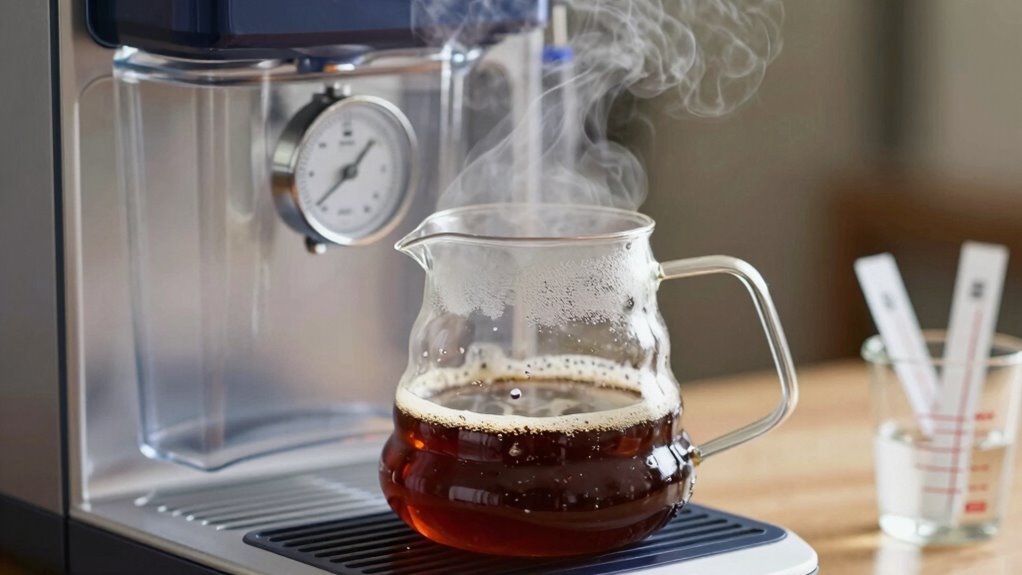
Water hardness plays an essential role in shaping your coffee’s flavor profile. The right balance of minerals can enhance sweetness and acidity, while too much or too little can lead to a flat taste. Understanding this balance helps you brew a cup that truly satisfies. Moreover, the choice of water filtration system can greatly influence the mineral content, impacting your coffee’s overall taste. Additionally, using a smart water tester can help you monitor and adjust the hardness levels for optimal brewing. The use of smart home technology can further streamline your water management process, ensuring you achieve the best results. Proper kitchen ventilation is also crucial, as it helps maintain a comfortable environment while brewing, ensuring that you can focus on achieving the perfect cup. Furthermore, the right contrast ratio in your brewing equipment can enhance the visual appeal of your coffee, making your experience even more enjoyable.
Mineral Balance Importance
While you might not realize it, the balance of minerals in your water plays an essential role in how your coffee tastes. Good water chemistry isn’t just about hardness; it’s about achieving mineral synergy. The right mix of calcium, magnesium, and bicarbonates enhances extraction, leading to a more vibrant flavor. Too much of one mineral can overpower others, throwing off that balance and affecting your brew. For instance, high calcium levels can make your coffee taste flat, while insufficient magnesium might dull its complexity. By understanding the importance of mineral balance, you can fine-tune your water to elevate your coffee experience. Don’t underestimate how these elements work together; they’re vital for crafting that perfect cup.
Flavor Profile Impact
—
Although you might not think about it, the hardness of your water greatly influences the flavor profile of your coffee. Water with the right mineral balance enhances brew strength and brings out the best flavors in your beans. If your water’s too hard, it can mask delicate notes, leading to a muddled taste. Conversely, soft water might not extract enough flavors, resulting in a weak brew. The correct mineral composition in water can also support good health, promoting not just better coffee but overall well-being. Incorporating herbal baths into your routine can further enhance your wellness journey. Additionally, using aromatherapy techniques into your brewing environment can elevate your coffee experience. You want your coffee to have flavor clarity, where every note shines through. By adjusting your water hardness, you can achieve that perfect balance, allowing the richness of your coffee to come alive. Furthermore, using water with the right mineral balance, much like the essential oils for toothache relief, can enhance the overall brewing experience. Remember that carrier oils are essential in maintaining the right components for extracting flavors effectively. So, pay attention to your water’s hardness; it’s a vital step in brewing a cup that truly satisfies your palate.

LAQUAtwin Ca-11 Compact Calcium Ion Meter
Compact Design
As an affiliate, we earn on qualifying purchases.
As an affiliate, we earn on qualifying purchases.
How to Measure and Adjust Water Hardness for Optimal Coffee Flavor
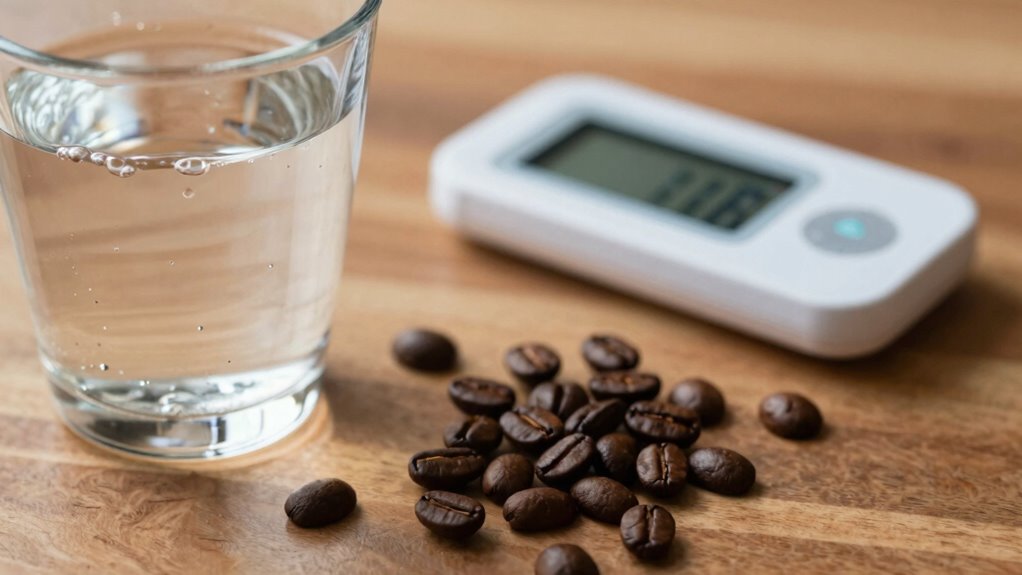
To achieve the best coffee flavor, measuring and adjusting water hardness is essential. Start with water testing using hardness strips; they’re easy to use and provide quick results. Dip a strip into your water sample and compare the color change to the chart provided. This gives you a clear idea of your water’s hardness level.
If it’s too hard, consider using a water softener or blending your water with distilled water to achieve the desired balance. On the other hand, if it’s too soft, you might want to add a pinch of mineral salts to enhance the taste. Regularly checking your water hardness guarantees you’re brewing with the right conditions, ultimately elevating your coffee experience. Understanding brewing science made understandable will further improve your coffee’s flavor profile. Additionally, maintaining optimal mineral balance in your water can enhance the extraction process and overall taste. A proper understanding of caffeine content variations can also guide you in achieving a richer coffee flavor. Furthermore, the right glycolic acid products can help your skin maintain its radiance, enhancing your overall coffee experience. Using water with the right mineral composition is crucial for achieving optimal extraction and flavor in every cup.
Best Water Types and Hardness Levels for Brewing Coffee
Sure! Here’s the revised content following your directions:
—
When brewing coffee, the type of water you use and its hardness level can greatly impact the flavor profile. For the best results, consider using filtered water. It typically has fewer impurities and a balanced mineral content, enhancing your coffee’s taste. Spring water is another great option, as it often contains natural minerals that can elevate your brew’s flavor. Bottled water can work well too, but check the label for its hardness level; you want it to be in the ideal range of 50-175 mg/L of calcium carbonate. Additionally, a proper budget plan for purchasing high-quality water can ensure you consistently brew great coffee. Avoid overly soft or hard water, as they can lead to flat or overly bitter coffee. Choosing the right water type is key to a delicious cup! Additionally, water hardness levels significantly influence extraction efficiency, which is crucial for achieving the desired flavor balance. Using water with the right hardness can also help maintain the integrity of butter’s flavor in coffee recipes that incorporate it. Regular maintenance of your HEPA filters can also improve overall water quality, ensuring a better brewing experience. Understanding the impact of mineral content on flavor can further enhance your coffee brewing techniques.
—
Let me know if you need any more changes!
Adjust Your Water Hardness for Better Coffee
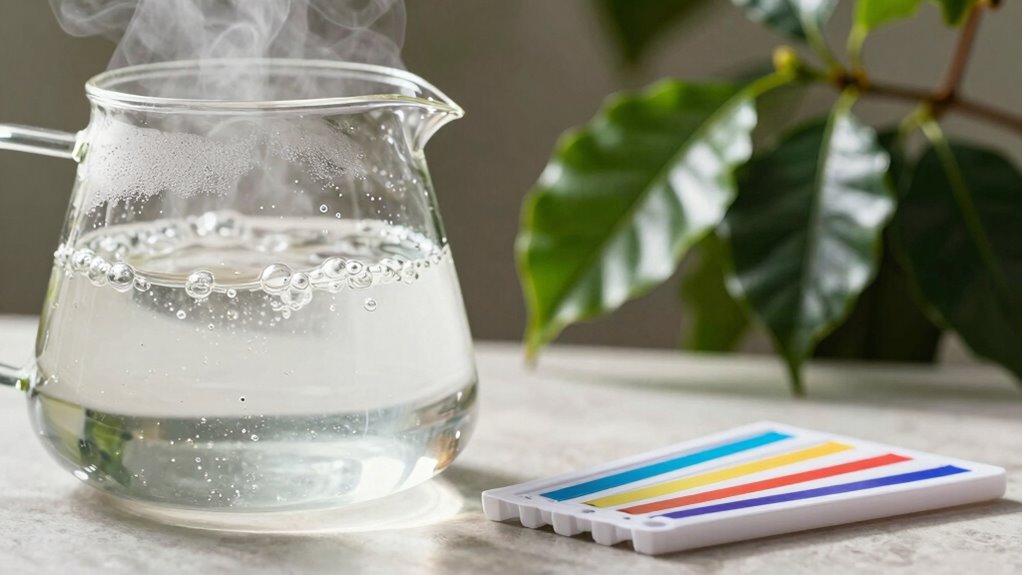
Adjusting your water hardness can greatly elevate your coffee experience, especially since the right mineral balance enhances extraction and flavor. Start by identifying your water sources—tap, filtered, or bottled. Each has different hardness levels that can impact your brew. If your water’s too hard, it can lead to bitter coffee; too soft, and you might miss out on rich flavors.
Experiment with various brewing techniques to find what works best with your adjusted water hardness. For instance, using a French press may require different hardness compared to a pour-over. Don’t hesitate to use water testing kits or filters to achieve your desired balance. Ultimately, the right adjustments will transform your coffee into a delightful experience.
Frequently Asked Questions
Can Water Hardness Affect Espresso Extraction Times?
Yes, water hardness can definitely affect espresso extraction times. If your water’s too hard or too soft, it can throw off your espresso consistency and extraction efficiency. Hard water can lead to faster extractions, while soft water might slow things down. You’ll want to find that sweet spot in hardness to guarantee your espresso tastes balanced and rich. Keeping an eye on your water quality will help you brew the perfect shot every time.
What Minerals Should I Look for in Coffee Water?
If you think any old tap water will do, think again! For high-quality coffee, you need the right mineral balance. Look for calcium and magnesium; they enhance flavor and help with extraction. Avoid overly soft water—it’ll make your brew taste flat. Prioritize water quality; it’s the foundation of your perfect cup. So, next time you fill that kettle, remember: it’s not just water, it’s your coffee’s lifeline!
Does Bottled Water Vary in Hardness Levels?
Yes, bottled water does vary in hardness levels. You’ll find that its composition can change considerably based on the source and brand. Some bottled waters have higher mineral content variations, while others are more balanced. If you’re brewing coffee, you should check the label for details on calcium, magnesium, and sodium levels, as these minerals influence water hardness and can affect your coffee’s flavor. Choosing the right bottled water can enhance your brewing experience.
How Often Should I Test My Water Hardness?
“An ounce of prevention is worth a pound of cure.” You should test your water hardness at least once every three months, or more often if you notice changes in taste or scale buildup. Regular water testing helps guarantee you maintain the right hardness measurement for your coffee. By keeping an eye on your water’s hardness, you can enhance your brewing experience and avoid potential issues down the line.
Can I Use a Water Filter for Coffee Brewing?
Yes, you can definitely use a water filter for coffee brewing! Filter types like activated carbon or reverse osmosis work well to improve water quality. Different brewing methods, such as pour-over or espresso, can benefit from filtered water, enhancing the flavor of your coffee. Just make sure the filter effectively removes impurities while retaining essential minerals. That way, you’ll brew a delicious cup without compromising on water hardness.
Conclusion
So, next time you brew your coffee, remember: using untested tap water might just turn your morning ritual into a bitter experience. It’s ironic how something as simple as water can sabotage your perfect cup. By measuring and adjusting your water hardness, you can *reveal* rich flavors that make every sip a delight. Don’t let your coffee dreams drown in hard water; instead, let them flow like a smooth, perfectly brewed cup awaits you.