
Choosing between natural and washed coffee depends on your taste and brewing routine. Natural processing offers fruity, full-bodied flavors with eco-friendly benefits, making it perfect if you enjoy bold, fruity profiles like pour-over or AeroPress. Washed coffee provides a cleaner, brighter taste that suits drip or espresso brewing. Consider your flavor preferences and sustainability goals to find your best fit. Want to explore more about how these differences can elevate your coffee experience? Keep exploring for insights.

Get coffee and tea gear delivered free — and shop member deals
- Fast, free delivery on millions of items
- Access to Prime Big Deal Days deals on October 6–7
- Prime Video, Amazon Music and more included
Key Takeaways
- Natural coffee offers fruity, full-bodied flavors ideal for brewing methods like pour-over and AeroPress.
- Washed coffee provides cleaner, brighter taste profiles suited for drip and espresso brewing.
- Choose natural processing if you prefer bold, wine-like flavors; opt for washed for clarity and crispness.
- Natural processing is more eco-friendly, while washed requires more resources but yields consistent quality.
- Match brewing methods to the coffee’s processing to enhance its unique flavor characteristics.
As an affiliate, we earn on qualifying purchases.
Natural vs. Washed Coffee: What’s the Difference?
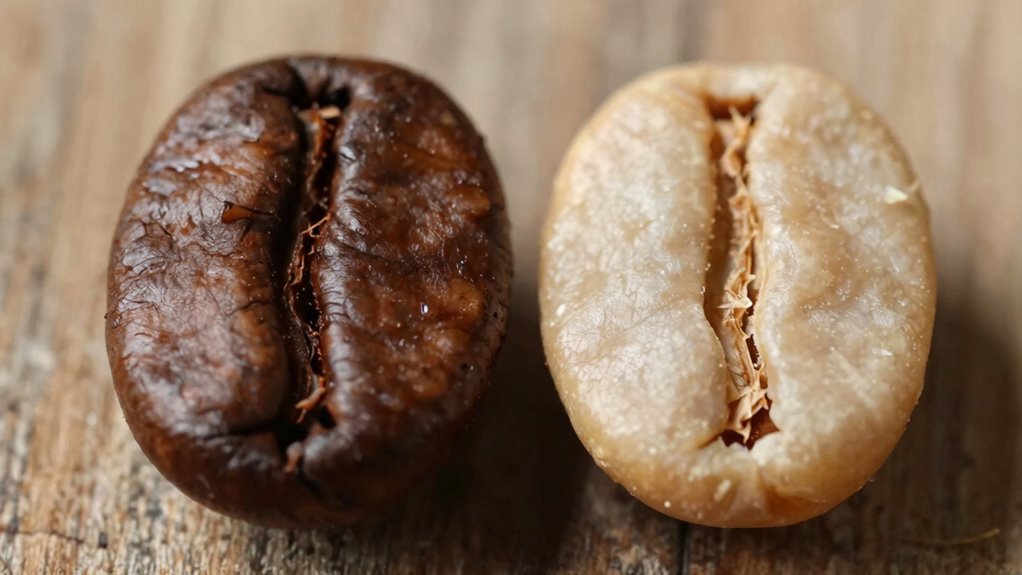
When it comes to coffee processing methods, understanding the difference between natural and washed coffees is essential. In coffee cultivation, natural processing involves drying the cherries whole, which emphasizes the fruit’s flavor and reduces water use, aligning with sustainability practices. Washed coffee, on the other hand, removes the fruit’s outer layers before drying, resulting in a cleaner, brighter taste. Natural processing often requires less water and energy, making it more eco-friendly if managed properly. Conversely, washed methods demand more resources but can produce more consistent quality. Your choice impacts not only flavor but also environmental impact. By understanding these differences, you can select coffee options that align with your values and preferences for sustainable and flavorful coffee experiences. Additionally, exploring emerging trends in digital publishing can provide insights into how these processing methods are being communicated and marketed to consumers.
As an affiliate, we earn on qualifying purchases.
How Processing Methods Influence Coffee Flavor
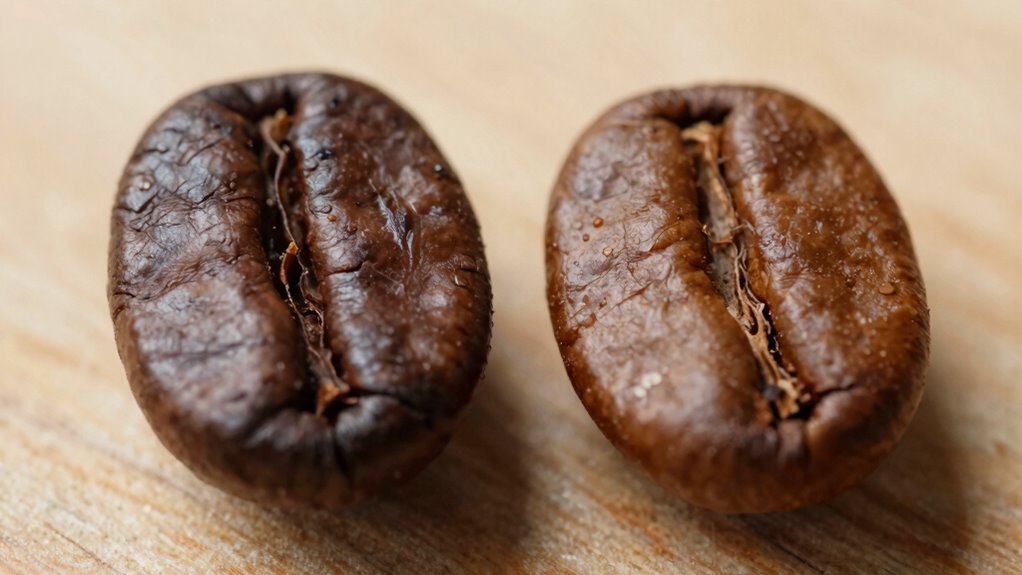
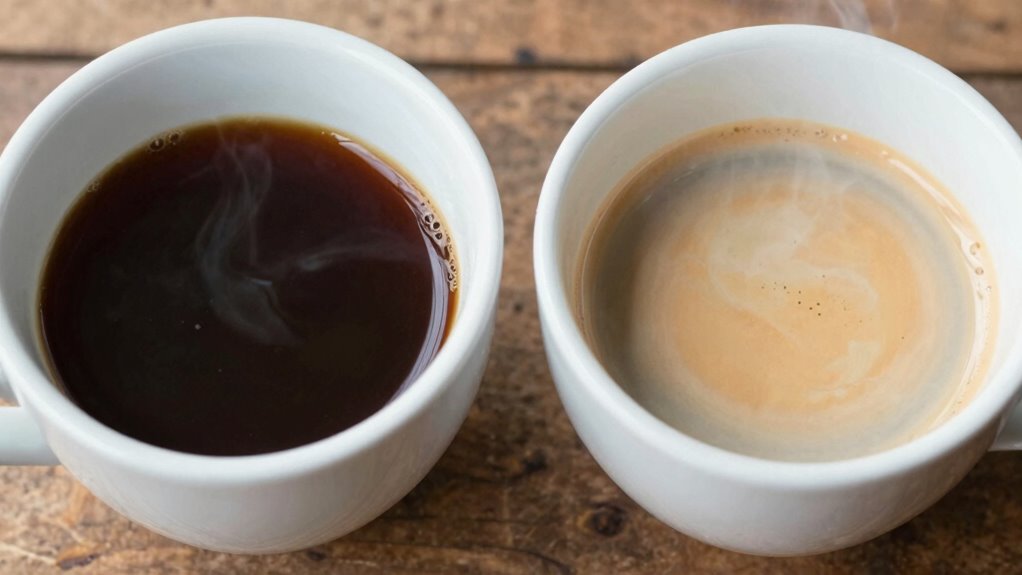
Processing methods play a crucial role in shaping the final flavor profile of your coffee. Fermentation effects are key; during fermentation, natural sugars break down, influencing acidity, complexity, and overall brightness. Washed coffees typically undergo controlled fermentation, resulting in cleaner, brighter flavors with more pronounced fruit notes. Natural processing involves drying the whole cherry with minimal intervention, leading to more fruity, wine-like qualities and a fuller body. Drying techniques also impact flavor—slow, even drying helps preserve delicate flavors and reduces defects, while quick drying can introduce off-flavors. The combination of fermentation and drying methods determines the coffee’s clarity, sweetness, and aroma. Understanding these influences helps you choose coffee that aligns with your taste preferences and desired flavor experience.
As an affiliate, we earn on qualifying purchases.
Choosing the Best Coffee for Your Taste and Routine
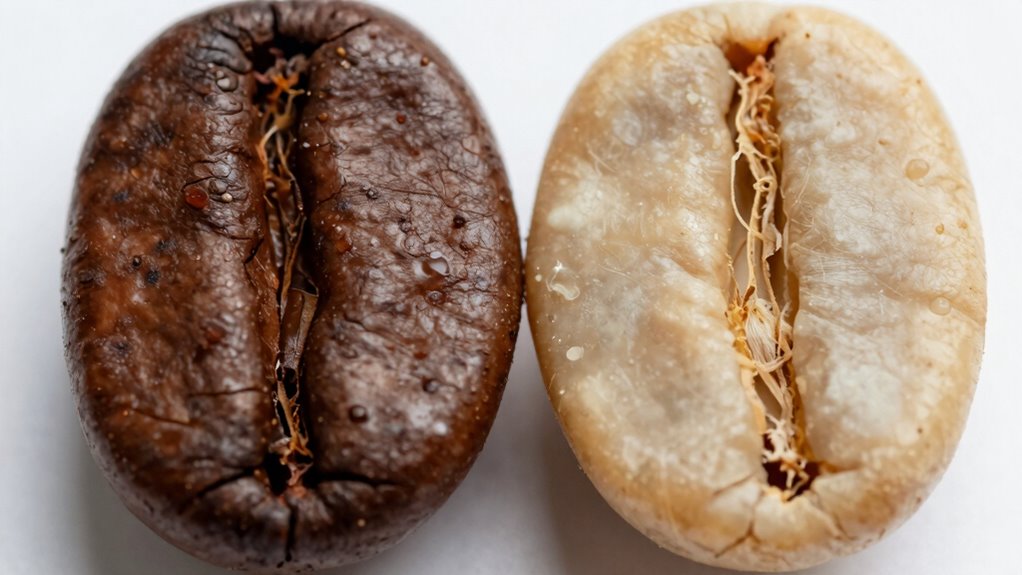
Choosing the right coffee depends on your personal taste and daily routine. To find your perfect match, consider these factors:
Selecting the ideal coffee aligns with your taste and daily habits, guiding you to your perfect brew.
- Flavor profile: If you prefer fruity and complex notes, natural processed coffees, often from sustainable farming practices, might suit you. Washed coffees tend to be cleaner and brighter.
- Brewing style: Light roasts highlight origin flavors, ideal for pour-over or AeroPress. Dark roasts work well with espresso or French press.
- Origin and cultivation: Look for coffees from farms committed to sustainable farming, which support eco-friendly coffee cultivation and better quality control. Exploring digital concepts can further enhance your coffee experience and knowledge.
drip coffee maker for bright flavors
As an affiliate, we earn on qualifying purchases.
As an affiliate, we earn on qualifying purchases.
Pairing Natural and Washed Coffee With Brewing Styles

Pairing Natural and Washed Coffee With Brewing Styles
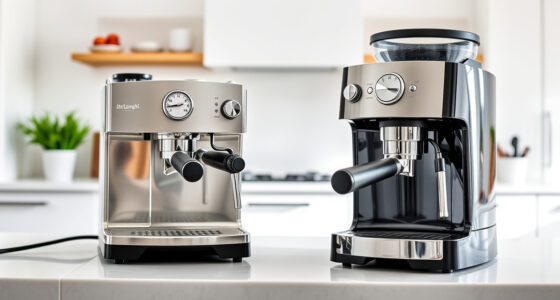
Matching natural and washed coffees with the right brewing styles can elevate your coffee experience by highlighting their unique characteristics. Natural coffees often have bold, fruity flavor profiles that shine through methods like pour-over or Aeropress, which preserve their complex notes. Washed coffees tend to be cleaner and brighter, making them ideal for brewing compatibility with methods like drip or espresso, which emphasize clarity and brightness. Experimenting with different brewing styles will help you discover how each coffee’s distinct flavor profiles come alive. For instance, a natural coffee’s deep fruitiness benefits from immersion brewing, while a washed coffee’s clean, crisp notes excel in quick, precise extraction. Choosing the right pairing enhances your enjoyment and reveals the full potential of each coffee type. Additionally, understanding color accuracy can further enhance your brewing process by ensuring that the visual appeal of your coffee matches its taste. When brewing, consider the importance of hydrating ingredients in your coffee preparation, as they can influence the overall flavor and texture of your drink.
Tips for Sourcing and Enjoying Your Preferred Coffee
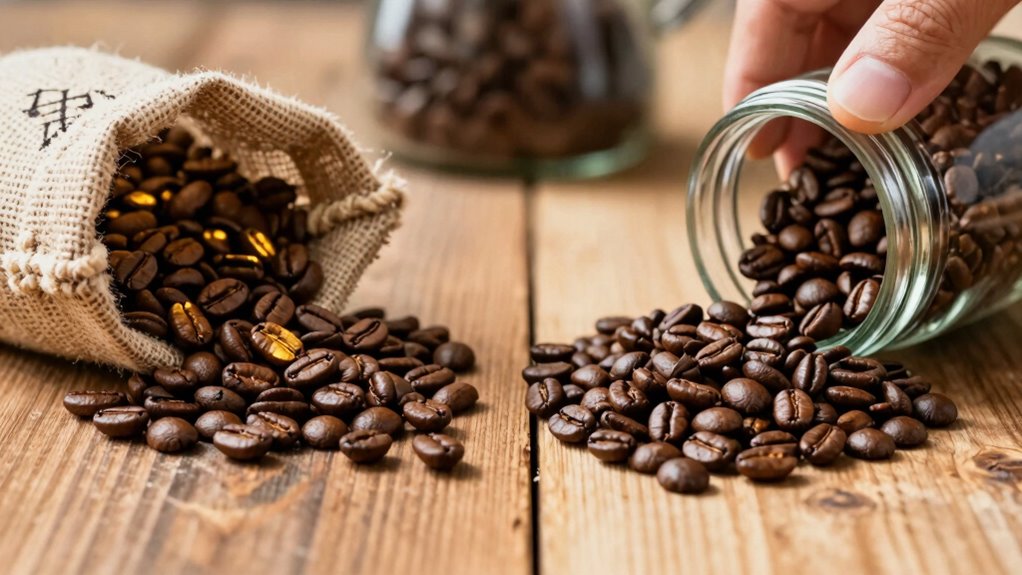
Finding high-quality coffee that matches your taste preferences starts with knowing where to source it. To enjoy your ideal brew, consider these tips.
- Research brands committed to coffee sustainability and transparent farming practices—they often prioritize ethical sourcing and better quality.
- Visit local roasters or specialty shops that support direct trade and educate consumers about farming practices.
- When buying online, read reviews and ask questions about the coffee’s origin, processing method, and sustainability certifications.
Frequently Asked Questions
How Do Natural and Washed Coffees Affect Caffeine Content?
Natural coffees tend to have slightly higher caffeine content because the beans absorb sugars and nutrients during drying, which can intensify flavor profiles and boost caffeine levels. Washed coffees usually have a cleaner, brighter taste, but may contain a bit less caffeine. Your brewing techniques also influence caffeine extraction, so if you prefer stronger caffeine, opt for natural beans and methods like French press or AeroPress that maximize extraction.
Are There Health Differences Between Natural and Washed Coffee?
Like two sides of the same coin, natural and washed coffees offer subtle health differences. Natural coffee, with its fruity flavor profiles, might contain slightly more antioxidants due to minimal processing, while washed coffee‘s cleaner profile could make it gentler on digestion. Both are generally healthy, but your choice depends on your brewing compatibility and personal health needs. Neither poses significant health risks, so enjoy your brew guilt-free!
Which Processing Method Is More Environmentally Sustainable?
You’ll find natural processing more environmentally sustainable because it uses less water, reducing overall water usage. It often doesn’t require organic certification, but it minimizes water waste and chemical use. Washed coffee, on the other hand, needs substantial water for washing, which can impact local water resources. If sustainability matters to you, choose natural processed coffee to support eco-friendly practices and conserve water resources, aligning with environmentally conscious values.
Can Natural and Washed Coffees Be Blended Together?
Yes, you can blend natural and washed coffees, and many roasters do it to create unique flavor profiles. This combination allows you to tailor your coffee to your brewing preferences, balancing fruity, complex notes from natural beans with the clean, bright qualities of washed beans. Experimenting with blends gives you control over flavor profiles, helping you craft a cup that suits your taste and brewing style perfectly.
How Do Storage and Freshness Vary Between the Two Types?
You’ll find that storage and freshness impact each coffee type differently. Natural coffees tend to lose their vibrant coffee aroma faster, so proper airtight storage is essential for flavor preservation. Washed coffees often stay fresher longer due to their processing method, maintaining a consistent flavor profile. Keep both types in a cool, dark place, and use airtight containers to preserve their distinct flavors and aroma, ensuring each brew remains fresh and flavorful.
Conclusion
So, whether you’re a natural or washed coffee devotee, remember: your choice isn’t just about flavor—it’s about making a statement. Embrace the wild, fruity chaos of natural beans or the pristine clarity of washed varieties, and proudly sip away. After all, in the grand saga of coffee, you’re not just a consumer—you’re an adventurous critic, boldly exploring the complex world of beans, one sip at a time. Cheers to your discerning palate!
Fall Picks
fall essentials
As an affiliate, we earn on qualifying purchases.