
To dial in your grind size, start by understanding how it affects extraction across different brewing methods—coarse for cold brew, fine for espresso, and medium-fine for pour-over. Experiment with adjustments based on taste; if your coffee’s bitter or weak, try changing the grind size. Invest in a quality burr grinder for consistency, and maintain it regularly. Keep tasting and tweaking for ideal flavor—there’s much more to explore about perfecting your brew.
Key Takeaways
- Understand that grind size affects flavor extraction; coarse for under-extraction and fine for over-extraction.
- Match grind size with brewing method: coarse for cold brew, fine for espresso, and medium for pour over.
- Adjust grind size based on taste; bitter coffee suggests a coarser grind, while weak coffee may need a finer grind.
- Use a burr grinder for consistent results and maintain it regularly to ensure optimal performance.
- Taste and iterate; refine grind size based on aroma and flavor profile for the best coffee experience.
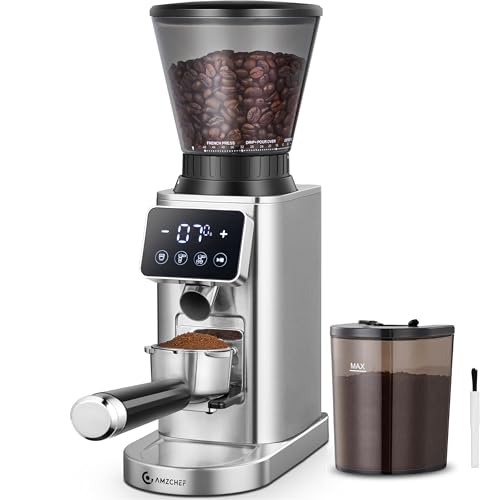
AMZCHEF Coffee Grinder, Coffee Bean Grinder for Home Use with Precise Grinding, LED Control Panel, Detachable Funnel Stand, Anti-static Design, 48 Grind Settings, Silver
DESIGN FOR ESPRESSO:We provide portafilter holder ,Portafilter holder pad and photophobic coffee ground container. It is compatible with...
As an affiliate, we earn on qualifying purchases.
Why Grind Size Matters in Brewing
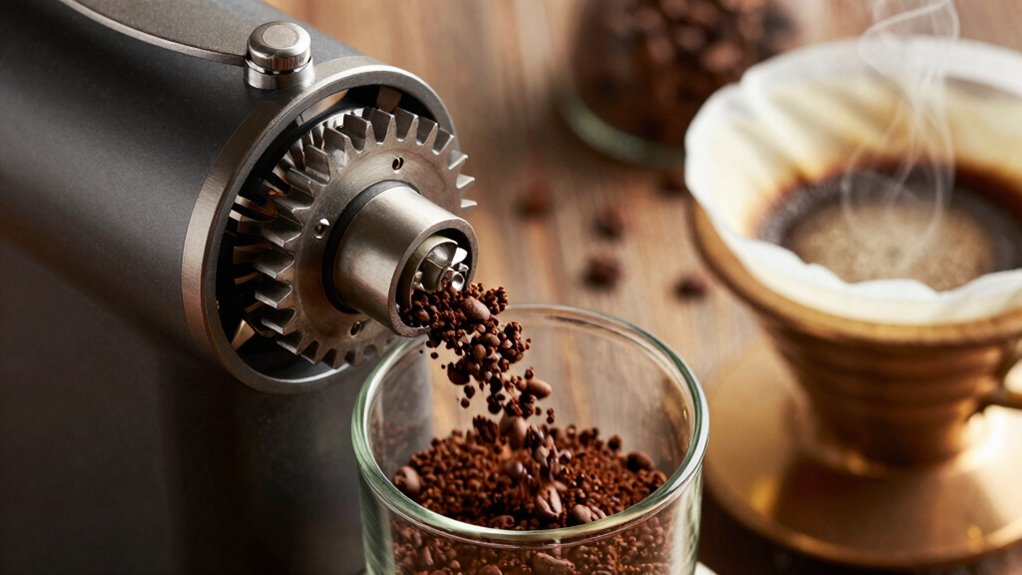
When you consider brewing coffee, understanding grind size is vital because it directly impacts flavor extraction. The right grind size guarantees you achieve the perfect brewing balance, allowing the water to interact effectively with the coffee grounds. If your grind is too coarse, you’ll end up with under-extracted coffee that tastes weak and sour. On the flip side, a grind that’s too fine can lead to over-extraction, resulting in bitterness. Finding that sweet spot is essential; it enhances your coffee’s aroma and flavor profile. Super-automatic espresso machines can help you achieve consistent grind sizes, making it easier to dial in your perfect brew. Additionally, mastering strength training fundamentals can improve your overall consistency and patience in experimenting with various grind sizes until you discover what works best for your taste. Understanding how different brewing methods affect caffeine content can also inform your grind size choices. So, pay attention to grind size—it’s not just a minor detail but a key factor in brewing the perfect cup. Mastering home espresso involves experimenting and adjusting until you discover what works best for your taste.

beanglass T64 Single Dose Coffee Grinder, 64mm Flat Burrs Electric Espresso Grinder (Black)
【64mm Flat Burrs】64mm titanium-plated stainless steel flat burrs that grinds fast, consistent and fluffy with minimal clumps. Sturdy...
As an affiliate, we earn on qualifying purchases.
How Do Different Brewing Methods Affect Grind Size?

Different brewing methods require specific grind sizes to achieve the best flavor. The extraction time varies considerably, influencing how your coffee tastes in the end. By adjusting your grind size for each method, you can enhance your brew’s overall profile.
Brew Method Variations
How do various brewing methods impact grind size? Different techniques require specific grind sizes to optimize flavor extraction. For cold brew, a coarse grind is essential, allowing for extended steeping without bitterness. In contrast, espresso shots need a fine grind to create pressure and achieve rich crema. Pour over calls for a medium-fine grind, promoting even extraction as water flows through the coffee. For French press, use a coarse grind to avoid sediment. If you’re making Turkish coffee, you’ll want an ultra-fine grind for that intense flavor. The AeroPress works well with medium to fine grinds, while drip coffee typically uses a medium grind for consistent results. Finally, siphon brewing benefits from a medium-fine grind to balance speed and flavor. Understanding color accuracy is also essential, as it influences the overall quality of the brewed coffee. Additionally, implementing optimal humidity levels in your indoor garden can enhance the growth of fresh herbs that complement your coffee experience. Each of these methods highlights the importance of grind size in achieving the desired taste profile.
Extraction Time Influence
Since extraction time plays a crucial role in flavor development, understanding how it interacts with grind size can elevate your brewing experience. Different brewing methods require different adjustments based on extraction variables and brewing ratios. Here’s how to navigate those differences:
- Espresso: Fine grind, short extraction time (25-30 seconds).
- Pour-over: Medium grind, moderate extraction (3-4 minutes).
- French Press: Coarse grind, longer extraction (4-5 minutes).
- Cold Brew: Extra coarse grind, extended extraction (12-24 hours).
Each method affects how flavors are extracted from the coffee grounds. By fine-tuning your grind size based on these parameters, you can achieve a more balanced and enjoyable cup tailored to your preference.
Flavor Profile Differences
Adjusting grind size not only influences extraction time but also greatly impacts the flavor profiles of your brew. Different brewing methods require specific grind sizes to achieve ideal flavor intensity and aroma balance. For instance, a coarser grind in a French press enhances body richness and sweetness notes, while a finer grind in espresso boosts acidity levels and aftertaste clarity. Understanding regional flavors can further refine your brewing process and enhance your overall experience.
Here’s a quick comparison:
| Brewing Method | Grind Size | Flavor Characteristics |
|---|---|---|
| French Press | Coarse | Rich body, balanced sweetness |
| Espresso | Fine | Intense acidity, sharp aftertaste |
| Pour Over | Medium-Fine | Bright aroma, smooth sweetness |
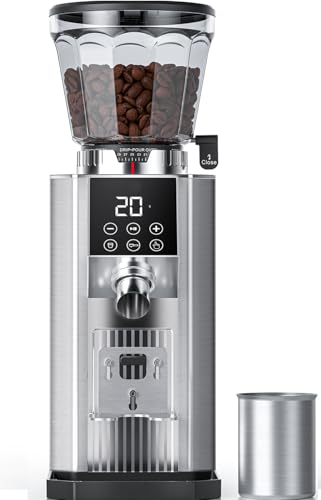
COFIBREWS Burr Coffee Bean Grinder for Home Use with 45 Precise Grinding Settings, Espresso Grinder with Height Adjustable Funnel Stand, LED Touch Panel, Anti-static Design, Micro Switch User Friendly
[Design for Espresso]:Our height-adjustable portafilter holder fits 90% of coffee funnels on the market, suit your every need...
As an affiliate, we earn on qualifying purchases.
Choosing the Right Coffee Grinder for Perfect Grind Size
Choosing the Right Coffee Grinder for Perfect Grind Size
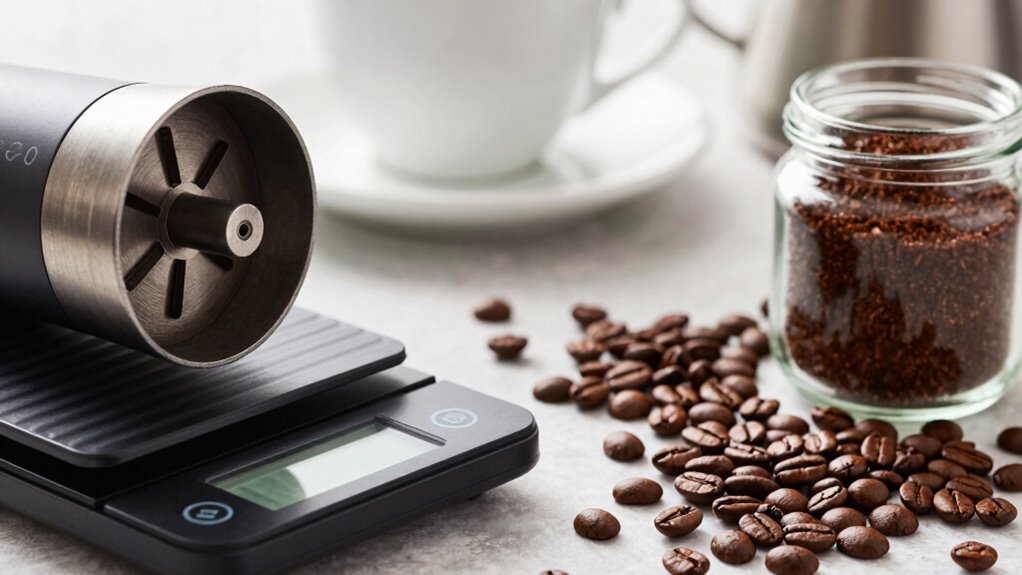
Choosing the right coffee grinder can make all the difference in achieving the perfect grind size for your brew. Here are some key factors to take into account:
- Burr vs Blade: Burr grinders provide a consistent grind size, while blade grinders can lead to uneven particles. Additionally, consistent grind size is crucial for maximizing flavor extraction during brewing, as it ensures that each coffee particle extracts at a similar rate.
- Manual Grinders: Ideal for those who enjoy the ritual of grinding coffee, manual grinders offer control over grind size but require more effort. These grinders can also be more affordable and portable, making them great for travel. They can enhance the experience of mindfulness in your morning routine. Furthermore, using a manual grinder can help you appreciate the process of extraction as you focus on the nuances of grinding.
- Electric Grinders: These are convenient for quick grinding but can vary in quality. Look for a model with adjustable settings to accommodate different brewing methods and achieve the desired grind size.
- Grinder Maintenance: Regular cleaning is essential for peak performance and flavor preservation. Additionally, consider the importance of carrier oils in ensuring that the flavors of your coffee are not compromised by residual oils.
Selecting the right grinder tailored to your needs guarantees you achieve the perfect grind size for every brewing method.

Neretva Espresso Grinder, 2 in 1 Professional Coffee Bean Grinder Stainless Steel Suit 51~58mm Portafilter Burr Coffee Grinder 30 Precise Setting&Anti-Static for Espresso/French Press/Drip/Moka-Silver
PROFESSIONAL CONICAL BURR COFFEE GRINDER- WIth new upgraded 3.0 conical burr grinding technoloy, the coffee grinder ensures that...
As an affiliate, we earn on qualifying purchases.
The Step-By-Step Process to Dial In Your Grind Size
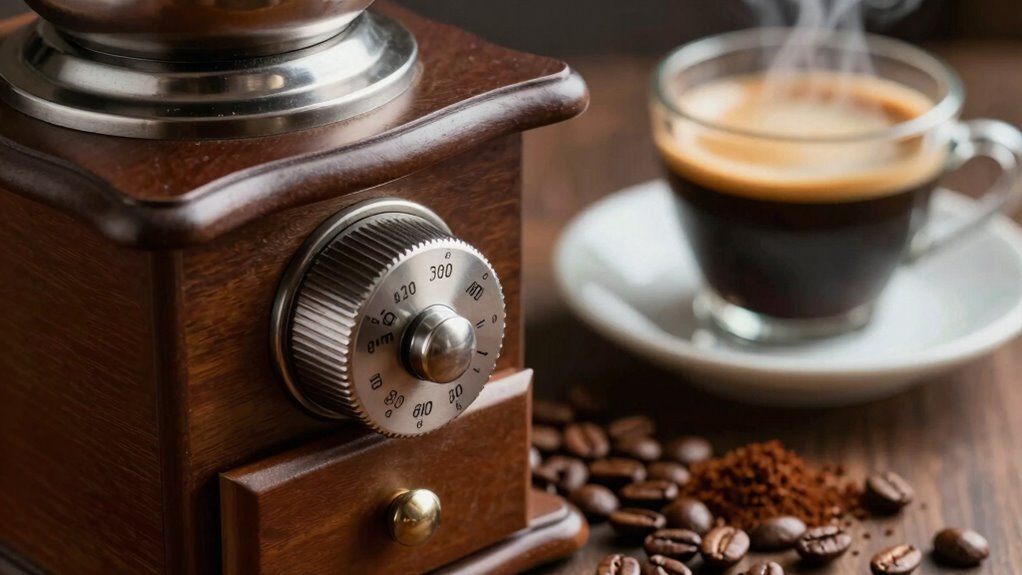
Dialing in your grind size is essential for extracting the best flavors from your coffee, and it only takes a few simple steps. Start by selecting your coffee beans, ensuring they’re fresh to maximize coffee freshness. Next, choose a grind size that matches your brewing method; a coarser grind is great for French press, while finer grinds suit espresso. Brew a small batch, then taste it to evaluate the brewing balance. If it’s too bitter, adjust to a coarser grind; if it’s sour, go finer. This process improves extraction efficiency, enhancing flavor. Repeat this until you find the perfect grind size that delivers the taste you love, ensuring each cup is consistently delicious. Happy brewing!
Top 5 Common Grind Size Mistakes and How to Fix Them
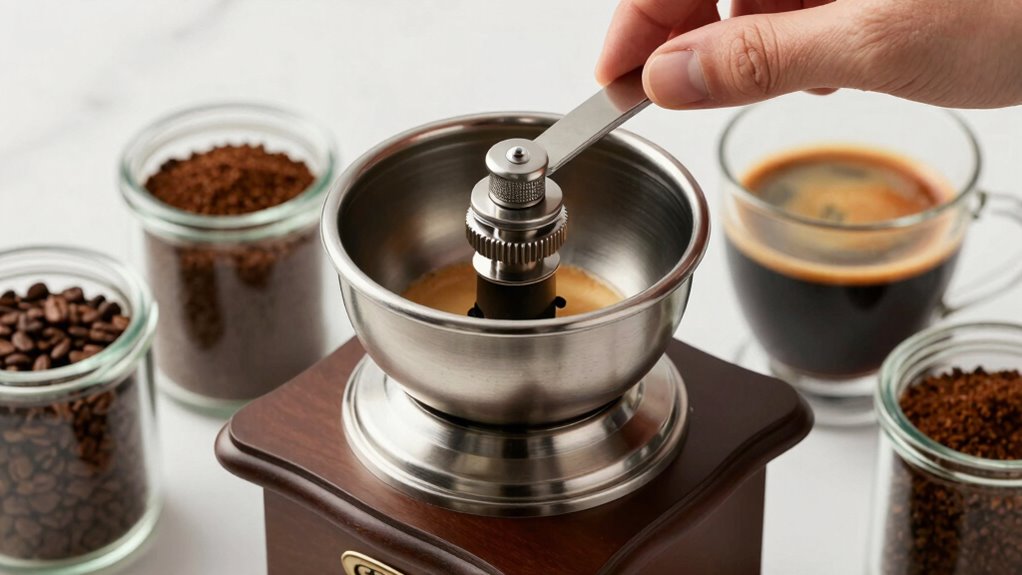
Here’s the revised content based on your instructions:
—
While brewing coffee, it’s easy to overlook the importance of grind size, leading to common mistakes that can ruin your cup. Here are the top grind size misconceptions and brewing errors to watch out for:
- Using the Wrong Grind: Not matching grind size to your brewing method can lead to over-extraction or under-extraction.
- Ignoring Freshness: Grinding too far in advance can cause stale flavors; always grind just before brewing.
- Inconsistent Grind: A mixture of sizes can result in uneven extraction. Invest in a quality grinder.
- Not Adjusting for Taste: If your coffee’s too bitter or weak, don’t hesitate to tweak your grind size.
Additionally, understanding training concepts can help you appreciate how variables like grind size impact overall flavor extraction.
—
Let me know if you need any more adjustments!
How to Taste and Adjust Your Grind for Optimal Flavor
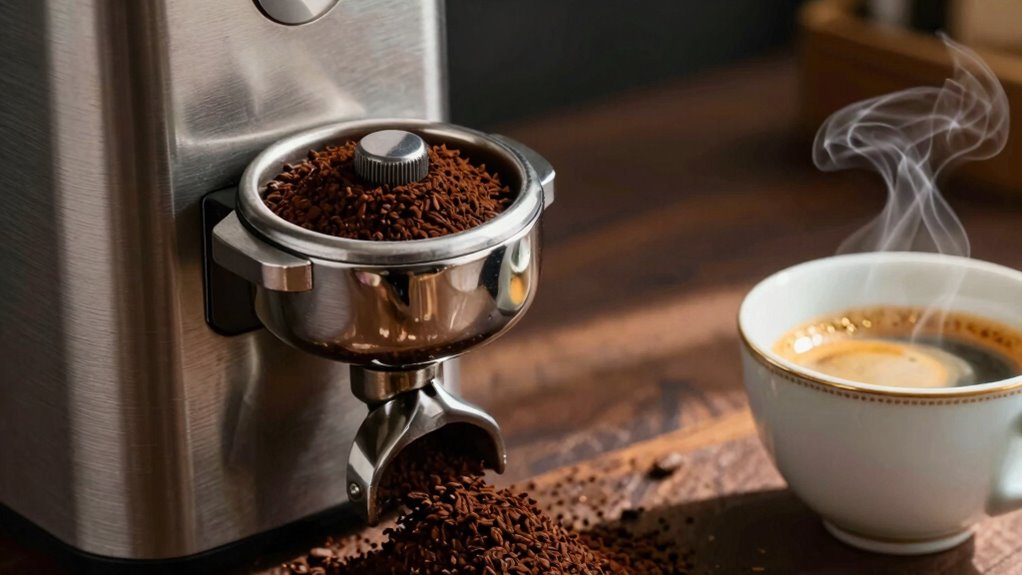
To find the perfect grind for your brew method, start by tasting your coffee and noting its flavor profile. You might need to adjust the grind consistency to highlight those flavors better. Each brew method has its own nuances, so experimenting will lead you to your ideal cup.
Understanding Brew Methods
Understanding different brew methods is essential for honing your grind size, as each technique extracts flavors uniquely. Here’s what to evaluate for ideal flavor extraction:
- Brewing Techniques: Different methods (like French press, pour-over, or espresso) require specific grind sizes.
- Coffee Types: Light roasts may need a finer grind for better flavor extraction, while darker roasts might benefit from a coarser grind.
- Water Temperature: Experiment with temperatures; too hot can over-extract, while too cool can under-extract.
- Brewing Ratios: Adjusting your coffee-to-water ratio can enhance flavor, depending on your chosen brewing equipment. Additionally, understanding brewing science can help you make informed decisions about grind size to achieve the best taste.
Flavor Profile Exploration
Exploring flavor profiles is essential for perfecting your coffee experience, as the grind size directly influences extraction and taste. Start by brewing a batch with your current grind. Pay attention to taste nuances—note if it’s too bitter, sour, or flat. Smell the aroma variations; they often hint at underlying flavors. If your coffee lacks brightness, try a finer grind to enhance extraction. Conversely, if it’s overwhelming, a coarser grind might balance it out. Taste again after each adjustment, focusing on how flavors evolve. This iterative process helps you discover the perfect grind size that highlights the coffee’s unique characteristics. Embrace the experimentation, and you’ll reveal a richer, more satisfying cup.
Adjusting Grind Consistency
After honing in on flavor profiles, it’s time to focus on grind consistency. Achieving the right texture is essential for ideal extraction and flavor. Here are some key consistency techniques to guide your grind adjustment:
- Evaluate Brew Method: Different methods require different grind sizes; know your technique.
- Taste Test Regularly: Brew a cup, taste it, and note the flavor. Adjust the grind as needed.
- Identify Texture: Aim for a consistent feel; fines can lead to bitterness, while large particles may under-extract.
- Make Incremental Adjustments: Small changes can greatly impact flavor; tweak your grind gradually.
Also, be aware that extraction principles play a crucial role in achieving the perfect brew, as they determine how flavors are released during the brewing process.
How to Keep Your Grinder in Top Shape
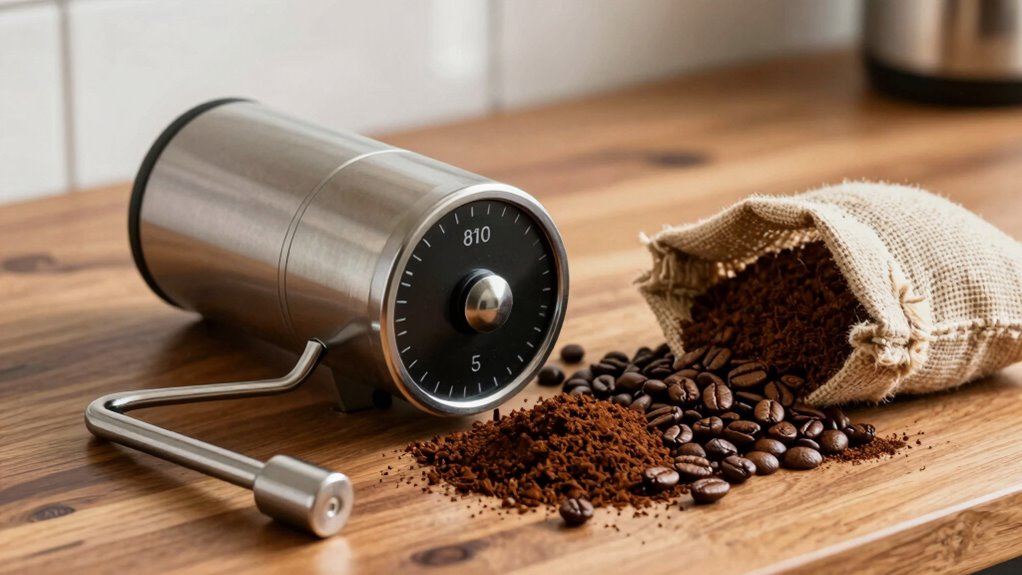
Keeping your grinder in top shape is vital for achieving that perfect cup of coffee. Regular grinder maintenance is key; use effective cleaning techniques to remove coffee oils and residue. Check burr alignment periodically, as misaligned burrs can affect grinding consistency and lead to uneven results. Keep an eye on wear indicators to know when it’s time for grinder upgrades. Lubrication tips can help reduce noise and enhance performance—just remember to use the right type of lubricant. Finally, don’t forget to adjust your grind settings based on your brewing method, as this can guarantee peak flavor extraction. By following these steps, you’ll enjoy a consistently delightful coffee experience.
Frequently Asked Questions
Can Grind Size Impact Caffeine Extraction Levels?
Yes, grind size definitely impacts caffeine extraction levels. Finer grinds increase extraction efficiency, allowing more caffeine to dissolve during brewing. However, if you go too fine, you might compromise flavor balance, leading to bitterness. Different brewing techniques also require specific grind sizes to optimize caffeine extraction and flavor from your coffee beans. So, adjusting your grind size can help you achieve the desired caffeine level and taste in your brew.
How Often Should I Change My Grinder’s Burrs?
You should change your grinder’s burrs every 300 to 500 pounds of coffee, depending on the grinder type. Notably, burr maintenance can impact flavor consistency by up to 30%! If you’re using a commercial grinder, you might need to swap them out more frequently. Regularly checking and replacing burrs guarantees your grind size stays precise, helping you achieve the best extraction and flavor from your favorite beans. Don’t overlook this vital step!
Does Humidity Affect Grind Size Consistency?
Yes, humidity affects grind size consistency. When the air’s moist, coffee beans can absorb water, leading to variations in grind stability. You might notice clumping or uneven particle sizes, which can impact extraction. To maintain consistency, consider adjusting your grind settings based on humidity levels. If it’s particularly humid, you may need to grind slightly coarser to compensate for the added moisture. Keep an eye on your grind to guarantee the best brew.
What Is the Ideal Grind Size for Cold Brew?
For cold brew, aim for a coarse grind, about 1/8 inch in size. Notably, studies show that a coarser grind can increase the extraction rate by up to 30%. This helps achieve a smooth flavor balance, reducing bitterness. When experimenting with brewing methods, remember that the grind size plays an essential role in how well the coffee’s oils and flavors infuse into the water. So, adjust accordingly for your perfect cold brew!
Can Grind Size Influence Brewing Time?
Yes, grind size definitely influences brewing time. When you make a grind adjustment, finer grinds increase the surface area, leading to quicker extraction, while coarser grinds slow it down. By tweaking your grind size, you can control brewing variables like flavor intensity and overall brew time. So, experiment a bit—try different grind sizes to find that perfect balance that suits your taste, and watch how it affects your cold brew experience!
Conclusion
Dialing in your grind size can transform your coffee experience. For instance, imagine a home brewer who consistently brewed bitter, over-extracted coffee. After adjusting their grind size, they discovered a perfect balance of flavors, enhancing their morning ritual. By following the steps outlined, you too can reveal the full potential of your coffee. So grab your grinder, experiment, and savor the delicious rewards of your efforts. Your perfect cup awaits!