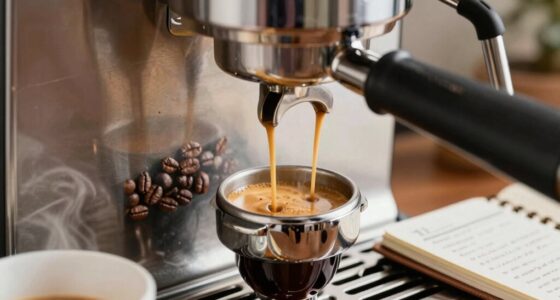
If your coffee tastes bitter, a simple change can make a huge difference. First, check your grind size; if it’s too fine, it can lead to over-extraction. Adjust your brewing time as well—over-brewing pulls out undesirable compounds, making your coffee harsh. Verify your water’s quality is good, too; proper filtration and balanced minerals enhance flavor. Finally, experiment with your coffee-to-water ratio. Each tweak can elevate your morning brew. There’s more to discover about perfecting your cup!
Open a free Amazon Business account
Business pricing, bulk buying and tax-exempt orders.
As an affiliate, we earn on qualifying purchases.
Key Takeaways
- Adjust your grind size to match the brewing method, avoiding too fine or too coarse for balanced extraction.
- Use filtered water to eliminate impurities and enhance flavor clarity in your coffee.
- Maintain a consistent water temperature between 195°F to 205°F to prevent over-extraction.
- Experiment with the coffee-to-water ratio, aiming for around 1:15 for optimal flavor strength.
- Monitor brewing time closely to avoid bitterness; shorter times capture complex flavors, while longer can lead to over-extraction.
Why Is Your Coffee Bitter? Unpacking the Causes
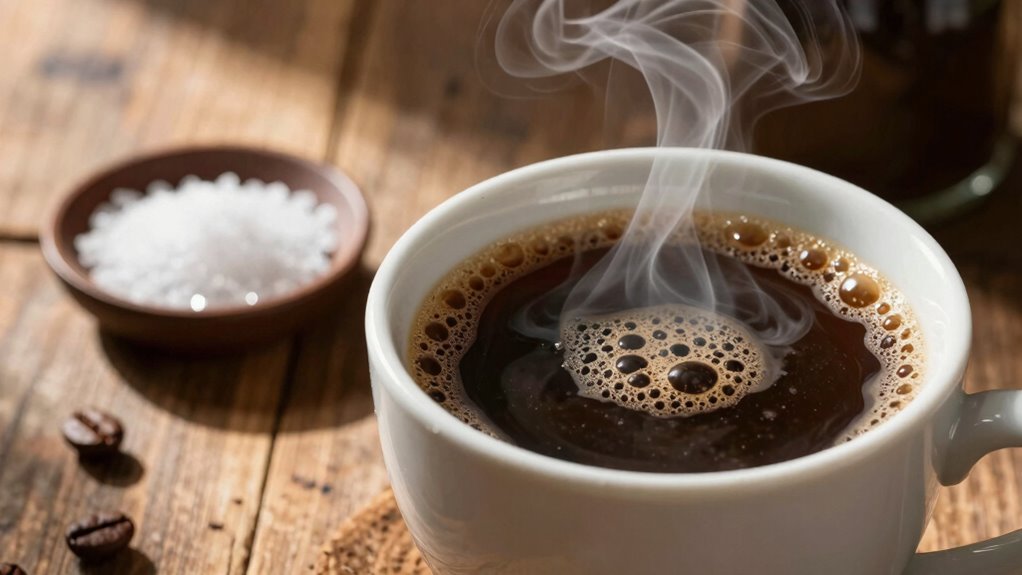
Why does your coffee taste bitter? It might stem from several factors, mainly related to coffee acidity and flavor balance. If your brew has high acidity, it can lead to a sharp, unpleasant bitterness. Additionally, over-extraction during brewing pulls out undesirable compounds, making your cup taste harsh. The grind size matters too—too fine, and you risk extracting too much; too coarse, and you miss out on the balance of flavors. Using water that’s too hot can also exacerbate bitterness. To fix this, aim for a balanced approach: adjust your grind size, monitor water temperature, and pay attention to brew time. By fine-tuning these elements, you’ll enjoy a smoother, more flavorful cup without that bitter edge.
How Brewing Time Affects Coffee Taste?
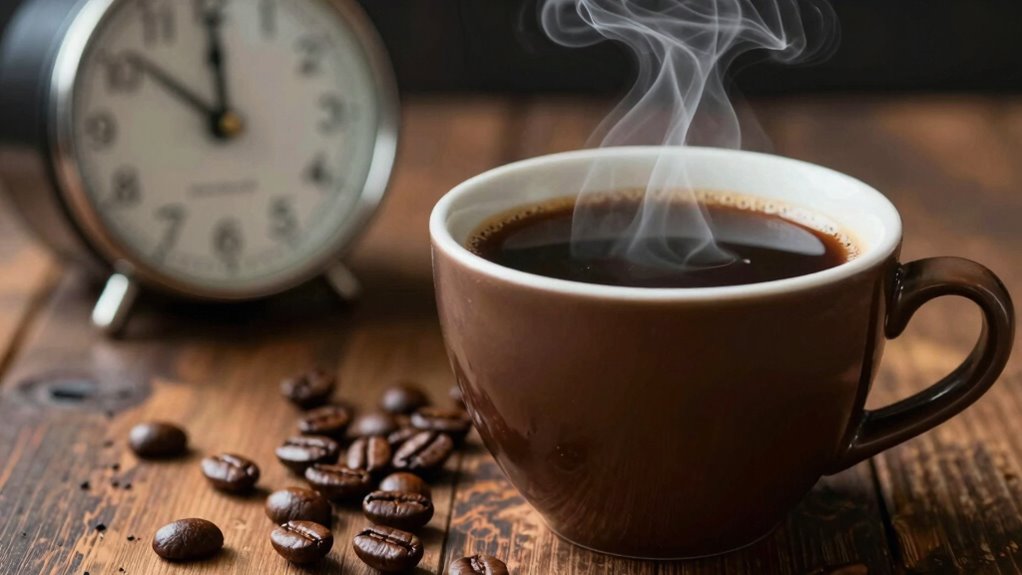
Brewing time plays an essential role in shaping your coffee’s flavor. If you brew too long, you risk over-extraction, leading to bitterness. Finding that ideal brewing duration can transform your cup into a more balanced and enjoyable experience.
Brewing Time Importance
While you may enjoy a rich cup of coffee, the brewing time can considerably alter its taste. Different brewing techniques, like pour-over or French press, require specific times to extract the best flavors. If you brew too short, you risk missing out on the complex flavor profiles that make coffee enjoyable. Conversely, brewing too long may lead to over-extraction, resulting in bitterness that masks the coffee’s natural notes.
Finding the right balance is essential; even a minute can shift the outcome. Experiment with your favorite methods to discover how slight adjustments in brewing time can enhance or diminish the flavors you love. By fine-tuning this aspect, you’re on your way to brewing a more satisfying cup.
Over-Extraction Explained
When you brew coffee for too long, the process leads to over-extraction, pulling out undesirable compounds that create a bitter flavor. This imbalance can ruin your morning ritual. To achieve the perfect cup, it’s essential to master extraction techniques and maintain flavor balance.
Here’s what over-extraction can do to your coffee experience:
- Makes your brew taste harsh
- Drowns out the rich, nuanced flavors
- Leaves an unpleasant aftertaste
- Turns a comforting drink into a chore
- Pushes you away from your favorite café
Additionally, understanding the various brewing methods can help you refine your technique and avoid over-extraction.
Ideal Brewing Durations
Getting the brewing time just right is essential for enhancing your coffee’s flavor profile. Different brewing techniques require specific steeping times to extract the best flavors without bitterness. For instance, a French press typically needs about four minutes, while an espresso shot takes just 25-30 seconds. If you steep too long, you risk over-extraction, leading to undesirable bitter notes. Conversely, under-extraction can result in a sour taste.
Experiment with your favorite brewing methods to find the ideal balance. Adjusting steeping times can dramatically alter your coffee’s taste, transforming a mediocre cup into something delightful. Additionally, using the right grinding technique can further optimize flavor extraction. For optimal results, consider the grinding consistency to ensure even extraction during brewing. So, pay attention to those minutes and seconds; they can make all the difference in your daily brew.
How Water Quality Impacts Coffee Flavor
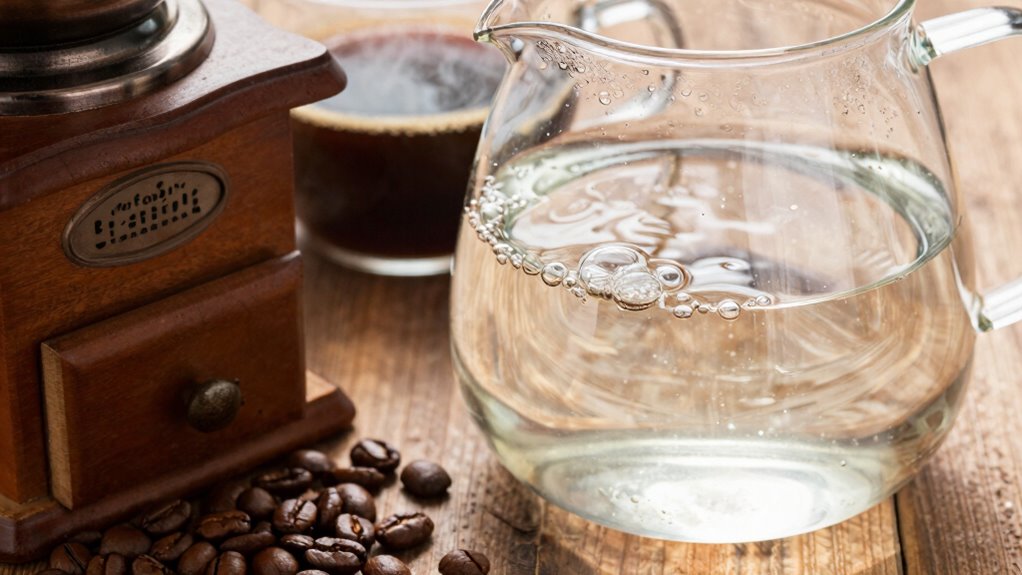
Water quality plays an essential role in how your coffee tastes. The mineral content and pH level can either enhance or overpower the flavor profile, while different filtration methods can affect the final brew. Understanding these factors can help you brew a better cup every time.
Mineral Content Influence
Sure! Here’s the updated content following your instructions:
—
Although many coffee enthusiasts focus on the beans’ origin and roast level, the mineral content of your brewing water can greatly influence the final flavor. A proper mineral balance enhances extraction, leading to a richer taste. When you fine-tune your water, you reveal potential flavors that might otherwise remain hidden. Here’s what to evaluate:
- Sweetness: Proper minerals bring out the natural sweetness in your coffee.
- Body: A balanced mineral profile can add a fuller mouthfeel, and smart controls can help maintain optimal water quality for brewing.
- Clarity: Correct minerals enhance the brightness of flavors, while smart composters can also contribute to a more eco-friendly kitchen environment.
- Aftertaste: A well-mineralized brew leaves a pleasant finish.
- Complexity: Minerals can reveal intricate flavor notes, and indoor air quality can also affect overall health, which may influence your coffee experience. Regularly monitoring filter indicators can ensure your water quality remains optimal for brewing.
Additionally, wellness technology can also play a role in optimizing your coffee experience by ensuring the water quality is at its best.
—
Let me know if you need any more changes!
pH Level Importance
Understanding the pH level of your brewing water is essential, as it directly impacts the extraction process and overall flavor of your coffee. A proper pH balance helps maintain ideal acidity levels, enhancing your coffee’s flavor profiles. When you adjust your brewing techniques and water temperature, you’re fine-tuning the extraction balance, which can greatly alter taste perception.
Here’s a quick guide to pH levels and their effects:
| pH Level | Effect on Flavor Profiles |
|---|---|
| 6.5 | Balanced taste, bright acidity |
| 7.0 | Flat flavor, reduced complexity |
| 8.0 | Bitter, overly soft taste |
Always consider bean freshness along with water quality for the best results! Additionally, the ideal water composition can further optimize your coffee experience.
Filtration Methods Matter
Certainly! Here’s your revised content with the requested changes:
—
When it comes to brewing coffee, the quality of the water you use can greatly influence the final taste. The right filtration methods can enhance coffee clarity and remove unwanted flavors, making each cup a delight. Consider these factors when choosing your filter types:
- Chlorine removal: Eliminates that chemical taste.
- Mineral balance: Enhances coffee’s natural flavors.
- Sediment filtration: Prevents gritty textures.
- pH stability: Maintains the right acidity for sweetness.
- Consistency: Guarantees each brew tastes its best. Additionally, using eco-friendly filtration systems can further improve both the taste and sustainability of your coffee. Clean water also supports optimal extraction ratios, ensuring that the full flavor potential of your beans is realized. Furthermore, choosing water that is free of contaminants is essential for preventing infections that can arise from poor-quality sources. The effectiveness of water filtration can also be influenced by water hardness levels, which impact how well flavors are extracted during brewing.
Investing in good water filtration can transform your coffee experience, allowing you to savor every sip. Additionally, essential oils like eucalyptus and peppermint can enhance your overall sensory enjoyment while brewing coffee. Don’t underestimate how clean, quality water can elevate your daily brew from ordinary to extraordinary!
—
Let me know if you need any further modifications!
Choosing the Right Grind Size for Smooth Coffee
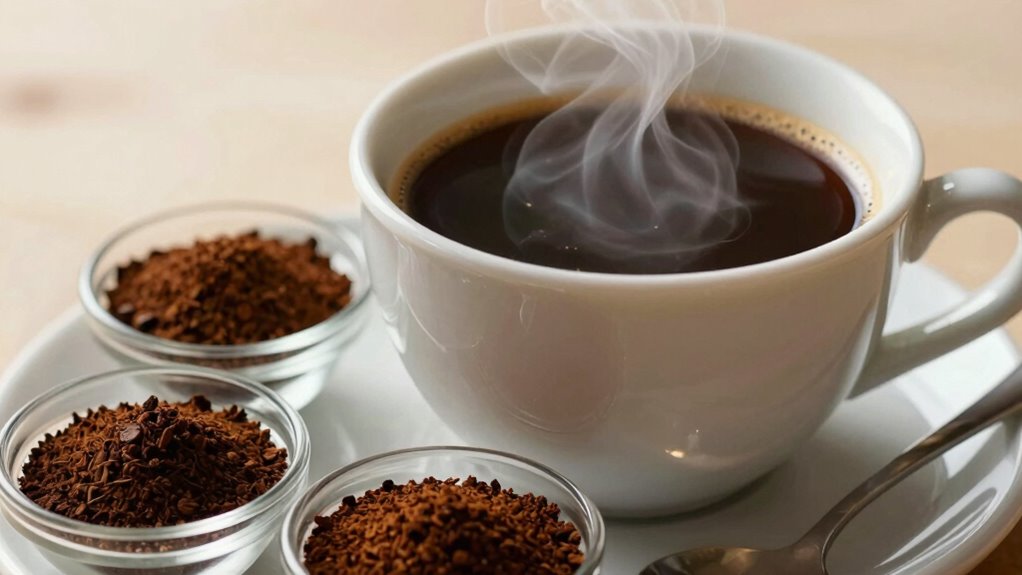
The right grind size can make all the difference in your coffee’s flavor. Different grind types, from coarse to fine, impact extraction and taste. If you use a coarser grind for a quick brew, you might end up with underwhelming flavors, while a fine grind can lead to over-extraction and bitterness. Aim for grind uniformity; uneven particles can cause inconsistent brewing results. This means investing in a good grinder that guarantees a consistent grind size. Whether you’re making espresso or French press, matching your grind to your brewing method is essential. With the right grind size, you’ll reveal the full potential of your coffee, making every cup smoother and more enjoyable. Additionally, understanding knife skills can enhance your coffee preparation, especially when it comes to chopping ingredients for flavored brews.
Finding the Perfect Coffee-to-Water Ratio
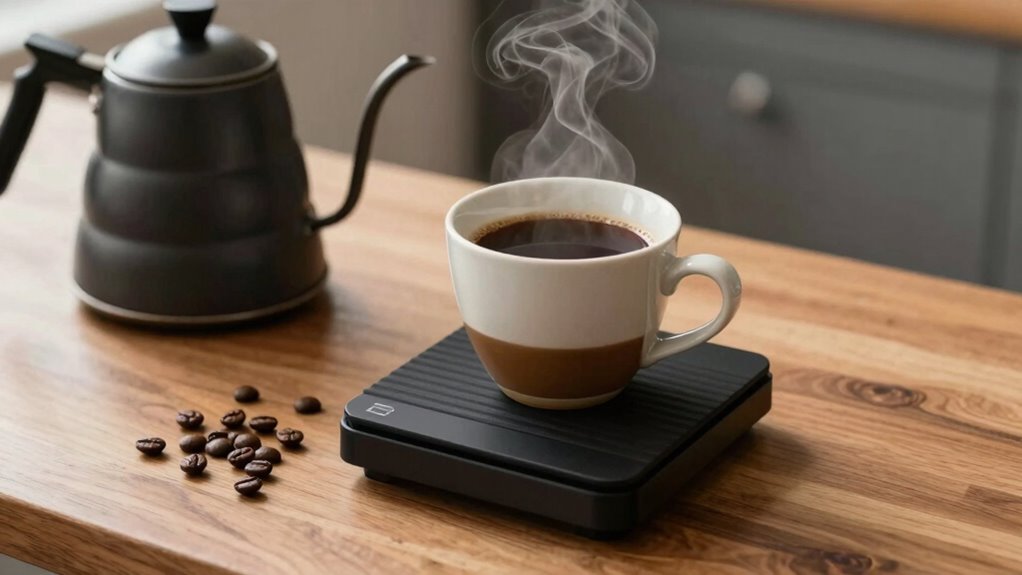
While it might seem simple, finding the perfect coffee-to-water ratio is essential for brewing a delicious cup. The right balance can enhance your coffee strength, ensuring each sip is satisfying. Depending on your brewing methods, this ratio can vary, but generally, aim for about 1:15 coffee to water. Additionally, maintaining metabolic health can be influenced by your dietary choices, including caffeine intake. Understanding the brewing methods can also help you refine your coffee experience. Incorporating kitchen ventilation into your coffee brewing space can also improve the overall aroma and experience.
Using smart kitchen tools can further elevate your coffee brewing process.
Consider these feelings when adjusting your ratio:
- Excitement for a rich flavor
- Satisfaction from a balanced cup
- Joy in every sip
- Comfort in familiar routines
- Pride in your brewing skills
Experiment with different ratios to discover what resonates best with your palate. Whether you prefer a strong espresso or a lighter pour-over, nailing that coffee-to-water ratio can transform your daily brew into a delightful experience. Additionally, understanding strength training fundamentals can help you appreciate the balance and precision involved in both coffee brewing and fitness routines.
How to Brew Coffee Consistently
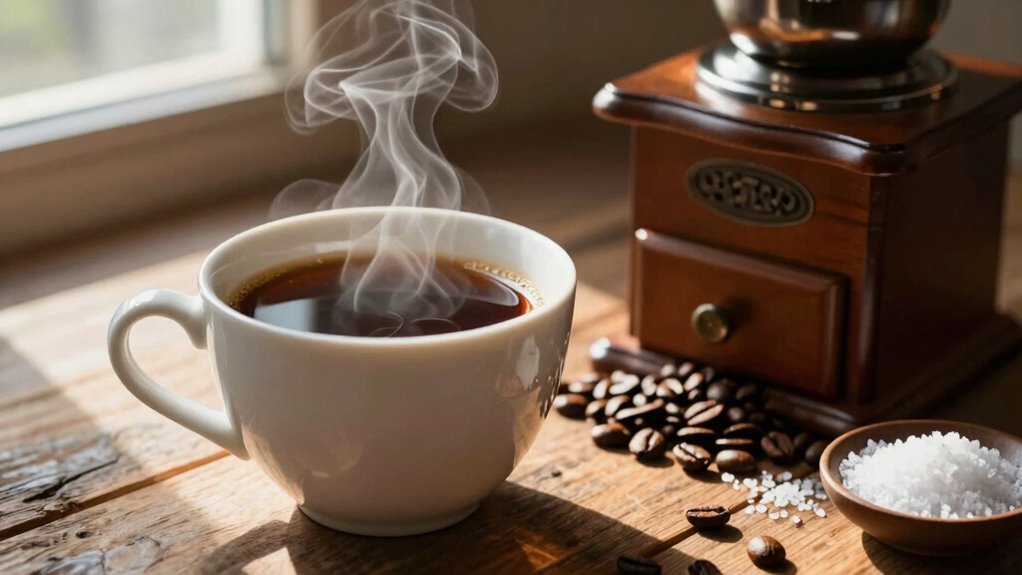
To brew coffee consistently, you need to focus on a few key elements that influence the final flavor. Here are some factors to contemplate for effective flavor balancing:
| Element | Tip |
|---|---|
| Coffee Beans | Use fresh, high-quality beans |
| Grind Size | Match grind size to brewing method |
| Water Temperature | Aim for 195°F to 205°F |
| Brewing Time | Adjust based on grind and method |
| Water Quality | Use filtered water for purity |
Frequently Asked Questions
Can Coffee Bitterness Be Reduced With Additives Like Sugar or Cream?
Yes, you can reduce coffee bitterness with additives like sugar alternatives and cream substitutes. If you’re looking to sweeten your brew, try using stevia or monk fruit for a healthier option. For a creamier texture, consider almond milk or oat milk as substitutes. These alternatives not only enhance the flavor but also help balance out the bitterness, making your coffee experience much more enjoyable. Experiment and find the perfect combination for your taste!
What Types of Coffee Beans Are Least Likely to Taste Bitter?
If you want to avoid bitter coffee, choose Arabica varieties. They’re naturally sweeter and less acidic than Robusta. Pay attention to roasting techniques, too; lighter roasts often preserve the fruity flavor profiles that can combat bitterness. Finally, consider the bean origin—Central and South American beans typically offer smoother, more balanced flavors. By selecting the right beans and techniques, you’ll enjoy a delightful cup without that unpleasant bitterness.
Does the Type of Coffee Maker Influence Bitterness Levels?
Yes, the type of coffee maker does influence bitterness levels. Different brewing methods can affect brewing temperature and grind size, both essential for flavor. For instance, a French press uses coarser grinds and longer steeping times, which can reduce bitterness. In contrast, espresso machines use finer grinds and higher temperatures, often resulting in a more intense, bitter taste. Experimenting with your coffee maker can help you find the perfect balance for your taste.
How Does Coffee Freshness Impact Bitterness?
Fresh coffee enhances your brew’s flavor, while stale coffee can leave you with a bitter cup. When you store your beans properly, you preserve those delightful notes, regardless of roast levels. Think about it: a bright, freshly roasted coffee sings with vibrancy, while an old, poorly stored one feels flat and harsh. So, keep your beans sealed and away from light to enjoy a smoother, richer cup every time you brew.
Are There Specific Brewing Methods That Reduce Bitterness?
Yes, certain brewing methods can definitely reduce bitterness. You should focus on using a lower brewing temperature, ideally between 195°F and 205°F. This prevents over-extraction of bitter compounds. Also, adjust your grind size; a coarser grind often results in a smoother, less bitter flavor. Experiment with methods like pour-over or cold brew, which tend to highlight the coffee’s natural sweetness while minimizing those harsh notes. Enjoy your perfectly brewed cup!
Conclusion
By making this simple change to your coffee brewing routine, you can turn that bitter brew into a smooth symphony of flavors. Pay attention to brewing time, water quality, and grind size, and you’ll be on your way to coffee perfection. Remember, just like a painter chooses the right colors, you can craft your perfect cup with the right balance. Embrace these tips, and watch your coffee transform into a delightful morning ritual!
Fall Picks
fall essentials
As an affiliate, we earn on qualifying purchases.