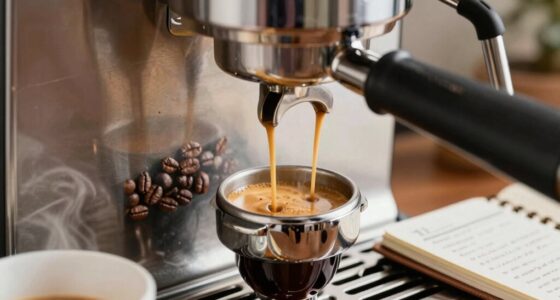

If your espresso tastes sour, it’s likely due to high acidity, under-extraction, or stale beans. Choosing the right coffee beans and adjusting grind size are vital for balancing flavors. Over-extraction can lead to bitterness, while improper brewing time and temperature can ruin your cup. Regular maintenance of your equipment also plays a significant role. Explore more tips and techniques to guarantee a perfectly balanced espresso that’s rich and flavorful!
Key Takeaways
- Sourness in espresso often results from under-extraction or high acidity levels, requiring adjustments in brewing techniques and grind size.
- Bean selection significantly influences flavor; high-altitude and Ethiopian beans can enhance brightness and acidity.
- Roast level affects taste; lighter roasts emphasize acidity, while darker roasts may introduce bitterness.
- Consistent grind size is crucial; coarse grinds lead to sourness, while fine grinds can cause over-extraction.
- Regular equipment maintenance and proper water temperature are essential to avoid off-flavors and ensure optimal extraction.

SHARDOR Conical Burr Espresso Coffee Grinder Electric with Precision Timer 2.0, Touchscreen Adjustable Burr Mill with 51 Precise Settings for Home Use, Anti-static, Stainless Steel
Premium 40 Millimeter Stainless Steel Conical Burr: Designed to minimize grinding heat and protect the essential oils in…
As an affiliate, we earn on qualifying purchases.
As an affiliate, we earn on qualifying purchases.
What Causes Sourness in Espresso?
When brewing espresso, you might notice a sour taste creeping in, and this can stem from several factors. One major issue is the acidity balance; if it’s too high, your shot can turn sour. Your brewing techniques play an essential role too—adjusting extraction time can help achieve a more balanced flavor profile. If you’re under-extracting, you’ll often taste that unpleasant sourness. Coffee freshness is another key element; stale beans can negatively impact flavor, leading to undesirable notes. Finally, your bean selection matters. Different beans have varying acidity levels, so knowing your taste preferences can guide you in choosing the right ones. By addressing these factors, you can enjoy a more harmonious espresso experience.

CleanEspresso – Designed For Breville Cleaning Kit – 40 Cleaning Tablets and 6 Water Filters for Breville Espresso Machines – 2g Espresso Machine Tablets
BETTER TASTE: Get better tasting espresso & cappuccino by removing oily buildup inside your machine and keeping its…
As an affiliate, we earn on qualifying purchases.
As an affiliate, we earn on qualifying purchases.
The Role of Coffee Beans in Espresso Flavor
The type of coffee beans you choose plays a huge role in your espresso’s flavor. Factors like bean origin, roast level, and processing methods can completely change your cup’s taste profile. Let’s explore how these elements influence the sourness you might experience.
Bean Origin Impact
Sure! Here’s the revised content with the requested changes:
—
Although the journey from bean to cup is complex, the origin of your coffee beans plays a significant role in shaping the flavor of your espresso. Different bean varieties showcase unique flavor profiles influenced by their terroir. For instance, beans from high altitudes often develop brighter acidity and more complex notes. Regional characteristics also affect taste; Ethiopian beans might offer fruity flavors, while Brazilian varieties can lean toward chocolatey richness. Processing differences, like washed versus natural methods, further enhance these profiles. Additionally, various brewing methods can significantly impact the final flavor, making it essential to consider how you prepare your espresso. Smartphones & Mobile technology and apps can assist in tracking roast dates and bean origins, enhancing your brewing experience. Understanding brewing fundamentals can help you optimize your technique for the best flavor extraction. Harvest timing impacts freshness, which is essential for flavor. When you understand these elements, you can better appreciate how the origin of your beans directly influences the espresso you enjoy. Moreover, embracing DIY tools for your home brewing setup can help elevate the quality of your espresso. Additionally, the choice of super-automatic espresso machines can also affect how these flavors are extracted, making it crucial to select the right equipment.
Roast Level Differences
Understanding the origin of your coffee beans lays a solid foundation for appreciating how roast levels influence espresso flavor. Light roasts often highlight bright acidity and delicate flavor notes, showcasing the bean’s original characteristics. As you move to medium roasts, you’ll notice a balance; the acidity softens while richer aroma differences emerge. Dark roasts deepen the roast color and tend to mask the bean’s unique traits, offering bold flavors but higher bitterness. Each roast profile affects roast freshness and bean development, impacting your espresso’s overall taste. By exploring these roast levels, you can better appreciate how they shape the espresso experience, allowing you to enjoy your cup to the fullest.
Processing Methods Explained
When you explore the world of espresso, the processing methods of coffee beans play an essential role in shaping flavor profiles. Different processing techniques, like washed, natural, and honey, each impart unique characteristics to the beans. For instance, washed beans tend to have a cleaner, brighter taste, while natural processed beans often exhibit fruity and complex flavors. Honey-processed beans strike a balance, offering sweetness with some fruity notes. Your choice of processing method can greatly influence your espresso’s acidity and body, impacting how it tastes in the cup. By understanding these techniques, you can better appreciate how they contribute to the overall flavor profiles, helping you find the perfect espresso experience tailored to your palate.

Agratronix Coffee Moisture Tester Model 08150
MOISTURE TESTER: Specially calibrated to provide accurate moisture results for a variety of coffee commodities, the AgraTronix coffee…
As an affiliate, we earn on qualifying purchases.
As an affiliate, we earn on qualifying purchases.
How Grind Size Affects Espresso Taste
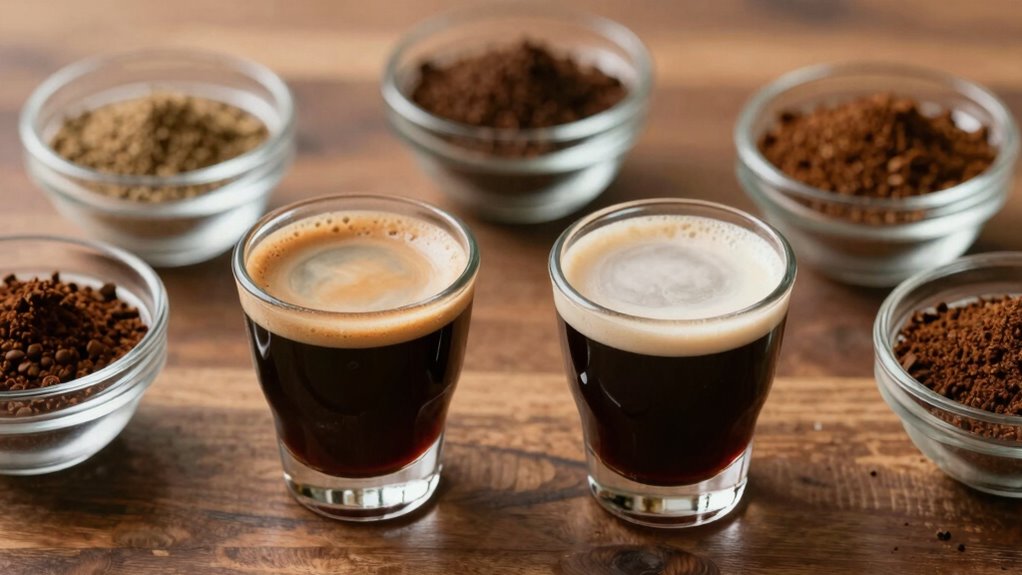
Grind size plays a crucial role in determining the taste of your espresso, as it directly influences extraction time and flavor balance. If you use a grind type that’s too coarse, your espresso may taste weak or sour due to under-extraction. On the other hand, a fine grind can lead to over-extraction, resulting in bitterness. Aim for grind consistency; uneven particles can cause erratic extraction, leading to unpredictable flavors. Espresso machine settings can also affect the overall brewing process, so it’s important to calibrate them to match your grind size. The ideal grind size can vary based on the coffee bean type, which highlights the importance of experimenting to achieve the best results. Additionally, understanding the impact of temperature on extraction can further refine your espresso’s flavor profile.
Finding the right grind size is essential for achieving that perfect shot. Experiment with adjustments to see how subtle changes affect your brew. Remember, each coffee bean is unique, so tailoring your grind size can elevate your espresso experience and eliminate those unwanted sour notes. Additionally, proper tipping can enhance your overall coffee experience by ensuring skilled baristas are appreciated for their craft. Investing in a high-quality grinder can also significantly improve your grind consistency, leading to better extraction and flavor.
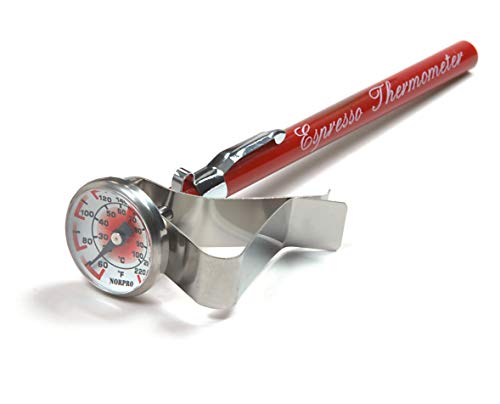
Norpro 5981 Espresso Thermometer
Effortlessly reach the perfect temperature every time!
As an affiliate, we earn on qualifying purchases.
As an affiliate, we earn on qualifying purchases.
The Importance of Water Temperature in Espresso?
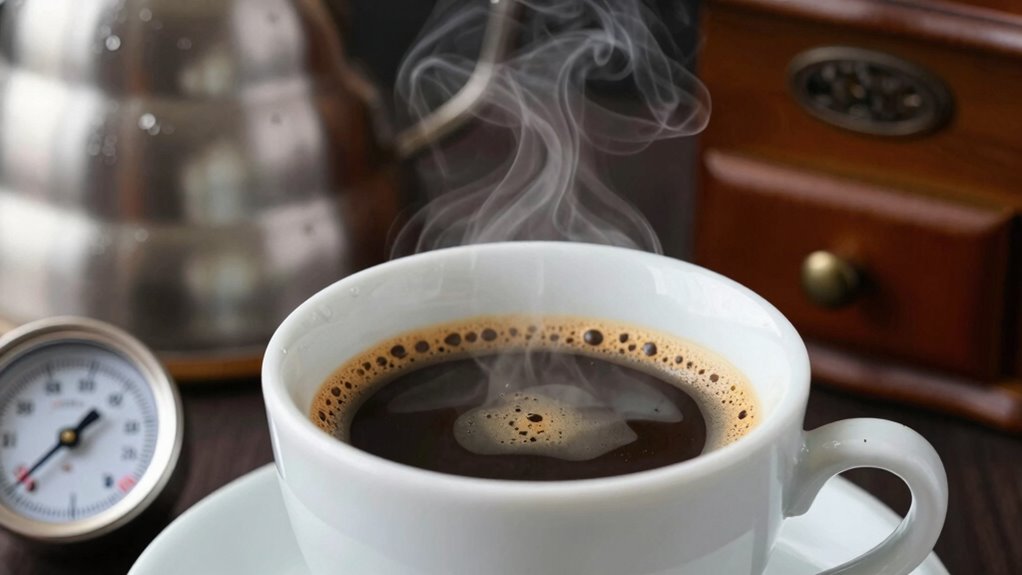
Getting the grind size right is only part of the equation for a perfect espresso; water temperature also plays a significant role in flavor extraction. The ideal temperature range is between 190°F and 205°F. If it’s too low, your espresso can taste sour; too high, and you risk over-extraction.
| Water Temperature | Flavor Impact |
|---|---|
| Below 190°F | Sour, under-extracted |
| 190°F – 205°F | Balanced, rich flavor |
| Above 205°F | Bitter, over-extracted |
How Brewing Time Impacts Espresso Flavor?
Sure! Here’s the revised article subheading content with the requested addition:
—
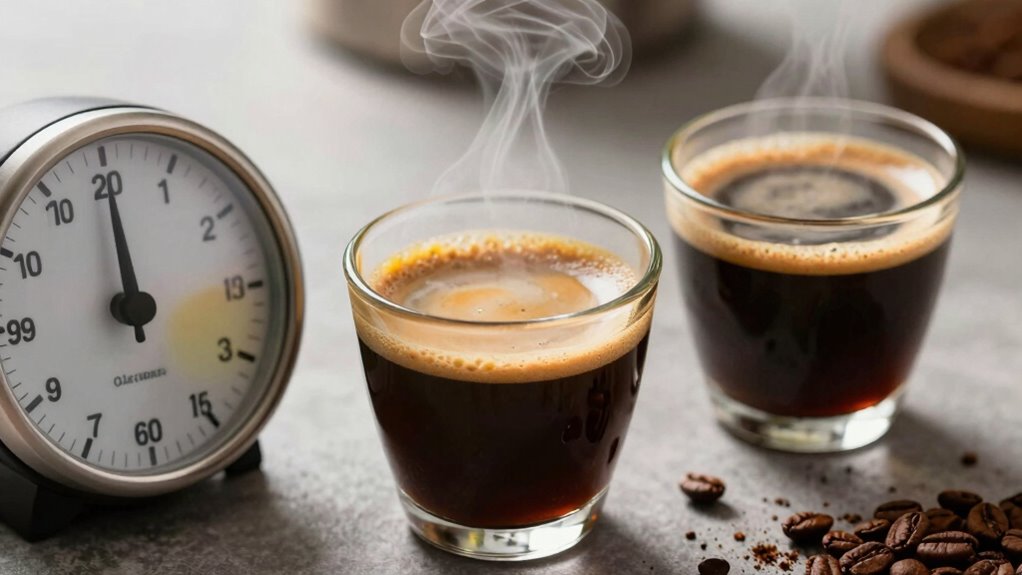
While the right water temperature sets the stage, brewing time is essential for revealing espresso’s full flavor potential. The extraction time directly influences how compounds dissolve from the coffee grounds, affecting the final taste. A shorter brewing time can result in sour, under-extracted flavors, while a prolonged extraction can lead to bitterness. Understanding high-impact recommendations can guide you in perfecting your espresso technique. Proper brewing techniques are essential for achieving consistent results in your espresso preparation. Smart kitchen tools can also help you monitor and optimize brewing parameters.
For instance, using quality espresso beans can enhance the overall flavor profile.
Consider these brewing techniques to optimize your espresso:
- Adjust grind size: Finer grind increases extraction, while coarser slows it down.
- Monitor pressure: Consistent pressure helps achieve balanced flavors.
- Experiment with time: Aim for an extraction of 25-30 seconds for ideal results.
- Taste as you go: Regularly sample to find your perfect balance of flavor.
Mastering brewing time can transform your espresso experience, much like how color accuracy impacts overall image quality in home cinema projectors.
—
Let me know if you need any further adjustments!
Common Mistakes to Avoid in Espresso Preparation
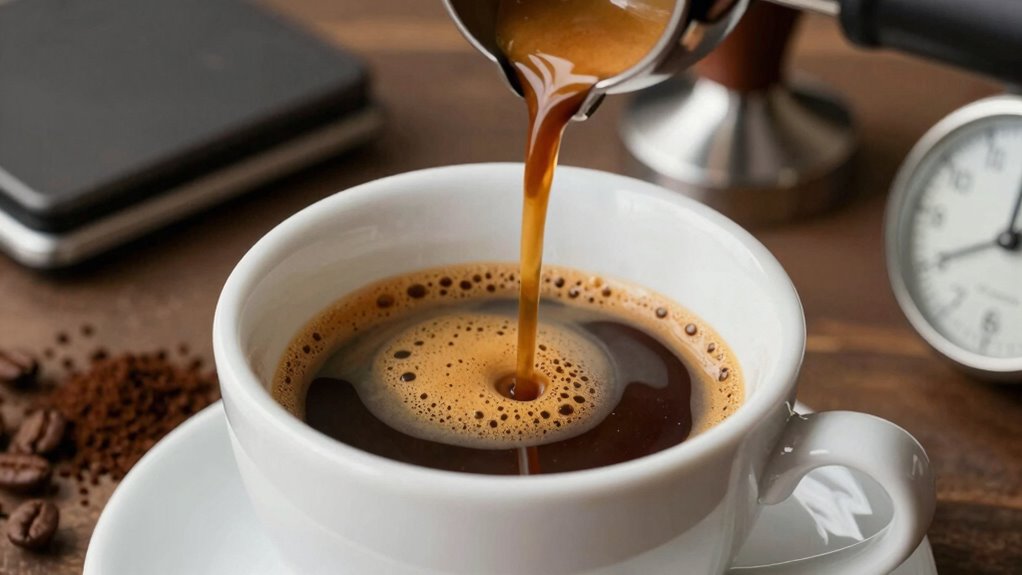
Many espresso enthusiasts unknowingly make small mistakes that can greatly impact their brew’s quality. One common error is neglecting equipment maintenance; dirty machines lead to off-flavors. Regularly clean your espresso maker and grinder to guarantee peak performance.
Another frequent mistake involves improper extraction techniques. If your grind size is too coarse or too fine, it can cause under-extraction or over-extraction, resulting in sour or bitter flavors. Always experiment with grind settings and tamping pressure to achieve a balanced shot.
Don’t forget to monitor water temperature and pressure during brewing, as these factors also play a vital role. By avoiding these pitfalls, you’ll be well on your way to crafting a delicious espresso that’s full of flavor.
Tips for Achieving Balanced Espresso
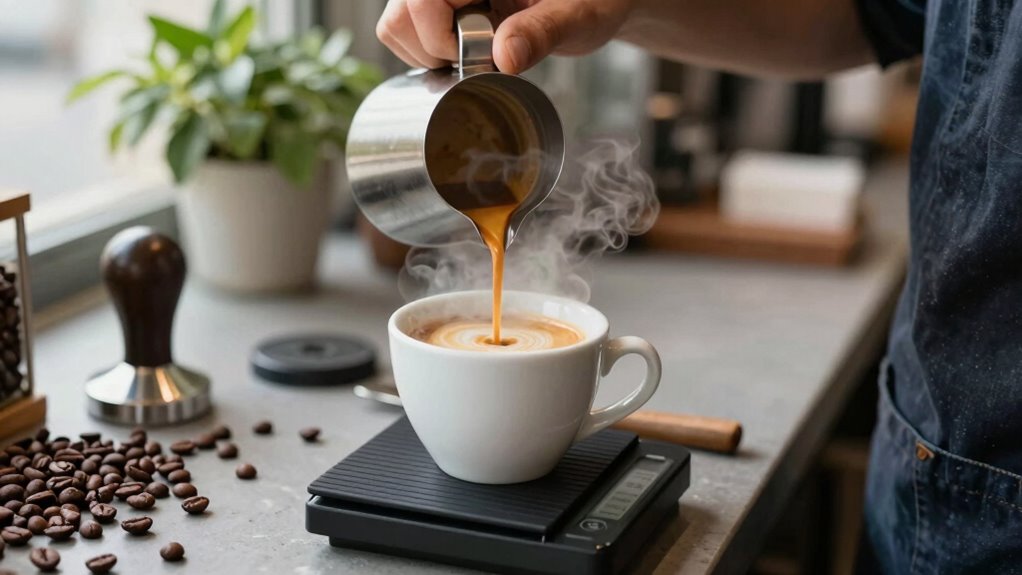
To achieve a balanced espresso, start by perfecting your grind size, as it’s essential for extraction. The right grind affects flavor balance, ensuring you avoid sour notes. Next, pay attention to your brewing temperature; too hot or too cold can disrupt taste profiling. Here are some tips to elevate your espresso game:
- Experiment with different coffee beans for unique flavors.
- Adjust your brew time to enhance or mellow specific notes.
- Use filtered water to prevent unwanted flavors from impacting your shot.
- Regularly clean your equipment to maintain ideal extraction.
When to Seek Professional Help for Espresso Issues?
If you’re struggling with sour-tasting espresso, it’s essential to recognize when you need professional help. Watch for common brewing issues like inconsistent extraction or equipment malfunctions that could be affecting your shots. Don’t hesitate to consult an expert if these problems persist, as they can provide tailored solutions to get your espresso back on track.
Common Espresso Problems Identified
While brewing a perfect espresso can be an art, several common problems can arise, leading to less-than-ideal results. Identifying these issues early can save you time and frustration. If you notice any of the following, it might be time to seek professional help:
- Inconsistent espresso extraction
- Off-tasting flavors disrupting taste balance
- Equipment malfunctions affecting brew quality
- Persistent sour or bitter notes in your shots
Addressing these problems promptly can enhance your espresso experience. Remember, achieving that harmonious taste balance is key, and sometimes, expert guidance is necessary to resolve deeper issues that you might not be able to fix on your own. Don’t hesitate to reach out for help when needed!
Signs Of Brewing Issues
Experiencing persistent sour notes in your espresso can be frustrating, and recognizing the signs of brewing issues is essential for maintaining quality. Keep an eye out for these indicators:
| Sign | Possible Cause | Action Needed |
|---|---|---|
| Inconsistent taste | Poor brewing techniques | Adjust grind size |
| Off flavors | Dirty espresso equipment | Clean the equipment |
| Low extraction yield | Incorrect brewing time | Fine-tune timing |
| Weak crema | Insufficient pressure | Check machine settings |
| Excessive bitterness | Over-extraction | Modify brewing technique |
When To Consult Experts
When sour flavors persist in your espresso despite your best efforts, it may be time to consult an expert. Seeking professional help can provide valuable insights that you might overlook. Expert consultation can lead to a thorough flavor analysis, helping you identify underlying issues.
Consider reaching out to a professional when you notice:
- Consistent sourness in multiple batches
- Inability to adjust grind size or brew time effectively
- Equipment malfunctions affecting extraction
- Uncertainty about your coffee bean quality
Addressing these concerns with an expert can elevate your espresso experience. By getting a trained eye on the situation, you’ll reveal the potential for a perfectly balanced brew that satisfies your palate. Don’t hesitate to seek help when needed!
Frequently Asked Questions
Can I Fix Sour Espresso With Different Milk Types?
Yes, you can fix sour espresso with different milk types. Using milk alternatives like oat or almond milk can help balance the flavor. These options often add creaminess and sweetness, reducing the sour notes. Experimenting with ratios also makes a difference—try adding more milk to your espresso or mixing in flavored syrups for a richer taste. Don’t hesitate to play around until you find the perfect blend that suits your palate!
Does the Type of Espresso Machine Affect Sourness?
When it comes to espresso, you can’t judge a book by its cover. Yes, the type of espresso machine does affect sourness. Machines with inconsistent machine pressure can lead to uneven extraction time, causing sour notes to dominate your shot. If your machine struggles with pressure or has a short extraction time, the flavors might not develop fully. Investing in a quality machine can make all the difference in achieving that balanced cup.
How Does Espresso Freshness Influence Taste?
Espresso freshness plays an essential role in taste. When beans are fresh, they maintain ideal oils and flavors, enhancing your shot. If you grind them too fine or have a long extraction time, you might end up with a sour taste. Fresh beans allow for better control over grind size and extraction time, ensuring a balanced flavor. So, always use freshly roasted coffee to get that rich, delicious espresso you desire!
Are There Specific Coffee Blends That Reduce Sourness?
Certain coffee blends can dance around that sourness. Look for dark roasts, as their deeper flavor profiles often balance out acidity, like a warm hug on a chilly day. Blends with beans from Brazil or Sumatra usually have lower acidity and richer notes. Experimenting with medium roasts can also help, as they often strike a harmonious balance between brightness and sweetness. Don’t hesitate to try different combinations!
Can Brewing Altitude Impact Espresso Flavor?
Yes, brewing altitude can definitely impact espresso flavor. At higher altitudes, lower air pressure affects water’s boiling point, which can change how your brewing techniques extract flavors. You might notice a different balance in acidity and sweetness. Plus, water quality matters—impurities can amplify sour notes. Experimenting with your brewing methods and sourcing high-quality water can help you achieve a smoother, more balanced espresso, regardless of altitude.
Conclusion
In your journey to perfect espresso, remember that sourness can be tamed with a few simple adjustments. Like fine-tuning a musical instrument, balancing grind size, water temperature, and brewing time creates a harmonious cup. Avoid common pitfalls, and soon you’ll savor rich, flavorful espresso that dances on your palate. If you find yourself still struggling, don’t hesitate to seek professional guidance. With practice and patience, you’ll transform confusion into clarity, one shot at a time.