
If your De’Longhi espresso machine is leaking water, it can disrupt your coffee routine and signal underlying problems. Water leaks can be caused by various issues, from simple clogs to more complex malfunctions. Addressing these promptly can save you time and prevent further damage.

Get coffee and tea gear delivered free with Prime
- Fast, free delivery on millions of items
- Prime Video, Amazon Music and more included
- Member-only deals all year
In this guide, we’ll walk you through practical troubleshooting steps, safety tips, and effective fixes to get your De’Longhi espresso machine back to optimal performance. Whether you’re experiencing minor drips or a significant leak, our step-by-step instructions are designed to be safe and easy to follow.
Key Takeaways
| Identify the leak source | Check if the leak is from the water tank, boiler, or internal components. |
| Regular maintenance helps | Descaling and replacing filters prevent leaks caused by mineral buildup. |
| Inspect seals and valves | Worn or damaged seals and valves are common leak causes. |
| Ensure proper assembly | Incorrect assembly can lead to water escaping during operation. |
| Seek professional repair if needed | Serious internal issues may require expert servicing. |
Step 1: Turn Off and Unplug the Machine
Before troubleshooting, ensure your De’Longhi espresso machine is turned off and unplugged from the power source. This prevents electrical hazards and allows the machine to cool down, especially if it has been in use recently. Wait a few minutes for internal components to cool before proceeding.
Step 2: Empty and Inspect the Water Tank
- Remove the water tank carefully from the machine.
- Check for cracks, damage, or loose fittings. If the tank is cracked, it will need replacing.
- Ensure the water tank is seated properly when reinstalled. An improper fit can cause leaks during operation.
Step 3: Check the Seals and Gaskets
Leaking often results from worn or damaged seals and gaskets, especially around the water tank, brew group, or internal connections. Examine these components closely:
- Look for cracks, tears, or signs of wear.
- Replace any damaged seals or gaskets. You can find replacement parts compatible with your model.
Step 4: Clean and Descale the Machine
Mineral buildup can cause blockages and pressure issues leading to leaks. Regular descaling helps maintain proper function. Use a descaling solution such as De’Longhi EcoDecalk:
- Follow the manufacturer’s instructions for your specific model.
- Run the descaling cycle to remove limescale deposits.
Step 5: Inspect Internal Components
If the leak persists, internal components like the boiler, valves, or water pump may be faulty. Carefully check for signs of corrosion, cracks, or loose fittings. If you’re uncomfortable doing this yourself, it’s best to contact a professional technician.
Tips & Warnings for Safe Troubleshooting
- Always unplug the machine before opening or inspecting internal parts.
- Use only manufacturer-approved replacement parts to ensure safety and compatibility.
- Do not attempt repairs that involve electrical components unless qualified.
- If you detect a crack or severe damage, replace the affected part or consider professional repair.
The Products in This Guide
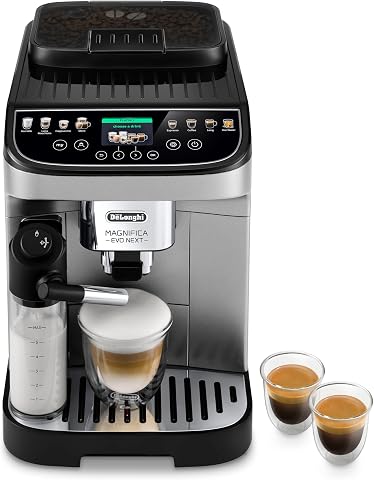
De’Longhi Magnifica Evo Next Fully Automatic Espresso Ma
- ✔ Warranty: 1 year
- ✔ Warranty Type: Limited
- ✔ Included Accessories: Water filter, cleaning tablets

De’Longhi Replacement Water Filter
- ✔ Filter Type: Activated carbon
- ✔ Replacement Indicator: Yes
- ✔ Pack Size: 1 filter
De’Longhi Magnifica Evo Next Fully Automatic Espresso Ma
The De’Longhi Magnifica Evo Next Fully Automatic Espresso Machine offers excellent convenience with its programmable features, built-in grinder, and milk frother. Regular maintenance and careful handling help prevent leaks and ensure longevity.
Pros:
- Automatic cleaning functions
- Integrated grinder with multiple settings
- Consistent espresso quality
- User-friendly interface
Cons:
- Can be complex to disassemble for repairs
- Requires regular descaling
- Water tank size may be limiting for heavy use
Best for: Home baristas who want a versatile, all-in-one espresso solution
Not ideal for: Users uncomfortable with DIY repairs or descaling
Bottom line: A versatile machine that, with proper maintenance, performs reliably over time.
De’Longhi Replacement Water Filter
Using a water filter like the De’Longhi Replacement Water Filter can significantly reduce mineral deposits, helping prevent leaks caused by scale buildup. It’s easy to install and enhances water quality for better-tasting coffee.
Pros:
- Easy to install
- Improves water quality
- Reduces scale buildup
- Enhances machine lifespan
Cons:
- Requires replacement every few months
- Additional cost
- Not a fix for internal leaks
Best for: Maintaining water quality and preventing scale-related leaks
Not ideal for: Machines with existing internal damage
Bottom line: A practical addition to prolong your machine’s life and improve coffee taste.
Frequently Asked Questions
Why is my De’Longhi espresso machine leaking water?
Leaks can be caused by damaged seals, cracks in the water tank, mineral buildup, or internal component failures. Inspect and address each possibility as outlined in the troubleshooting steps.
How often should I descale my De’Longhi espresso machine?
It’s recommended to descale every 2-3 months, depending on usage and water hardness. Regular descaling prevents mineral buildup that can cause leaks and performance issues.
Can I repair internal leaks myself?
While some minor repairs like replacing seals are manageable, internal component repairs typically require professional service to ensure safety and proper functioning.
How do I prevent water leaks in the future?
Regularly descale your machine, replace water filters as needed, and ensure all components are correctly assembled and free from damage.
What should I do if the leak persists after troubleshooting?
Contact De’Longhi customer support or a qualified appliance technician for further diagnosis and repair options.
Keep Your Espresso Brewing Perfectly Without Leaks
Water leaks in your De’Longhi espresso machine can be frustrating, but most issues are fixable with careful inspection and maintenance. Regularly check seals, clean, and descale your machine to prevent future leaks. When in doubt, professional repair ensures safety and longevity. With proper care, your espresso machine will continue delivering delicious coffee for years to come.
Affiliate disclosure: As an Amazon Associate we earn from qualifying purchases. Prices and availability are accurate as of the time of publishing.
Columbus Day / Indigenous Peoples' Day Picks
long weekend sales
As an affiliate, we earn on qualifying purchases.