TL;DR
A review published Aug. 11 examined whether coffee, caffeine and coffee compounds may reduce some metabolic effects linked to high fructose intake. Most favorable evidence came from animal studies; the only human trial found coffee reduced a rise in liver glucose production but did not prevent liver fat accumulation.
A review of research on coffee and high fructose intake found a possible effect on one measure of liver metabolism, but the evidence is limited: the only human study identified found coffee reduced a fructose-related increase in glucose production, not the buildup of fat in liver cells. The review, published Aug. 11 in the journal Diseases, cautions that most favorable findings come from animal studies and that coffee is not an antidote to a high-fructose diet.

Get coffee and tea gear delivered free with Prime
- Fast, free delivery on millions of items
- Prime Video, Amazon Music and more included
- Member-only deals all year
The review examined research on coffee, caffeine and coffee compounds, including chlorogenic acid and caffeic acid, and whether they might blunt metabolic changes associated with high fructose intake. Fructose is found in some sweetened drinks and has been linked in research to conditions including obesity, insulin resistance and fatty liver disease. The review evaluated possible biological effects; it was not a clinical recommendation to use coffee to counter those risks.
The authors identified one human trial that directly tested coffee alongside high fructose intake. Healthy young men drank four cups of coffee daily for 14 days, with high fructose added during the final six days. The fructose increased fat inside liver cells and prompted the liver to produce more glucose. Coffee attenuated the rise in glucose production, which the study authors interpreted as suggesting improved liver insulin sensitivity.
However, none of the coffee preparations in that trial prevented the increase in liver fat. Animal studies reported more consistently favorable results, according to the review, but those findings do not establish that brewed coffee will have the same effects in people. The researchers were affiliated with Mexico’s Instituto Mexicano del Seguro Social and Hospital Infantil de México Federico Gómez. The paper reported no external funding, and its authors declared no conflicts of interest.
Why Coffee Does Not Cancel Sugar
The findings matter because they distinguish a possible change in one metabolic measure from broader protection against the effects of high fructose intake. In the human trial, coffee was associated with a smaller increase in liver glucose production, but liver fat still rose. Readers should not take that result as evidence that adding coffee makes a sugary drink or a high-fructose diet harmless.
The review also highlights how much the health question depends on the quality and scope of the evidence. A result in animals can point researchers toward possible mechanisms, but it cannot show that people who drink coffee alongside fructose will receive the same benefit. The authors’ caution is especially relevant to sweetened coffee: a drink containing coffee can also contain added sugar, so coffee’s potential biological effects do not erase what is in the rest of the beverage or a person’s overall diet.
For consumers, the practical takeaway is limited: the review raises a research question, not a new dietary prescription. Its human evidence was based on a small, short-term trial of healthy young men, and it did not show prevention of liver fat accumulation. Broader claims about long-term disease prevention would go beyond what this review established.
Products Worth Considering

De'Longhi Magnifica Start Automatic Espresso Machine with Milk Frother, Silver
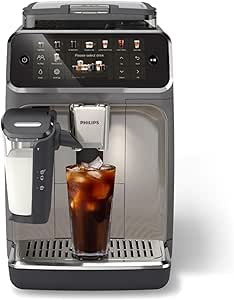
Philips 5500 Series Fully Automatic Espresso Machine with LatteGo Milk System

De’Longhi Rivelia Fully Automatic Espresso Machine with Grinder and Milk Frother, Beige
As an affiliate, we earn on qualifying purchases.
A Small Human Evidence Base
The review’s central limitation is the gap between laboratory and animal research and controlled studies in people. Although animal studies produced more favorable findings, the authors said those experiments may help identify possible pathways rather than prove that ordinary brewed coffee protects humans. The review identified only one human study directly examining the coffee-fructose interaction.
That trial lasted 14 days, with the high-fructose period limited to the final six days. It measured short-term changes in liver glucose production and fat inside liver cells; it did not establish what happens over longer periods or whether the observed glucose change leads to a meaningful health outcome. The review’s authors described coffee and its bioactive compounds as potential contributors to health effects, not as established treatment for metabolic harm.
The report also sits alongside other research on coffee and health, including studies of gut bacteria, blood-sugar pathways and diabetes risk. Daily Coffee News has reported on work suggesting that added sugar or artificial sweeteners may alter associations between coffee consumption and health outcomes. Those separate studies do not prove the conclusions of this review, but they underscore why coffee’s effects cannot be assessed without considering additives and broader dietary patterns.
“Coffee consumption may represent a potential protective dietary factor against metabolic alterations promoted by Western dietary patterns, particularly those associated with high fructose intake.”
— The review’s authors
What Human Studies Have Not Shown
It remains unclear whether coffee produces a sustained or clinically meaningful benefit when people consume high amounts of fructose. The review found just one direct human trial, involving healthy young men over a brief period. Its result on glucose production does not establish protection from fatty liver disease, insulin resistance or other long-term conditions.
The supplied report does not provide the trial’s participant count, the amount or specific source of fructose, or enough detail to compare the effects of different coffee preparations. It also does not establish whether results would apply to women, older adults, people with existing metabolic conditions or people consuming coffee with added sugar. Those questions require further research. The review itself does not establish that coffee prevents any disease.
Further Trials Needed in People
The review does not announce a new clinical trial or a planned follow-up. The next evidence needed would come from further controlled studies in people that test coffee and fructose over longer periods, report their methods and participant groups clearly, and measure outcomes beyond short-term changes in glucose production. Until such evidence is available, the animal findings should be treated as preliminary and the human result as limited.
For now, the review’s conclusion is cautious: coffee may affect some metabolic responses to fructose, but the available research does not show that it prevents liver fat buildup or offsets a high-fructose diet. Readers should look for future studies that directly test these outcomes in humans rather than interpreting the review as advice to pair coffee with sugary foods or drinks.
Key Questions
What did the review find about coffee and fructose?
The review found limited evidence that coffee may reduce some metabolic effects associated with high fructose intake. Most favorable results came from animal studies, and the review does not establish that coffee prevents disease.What happened in the human trial?
Healthy young men drank four cups of coffee per day for 14 days, with high fructose added for the final six days. Coffee attenuated the rise in liver glucose production, but none of the coffee preparations prevented fat from building up in liver cells.Does coffee protect the liver from a high-fructose diet?
The review does not establish that it does. The one human study found a change in glucose production but no prevention of liver fat accumulation, and its short duration limits what can be concluded.Can coffee cancel out sugar in a sweetened drink?
No such conclusion follows from the review. It did not show that coffee neutralizes added sugar or makes a high-fructose diet harmless.Source: rss