🔍 Read the full analysis: Caffè Al Bar: The Unwritten Rules Of Ordering Coffee In Italy on Mad Tasting
Open a free Amazon Business account
Business pricing, bulk buying and tax-exempt orders.
Create a free accountAs an affiliate, we earn on qualifying purchases.
TL;DR
In Italy, ordering ‘un caffè’ means requesting an espresso, typically drunk standing at the bar within minutes. Paying first or after varies by location, and customs around drinks like cappuccino are based on tradition, not law. Knowing these rules helps travelers blend in and enjoy authentic Italian coffee culture.
In Italy, the traditional way of ordering coffee involves a brief greeting, a simple request for ‘un caffè,’ and drinking it standing at the bar within minutes. For more details on Italian coffee customs, see Caffè al Bar: The Unwritten Rules of Ordering Coffee in Italy. These customs are deeply ingrained in local culture and differ markedly from practices in other countries, making understanding them essential for travelers. Recent observations confirm that these unwritten rules remain prevalent across Italy, shaping the experience of coffee consumption in the country.
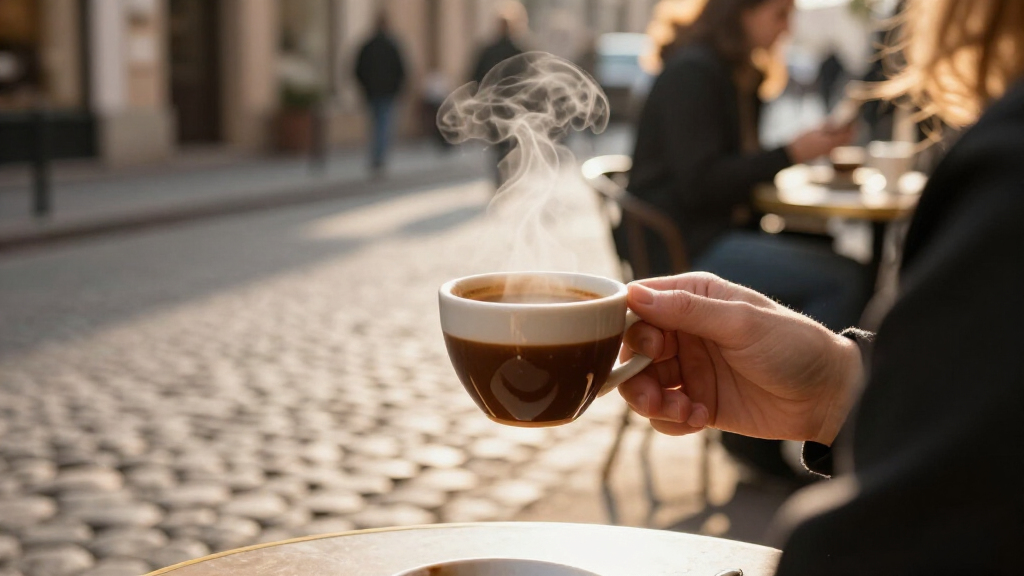
In Italy, ‘un caffè’ universally refers to an espresso, which is typically consumed standing at the bar in less than five minutes. The standard greeting when ordering is ‘Buongiorno’ or ‘Buonasera,’ followed by ‘un caffè, per favore.’ The interaction is brief and choreographed: the barista may ask if you want a ‘normale’ or ‘macchiato,’ and you respond accordingly. Paying can be either before or after drinking, depending on the bar, so it’s advisable to ask ‘Dove si paga?’ upon arrival. The price at the counter usually ranges from €1.10 to €1.30, significantly cheaper than table service, which often costs double or more. Regional variations exist, with tourist spots like Venice charging up to €6 for a table coffee, including extras like music surcharge.
Drinks with milk, such as cappuccino and latte, are traditionally reserved for breakfast hours, generally before 11 a.m., although this is a social convention rather than a strict rule. Ordering a cappuccino later in the day may mark you as a tourist or outsider, but it is not prohibited. Understanding the etiquette can help travelers blend in more easily. The language used is minimal: a simple ‘Buongiorno, un caffè, per favore’ suffices; elaborations or narrations are considered impolite. Payment methods vary, with cash preferred at small bars, though contactless cards are increasingly accepted. The menu offerings include variations like ristretto, lungo, and decaffeinated options, with specific terms for each.
Caffè al Bar: The Unwritten Rules of Ordering Coffee in Italy
In Italy, ordering “un caffè” means requesting an espresso — drunk standing at the bar, within minutes. Payment timing, milk-drink etiquette, and regional pricing all follow tradition rather than law. Learn the choreography and blend in like a local.
The Choreography of the Bar
The interaction is brief, polished, and repeatable. Five steps, two minutes, one perfect espresso. Elaborations or narrations are considered impolite — brevity is the politeness.
Greet
Enter and say “Buongiorno” (morning) or “Buonasera” (evening) to the barista.
Check Payment
Ask “Dove si paga?” — some bars use a separate cashier, others let you pay after.
Order
Say “Un caffè, per favore.” The barista may ask “normale” or “macchiato”.
Drink Standing
Consume at the bar counter — a tradition dating to the early 20th century.
Pay & Go
Settle up if you haven’t, cash preferred at small bars; contactless increasingly accepted.
Know Your Order
“Un caffè” universally means espresso. Everything else on the menu has its own precise term — use them correctly and you’ll be served like a regular.
Caffè (Normale)
A single espresso, the standard order. When in doubt, this is what “un caffè” delivers — anywhere in Italy.
Ristretto & Lungo
Ristretto is a shorter, more concentrated pull; lungo runs longer and milder. Both are acceptable all day.
Cappuccino & Latte
Traditionally breakfast-only, before 11 a.m. Ordering later marks you as a tourist — tolerated, not prohibited. Note: “latte” alone means just milk.
Caffè Macchiato
Espresso “stained” with a splash of milk — the barista’s standard follow-up question: normale or macchiato?
Caffè Decaffeinato
Decaffeinated espresso, widely available and ordered without stigma at any hour of the day.
Caffè Americano
Espresso diluted with hot water for those seeking a longer cup — order it without apology, but expect a glance.
Where You Drink Changes What You Pay
The same coffee can cost six times more depending on where and how you consume it. Locals stand; tourists sit — and the receipt shows it.
Hidden Extras
Tourist-heavy venues like Venice may add a music surcharge or cover charge to table service. The unwritten rule: drink at the counter, pay local prices.
Customs Scorecard: Do It Like a Local
These conventions are social, not legal — but following them earns smoother service and genuine interactions with locals.
| Behaviour | Local Verdict | Why |
|---|---|---|
| Say “Buongiorno” before ordering | ✓ Essential | Skipping the greeting reads as rude in any Italian bar. |
| Order cappuccino after 11 a.m. | ✗ Marks you as a tourist | Milk is seen as a breakfast food; tolerated, never traditional. |
| Drink standing at the counter | ✓ The local way | Faster, cheaper, and the norm since the early 20th century. |
| Ask “Dove si paga?” on arrival | ✓ Smart move | Payment before or after varies bar to bar — no nationwide rule. |
| Long narrations when ordering | ✗ Impolite | Keep it to a greeting plus “un caffè, per favore.” |
| Paying by contactless card | ~ Increasingly fine | Cash still preferred at small bars, but digital payment is rising. |
One Country, Many Coffee Cultures
Core customs stay consistent nationwide, but each city adds its own accent — from Naples’ vibrant informality to Milan’s split service styles.
Vibrant & Informal
A lively, no-frills coffee scene where the bar ritual moves fast and social banter is part of the order.
Variable by District
Prices and service styles shift noticeably between neighbourhoods — observe first, then order.
Tourist Premium
Higher prices, overt service charges, and more flexible etiquette — the customs soften where tourists crowd.
Quick Answers for Travelers
What visitors ask most about ordering coffee in Italy — settled in brief.
Q1Is it acceptable to order a cappuccino after 11 a.m.?
Generally tolerated, especially in tourist areas — but locals see it as a breakfast drink, so it may mark you as an outsider.
Q2Should I pay before or after drinking?
It varies by bar. Some require payment first at a separate cashier; others allow paying after. Ask “Dove si paga?” or watch the locals.
Q3What should I say when ordering?
Start with “Buongiorno,” then “un caffè, per favore.” Keep it brief — elaborations are considered impolite.
Q4Can I order milk-based drinks at any time?
Traditionally morning-only, but in many places — especially tourist areas — you can order them all day. Locals may view it as non-traditional.
Understanding Italy’s Coffee Customs Enhances Travel Experience
Knowing these customs allows travelers to navigate Italy’s coffee culture smoothly, avoiding unintentional rudeness or misunderstandings. It also enriches the experience by enabling authentic interactions with locals, who view coffee as a quick social ritual rather than a leisurely activity. For tourists, respecting the timing and language conventions can lead to better service and a more genuine taste of Italian daily life.
As an affiliate, we earn on qualifying purchases.
Historical and Regional Variations in Coffee Etiquette
Italy’s coffee culture has evolved over centuries, rooted in the social fabric of neighborhoods and cities. The tradition of standing at the bar dates back to the early 20th century, emphasizing efficiency and social interaction. Regional differences are notable: in Naples, for example, the coffee scene is more vibrant and informal, while in Milan, prices and service styles may vary more distinctly between neighborhoods. Tourist-heavy areas, like Venice and Rome, often feature higher prices and more overt service charges, but the core customs remain consistent across the country.
Recent trends include the rise of contactless payments and an increased acceptance of ordering coffee to go, yet the fundamental etiquette—brief interactions, minimal orders, and respect for local customs—remains unchanged.
As an affiliate, we earn on qualifying purchases.
Unclear Aspects of Coffee Payment and Service
While the general customs are well understood, specifics about whether to pay before or after ordering can vary by bar, and there is no nationwide regulation. It is not yet clear how widespread the practice of paying first is at small neighborhood bars versus larger cafes. Additionally, regional variations in the timing of milk-based drinks and the acceptance of ordering cappuccino later in the day remain somewhat fluid, especially in tourist areas where practices are more flexible.
As an affiliate, we earn on qualifying purchases.
Emerging Trends in Italy’s Coffee Culture
As Italy continues to modernize, payment methods are increasingly digital, and some bars are experimenting with new service models that blend traditional customs with contemporary convenience. Travelers can expect ongoing regional adjustments and the potential normalization of ordering drinks like cappuccino outside traditional hours. Monitoring these changes will help visitors adapt and enjoy authentic experiences without inadvertently breaking social norms.
As an affiliate, we earn on qualifying purchases.
Key Questions
Is it acceptable to order a cappuccino after 11 a.m.?
While traditionally reserved for breakfast, ordering a cappuccino after 11 a.m. is generally tolerated, especially in tourist areas. However, locals often see it as a breakfast drink, so doing so may mark you as a tourist or outsider.
Should I pay before or after drinking my coffee?
It varies by bar. Some require payment first, especially if there’s a separate cashier; others allow paying after. It’s best to ask ‘Dove si paga?’ upon arrival or observe local practice.
Can I order a milk-based drink like a latte or cappuccino at any time?
Traditionally, milk drinks are reserved for morning hours, but in many places, especially in tourist areas, you can order them throughout the day. Be aware that locals may view this as non-traditional.
What should I say when ordering in Italy?
Start with a polite greeting like ‘Buongiorno,’ then say ‘un caffè, per favore.’ Keep it brief and avoid long narrations or explanations.
Are there regional differences in coffee customs?
Yes, practices vary across Italy. For example, Naples has a more informal scene, while Milan’s prices and service styles differ. Tourist spots tend to have higher prices and more flexible customs.
Source: Mad Tasting
Flea & tick season Picks
flea and tick prevention
As an affiliate, we earn on qualifying purchases.