Cold brew coffee stands out for its smooth, rich flavor, thanks to a 12 to 24-hour steeping process. Your choice of filtration method impacts not just the taste but also the clarity of your brew. Whether you’re using mesh strainers, paper filters, or a French press, each method offers unique pros and cons. By experimenting with different techniques, you can refine your cup. Discover even more about how to elevate your cold brew experience further.
Key Takeaways
- Cold brew coffee’s smooth flavor profile results from long steeping in cold water, extracting fewer bitter compounds than hot brewing methods.
- Different filtration methods impact flavor and clarity; paper filters yield cleaner cups while metal filters enhance richness and body.
- Common filtration options include mesh strainers for convenience, coffee filters for smoothness, and French presses for robust flavors.
- Brewing time influences taste; longer steeping enhances sweetness, while shorter times highlight acidity, depending on the chosen filter.
- Troubleshooting filtration issues can involve adjusting filter coarseness, allowing sediment to settle, or monitoring steeping times for optimal flavor.
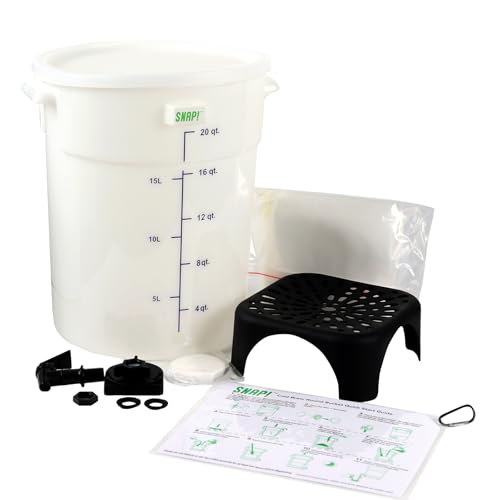
Snap! 5 Gallon Cold Brew Coffee Maker – Low Acid Commercial Cold Brew System with Dual Filtration for Smooth Coffee -Cold Brew Coffee Set-White
LOW-ACID COLD BREW EXPERIENCE Designed with the SNAP! flavor enhancement system to help reduce coffee acidity by up…
As an affiliate, we earn on qualifying purchases.
As an affiliate, we earn on qualifying purchases.
What Makes Cold Brew Coffee Stand Out?
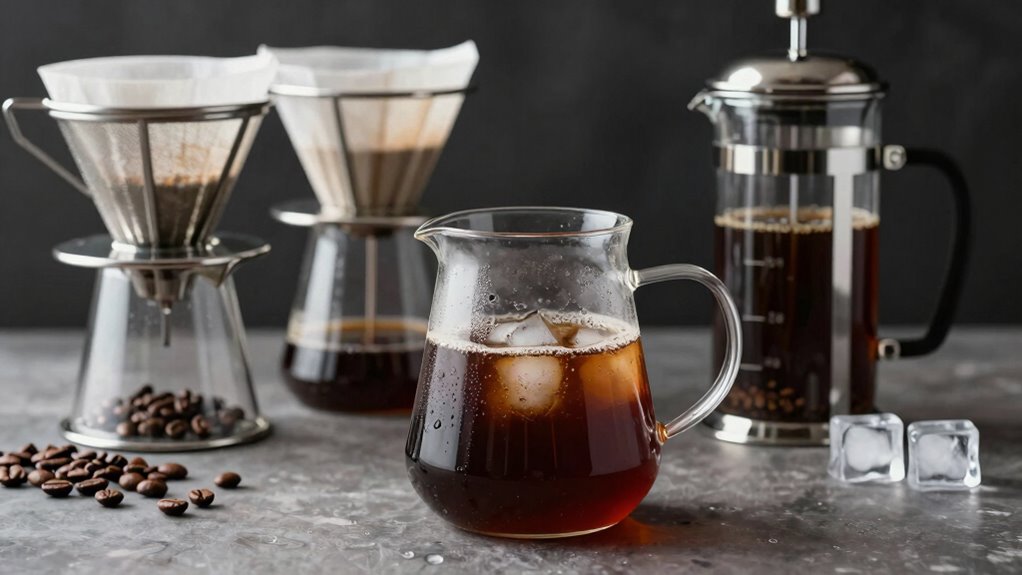
When you take a sip of cold brew coffee, you’re instantly greeted by its smooth, rich flavor, which sets it apart from traditional hot brews. This unique taste originates from its cold brew origins, where coffee grounds steep in cold water for an extended period, usually 12 to 24 hours. These brewing techniques extract fewer bitter compounds and acidity, resulting in a mellow profile that many coffee lovers appreciate. You’ll notice that cold brew often feels less harsh on your stomach, making it a go-to choice for those sensitive to acidity. Plus, its versatility allows you to enjoy it black or with milk, giving you options for your perfect cup. Cold brew truly transforms your coffee experience.

Bodum 51oz Cold Brew Coffee Maker, Black – Made in Portugal
Cold coffee brewer that brews smooth, refreshing, naturally sweet coffee that’s less acidic that traditionally brewed coffee.
As an affiliate, we earn on qualifying purchases.
As an affiliate, we earn on qualifying purchases.
How Filtration Influences Cold Brew Flavor and Clarity
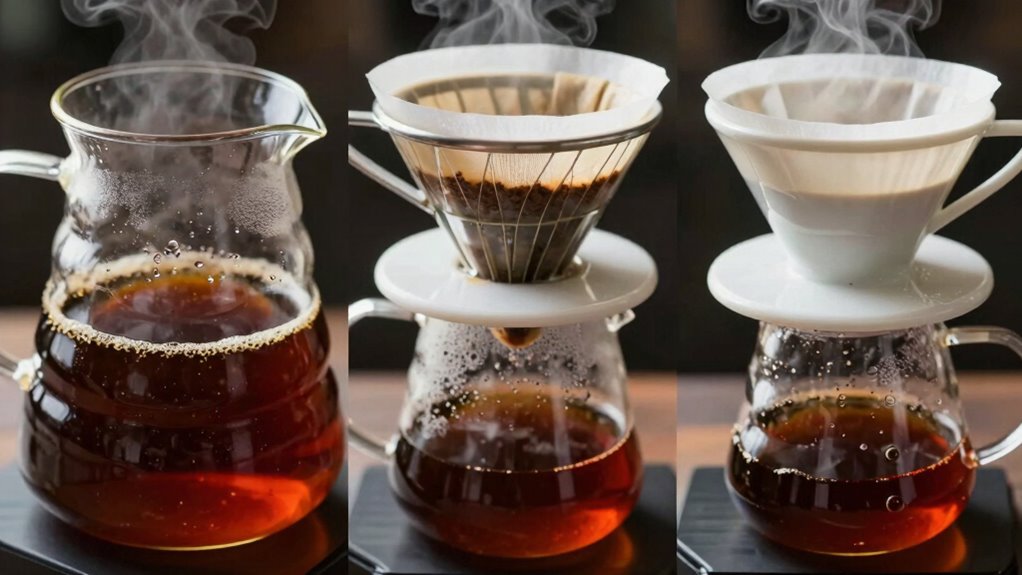
When you filter your cold brew, you’re not just affecting its clarity; you’re also shaping its flavor profile. Different filtration methods can bring out or suppress specific taste notes, giving you a unique tasting experience. Understanding these impacts can help you craft the perfect cup that suits your palate.
Flavor Profiles Comparison
While exploring cold brew filtration methods, you’ll notice that the choice of filter can greatly affect both flavor and clarity. The method you select influences how your brew interacts with various taste preferences and brewing temperatures. Here are three key aspects to evaluate:
- Coarseness of the Filter: A coarser filter retains more oils, leading to a fuller flavor profile. This is similar to how natural remedies can enhance the taste experience in various beverages. Additionally, using a coarser filter can allow for more essential oils to remain in the brew, contributing to a richer aroma. Furthermore, the right filtration choice can significantly impact your overall self-image as you enjoy your drink. The brewing methods you choose can also play a role in achieving your desired flavor.
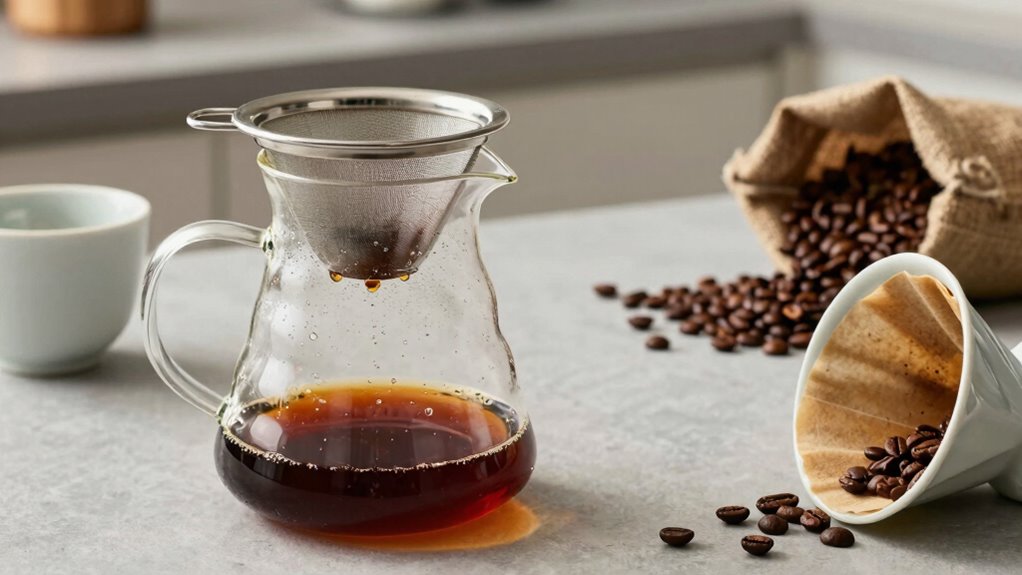
- Filter Material: Stainless steel filters can produce a bolder taste, while paper filters may yield a cleaner, crisper profile.
- Brewing Time: Longer extraction times with certain filters can enhance sweetness, while others might highlight acidity.
Choosing the right filtration method not only defines your cold brew’s flavor but also tailors it to your unique taste. Additionally, understanding color accuracy can help you appreciate the visual presentation of your cold brew experience.
Clarity Impact Factors
Several factors influence how filtration affects the flavor and clarity of your cold brew. The choice of brewing techniques plays a vital role; coarser grinds often result in a clearer brew, while finer grinds can lead to sediment and cloudiness. Additionally, the type of filtration method you use—be it a paper filter, mesh sieve, or specialized cold brew system—can greatly impact clarity factors. Paper filters tend to remove oils and fine particles, leading to a cleaner taste and appearance. Conversely, using a mesh filter allows more oils and sediment through, enhancing body but potentially sacrificing clarity. By understanding these factors, you can better control the flavor and presentation of your cold brew, tailoring it to your preferences. Moreover, considering marine GPS technology can help you track the best locations for sourcing fresh coffee beans while enjoying the outdoors. Regularly using air purifier maintenance techniques can also help create a cleaner environment for brewing, enhancing the overall experience. Additionally, proper care for your kitchen gear will ensure that your brewing equipment remains in optimal condition, contributing to the quality of your cold brew. Maintaining HEPA filters in your home can also improve air quality, which indirectly enhances the freshness of your ingredients. Ultimately, focusing on high-impact recommendations can simplify your selection of brewing tools, enhancing your cold brew experience.

URCYLA Cold Brew Bags, 120 Count Brew Coffee Filter Bags, 4 * 6 Inch Fine Mesh Drawstring Pouches, Fits Mason Jars & French Press, Ideal for Tea, Herbs & Spices
Smooth Cold Brew Bags, No Mess – Fine mesh design keeps grounds contained, ensuring a clean, rich cold…
As an affiliate, we earn on qualifying purchases.
As an affiliate, we earn on qualifying purchases.
The Different Types of Cold Brew Filtration Methods
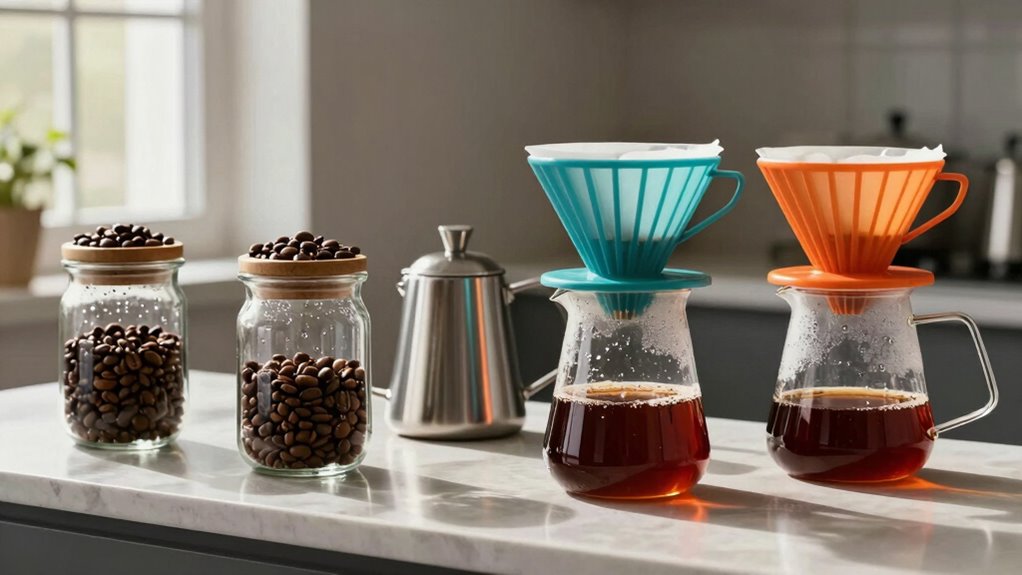
As you explore the world of cold brew coffee, you’ll encounter various filtration methods, each offering its own unique benefits. Understanding these can enhance your brewing experience and taste experiments. Here are three popular filtration methods:
Explore the diverse filtration methods of cold brew coffee to elevate your brewing experience and flavor experimentation.
- Mesh Strainers: Simple and efficient, they allow for quick steeping and easy cleanup. Adjust your brewing ratios for ideal flavor.
- Coffee Filters: These provide a cleaner cup, capturing fine particles. Experiment with different ingredient choices for a smoother taste.
- French Press: Perfect for those who enjoy robust flavors, it retains the oils and body of the coffee. Consider how you’ll store your cold brew after brewing to maintain freshness. Additionally, the impact of brewing time can significantly influence the flavor profile of your cold brew.
Choose the method that suits your taste and serving methods best!

Mongdio Pour Over Coffee Dripper, Stainless Steel Coffee Dripper, Reusable Metal Coffee Filter, Double-Mesh Design, Clever Dripper with Handle, For Home, 1-4 Cups
Premium Materials: Our pour over coffee dripper is made of durable, 304 stainless steel and features a double-layer…
As an affiliate, we earn on qualifying purchases.
As an affiliate, we earn on qualifying purchases.
Weighing the Pros and Cons of Mesh Strainers
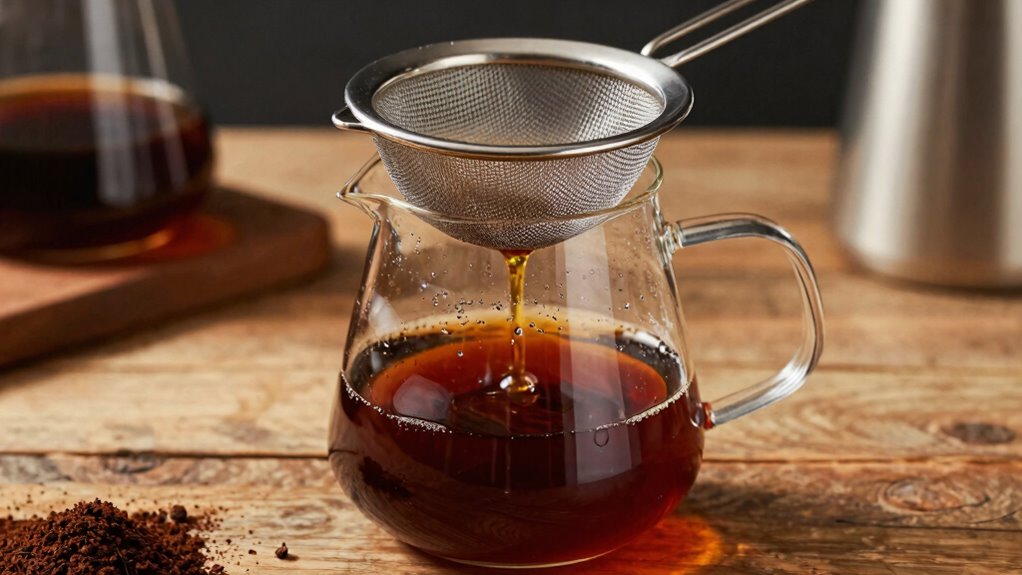
When it comes to cold brew filtration, mesh strainers stand out with their blend of convenience and efficiency. They’re easy to use and clean, making them a popular choice for many coffee enthusiasts. You’ll appreciate their mesh durability, which allows for repeated use without wear and tear. However, keep in mind that while they filter out larger coffee grounds effectively, they might not catch finer particles, potentially leaving some sediment in your brew. Additionally, kitchen science shows that the extraction process can be influenced by the filter type you choose. Using ergonomic tools in your coffee-making routine can also enhance your comfort while brewing. Incorporating high-quality carrier oils can help improve the overall experience by ensuring a smoother blend with your coffee. In fact, sleep hygiene practices can also enhance your overall well-being, making your coffee rituals even more enjoyable. On the plus side, their strainers’ efficiency means you can quickly pour your cold brew without long waiting times. Just be aware that if you prefer a super smooth finish, you might need an additional filtration step. Overall, mesh strainers provide a practical option for your cold brew needs. Additionally, using high-quality filters can enhance the clarity of your final brew, ensuring a smoother taste.
How Coffee Filters Shape Your Cold Brew
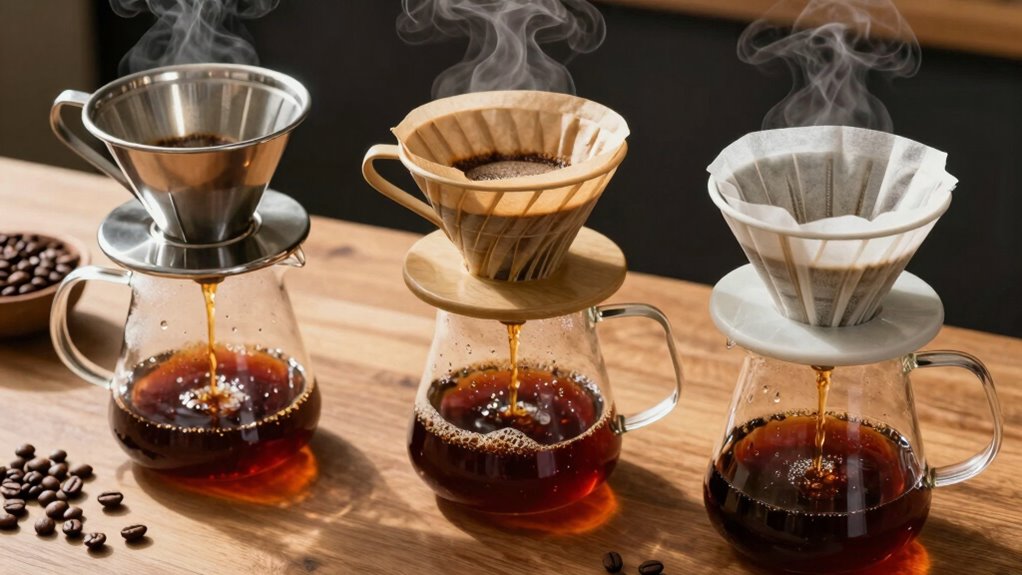
When it comes to cold brew, the type of coffee filter you choose can greatly impact your drink’s flavor and texture. Each filter type affects brewing time and extracts different flavor profiles, shaping your final cup. Let’s explore how these choices influence your cold brew experience.
Filter Types Explained
Choosing the right filter type can greatly impact your cold brew’s flavor and clarity. Each filter type has its unique benefits, influencing both the brewing process and the final product. Here are three popular options to evaluate:
- Paper Filters: These offer great clarity and ease of use but can lack durability. Some brands promote filter sustainability, making them eco-friendly choices.
- Metal Filters: Known for their durability, they let more oils through, enhancing body but may require more cleaning.
- Cloth Filters: These strike a balance between durability and flavor, providing a smooth cup while being reusable and eco-conscious. Additionally, using the right brewing method can further enhance your cold brew experience.
Flavor Profiles Impacted
While the filter type you choose may seem like a minor detail, it greatly influences the flavor profile of your cold brew. Different filters can enhance or mute specific flavor nuances, impacting your overall experience. For instance, a paper filter often captures more oils, resulting in a smoother, less acidic brew. This can highlight sweeter notes and reduce bitterness, making it a favorite for those who prefer a mellow taste. On the other hand, a metal filter allows more oils through, boosting richness and complexity but potentially increasing acidity levels. By experimenting with various filters, you can tailor your cold brew to reflect your taste preferences, ensuring each sip is perfectly balanced and enjoyable.
Brewing Time Considerations
Although brewing time is essential for achieving the perfect cold brew, the type of coffee filter you use can greatly alter the extraction process. Different filters can influence steeping durations and affect the final flavor profile. Here are three brewing techniques to take into account:
- Paper Filters: They trap oils, resulting in a cleaner taste but may require longer steeping durations.
- Metal Filters: These allow oils to pass through, giving your brew a fuller body; however, they might need shorter brewing times.
- Cloth Filters: They balance between paper and metal, offering a unique flavor while maintaining moderate steeping durations.
The Role of Fine Mesh Bags in Cold Brew Filtration
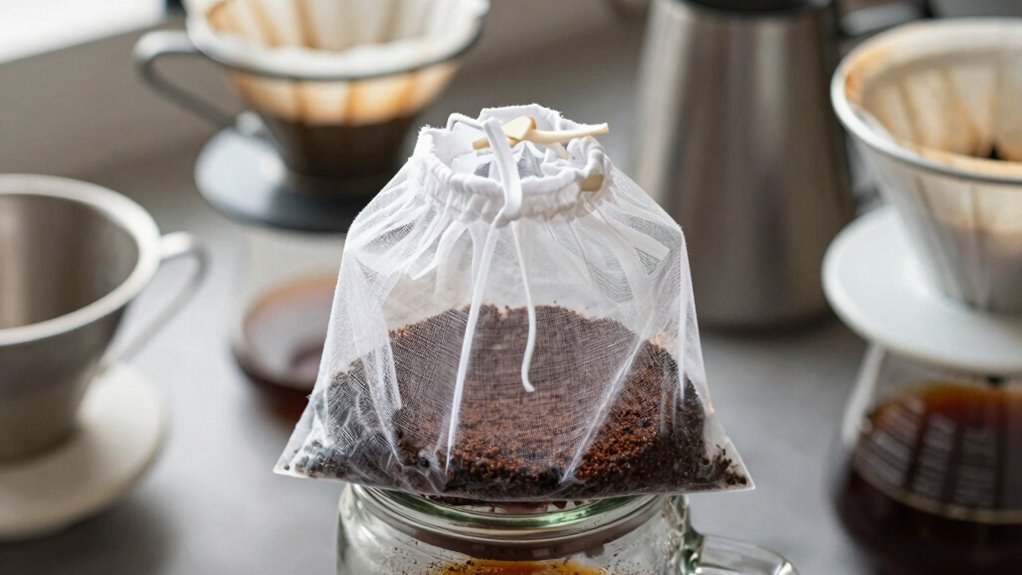
How do fine mesh bags enhance the cold brew filtration process? These bags are essential for achieving a smooth, grit-free cup. Using fine mesh allows you to filter out coffee grounds effectively while letting the delicious flavors infuse into your brew. They’re easy to use and clean, making them a favorite among home brewers. Additionally, using a water-cooled mattress pad can help maintain the ideal brewing temperature for optimal flavor extraction. Aromatherapy techniques can also create a calming atmosphere during your brewing routine, enhancing your overall cold brew experience. Furthermore, understanding flavor extraction techniques can help you create a more balanced and flavorful brew. The use of smart appliances in your kitchen can streamline your brewing process, making it even more enjoyable.
Here’s a quick comparison of the benefits of fine mesh bags:
| Aspect | Fine Mesh Bags |
|---|---|
| Filtration Quality | High |
| Ease of Use | Simple |
| Cleaning | Quick |
| Flavor Retention | Excellent |
Incorporating fine mesh bags into your brewing techniques can elevate your cold brew experience, ensuring you enjoy every sip without any unpleasant residue.
French Press vs. Cold Brew Makers: What’s Best for Cold Brew?
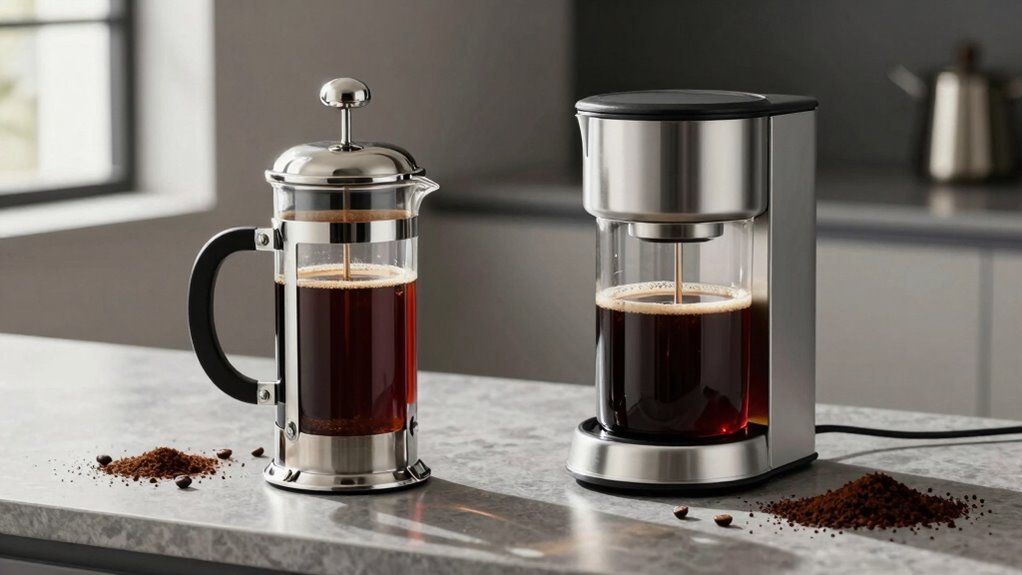
When choosing between a French press and a dedicated cold brew maker, which method delivers the best results for your cold brew? Both options have their merits, but it often comes down to your preferences in brew strength and flavor extraction. Here’s a quick equipment comparison:
- French Press: Provides a rich, full-bodied flavor but can leave fine coffee grounds in your brew.
- Cold Brew Maker: Typically designed for ideal flavor extraction, yielding a smoother, less acidic cold brew.
- Brewing Techniques: The French press allows for more experimentation with brew strength, while cold brew makers often simplify the process.
Ultimately, your choice depends on how you like your cold brew and the experience you want from your brewing method.
Creative Ways to Experiment With Cold Brew Filtration at Home
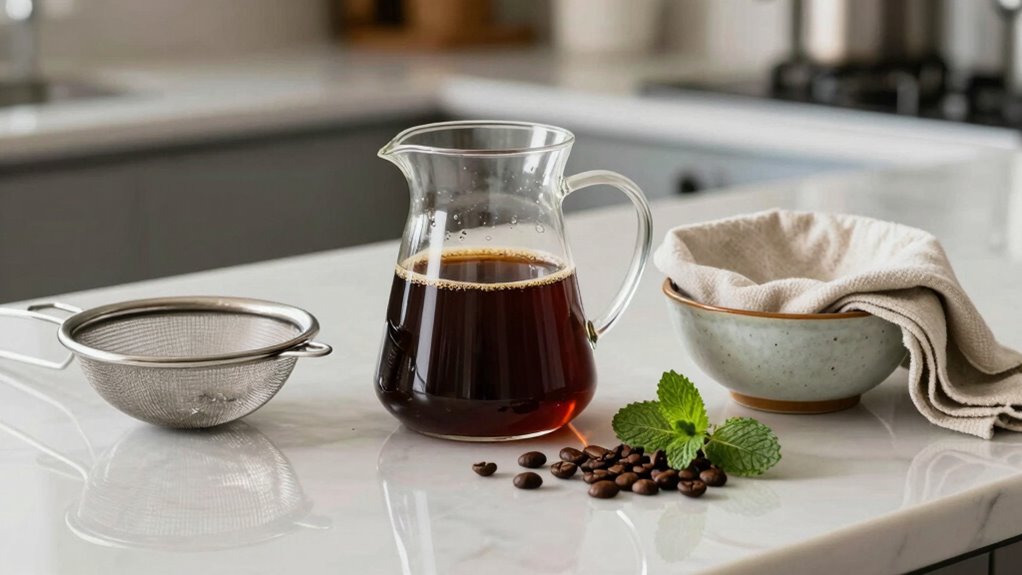
If you’re ready to take your cold brew game to the next level, experimenting with filtration methods can open up a world of flavor possibilities. Try using unique containers like mason jars or glass bottles to infuse your brew with creative infusions. For instance, adding spices like cinnamon or vanilla beans during the steeping process can elevate your cold brew. You could also experiment with different types of filters—like cheesecloth or even a fine mesh strainer—to see how they affect the texture and taste. Each method can yield distinct flavors and aromas, so don’t hesitate to play around! Additionally, consider how kitchen ventilation can impact the overall brewing environment, especially if you’re using heat during the process. Incorporating smart storage solutions for your brewing tools can help streamline your setup. Document your findings to discover which combinations excite your palate the most. Enjoy the journey!
Troubleshooting Common Cold Brew Filtration Issues
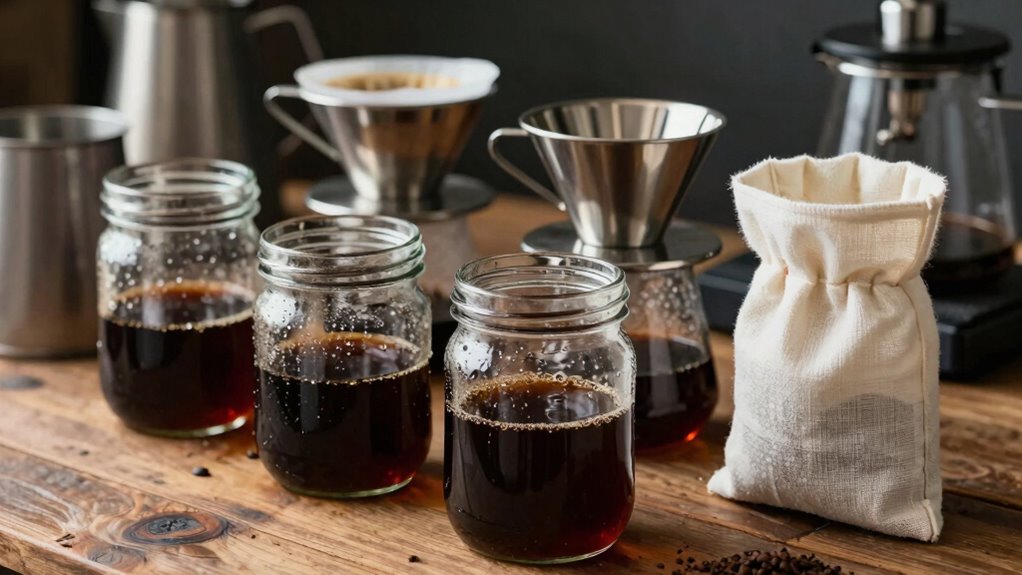
While brewing cold brew can be a delightful experience, you might encounter some common filtration issues that can affect the final product. Here’s some quick filtration troubleshooting tips to help you out:
- Grainy Texture: If your cold brew feels gritty, you may need a finer filter. Consider using a coffee sock or a dedicated cold brew filter.
- Cloudy Brew: Cloudiness often comes from fine coffee particles. Let your brew sit for a bit to allow sediment to settle before pouring.
- Over-Extraction: If your brew tastes bitter, you might’ve steeped it too long. Aim for a 12-24 hour steeping time, depending on your taste preference. Additionally, using smart controls can help you monitor steeping times for optimal flavor.
Frequently Asked Questions
How Long Should Cold Brew Steep for Optimal Flavor?
For ideal flavor, you should steep your cold brew for about 12 to 24 hours. If you steep at a lower temperature, like in the fridge, aim for the full 24 hours. For a quicker method, a higher steeping temperature can reduce the brew time to around 12 hours. Experiment a bit to find what suits your taste best, but remember, longer steeping often leads to richer flavors!
Can I Reuse Coffee Grounds for Cold Brew?
You can reuse coffee grounds for cold brew, but don’t expect the same kick. As the saying goes, “You can’t get blood from a stone.” After the first steep, the flavor extraction diminishes considerably, so consider it a lighter brew. Experimenting with brewing techniques can yield interesting results, but you might find yourself disappointed in the taste. For the best flavor, fresh grounds are always your best bet.
What’s the Ideal Coffee-To-Water Ratio for Cold Brew?
The ideal coffee-to-water ratio for cold brew is typically 1:4 to 1:8, depending on your desired coffee strength. If you like it stronger, go for a 1:4 ratio; for a milder taste, try 1:8. Remember, cold brew uses room temperature or cold water, so the brew temperature affects extraction time. Experiment within this range to find what suits your palate best, and enjoy your invigorating cup!
Is Cold Brew More Caffeinated Than Regular Coffee?
Oh sure, because who doesn’t want to crank up their caffeine levels? You’ll find that cold brew often has more caffeine than regular coffee, thanks to its longer steeping time and efficient caffeine extraction. Cold brew benefits include a smoother, less acidic taste, so you can sip with style while your heart races. Just remember, moderation is key—unless you’re aiming to break your own caffeine record! Enjoy the perks, but don’t overdo it!
Can I Add Flavors During the Cold Brew Process?
Absolutely, you can add flavors during the cold brew process! To achieve a great flavor infusion, try adding ingredients like vanilla beans, cinnamon sticks, or citrus peels to your coffee grounds while steeping. Use different steeping techniques, like varying the steep time or adjusting the coffee-to-water ratio, to find the perfect balance. This way, you’ll create a deliciously flavored cold brew that suits your taste perfectly. Enjoy experimenting!
Conclusion
In the world of cold brew, filtration is like a secret ingredient that shapes your coffee experience. Whether you prefer the clarity of a fine mesh bag or the rustic charm of a French press, each method offers its own unique flavor profile. By experimenting with different techniques, you can reveal new dimensions of taste. So, grab your gear and get brewing—your perfect cup of cold brew is just a filter away!