Measuring coffee without a scale is easy! Use about one to two tablespoons of coffee per six ounces of water. A standard coffee scoop holds around two tablespoons, making it a handy tool. You can also use your coffee mug for measuring water, filling it to a certain mark. Pay attention to visual cues, like grind size, to adjust strength. If you want to perfect your brew technique, there’s more to discover about fine-tuning your methods!
Key Takeaways
- Use one to two tablespoons of coffee per six ounces of water for a balanced brew.
- A standard coffee scoop holds about two tablespoons, simplifying measurements.
- Fill a measuring cup or coffee mug to a specific mark for consistent water measurement.
- Visual cues, like filling a cup halfway, can aid in estimating coffee amounts.
- Adjust the coffee-to-water ratio based on personal taste preferences for optimal flavor.
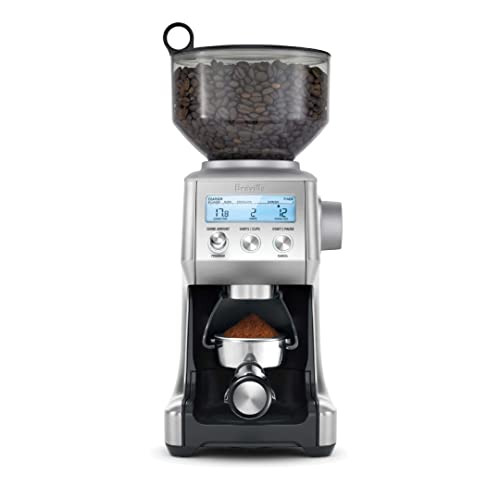
Breville BCG820BSS Smart Grinder Pro for Coffee and Espresso, Brushed Stainless Steel
The Breville Smart Grinder Pro includes 60 unique settings – this programmable conical burr grinder offers a wide...
As an affiliate, we earn on qualifying purchases.
Quick Ways to Measure Coffee Without a Scale
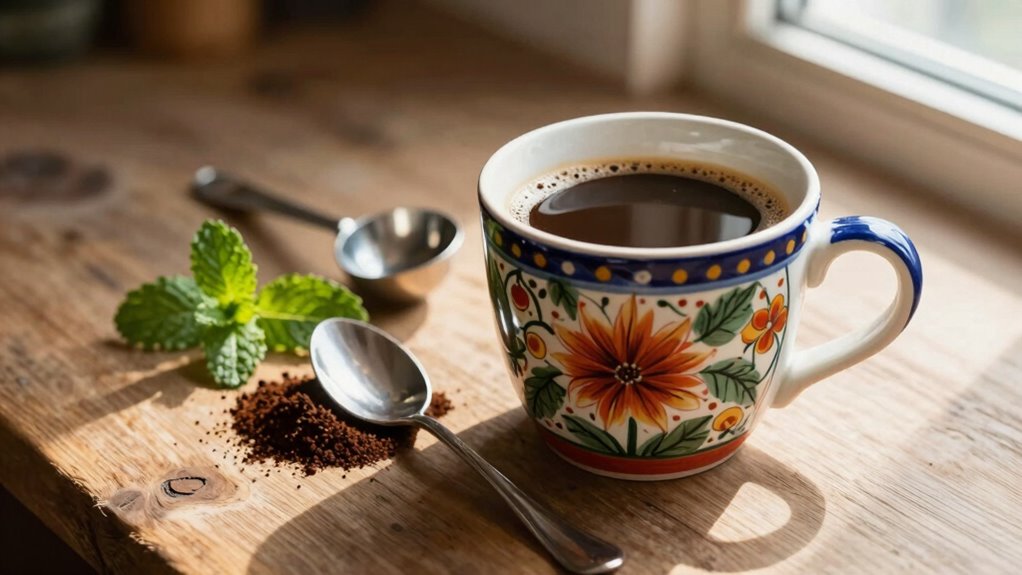
Measuring coffee without a scale can be simple and effective. You can use common measuring techniques to achieve that perfect coffee to water ratio. For instance, a standard guideline is one to two tablespoons of coffee per six ounces of water. If you don’t have a tablespoon, try using a coffee scoop; most scoops hold about two tablespoons. Another method involves using your coffee mug—just fill it to a certain mark with coffee and match it with water. Visual cues, like filling a cup halfway, can also work wonders. By experimenting with these techniques, you’ll find the balance that suits your taste, ensuring you enjoy a delicious cup every time without needing a scale. Remember, different brewing methods can lead to varying caffeine levels in your cup, so adjust accordingly to match your preference. Additionally, color accuracy in your brewing process can greatly enhance the flavor profile of your coffee.

MOKKOM Professional 64mm Flat Burr Coffee Grinder with 100 Grind Settings, All-Metal Stainless Steel Body, Coffee Bean Grinder with Adjustable Electronic Timer, Anti-Static, LED Display
[64mm Stainless Steel Flat Burrs] As a professional coffee grinder, this machine uses 64mm stainless steel flat burrs...
As an affiliate, we earn on qualifying purchases.
Everyday Kitchen Tools for Coffee Measurement
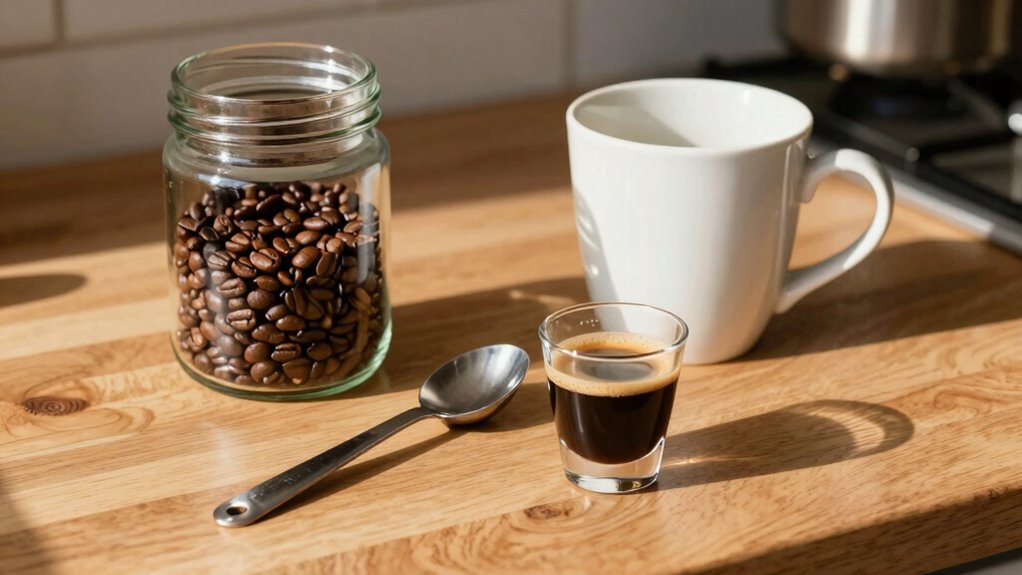
Finding the right tools in your kitchen can make measuring coffee even easier. You don’t need fancy gadgets to get the coffee ratios just right. A standard tablespoon can be a great starting point; it typically holds about 5 grams of coffee. If you have a measuring cup, use it to maintain consistent portions—about 250 ml usually works well for a standard cup. For a quick reference, a regular coffee mug can also serve as a rough measure: one full mug often equals two tablespoons. Experiment with these measuring techniques to find your perfect brew strength. With these everyday kitchen tools, you’ll be brewing delicious coffee without any hassle.

Neretva Espresso Grinder, 2 in 1 Professional Coffee Bean Grinder Stainless Steel Suit 51~58mm Portafilter Burr Coffee Grinder 30 Precise Setting&Anti-Static for Espresso/French Press/Drip/Moka-Silver
PROFESSIONAL CONICAL BURR COFFEE GRINDER- WIth new upgraded 3.0 conical burr grinding technoloy, the coffee grinder ensures that...
As an affiliate, we earn on qualifying purchases.
How to Measure Coffee With a Scoop
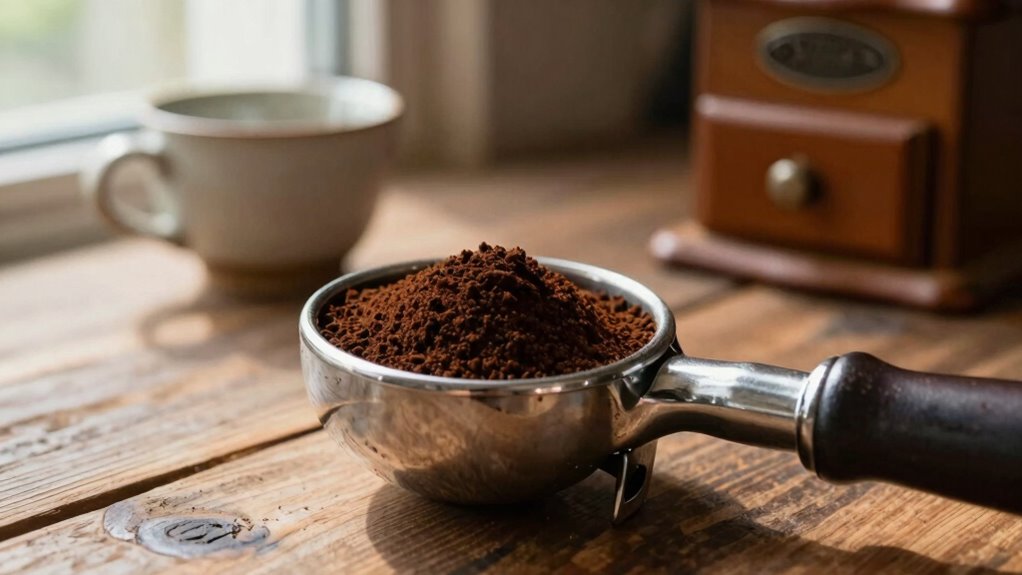
When you want a quick and efficient way to measure coffee, using a scoop can streamline the process. Different scoop sizes can help you achieve the perfect coffee ratios for your brew. Here are some tips to get you started:
- Standard scoop: Usually holds about 2 tablespoons (10 grams) of coffee.
- Coffee ratios: Aim for 1:15 to 1:18 coffee to water for balanced flavor.
- Adjust for strength: Use more scoops for a stronger brew or less for a milder taste.
- Consistency: Always use the same scoop for the same coffee type to maintain flavor.
- Experiment: Don’t hesitate to tweak your ratios until you find your ideal cup!
With these guidelines, measuring coffee becomes simple and enjoyable.
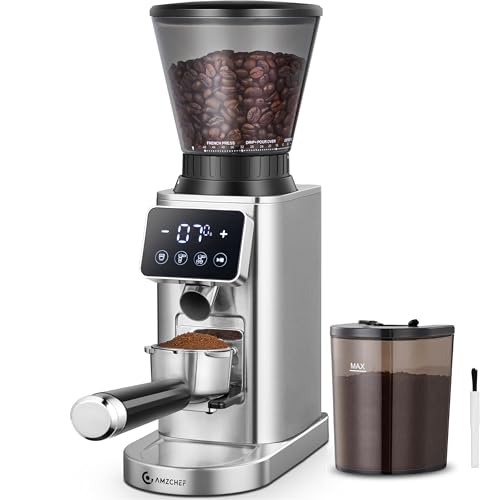
AMZCHEF Coffee Grinder, Burr Coffee Bean Grinder for Home Use with 48 Precise Grind Settings, Detachable Funnel Stand for Espresso, LED Control Panel, Anti-static Design, silver
DESIGN FOR ESPRESSO:We provide portafilter holder ,Portafilter holder pad and photophobic coffee ground container. It is compatible with...
As an affiliate, we earn on qualifying purchases.
Recognizing Visual Cues for Measuring Coffee
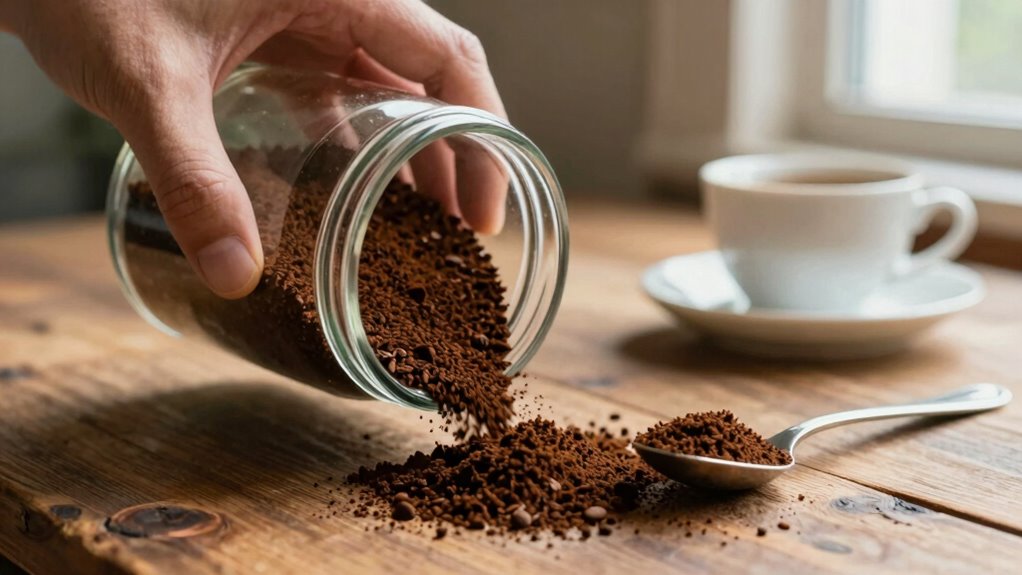
Visual cues can be incredibly helpful in measuring coffee without a scale. Pay attention to the coffee grind; a medium grind typically yields a brew ratio of 1:15, meaning for every gram of coffee, you’ll use 15 grams of water. Use your scoop or a tablespoon, and visualize the amount needed. For instance, two tablespoons of ground coffee generally equal about 10 grams.
As you observe the coffee grounds, note their size and texture, which can help you adjust your measurements. If you want a stronger brew, simply increase the amount of coffee or adjust the grind size. By recognizing these visual cues, you’ll be able to create a consistent cup every time, even without a scale.
How to Fine-Tune Your Brew Strength Without a Scale
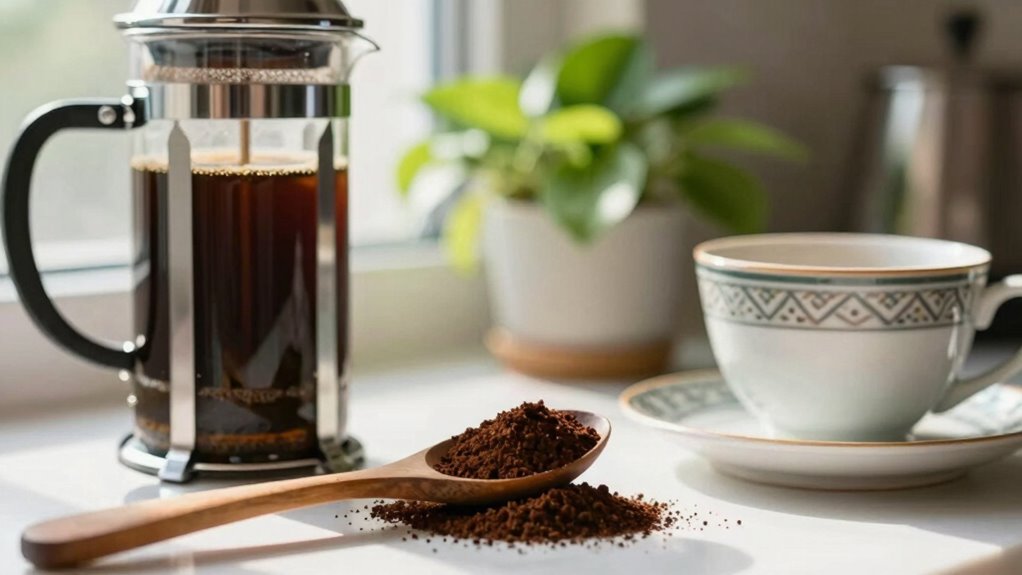
To fine-tune your brew strength without a scale, start by adjusting the coffee-to-water ratio. A common brew ratio is 1:15 (coffee to water), but you can tweak it to suit your taste. Here’s how to refine your brew:
- Use a heaping tablespoon of coffee for a milder flavor profile.
- Add an extra half tablespoon for a richer taste.
- Experiment with different grind sizes; coarser grinds yield lighter brews.
- Steep longer for a stronger brew or shorter for a lighter one.
- Take notes on each adjustment to track how it affects your flavor profile.
Frequently Asked Questions
Can I Use Instant Coffee for Measuring Without a Scale?
Yes, you can use instant coffee for measuring without a scale. It offers convenience and quick preparation, plus it’s easier to gauge how much you’re using. While it might not provide the same measuring accuracy as ground coffee, you can still rely on standard scoop measurements. Instant coffee benefits include saving time and reducing waste, making it a practical choice for busy mornings. Just remember to adjust based on your taste preferences!
What’s the Best Coffee-To-Water Ratio for Cold Brew?
For a cold brew that dances on your palate, aim for a coffee-to-water ratio of 1:4 to 1:8, depending on your taste. If you want a richer flavor, lean toward 1:4; for a milder sip, try 1:8. Experiment with brewing techniques—steep it for 12 to 24 hours to reveal those deep, delicious notes. You’ll find the perfect balance, turning your cold brew into a revitalizing masterpiece. Enjoy!
How Do Different Coffee Grinds Affect Measurement?
Different grind sizes impact your coffee measurements considerably. Finer grinds release more flavor and can lead to stronger brews, while coarser grinds yield a milder taste. If you’re using a brew method like French press, a coarser grind works best, whereas espresso requires a fine grind. Adjust your coffee-to-water ratio based on your grind size to achieve the perfect cup. Experimenting will help you find what suits your taste preferences best.
Can I Measure Coffee Using Tablespoons Instead of Scoops?
Yes, you can measure coffee using tablespoons instead of scoops! A standard tablespoon holds about 5 to 7 grams of coffee, depending on the grind size. For better measuring accuracy, remember that different grinds can affect the weight. If you’re aiming for consistency, consider a tablespoon conversion chart to help you find the right amount. Just make sure you’re using the same type of tablespoon each time for reliable results!
What Are the Effects of Altitude on Coffee Measurement?
Brewing coffee at higher altitudes can change its flavor and extraction. At elevations above 3,000 feet, water boils at lower temperatures, impacting how you brew. This altitude impact means your coffee might taste weaker or different, even with the same measurements. You might need to adjust your coffee-to-water ratio or brewing time to achieve that perfect cup. So, keep altitude in mind when experimenting with flavors and measurements!
Conclusion
In the world of coffee, it’s often said, “Good things come to those who wait.” By using everyday tools and visual cues to measure your coffee, you can simplify your brewing process and still enjoy a fantastic cup. Whether you rely on a scoop or your trusty mug, experimenting with different amounts will help you find your perfect brew strength. So, embrace your creativity and keep savoring every sip—no scale needed!