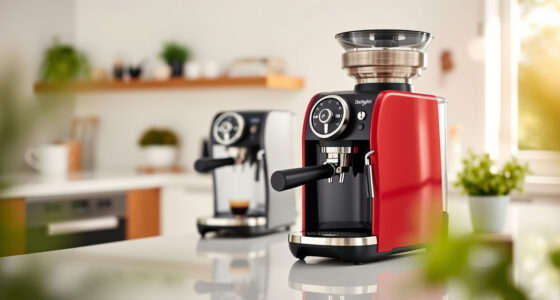

How often you should descale your espresso machine depends on factors like water hardness, usage frequency, and machine age. Hard water and frequent use mean you’ll need to descale more often, usually every 1-3 months. Signs like reduced steam or slower brewing indicate it’s time to clean. Using the right descaling solutions and proper maintenance can extend the intervals between cleanings. Keep exploring to discover tips that keep your machine running smoothly.

Get coffee and tea gear delivered free with Prime
- Fast, free delivery on millions of items
- Prime Video, Amazon Music and more included
- Member-only deals all year
Key Takeaways
- Descale your espresso machine based on water hardness, usage frequency, and machine age to prevent mineral buildup and maintain performance.
- Hard water and high usage accelerate descaling needs; test water regularly to determine the optimal cleaning schedule.
- Follow manufacturer guidelines for descaling solutions and procedures, including running the solution through the brew cycle and rinsing thoroughly.
- Use filtered or soft water to extend descaling intervals and reduce mineral deposits.
- Regular maintenance of internal components and water quality management helps minimize descaling frequency and prolong machine lifespan.
espresso machine descaling solution
As an affiliate, we earn on qualifying purchases.
As an affiliate, we earn on qualifying purchases.
How Often Should You Descale Your Espresso Machine?
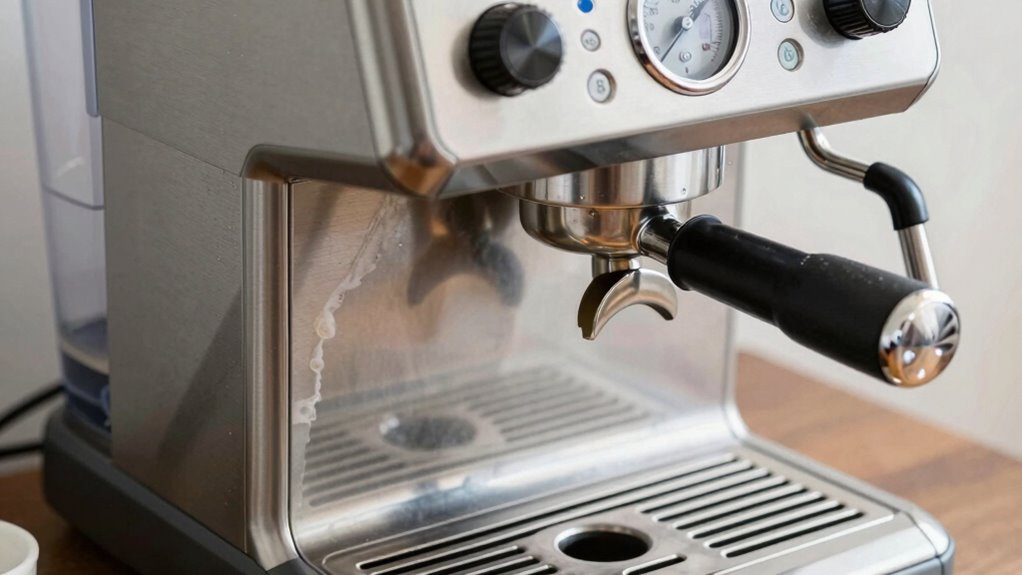
The frequency with which you should descale your espresso machine depends on how often you use it and the quality of your water. If you brew coffee daily, descaling every 1 to 3 months helps maintain excellent coffee flavor and keeps mineral buildup at bay. Hard water, rich in minerals, accelerates the need for descaling, so you might need to do it more frequently. Regular descaling prevents mineral deposits from clogging the machine’s components, which can impair performance and reduce machine durability. When you descale on time, you guarantee each cup tastes fresh and pure. Neglecting this maintenance can lead to bitter flavors and potential breakdowns, shortening your espresso machine’s lifespan. Staying consistent with descaling preserves both the quality of your coffee and the longevity of your machine.
water hardness test kit for espresso machines
As an affiliate, we earn on qualifying purchases.
As an affiliate, we earn on qualifying purchases.
What Factors Affect When You Need to Descale
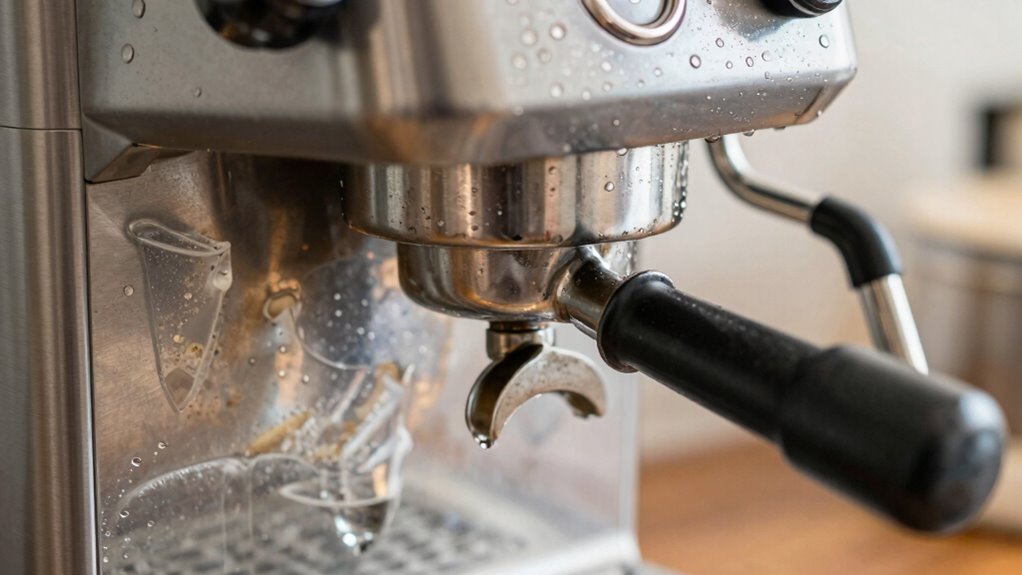
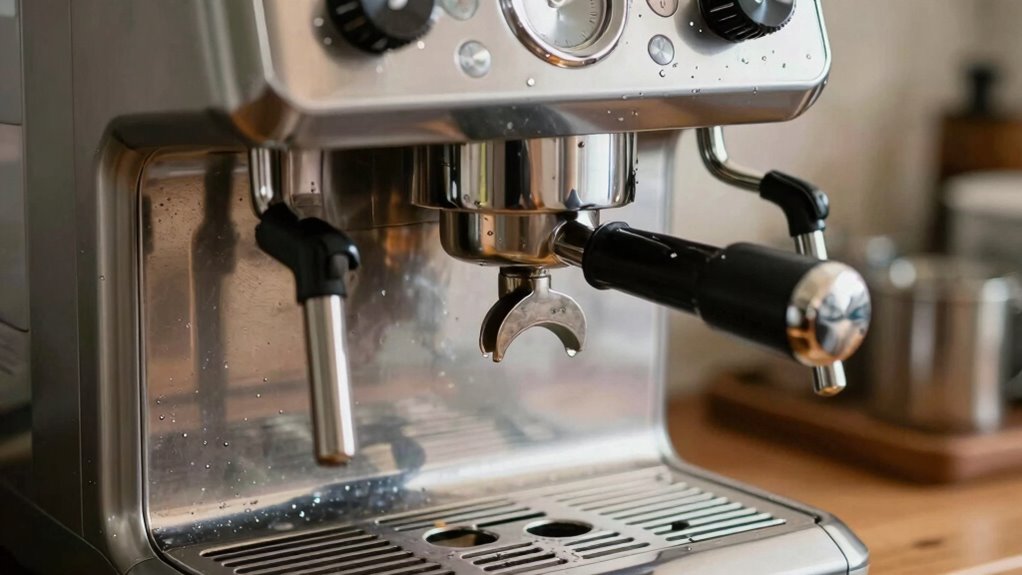
Your water hardness levels, how often you use your machine, and its age all influence when descaling is needed. Hard water causes mineral buildup faster, especially with frequent use or an older machine. Paying attention to these factors helps you keep your espresso tasting its best. Regular maintenance, including eco-friendly natural pools, can enhance longevity and performance. Additionally, using bike generators can help you generate renewable energy for your espresso machine’s power needs. Understanding the importance of regular calibration can also help maintain optimal performance. Regularly checking and cleaning filters on appliances can further improve overall efficiency and lifespan. Furthermore, maintaining a clean and organized workshop space can also contribute to the overall upkeep of your espresso machine.
Water Hardness Levels
Water hardness levels play a crucial role in determining when you need to descale your espresso machine. Hard water contains high mineral content, mainly calcium and magnesium, which leads to mineral buildup inside your machine over time. If your water isn’t properly filtered, these minerals accumulate faster, making descaling necessary more often. Using water filtration systems can help reduce mineral content, slowing down the buildup process. Soft water, with fewer minerals, extends the time between descalings. Conversely, hard water accelerates the need for cleaning because mineral deposits clog the system and affect performance. To determine your water’s hardness, consider testing it or consulting your local water provider. Managing water hardness levels effectively helps maintain your espresso machine’s efficiency and prolongs its lifespan. Additionally, using high-quality materials for your equipment can further enhance durability and performance.
Usage Frequency Variations
How often you need to descale your espresso machine depends on several factors beyond just water hardness. Your usage frequency influences how quickly mineral buildup occurs, affecting both coffee aroma and machine durability. If you brew coffee multiple times a day, minerals accumulate faster, requiring more frequent descaling. Conversely, occasional use may allow longer intervals between cleanings. Additionally, the type of beans you use and water temperature can impact mineral deposits. Regular descaling helps preserve the rich aroma of your coffee and prevents scale-related damage, ensuring your machine remains in top condition. Small-space living solutions can also be beneficial as they promote efficient use of space, much like how regular maintenance improves machine efficiency. Monitoring these factors allows you to adjust your descaling schedule proactively, maintaining ideal performance and extending your espresso machine’s lifespan. Understanding the evolution of arcade games can also provide insight into the importance of regular maintenance for preserving quality in any entertainment device. To enhance your experience, consider implementing proper gear care to protect your espresso machine from wear and tear. Moreover, just as a competitive pricing model can attract customers in investment markets, a well-maintained machine ensures you continue to enjoy the finest coffee experience. Additionally, exploring digital content formats can further enhance your understanding of the importance of maintaining quality in your espresso machine.
Machine Age and Condition
As your espresso machine ages, the likelihood of mineral buildup increases, making descaling more necessary over time. Older machines tend to show more signs of age-related wear, which can impact their ability to resist mineral deposits. The durability of your machine influences how quickly buildup occurs; machines with robust construction may resist scaling longer, while those with less durable parts might need more frequent descaling. Over time, internal components can become more vulnerable to clogging and damage from mineral deposits. Regular maintenance becomes even more critical as your machine gets older, ensuring it continues to operate efficiently and prolonging its lifespan. Monitoring the condition of your machine helps determine *best* descaling intervals, especially as age-related wear accelerates the buildup process.
automatic espresso machine cleaner
As an affiliate, we earn on qualifying purchases.
As an affiliate, we earn on qualifying purchases.
How Can You Tell It’s Time to Descale?
Certainly! Here’s the revised content with the requested additions:
—
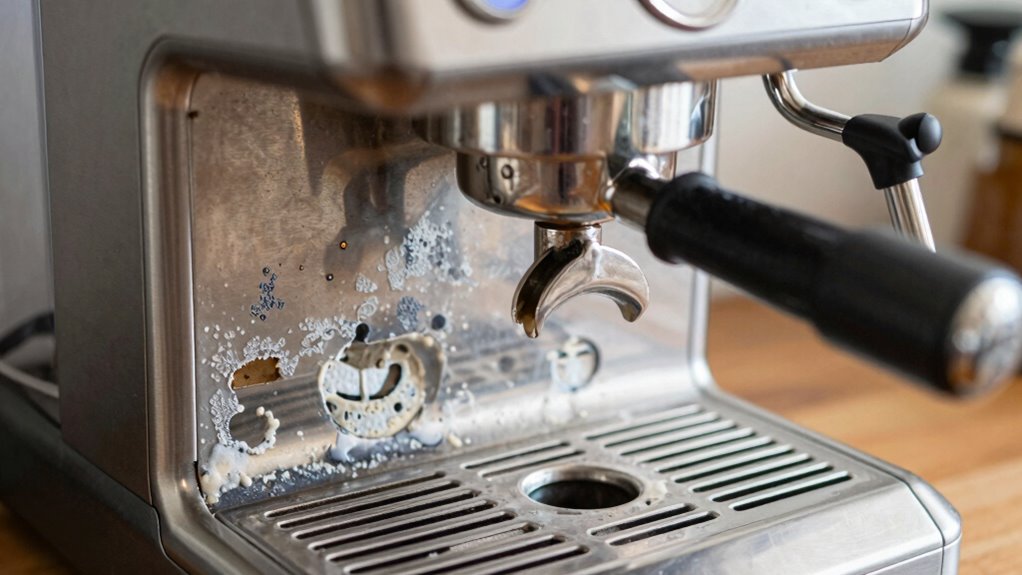
Typically, you’ll notice signs that your espresso machine needs descaling before any serious problems develop. One key indicator is a change in coffee flavor, which may become bitter or weak due to mineral buildup affecting extraction. You might also notice longer brewing times or decreased pressure, both signs that scale is blocking water flow. Additionally, if your machine starts making unusual noises or displays warning lights, it’s time to act. Ignoring these signs can lead to damage that might void your machine warranty. Regular descaling helps maintain peak performance and ensures your coffee tastes fresh. In fact, just as the best vacuums for dust removal effectively eliminate allergens, descaling ensures your espresso machine operates efficiently. If you notice these symptoms, don’t delay—descaling now can save you money and preserve your machine’s longevity. Financial planning for regular maintenance is essential; just like outdoor activities in regions like Colorado, consistent maintenance is essential for optimal performance. Understanding how neural interfaces operate can also enhance your ability to troubleshoot and maintain complex devices like espresso machines. Furthermore, just as you would evaluate potential risks in financial investments, being proactive about descaling can prevent costly repairs down the line.
—
Let me know if you need any further adjustments!
descaling tablets for coffee machines
As an affiliate, we earn on qualifying purchases.
As an affiliate, we earn on qualifying purchases.
What Are the Best Ways to Descale Your Espresso Machine
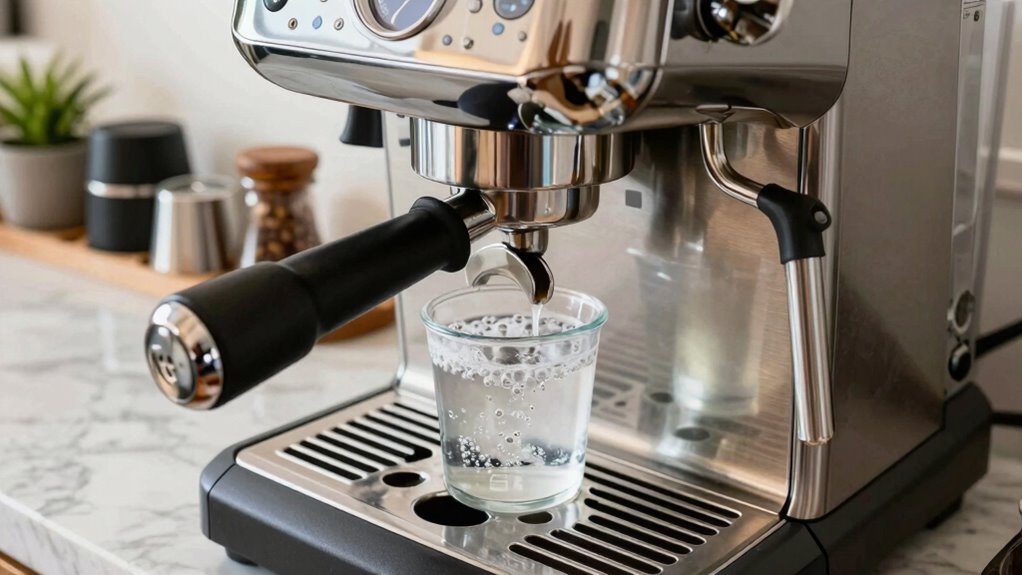
To effectively descale your espresso machine, you need to choose the right descaling solution that suits your machine and budget. Next, follow proper techniques to guarantee you clean all parts thoroughly without damaging any components. Properly performing these steps helps maintain your machine’s performance and extends its lifespan.
Choosing Descaling Solutions
Choosing the right descaling solution is crucial for effectively removing mineral buildup from your espresso machine. The best solutions guarantee that your coffee aroma remains rich and your machine’s longevity is preserved. You want a descaler that’s compatible with your machine’s materials and won’t cause damage. Commercial descaling products are often formulated specifically for espresso machines, but natural options like vinegar or citric acid can also work if used properly.
- Use descalers designed for coffee machines to protect internal components. In addition, some air fryer accessories can also benefit from similar maintenance techniques to ensure optimal performance.
- Consider eco-friendly or food-grade solutions for safety and health.
- Follow manufacturer recommendations to avoid damaging seals or electronics.
Selecting the correct solution helps maintain maximum performance, preserves coffee aroma, and extends your machine’s lifespan. Additionally, using a descaler that aligns with smart home technology can enhance the overall efficiency of your coffee experience.
Proper Descaling Techniques
Properly descaling your espresso machine guarantees it functions efficiently and produces great-tasting coffee. To do this, start by turning off the machine and removing any water from the reservoir. Mix a descaling solution or vinegar with water according to the manufacturer’s instructions. Run the solution through the machine’s brew cycle, stopping midway to let it sit for 15-20 minutes. Then, run plain water through the system two or three times to rinse out any residue. Regular descaling prevents mineral buildup that can impair coffee flavor and damage internal components, ensuring your machine’s longevity. Always follow the manufacturer’s guidelines for descaling frequency and solutions. Proper techniques keep your espresso machine in top shape, delivering consistently great coffee and extending its lifespan.
How Do You Choose the Right Descaling Solution?
Selecting the right descaling solution is essential for maintaining your espresso machine’s performance and longevity. You want a solution that effectively removes mineral buildup without affecting your coffee flavor or damaging components. Consider solutions specifically designed for espresso machines or those labeled as food-safe. Be mindful of the cleaning frequency, as using the wrong product too often can cause unnecessary wear. Look for options that are environmentally friendly and free from harsh chemicals.
- Ensure the solution is compatible with your machine’s materials, like stainless steel or plastic
- Check reviews to confirm effectiveness in reducing mineral deposits without flavor contamination
- Opt for solutions that mention maintaining excellent coffee flavor and reducing cleaning frequency over time
Tips to Maintain Your Espresso Machine and Reduce Descaling Frequency
Regularly maintaining your espresso machine can considerably reduce how often you need to descale. Follow a consistent maintenance schedule, including cleaning the brew group, filters, and water reservoir. Use soft or filtered water to minimize mineral buildup, which impacts coffee brewing quality and machine longevity. Wipe down surfaces and remove coffee grounds daily to prevent residue that can interfere with performance. Descale only when necessary, based on your machine’s usage and water hardness, which you can monitor through water testing. Regular maintenance not only preserves your coffee brewing process but also extends your machine’s lifespan. By sticking to an effective maintenance schedule, you’ll stay ahead of mineral deposits and enjoy consistent, delicious espresso with less frequent descaling.
Frequently Asked Questions
Can Using Filtered Water Reduce the Need for Descaling?
Yes, using filtered water can reduce the need for descaling your espresso machine. Filtering benefits include removing minerals and impurities that cause buildup, improving water quality. When you use filtered water, mineral deposits form less quickly, meaning you won’t need to descale as often. It’s a simple step that helps maintain your machine’s performance and extends its lifespan, saving you time and effort in the long run.
How Does Water Hardness Impact Descaling Frequency?
Water hardness directly affects descaling frequency because higher mineralization increases scale buildup in your espresso machine. Hard water contains more minerals like calcium and magnesium, which form deposits over time. You’ll need to descale more often if you use hard water, while soft water reduces mineralization, slowing scale buildup. To extend your machine’s lifespan, consider using filtered or softened water, consequently reducing the need for frequent descaling.
Are There Signs of Internal Damage From Infrequent Descaling?
You might notice signs of internal damage if you neglect descaling, especially since mineral buildup can cause issues. Internal corrosion can develop, leading to leaks or reduced performance. Surprisingly, studies show that mineral deposits increase machine failure risk by up to 30%. If you ignore descaling, these problems can escalate, damaging internal parts and decreasing your espresso quality. Regular maintenance helps prevent costly repairs and keeps your machine running smoothly.
Does the Type of Espresso Machine Affect Descaling Requirements?
Yes, the type of espresso machine affects descaling requirements. For example, manual machines might need less frequent descaling compared to automatic or super-automatic models, which often have more internal components that accumulate mineral buildup. You should follow the manufacturer’s guidelines for machine maintenance and descaling frequency to guarantee ideal performance. Regularly check for signs of scale and adjust your descaling schedule accordingly, keeping your machine in top shape.
Can Over-Descaling Harm My Espresso Machine?
Over-descaling can harm your espresso machine because frequent descaling might damage internal components or cause mineral buildup if not done properly. You should follow the recommended descaling frequency based on your water hardness and machine type. Using too much descaling solution or doing it too often can lead to leaks or corrosion. Always heed your manufacturer’s guidelines to protect your machine while effectively preventing mineral buildup.
Conclusion
Think of descaling your espresso machine like tending a garden—it needs regular care to flourish. I once overlooked this, and my machine sputtered like a garden choked with weeds. Regular descaling keeps your coffee tasting fresh and your machine humming smoothly. Just as a gardener waters and prunes, stay attentive to your machine’s needs, and you’ll enjoy rich, flavorful espresso every time. Keep up the routine, and your coffee will always be worth the effort.
Fall Picks
fall essentials
As an affiliate, we earn on qualifying purchases.