
Coffee roasting levels range from light to dark, each impacting flavor, appearance, and aroma. Light roasts keep beans bright, fruity, and acidic, while dark roasts develop bold, smoky, and bitter tastes. Your choice depends on your flavor preference, brewing method, and how much acidity or richness you want. Understanding these differences helps you pick the right roast every time. Keep exploring to discover more about how roasting shapes your coffee experience.

Get coffee and tea gear delivered free — and shop member deals
- Fast, free delivery on millions of items
- Access to Prime Big Deal Days deals on October 6–7
- Prime Video, Amazon Music and more included
Key Takeaways
- Coffee roasting levels range from light to dark, each with distinct flavor, color, and aroma profiles.
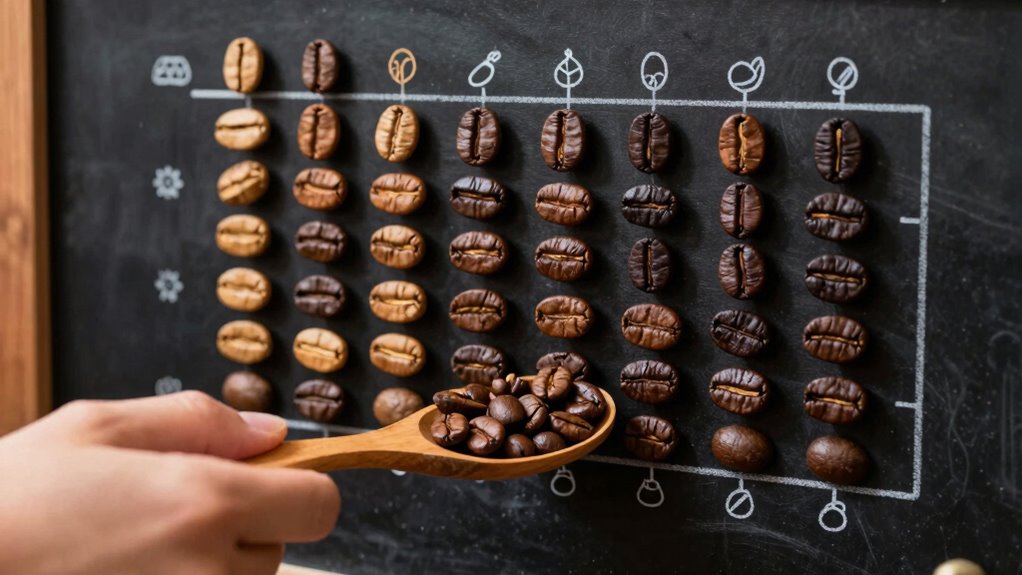
- Light roasts are mild, preserve origin flavors, and are more acidic, with a lighter color and dry surface.
- Medium roasts balance flavor complexity and develop richer tastes, with a medium brown color and slight oil.
- Dark roasts are bold, smoky, and oily, with a deep brown or black appearance, offering a less acidic, smoother flavor.
- The choice of roast depends on personal taste, brewing method, and desired flavor characteristics.
As an affiliate, we earn on qualifying purchases.
What Are Coffee Roasting Levels?
What Are Coffee Roasting Levels?
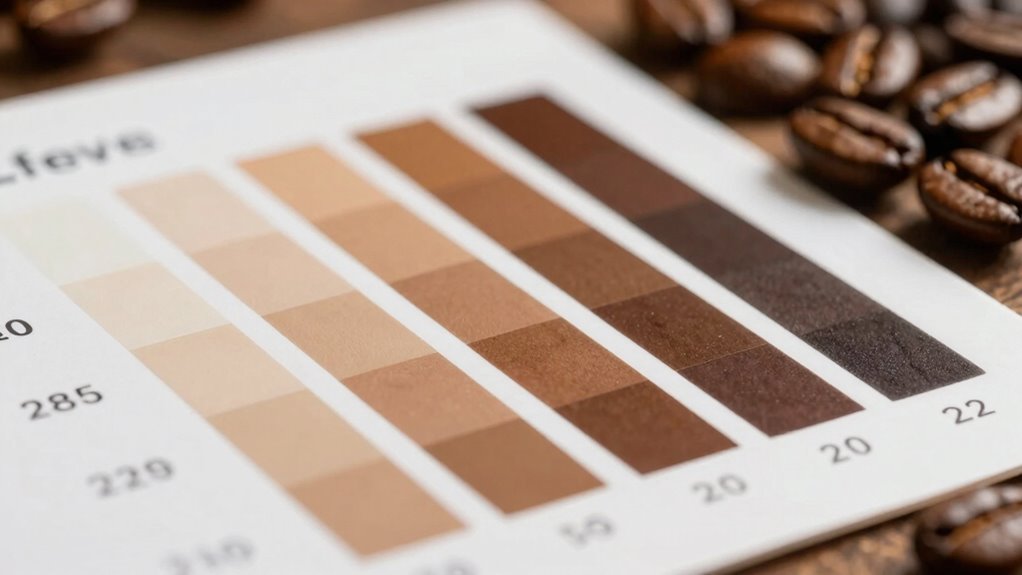
Coffee roasting levels refer to the different degrees to which coffee beans are heated and cooked during the roasting process. Your choice of roast level depends on factors like the coffee bean origin and roast duration. Lighter roasts highlight the bean’s origin, preserving unique flavors and acidity, which means shorter roast durations. Medium roasts strike a balance, offering more developed flavors while still showcasing origin characteristics. Darker roasts involve longer roast durations, resulting in a bolder, more intense flavor with reduced origin influence. The roast level you select affects the overall taste and aroma. Understanding these levels helps you appreciate how the roasting process influences the final cup, making it easier to select beans that match your preferred flavor profile. Additionally, color accuracy in the roasting process can enhance your appreciation of different coffee flavors, as achieving the right temperature control is essential for optimal flavor development. Exploring digital concepts in coffee roasting can deepen your understanding of how various techniques impact the final brew. Recognizing the importance of emotional skills in selecting coffee can also enhance your overall enjoyment and connection to the beverage. Furthermore, the right roast level can significantly affect your coffee’s overall quality, influencing not just taste, but also texture and aroma.
As an affiliate, we earn on qualifying purchases.
How Do Roast Levels Affect Flavor and Appearance?
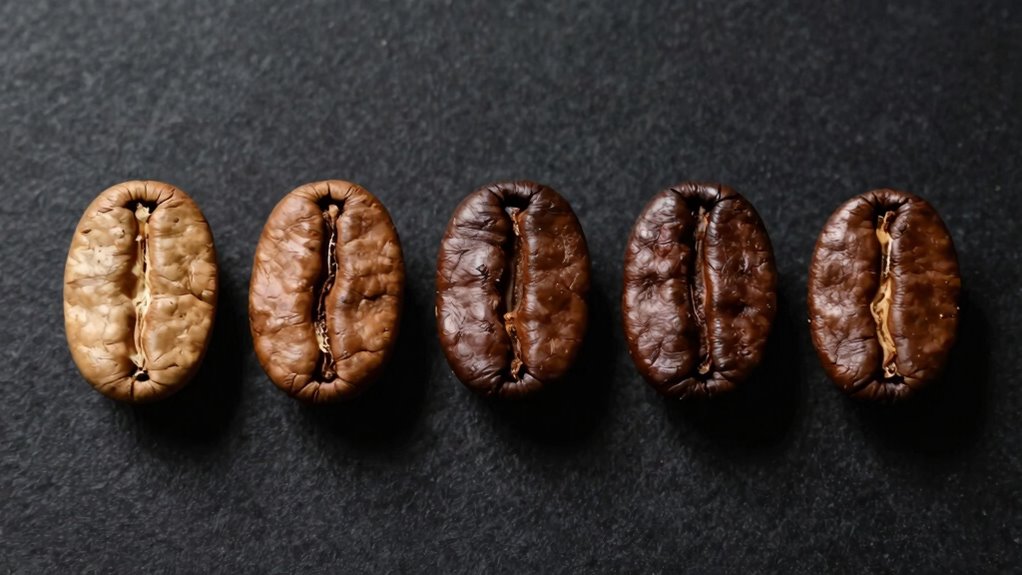
Roast levels have a direct impact on both the flavor and appearance of your coffee. As you progress from light to dark roasts, you’ll notice changes in flavor profiles, with lighter roasts highlighting bright, fruity, and acidic notes, while darker roasts develop richer, smoky, and bitter qualities. The roasting techniques used influence these outcomes, with longer, higher-temperature roasting producing deeper, more intense flavors and darker appearances. Light roasts retain more of the beans’ original characteristics, maintaining a lighter color and a more vibrant look. Conversely, darker roasts result in a shiny, oily surface and a more uniform, deep brown or almost black appearance. Understanding these effects helps you choose the right roast level to match your preferred flavor and visual expectations. Additionally, effective storytelling techniques can enhance your coffee brand’s appeal by connecting emotionally with customers. Ultimately, the right roast can significantly transform your sleep experience by providing a comforting ritual that promotes relaxation and enjoyment. Furthermore, embracing inclusive casting in branding can resonate with a wider audience, reflecting diverse preferences in coffee culture. The evolving AI trends in creative industries are also reshaping how we perceive and enjoy coffee, influencing flavor profiling and consumer engagement.
As an affiliate, we earn on qualifying purchases.
What Factors Influence Your Choice of Roast?
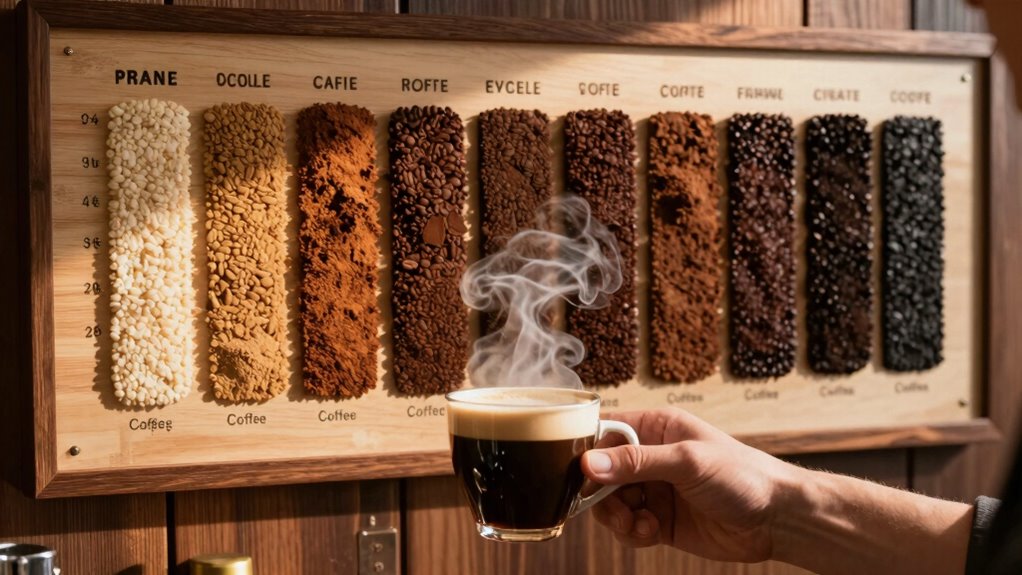
Choosing the right roast level depends on your personal taste preferences and what you’re looking to get out of your coffee experience. Your preferred flavor profiles play a big role—whether you enjoy bright, fruity notes or richer, caramelized tones. Roasting techniques influence these profiles by controlling how the beans develop during roasting, affecting acidity, sweetness, and body. Light roasts preserve more of the beans’ original flavors, appealing if you like complex, vibrant tastes. Additionally, early socialization can enhance your appreciation for different brew styles and flavor notes. Water parks can also provide a refreshing break during coffee tasting events or gatherings. Darker roasts emphasize boldness and bitterness, often with smoky or roasted undertones. Furthermore, the brewing method can guide your choice; for instance, pour-over works well with light roasts to highlight delicate flavors, while espresso can handle the intensity of darker roasts. Your taste, brewing style, and desired experience all shape your ideal roast choice. Moreover, understanding support and boundaries in coffee preparation can enhance your brewing experience and enjoyment. The utilitarian principle suggests that your choices can be influenced by the overall satisfaction you seek from your coffee experience. Additionally, being aware of home safety tips can ensure a secure environment while you enjoy your coffee brewing rituals.
digital coffee roasting thermometer
As an affiliate, we earn on qualifying purchases.
As an affiliate, we earn on qualifying purchases.
Does Roast Level Impact Caffeine and Acidity?
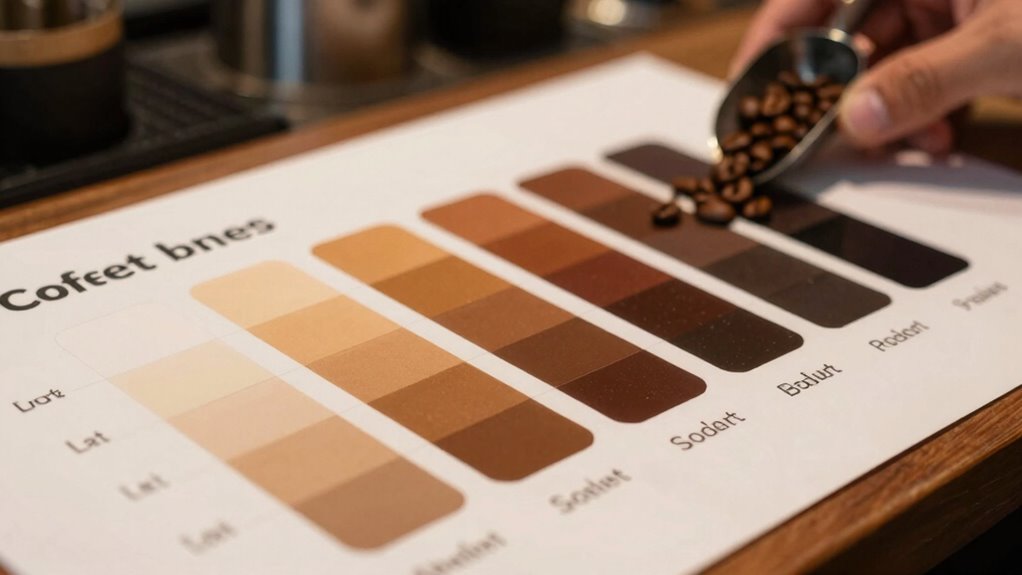
Many people assume darker roasts have more caffeine, but in reality, the roast level has little effect on caffeine content. The caffeine in coffee stays relatively stable through the roasting process, so whether you choose a light or dark roast, your caffeine intake remains similar. However, roast level does influence acidity levels. Lighter roasts tend to have higher acidity, giving them a brighter, more vibrant flavor. Darker roasts usually have lower acidity, resulting in a smoother, more subdued taste. If you’re sensitive to acidity or prefer a mellow flavor, darker roasts are a good choice. Conversely, if you enjoy lively, tangy notes, lighter roasts will suit you better. Overall, caffeine content stays consistent, but acidity levels shift with the roast level. Additionally, many coffee enthusiasts appreciate how kitchen ventilation can enhance the roasting experience by providing better airflow. Understanding how narcissism affects relationships can also shed light on personal preferences regarding coffee choices. Moreover, exploring blog monetization strategies can help you share your coffee journey with a wider audience and grow your influence in the coffee community. The vibrant downtown area in regions known for coffee culture often reflects the diverse flavors found in different roast levels. Interestingly, pets may steal the spotlight during coffee tastings, adding a fun element to the experience.
How to Pick the Best Roast for Your Tastes
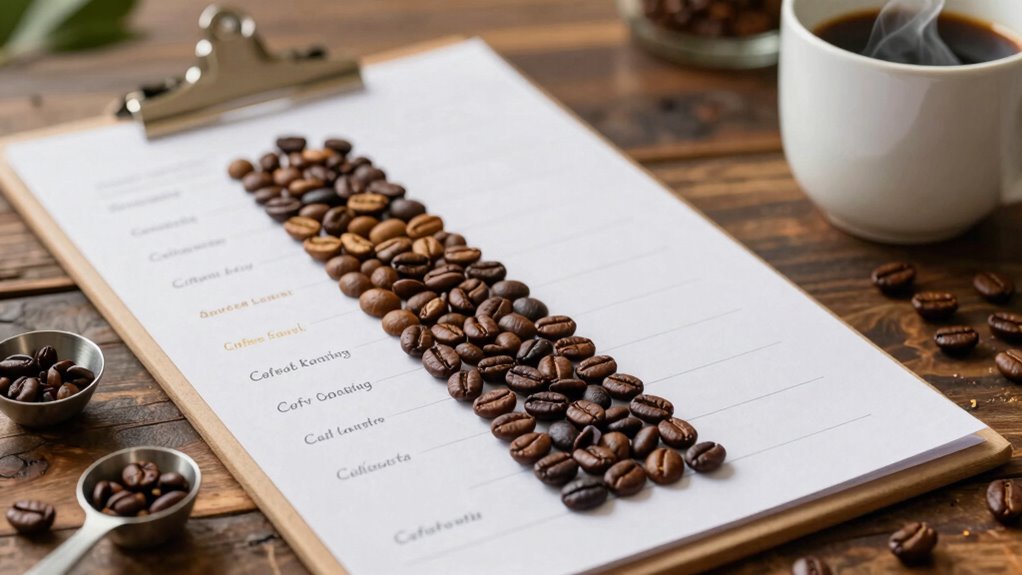
Figuring out which coffee roast suits your taste can seem overwhelming, but it’s really about understanding your flavor preferences. If you enjoy bright, fruity, or acidic notes, light roasts are your best bet—they also pair well with citrus or berry flavors. For those who prefer richer, smoky, or chocolatey profiles, medium or dark roasts are ideal, complementing desserts or hearty breakfast dishes. Consider how you’ll store your roast; proper roast storage in an airtight container keeps beans fresh and preserves flavor. Experiment with different roast levels to find your favorite, and remember that flavor pairings can enhance your experience. Ultimately, the best roast for you depends on your taste buds—so don’t be afraid to try a variety until you discover what you love most.
Frequently Asked Questions
How Long Does Each Roasting Level Typically Take?
You’ll find that light roasts take about 10-15 minutes, medium roasts around 15-20 minutes, and dark roasts usually 20-25 minutes. During this time, flavor development happens rapidly, especially in darker roasts, which develop bolder, more robust flavors. To guarantee roast consistency, you need to monitor the process carefully, adjusting time and temperature as needed. This way, you get the desired flavor profile and a reliable roast every time.
Can You Mix Different Roast Levels for a Custom Blend?
Absolutely, you can mix different roast levels for a custom blend. Interestingly, blending light and dark roasts can create a unique flavor balance, appealing to diverse tastes. It also enhances roast harmony, balancing acidity with richness. When experimenting, start with small amounts, tasting as you go, to find the perfect combination that highlights the best qualities of each roast level. This way, you craft a personalized coffee experience every time.
What Equipment Is Best for Home Coffee Roasting?
You’ll want a dedicated popcorn popper, a stovetop roaster, or an air roaster for home coffee roasting. These options suit different home roasting techniques and are easy to operate. Remember to regularly clean and maintain your equipment to guarantee consistent results and maximize lifespan. Proper equipment maintenance also helps prevent smoke and fire hazards, making your home roasting experience safer and more enjoyable.
Are Darker Roasts Healthier Than Lighter Ones?
You might think darker roasts are healthier, but it’s more complex. While they do have lower antioxidant levels than lighter roasts, they still provide some health benefits, like improved mood and alertness. However, darker roasts often contain more acrylamide, which can be harmful in excess. So, it’s a case of “don’t judge a book by its cover”—moderation and personal preference matter more than roast darkness.
How Should Coffee Be Stored to Preserve Roast Freshness?
To preserve roast freshness, you should store coffee properly. Keep your coffee in an airtight container, away from light, heat, and moisture. Avoid refrigerating, as moisture can damage the beans, and instead, store it in a cool, dark place. Proper coffee storage helps maintain freshness longer, ensuring each brew tastes vibrant and flavorful. Remember, freshness preservation is key to enjoying the best possible coffee experience.
Conclusion
Remember, choosing the right roast level comes down to your personal taste preferences. Don’t worry if you’re new to coffee—exploring different roasts can be fun and rewarding. While darker roasts have a bolder flavor, lighter roasts offer more nuanced notes. So, give each a try before settling on your favorite. Trust your palate, and you’ll find the perfect roast that makes every cup just right for you.
Fall Picks
fall essentials
As an affiliate, we earn on qualifying purchases.