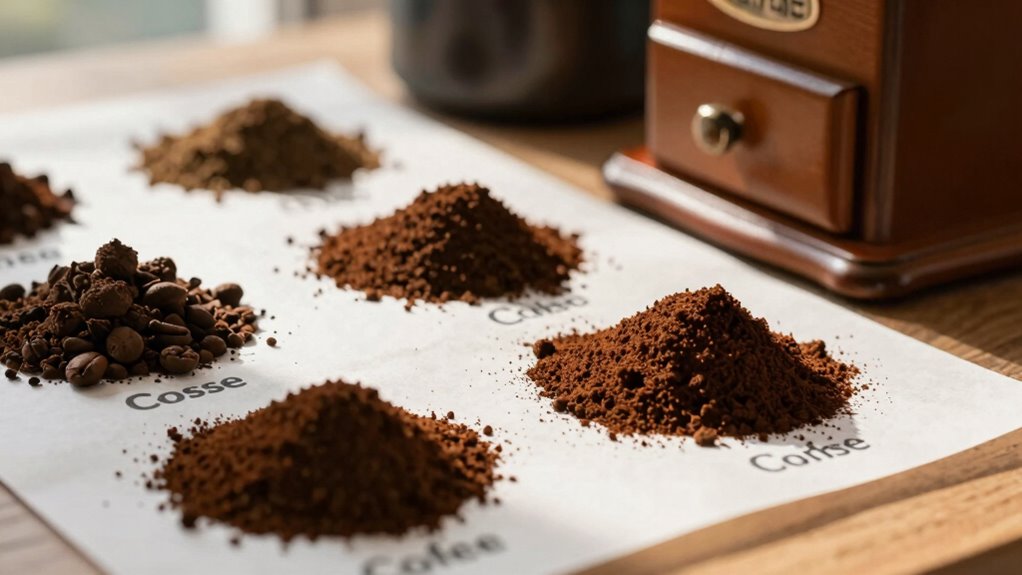

Understanding coffee grind size is key for perfecting flavor in your brew. Each method, like cold brew or espresso, requires specific grind coarseness for ideal extraction. Coarse grinds yield smoother flavors, while fine grinds intensify taste but can introduce bitterness. Consistency in grind size promotes an even flavor experience. Don’t overlook mistakes like neglecting brewing methods or using stale beans. Stick around to discover more tips for achieving that perfect cup!
Key Takeaways
- Different brewing methods require specific grind sizes: coarse for cold brew, fine for espresso, and medium for pour over and AeroPress.
- Grind size impacts flavor extraction; coarse grinds yield smoother, less intense flavors, while fine grinds risk bitterness and over-extraction.
- Consistency in grind size is crucial for even extraction and revealing complex flavor profiles in your coffee.
- Freshness matters; grind just before brewing and store beans in airtight containers to maintain flavor.
- Use a burr grinder for uniform grind size and measure coffee and water accurately for balanced brewing results.
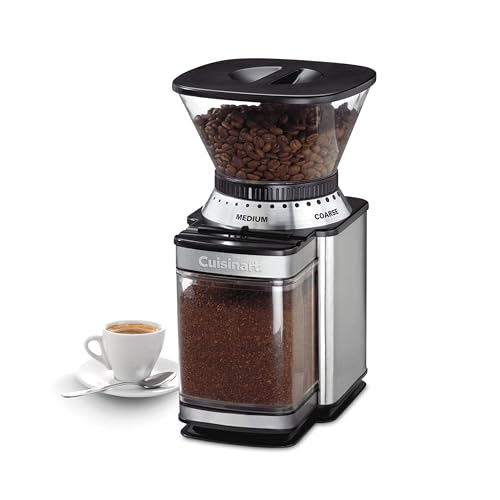
Cuisinart Coffee Grinder, Electric One-Touch Automatic Burr Coffee Grinder with 18-Position Grind Selector, Cup Size Selector for 4 – 18 Cups, DBM-8P1, Black Stainless
ENJOY OPTIMUM FLAVOR: The Cuisinart Coffee Grinder with 18-position slide-dial grind selector provides a uniform grind from ultra-fine…
As an affiliate, we earn on qualifying purchases.
As an affiliate, we earn on qualifying purchases.
Different Brewing Methods and Their Ideal Grind Sizes
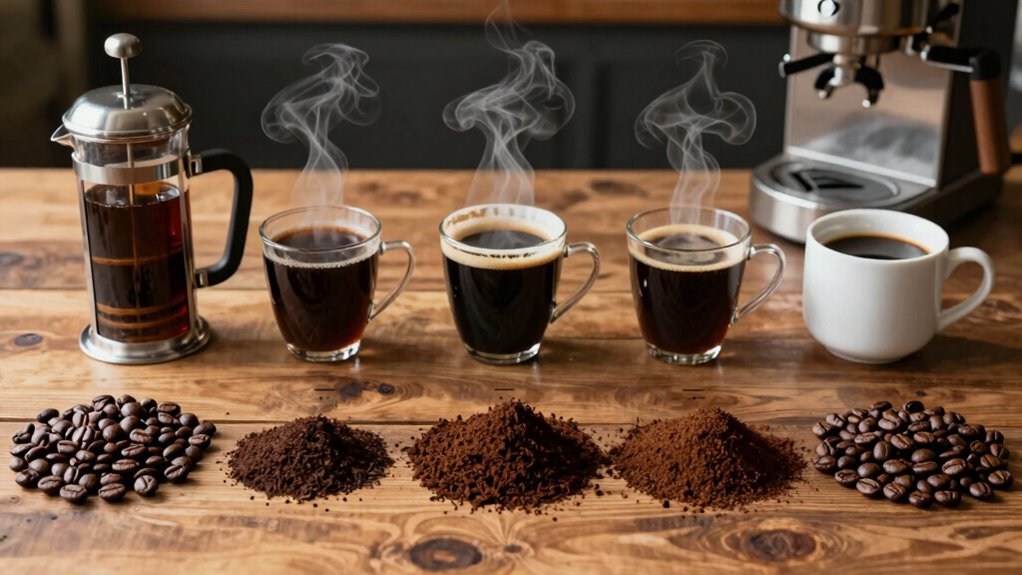
When it comes to brewing coffee, the grind size plays an important role in extracting the perfect flavor. For cold brew, you’ll want a coarse grind to guarantee a smooth extraction over an extended brew time. In contrast, espresso extraction demands a fine grind for quick, intense flavor. When using a pour over method, medium grind consistency helps achieve that ideal flavor balance, while a French press benefits from a coarse grind for a rich brew. If you’re trying AeroPress techniques, a medium-fine grind works best, allowing for maximum extraction. Remember, adjusting grind size affects not just flavor but also how water temperature interacts with the coffee beans, making it vital to tailor your grind to your chosen brewing method. Additionally, understanding strength training fundamentals can help you apply similar principles of precision and consistency in your coffee brewing process.

Gevalia Special Reserve Guatemala Single Origin Medium Roast Coarse Ground Coffee (10 oz Bag)
One 10 oz bag of Gevalia Guatemalan Single Origin Special Reserve Coarse Ground Coffee
As an affiliate, we earn on qualifying purchases.
As an affiliate, we earn on qualifying purchases.
How Coffee Grind Size Affects Flavor and Extraction
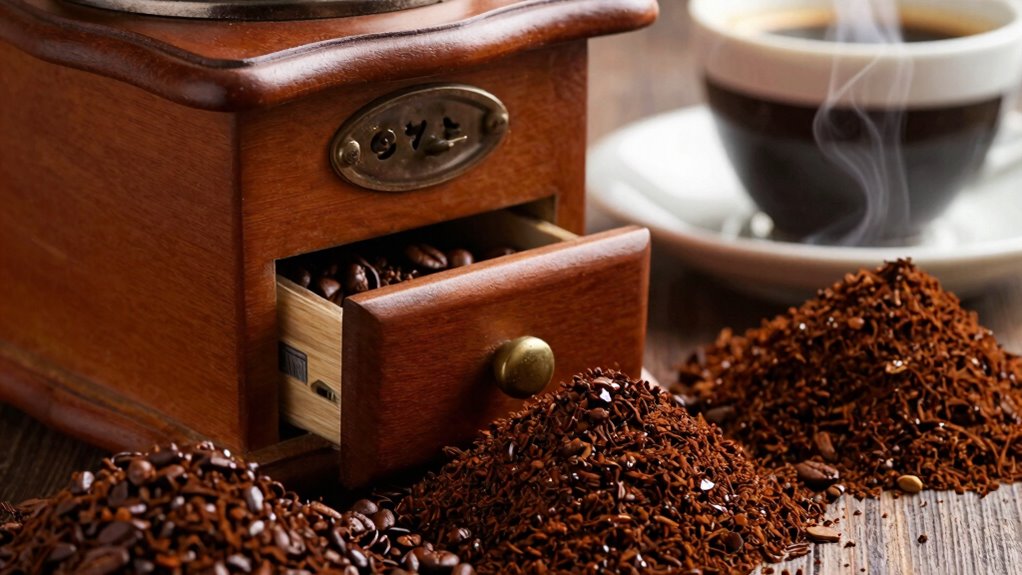
The grind size of your coffee beans directly influences the flavor and extraction process, making it essential to get it right. If you use a coarse grind, you’ll get a slower extraction, often resulting in a smoother, less intense flavor profile. On the other hand, a fine grind extracts flavors quickly, which can lead to a more robust taste but risks over-extraction and bitterness. Finding the right grind size helps achieve an extraction balance, enhancing the coffee’s natural sweetness and complexity. Adjusting the grind allows you to highlight specific flavor profiles, ensuring you enjoy every sip. Experimenting with different sizes will help you discover what works best for your taste preferences. Additionally, grind size variations can influence how well your super-automatic espresso machine performs, affecting the overall brewing experience. Understanding the differences between espresso and coffee can further guide your grind size choices, leading to a more satisfying cup.

Kauai Coffee Ground Coffee – Smooth, Rich, Medium Roast – Light Floral Notes, Bright Aroma – Arabica Coffee, 10% Hawaiian with No Bitterness – Koloa Estate, 1 Pack of 10oz
TASTE OF PARADISE: Enjoy Kauai Coffee Koloa Estate’s light floral notes and bright aroma that bring the essence…
As an affiliate, we earn on qualifying purchases.
As an affiliate, we earn on qualifying purchases.
The Importance of Coffee Grind Size for Flavor Optimization
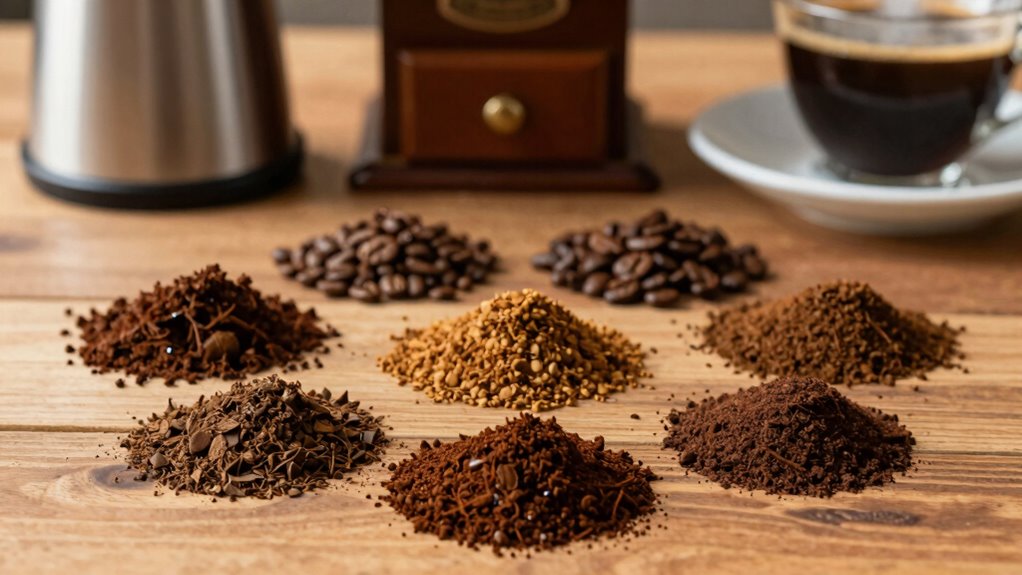
Getting the grind size right isn’t just about brewing; it’s vital to revealing the full potential of your coffee’s flavor. The grind size directly impacts flavor balance and extraction time, ensuring you savor each sip. Here are four significant aspects to take into account:
- Coarser Grinds: They lead to slower extraction, enhancing bright and fruity notes, which is particularly beneficial when using prosumer espresso machines that emphasize clarity in flavors. Additionally, grind size can influence how well the coffee interacts with water, affecting taste complexity.
- Medium Grinds: Perfect for balanced flavors, offering a harmonious blend of acidity and sweetness. This grind is often the go-to for brewing methods that require a moderate extraction time.
- Finer Grinds: These speed up extraction, intensifying bold, rich flavors but can lead to bitterness if over-extracted. The right balance in grind size is essential for achieving optimal flavor clarity.
- Consistency: Uniform grind size promotes even extraction, allowing you to reveal the nuanced flavors hidden within your beans. Achieving consistency is key to replicating your favorite coffee experience cup after cup.
Mastering grind size is essential for elevating your coffee experience. Additionally, understanding extraction time is crucial for optimizing how your coffee flavors develop during brewing.

AeroPress Flow Control Filter Cap, Stops Drip for Full Control Over Grind Size & Time, Brew Classics, Espresso Style, Lattes, Cold Brew & More, Fits Standard Size AeroPress Manual Coffee Maker
Complete Brew Control – The innovative AeroPress Flow Filter Cap features a pressure-actuated valve that stops drip-through, giving…
As an affiliate, we earn on qualifying purchases.
As an affiliate, we earn on qualifying purchases.
What Common Mistakes to Avoid When Choosing Grind Size?
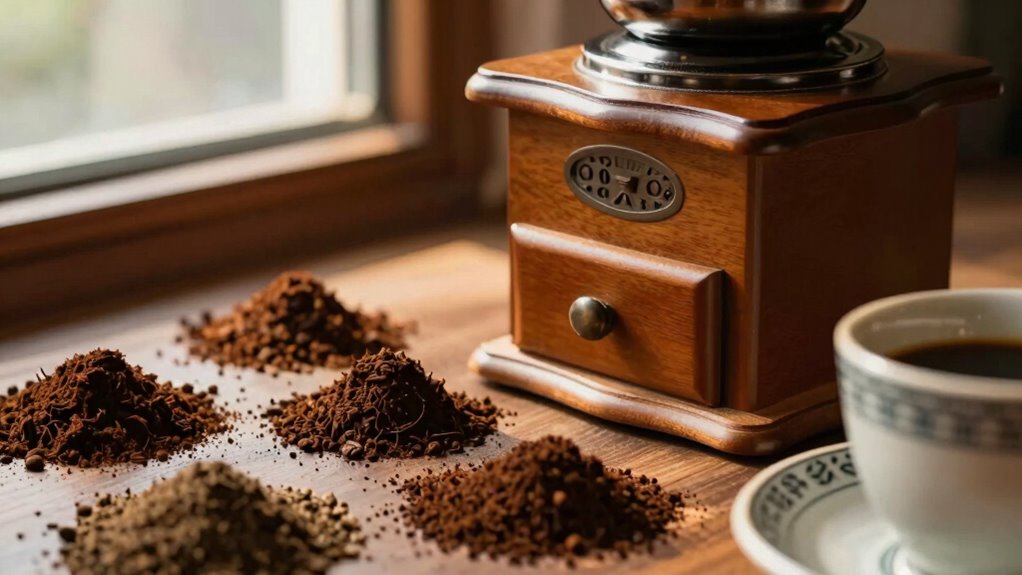
When choosing your grind size, don’t overlook your brewing method; it plays a huge role in getting the best flavor. Also, remember that the freshness of your beans can affect the grind—stale coffee won’t taste good, no matter the size. Avoid these common mistakes to elevate your coffee experience.
Ignoring Brewing Method
Sure! Here’s your requested content with the specified modifications:
—
Choosing the right grind size often becomes a challenge, especially if you overlook the brewing method. Different methods require specific grind sizes to achieve ideal flavor balance and extraction time. Here are four common mistakes to avoid:
- Ignoring Bean Type: Different beans react uniquely to grind size; match them accordingly. Additionally, understanding smart appliances can enhance the brewing process by ensuring optimal temperature and timing. A proper grind size can significantly affect the flavor extraction during brewing. Using a pressure washer for cleaning coffee equipment can also improve the quality of your brew.
- Neglecting Water Temperature: The right grind uniformity impacts how flavors extract based on temperature. Consistent grind size allows for better control over the ideal brewing temperature, enhancing the overall experience.
- Disregarding Brewing Consistency: Inconsistent grind sizes lead to uneven extraction, altering your taste profile. A uniform grind size ensures that each particle extracts at the same rate, resulting in a balanced flavor.
- Overlooking Extraction Time: Fine grinds may require shorter brewing times, while coarser ones need longer for balanced flavor. Adjusting your grind size based on extraction time can help achieve the perfect brew.
Additionally, understanding color accuracy can help you select a grinder that optimizes your brewing experience.
—
Let me know if you need any more changes!
Overlooking Freshness Factors
Although many focus on grind size, overlooking freshness can greatly impact your coffee’s flavor. Freshness factors like when you grind and how you store your beans play an essential role. Using pre-ground coffee or storing beans improperly can diminish taste, no matter the grind size.
Here’s a quick reference table to keep in mind:
| Freshness Factor | Impact on Flavor | Best Practice |
|---|---|---|
| Grinding Time | Freshness diminishes quickly | Grind just before brewing |
| Storage Method | Air exposure increases staleness | Use airtight containers |
| Bean Type | Some beans lose flavor faster | Choose high-quality, fresh beans |
| Environment | Humidity affects oils | Store in a cool, dry place |
| Brew Timing | Over time, flavor fades | Brew within 30 minutes of grinding |
Pay attention to these factors to enjoy your coffee to the fullest!
Tips for Adjusting Grind Size for Better Results
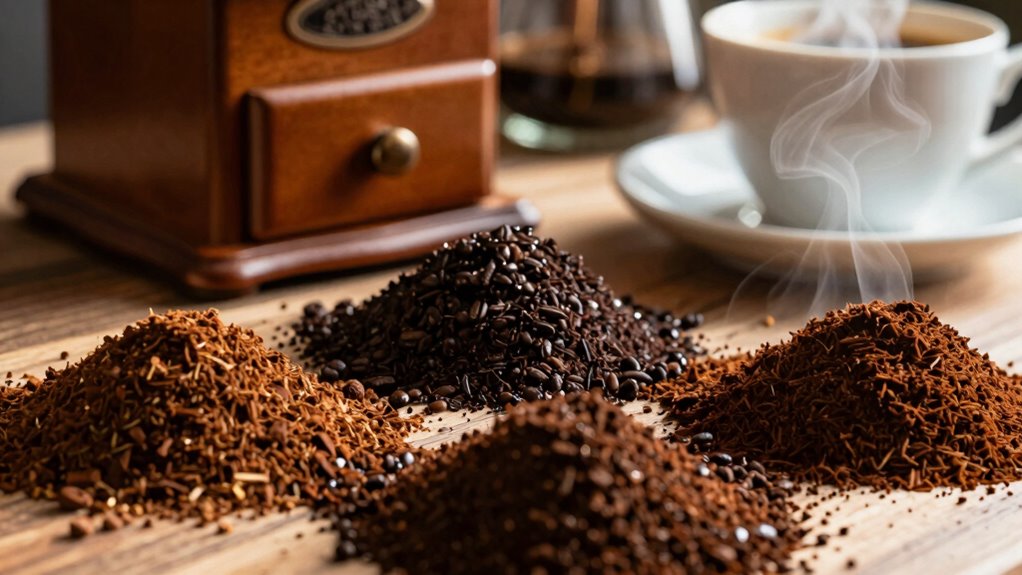
To get the most out of your coffee, experiment with different brewing methods to see how grind size affects flavor. Don’t hesitate to taste test your adjustments; small changes can make a big difference. Finding the right grind can elevate your coffee experience considerably.
Experiment With Brewing Methods
When you experiment with different brewing methods, adjusting your coffee grind size can considerably enhance the flavor and aroma of your brew. The grind size affects coffee extraction and influences brew time, so here are some tips to guide you:
- French Press: Use a coarse grind. Longer brew times require coarser coffee to prevent over-extraction.
- Pour Over: Opt for a medium grind. This allows for balanced extraction and ideal flavor.
- Espresso: Choose a fine grind. Short brew times necessitate finer grounds for a rich, concentrated shot.
- Cold Brew: Go for a coarser grind. The extended brew time benefits from a coarser texture to avoid bitterness.
Experimenting with these adjustments can lead to a perfect cup tailored to your taste.
Taste Test Adjustments
Sure! Here’s your revised content with the requested adjustments:
—
How can you fine-tune your coffee experience through simple grind size adjustments? Start by understanding how different grind sizes impact taste profiles and extraction rates. A coarser grind tends to yield a lighter flavor, while a finer grind can intensify coffee nuances. Make small grind adjustments to find your ideal flavor balance, especially if you notice bitterness or sourness in your brew. Using anti-fatigue mats while standing can help improve your brewing comfort during these adjustments. Additionally, a clean brewing environment is crucial for optimal flavor, as grease detection can reveal hidden residues that affect your coffee’s taste. Experimenting with different essential oils can enhance your overall sensory experience during coffee preparation.
Brewing consistency is key, so don’t hesitate to experiment. You might discover preference variations you never knew existed! Each tweak can enhance your sensory experiences, revealing hidden layers of flavor. Additionally, incorporating deep breathing techniques can help reduce stress during your coffee brewing routine, making the experience even more enjoyable. Remember, the goal is to enjoy every sip, so trust your taste buds and embrace the journey of discovery in your coffee routine. Additionally, understanding nutritional information about coffee can help you make more informed choices about your daily brew.
—
Let me know if you need any further adjustments!
Tools for Measuring and Adjusting Grind Size
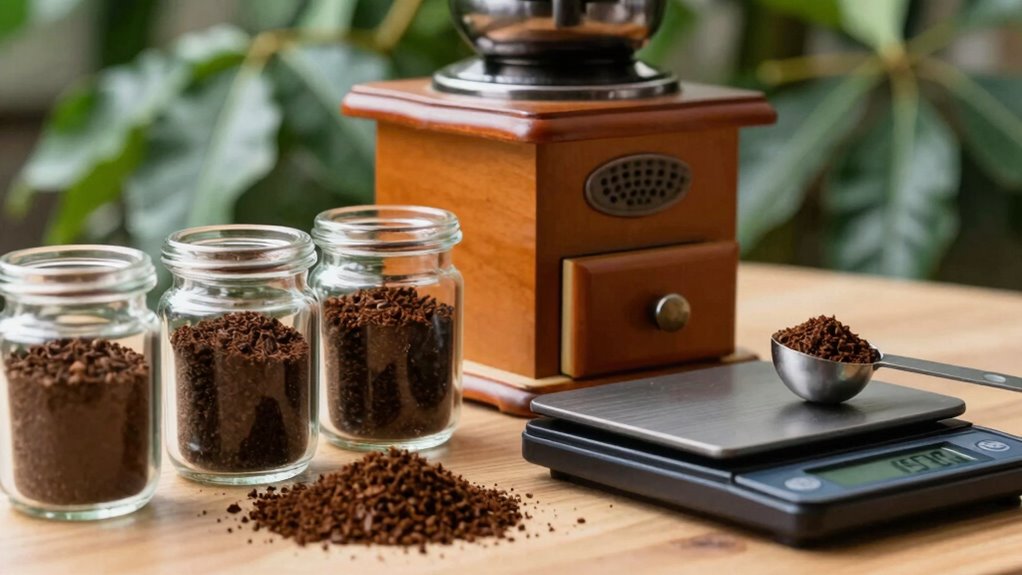
While brewing the perfect cup of coffee, having the right tools for measuring and adjusting grind size can make all the difference. Understanding various grinder types and using effective measurement tools will enhance your coffee experience. Here are four essential tools you should consider:
- Burr Grinder: Offers consistent grind size, vital for ideal extraction. Using a burr grinder is preferred over blade grinders for this reason. This consistency is comparable to the importance of smarter lifting in strength training, where precision leads to better results. A consistent grind size can significantly influence your coffee’s extraction efficiency, impacting the overall flavor profile. Additionally, using a high-quality burr grinder can contribute to energy efficiency, aligning with the benefits of energy-efficient appliances.
- Scale: Measures coffee and water accurately, ensuring a balanced brew. This precision can be crucial for achieving the optimal extraction ratio.
- Sifter: Helps separate grounds by size, allowing you to perfect your grind. Different grind sizes can significantly impact the brewing process and flavor profile.
- Grind Setting Guide: Assists in adjusting your grinder to the desired coarseness or fineness. Knowing the right settings for your brewing method is essential for maximizing flavor.
Additionally, ensuring proper kitchen ventilation while brewing can help maintain a pleasant environment, as the aroma of freshly ground coffee can be quite strong. With these tools, you can fine-tune your grind size, leading to a richer, more flavorful cup every time.
Troubleshooting: What to Do If Your Coffee Tastes Off
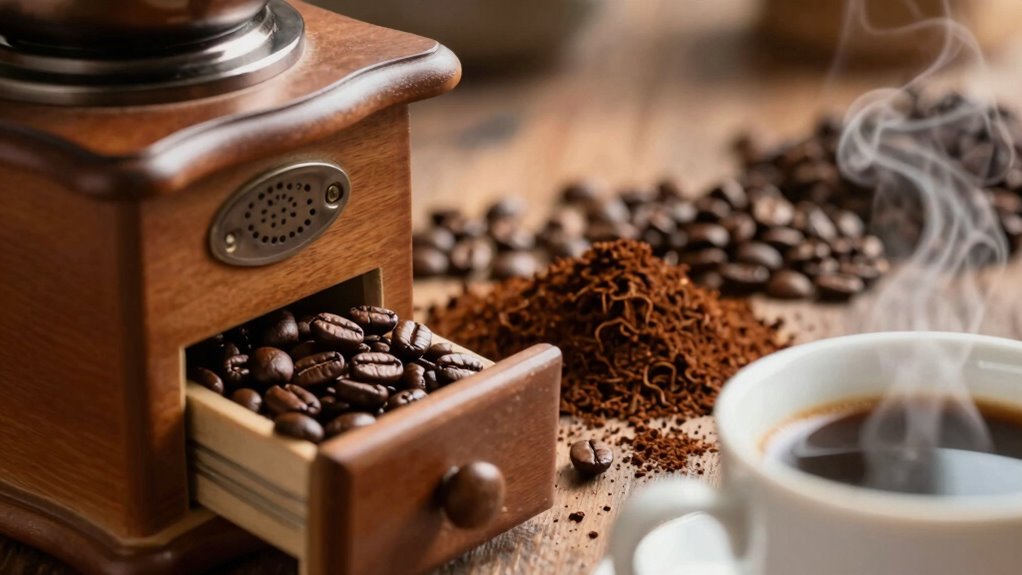
If your coffee tastes off, it’s essential to identify the underlying issue quickly. Start by considering off flavor causes, like stale beans or incorrect grind size. If your beans are old, switch to fresh ones. Next, check your grind size; if it’s too coarse or fine, it can lead to undesirable flavors. Additionally, using proper airflow around your brewing equipment can enhance the overall flavor extraction.
Investing in acoustic drum shields can help improve sound clarity in your brewing space, contributing to a better overall experience. Brewing temperature also plays an important role. If it’s too hot, you might extract bitter compounds; too cold, and you’ll miss the coffee’s sweetness. Aim for a brewing temperature between 195°F and 205°F. Additionally, using smart kitchen tools can help you achieve the perfect grind and brew consistency. Understanding coffee extraction principles is key to balancing flavor profiles. For optimal extraction, consider the science behind coffee brewing methods that can enhance flavor complexity. Finally, make sure your equipment is clean, as residue can taint the flavor. By addressing these factors, you can enjoy a much better cup of coffee!
Frequently Asked Questions
Can Grind Size Affect Caffeine Levels in Coffee?
Yes, grind size can affect caffeine levels in your coffee. Finer grinds increase the surface area, leading to faster caffeine extraction during brewing methods like espresso. On the other hand, coarser grinds might slow down extraction, resulting in lower caffeine levels. If you want a stronger cup, try a finer grind, especially with methods that utilize pressure or longer steep times, like French press or AeroPress. Adjusting grind size can enhance your coffee experience!
How Does Humidity Impact Coffee Grind Size?
Humidity can greatly impact your coffee grind size. When the air’s humid, coffee beans absorb moisture, affecting grind consistency. If you’re using a brewing method that requires a fine grind, you might find it clumps more, leading to uneven extraction. On the flip side, dry conditions can make your grind too coarse. Always adjust your grind size based on the humidity to get the best flavor and consistency from your brew.
What’s the Shelf Life of Ground Coffee?
Ground coffee typically has a shelf life of about 1 to 2 weeks for peak freshness. After that, you’ll notice grind deterioration due to factors like exposure to air, light, and moisture. To keep your coffee fresh longer, store it in an airtight container away from heat sources. Even if it doesn’t spoil, its flavor and aroma can fade quickly, so try to use it as soon as possible for the best experience.
Does Grind Size Matter for Decaf Coffee?
Absolutely, grind size matters for decaf coffee! Imagine brewing a cup that’s flat when it could be vibrant. In decaf brewing, the right grind size influences flavor extraction. A coarser grind may lead to under-extraction, leaving your coffee tasting weak, while a finer grind can enhance the flavors but may over-extract, causing bitterness. Finding that sweet spot is key to enjoying a rich, satisfying decaf experience every time you brew.
How Do I Store Ground Coffee Properly?
To store ground coffee properly, use an airtight container to keep air and moisture out. Vacuum sealing is a great option, as it removes excess air, preserving freshness. Make sure to store the container in a cool, dark place, away from heat sources. Avoid keeping your coffee in the fridge or freezer, as moisture can compromise the flavor. By following these steps, you’ll enjoy your coffee’s rich taste longer!
Conclusion
To sum up, getting your coffee grind size right can transform your morning brew from mundane to absolutely magical. By understanding the ideal grind for your brewing method and avoiding common pitfalls, you’ll reveal the full flavor potential of your coffee. Remember, a little adjustment can make a world of difference! So, don’t hesitate to experiment and perfect your grind size. Your taste buds will thank you, and your coffee will be nothing short of legendary!