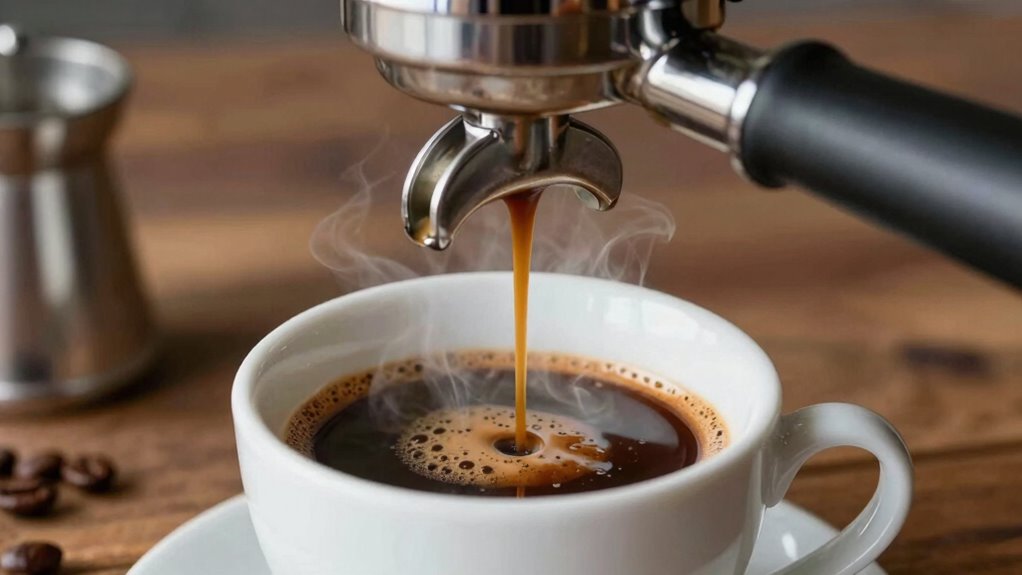
Coffee extraction’s all about dissolving soluble compounds from coffee grounds, shaping the flavor and aroma of your brew. Factors like water temperature, brew time, and grind size play essential roles. Use water between 195°F and 205°F for ideal taste, and remember that different methods need specific brew times. A consistent grind size helps avoid extraction issues. Mastering these elements can elevate your coffee experience. Stick around to discover tips for perfecting your extraction techniques.
Key Takeaways
- Coffee extraction involves dissolving soluble compounds, influenced by grind size, brew time, and coffee-to-water ratio for optimal flavor.
- Ideal water temperature for brewing is between 195°F to 205°F, balancing flavor extraction without causing bitterness.
- Grind size impacts extraction: coarse grinds suit French press, while fine grinds are best for espresso.
- Brewing time varies by method; too short leads to sourness, while too long results in bitterness.
- Common mistakes include using poor water quality, inconsistent grind size, and neglecting equipment maintenance, all affecting coffee taste.
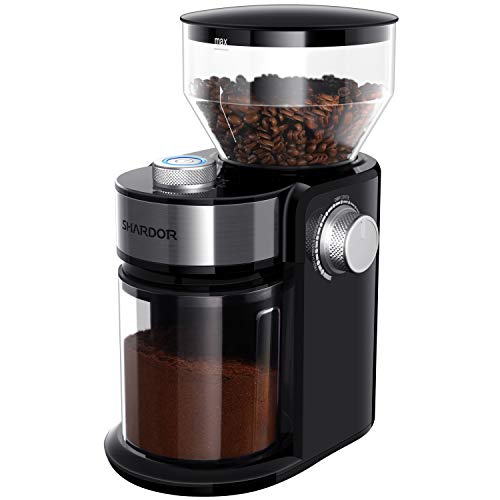
SHARDOR Electric Burr Coffee Grinder 2.0, Adjustable Burr Mill with 16 Precise Grind Setting for 2-14 Cup, Black
[ PRECISION BURR GRINDING ] – Metallic flat burr coffee grinder delivers a uniform grind size, for consistent…
As an affiliate, we earn on qualifying purchases.
As an affiliate, we earn on qualifying purchases.
What Is Coffee Extraction and Why Does It Matter?
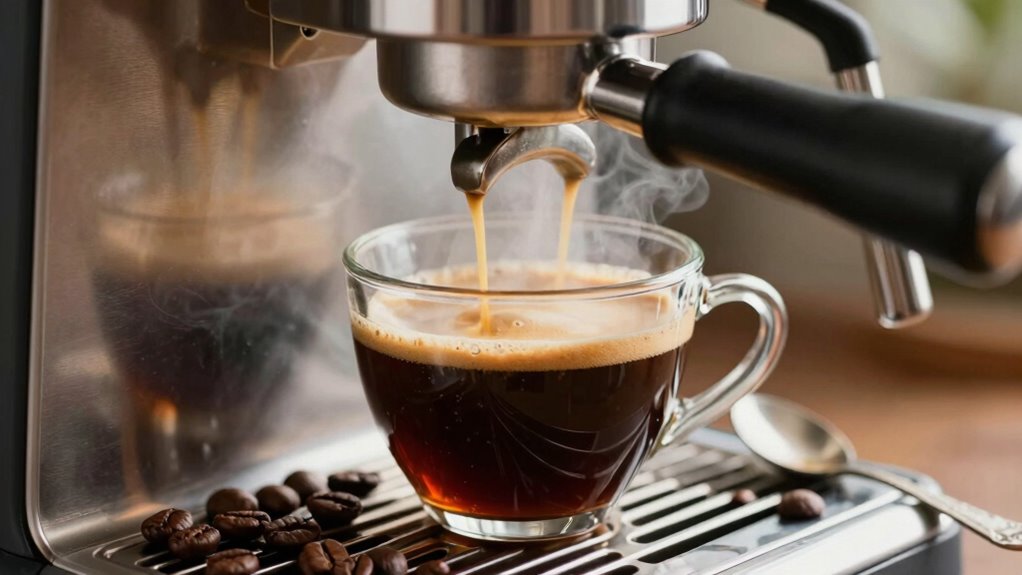
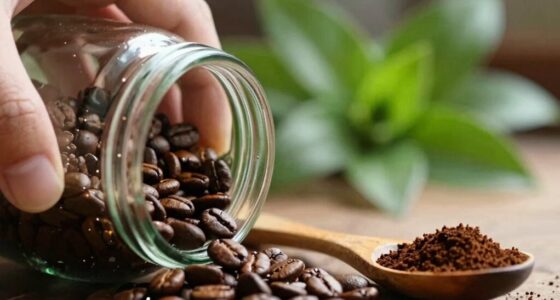
When you brew coffee, the process of extraction determines how flavors and aromas emerge from the coffee grounds. This extraction is all about coffee chemistry; it involves dissolving soluble compounds from the grounds into your brew. The extraction variables, like grind size, brew time, and coffee-to-water ratio, play an essential role in this process. For example, a finer grind increases surface area, allowing for more flavor extraction. Conversely, if you brew for too long, you risk over-extraction, leading to bitterness. Understanding these dynamics helps you achieve your ideal cup. By manipulating these variables, you can reveal a diverse range of flavors, making your coffee experience truly unique. So, pay attention to extraction—it’s what makes your coffee sing!

YDDZZM Gooseneck Electric Kettle, Intelligent Temperature Control, Stainless Steel Inner, Quick Heating, for Pour Over Coffee, Brew Tea, Boil Hot Water, 1000W 0.9L Black
Electric Kettle For Coffee and Tea : This electric kettle allows you to select the ideal temperature from…
As an affiliate, we earn on qualifying purchases.
As an affiliate, we earn on qualifying purchases.
How Water Temperature Affects Your Coffee’s Flavor?
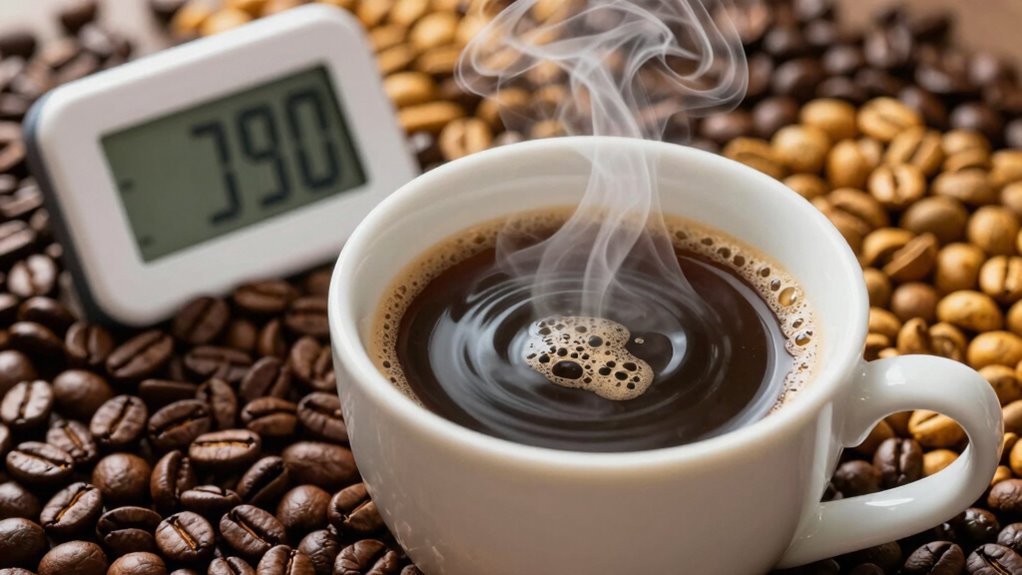
Water temperature plays an essential role in how your coffee tastes. If it’s too hot or too cold, you can either under-extract or over-extract flavors, leading to a less enjoyable cup. Finding the ideal brewing temperature can greatly enhance your coffee’s flavor profile.
Optimal Brewing Temperatures
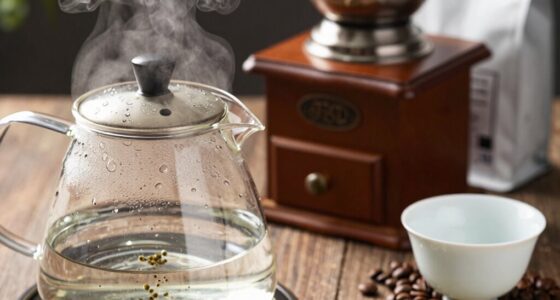
How does temperature influence the flavor of your coffee? The right brewing temperature can make or break your cup. Most brewing methods thrive within a specific temperature range, typically between 195°F and 205°F. Here are four key points to take into account:
- Extraction Rate: Higher temperatures extract flavors faster, but too hot can lead to bitterness.
- Brewing Methods: Different methods like French press or pour-over have unique temperature needs for ideal flavor.
- Consistency: Maintaining a stable temperature guarantees uniform extraction, enhancing your coffee’s taste.
- Personal Preference: Experimenting within the temperature range allows you to find what suits your palate best.
Flavor Profile Changes
As you brew your coffee, the temperature plays a crucial role in shaping its flavor profile. Higher temperatures can extract more oils and acids, enhancing bold tasting notes, while lower temperatures often lead to a smoother, more subtle flavor balance. This can drastically change how you perceive your coffee.
Here’s a quick look at how temperature affects flavor:
| Temperature (°F) | Flavor Characteristics |
|---|---|
| 190 | Bright acidity, floral notes |
| 200 | Balanced flavors, medium body |
| 205 | Rich oils, chocolate notes |
| 210 | Intense bitterness, heavy body |
| 215 | Over-extraction, harsh flavors |
Experimenting with water temperature can help you discover your ideal coffee tasting notes! Understanding brewing science can further enhance your experimentation and results.
Under-Extraction vs. Over-Extraction
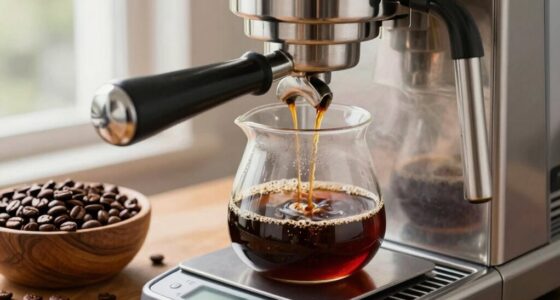
While brewing coffee, achieving the right balance between extraction levels is essential for a satisfying cup. Under-extraction leads to sour flavors, while over-extraction can create bitterness. Understanding these concepts helps you refine your brew methods and enhance your tasting notes. Here are four key extraction variables to ponder:
- Water Temperature: Higher temps can lead to over-extraction, while lower temps might cause under-extraction.
- Brew Time: Adjusting this affects flavor balance considerably.
- Grind Size: Finer grind increases extraction speed, impacting coffee chemistry.
- Coffee-to-Water Ratio: Finding your ideal ratio caters to your palate preferences. Additionally, experimenting with super-automatic espresso machines can simplify the process of achieving optimal extraction levels.

Veken French Press Coffee Maker 34oz, No Plastic Touching Cafe,Thickened Glass Stainless Steel Brewer, Cold Brew Cafetera Tea pot for Kitchen Travel Camping, Gifts, Decor, Bar Accessories, Dark Pewter
No Plastic Touching Food: Made with 304 stainless steel and food-grade silicone, our French press keeps all brewing…
As an affiliate, we earn on qualifying purchases.
As an affiliate, we earn on qualifying purchases.
The Impact of Brewing Time on Coffee Extraction
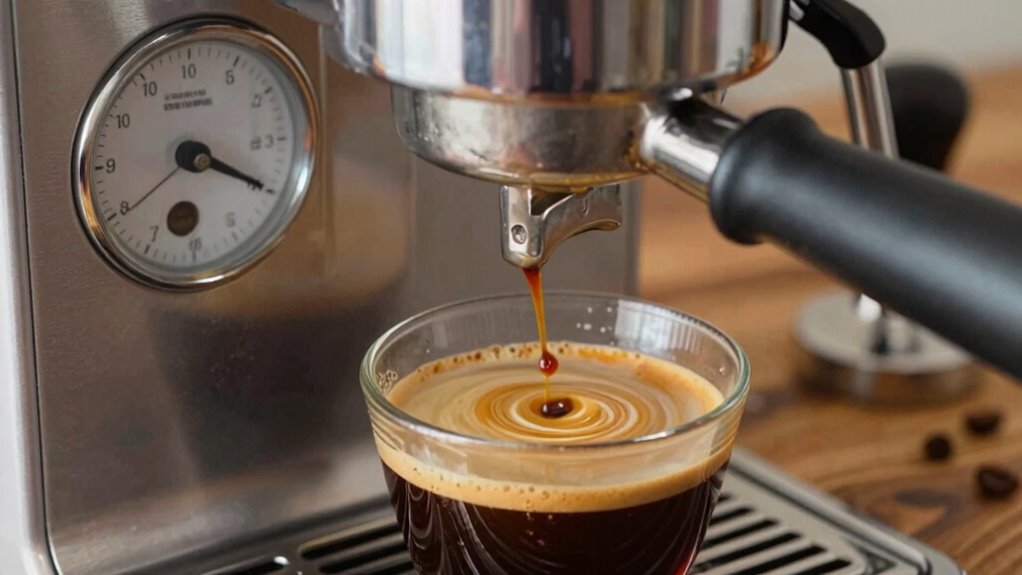
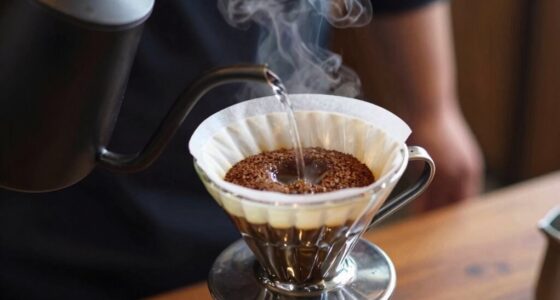
Brewing time plays an essential role in coffee extraction, influencing the flavors and aromas that make each cup unique. Different brewing methods require varying times to achieve the right balance. For instance, a French press typically needs about four minutes, while espresso takes around 25 seconds. These times affect extraction variables like solubility and flavor intensity. If you brew too short, you risk under-extraction, leaving your coffee sour and weak. Conversely, extending the brew time can lead to over-extraction, resulting in bitterness. By fine-tuning your brewing time, you can harness the full spectrum of flavors locked within your coffee grounds, ensuring each sip delivers the richness you crave. Adjusting this variable is key to mastering your ideal brew.

SuperCook Pour Over Coffee Dripper Set, Hand Drip Coffee Maker Set, All in One Pour Over Kit with Electric Grinder, Coffee Dripper Set, Ideal for Anniversary Birthday Gift
ALL-IN-1 SET: This set comes with 1pc 32oz gooseneck kettle, 1pc stainless steel coffee filter, 1pc 14oz coffee…
As an affiliate, we earn on qualifying purchases.
As an affiliate, we earn on qualifying purchases.
Finding the Right Grind Size for Extraction
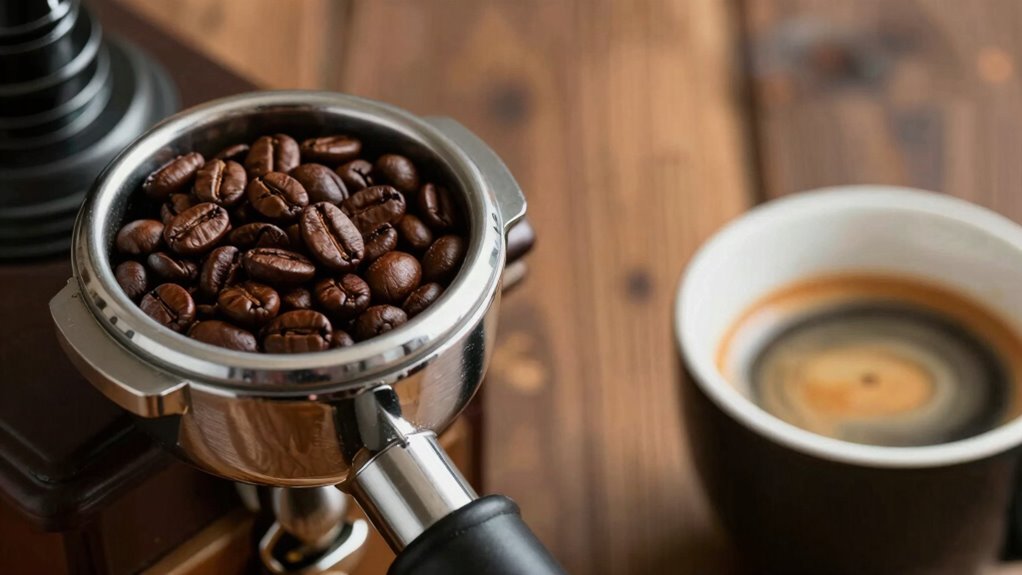
When it comes to brewing coffee, the grind size plays a vital role in extraction. A coarse grind will result in a different brew time compared to a fine grind, affecting the flavor and strength of your cup. Let’s explore how these differences can impact your brewing experience.
Coarse Vs. Fine Grind
How do you choose between a coarse or fine grind for your coffee? The right grind size is essential for achieving the perfect extraction balance. Here are some tips to help you decide:
- Brew Method: Coarse grinds work well for methods like French press, while fine grinds suit espresso machines. Additionally, understanding color accuracy can help you appreciate the nuances in your coffee’s flavor profile.
- Grind Consistency: Make certain your grind is even; inconsistent grinds lead to uneven extraction.
- Flavor Profile: Coarse grinds often yield milder flavors, while fine grinds can produce more intense, robust notes.
- Brew Time: Remember, finer grinds extract faster, so adjust your brewing time accordingly.
Additionally, understanding what matters in grind size can significantly enhance your coffee experience, making each cup a delight.
Impact On Brew Time
Finding the right grind size can greatly influence your brew time and overall coffee extraction. A finer grind extracts flavors more quickly, while a coarser grind requires more time. Adjusting your grind size affects brew ratios and extraction variables, so it’s essential to find the sweet spot for your preferred method.
| Grind Size | Brew Time |
|---|---|
| Coarse | 4-6 minutes |
| Medium | 3-4 minutes |
| Fine | 2-3 minutes |
| Extra Fine | 1-2 minutes |
| Cold Brew (Coarse) | 12-24 hours |
Experimenting with grind size helps you optimize extraction, ensuring you get the rich flavors and aromas you desire in every cup.
Frequent Coffee Extraction Mistakes to Avoid
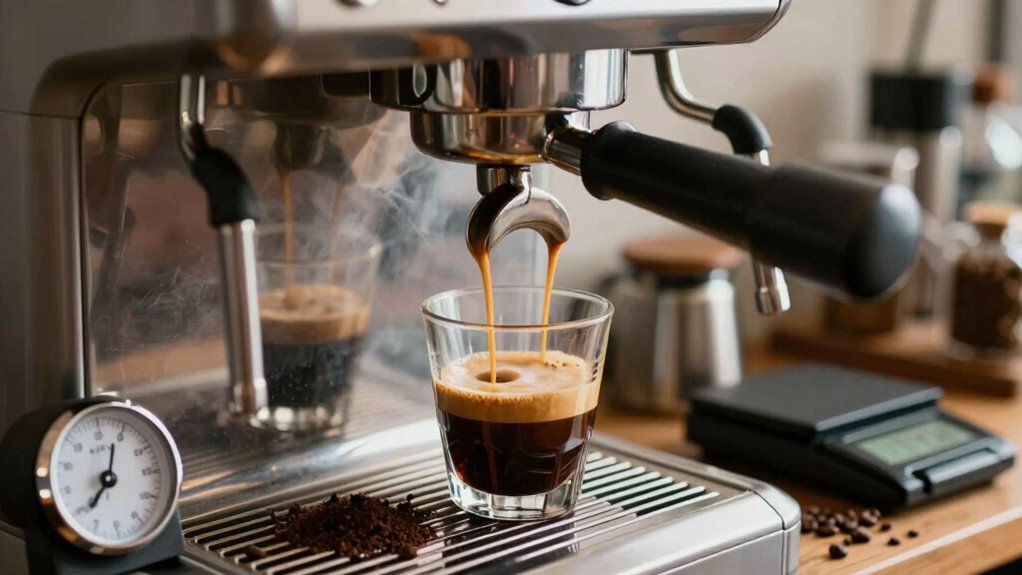
While brewing coffee might seem straightforward, many enthusiasts unknowingly make mistakes that can ruin their cup. Here are four common pitfalls to avoid:
- Ignoring Water Quality: Bad water can spoil even the best beans. Always use filtered water to enhance flavor.
- Inconsistent Grind Size: Using the wrong grind size for your brewing method can lead to under-extraction or over-extraction.
- Neglecting Brewing Equipment: Dirty equipment affects taste. Regularly clean your coffee maker, grinder, and other tools.
- Incorrect Brew Time: Each method requires a specific brew time. Too short or too long can result in a bitter or weak cup. Additionally, understanding brewing techniques can significantly improve your overall coffee experience.
Essential Techniques for Perfect Coffee Extraction
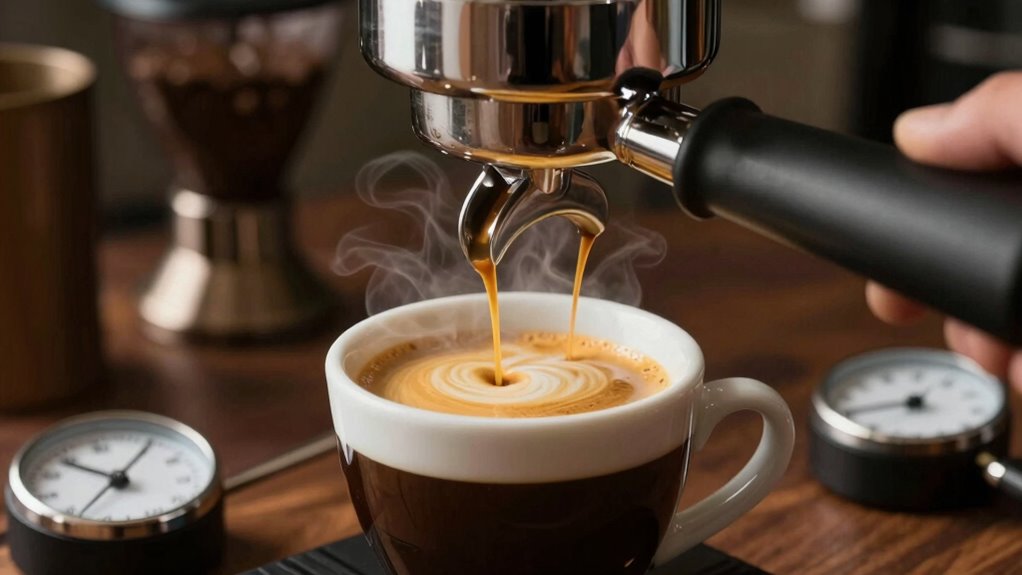
Achieving the perfect coffee extraction relies on mastering a few essential techniques that can elevate your brewing game. First, choose the right brewing method for your desired flavor balance. Experiment with variables like grind size, water temperature, and brew time to refine your process.
| Brewing Method | Grind Size | Brew Time |
|---|---|---|
| French Press | Coarse | 4 minutes |
| Pour Over | Medium | 3 minutes |
| Espresso | Fine | 25 seconds |
| AeroPress | Medium-Fine | 2 minutes |
Each method extracts different flavors, so don’t hesitate to adjust your approach. Keep tasting and tweaking until you find that ideal cup that satisfies your palate. Perfecting these techniques will enhance your coffee experience.
Frequently Asked Questions
How Does Coffee Bean Origin Affect Extraction Flavor Profile?
The coffee bean origin considerably affects the extraction flavor profile by introducing unique flavor nuances and regional characteristics. When you brew beans from Ethiopia, for example, you might taste fruity or floral notes, while Colombian beans often present a rich, chocolatey profile. These differences arise from the climate, altitude, and soil where the beans grow. So, when you choose your coffee, consider the origin to enhance your tasting experience.
Can Water Quality Influence Coffee Extraction Results?
You know the saying, “You can’t make a silk purse out of a sow’s ear.” Water quality can seriously influence your coffee extraction results. If you use hard water with high mineral content, it might enhance flavors, but poor pH balance or chlorine levels can ruin them. Temperature stability plays a vital role, too. Depending on your brewing method, the right water makes all the difference, so choose wisely for a perfect cup!
What Role Does Coffee Freshness Play in Extraction?
Coffee freshness plays an essential role in extraction. When you use fresh coffee, the oils and flavors are more vibrant, enhancing your brew method. If your grind size is too coarse or too fine, it can affect how well those flavors extract. Fresh beans give you a better chance of achieving a balanced cup, while stale beans can lead to dull or off-tasting coffee. Always prioritize freshness for ideal extraction results!
Is There a Best Time of Day for Brewing Coffee?
There’s something magical about brewing coffee in the early morning light, right? It’s often best to brew during those first hours as your body wakes up. Morning rituals kickstart your day, and your caffeine tolerance is lower then, maximizing that energizing kick. Around mid-morning, energy peaks, making it a great time for a second cup. So, tune into your brewing habits and savor the perfect moments for that delicious brew.
How Does Coffee Storage Impact Extraction Quality?
Coffee storage greatly impacts extraction quality. If you use proper storage methods, like airtight containers, you’ll enhance flavor retention. High humidity levels can lead to mold and spoilage, ruining your beans. Different packaging types, like vacuum-sealed bags, can also help preserve freshness. So, keep your coffee in a cool, dark place to maintain its flavor and guarantee a better brewing experience. Your cup will thank you for it!
Conclusion
In mastering coffee extraction, you’re not just brewing a cup; you’re crafting an experience. By paying attention to water temperature, brewing time, and grind size, you can access a world of flavors. Avoid common pitfalls and embrace essential techniques, and you’ll find that each sip tells a story. So, why settle for ordinary when extraordinary is just a brew away? Immerse yourself, experiment, and elevate your coffee game—your taste buds will thank you!