
If you’re confused between coffee bitterness and astringency, here’s the simple answer: bitterness feels dull, sharp, or lingering and results from over-extraction or dark roast beans. Astringency, on the other hand, causes a dry, puckering mouth sensation, often from tannins and unripe flavors. Recognizing these differences helps you adjust brewing to improve flavor. Keep exploring to understand how origin, roast level, and brewing methods can influence these sensations and how to control them.
Listen free for 30 days with Audible
Thousands of audiobooks and originals — cancel anytime.
As an affiliate, we earn on qualifying purchases.
Key Takeaways
- Bitterness feels dull and sharp, while astringency causes a dry, puckering sensation in the mouth.
- Astringency is linked to tannins and unripe flavors, whereas bitterness often results from over-extraction or roasting.
- Proper brewing temperature and time can reduce bitterness and astringency, improving overall flavor balance.
- Recognizing these sensations helps in adjusting brewing methods for a smoother, more enjoyable coffee.
- Using milk or salt can soften both bitterness and astringency, enhancing flavor harmony.
As an affiliate, we earn on qualifying purchases.
What Causes Bitterness and Astringency in Coffee?
What Causes Bitterness and Astringency in Coffee?
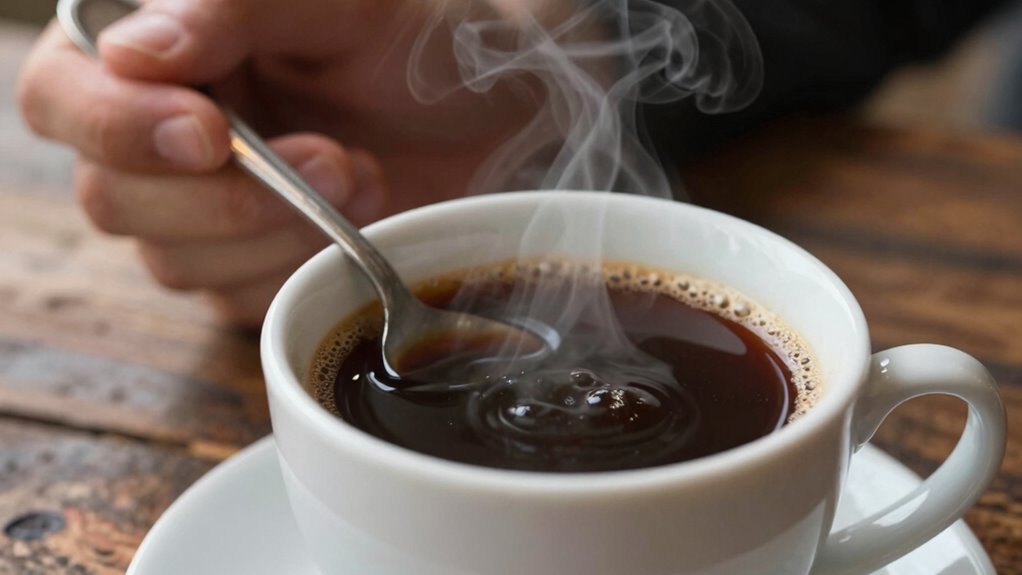
Bitterness and astringency in coffee mainly stem from compounds that develop during roasting and brewing. Different coffee plant varieties influence these flavors; some naturally produce more bitter compounds or astringent tannins. For instance, beans from certain regions or specific varietals tend to have stronger profiles. Brewing temperature also plays a vital role: higher temperatures extract more bitter and astringent compounds, intensifying these sensations. If you brew your coffee too hot, you risk increasing bitterness and astringency, regardless of the bean type. Conversely, lower temperatures can emphasize sweetness and acidity. Understanding how your coffee’s origin and roasting level interact with brewing temperature helps you control these flavors, leading to a more balanced cup. Additionally, exploring digital concepts can provide insights into how different brewing methods affect flavor profiles. Coffee can also showcase regional flavors that highlight its unique characteristics, further contributing to its complexity. Maintaining your coffee equipment and ensuring a clean brewing environment can also significantly influence the overall taste experience by reducing off-flavors. The way color accuracy is calibrated in brewing can enhance the perception of bitterness and astringency in the final cup. Furthermore, the choice of precious metal investments can also affect your financial ability to indulge in quality coffee experiences, as a stable investment can provide the means to purchase premium coffee beans.
As an affiliate, we earn on qualifying purchases.
How Can You Recognize Astringency and Tell It Apart From Bitterness?

Recognizing the differences between astringency and bitterness in coffee can considerably improve your brewing and tasting experience. Astringency typically presents as a dry, puckering sensation on your palate, often linked to the sensory perception of tannins or unripe flavors. In contrast, bitterness feels more like a lingering, dull, or sharp taste, often associated with over-extraction or roasted beans. To tell them apart, focus on the sensation: astringency affects your mouth’s texture, while bitterness influences flavor intensity. When considering flavor pairing, understanding these differences helps you match coffees with foods that complement or balance each trait. Developing your palate to distinguish these qualities enhances your overall appreciation, making your coffee tasting more precise and enjoyable.
As an affiliate, we earn on qualifying purchases.
Why Do Some Coffees Taste More Astringent or Bitter Than Others?
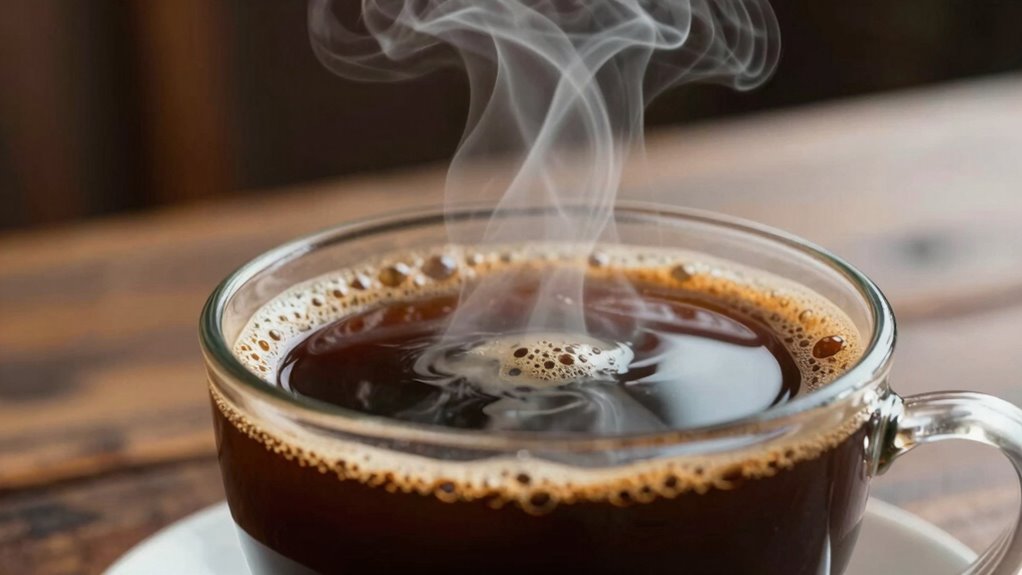
The flavor differences in coffee often come down to where the beans are from and how you brew them. Some regions produce beans with naturally higher levels of compounds that create bitterness and astringency. Additionally, your brewing method can intensify or mellow these flavors, making some coffees taste more bitter or astringent than others. Understanding eco-friendly options can also help enhance your coffee experience by allowing you to enjoy the nuances of flavor more fully. Choosing specific brewing techniques can significantly influence the overall taste profile of your coffee, further highlighting these differences. Furthermore, just as with coffee, regular exercise is crucial for maintaining a healthy weight and preventing issues in dogs.
Coffee Bean Origin
The origin of coffee beans plays a crucial role in determining their taste profile, especially when it comes to bitterness and astringency. Different coffee plant varieties naturally produce beans with varying flavor characteristics, some more prone to bitterness or astringency than others. For example, Arabica beans tend to be smoother, while Robusta often has a stronger, more bitter profile. Additionally, harvesting techniques influence these flavors; beans harvested at different ripeness levels can develop distinct taste qualities. Under- or overripe beans may contribute to increased astringency or bitterness in the final cup. Understanding where your coffee comes from and how it’s harvested helps you anticipate its flavor profile, making it easier to choose beans that match your preferred taste experience.
Brewing Method Impact
—
How you brew your coffee considerably influences its taste, especially regarding bitterness and astringency. The brewing method determines extraction levels, affecting flavor balance. For example, high brewing temperatures can extract more bitter compounds, intensifying astringency, while improper coffee storage may lead to stale flavors that heighten bitterness. To attain the best taste, consider these factors:
- Use fresh coffee stored properly to avoid stale, overly bitter notes.
- Maintain ideal brewing temperature to prevent over-extraction.
- Choose brewing methods like pour-over or AeroPress for better control.
- Avoid overly long brewing times that increase bitterness.
- Use correct grind size for your method to prevent over-extraction.
Incorporating outdoor oven techniques can also enhance your coffee brewing experience by allowing you to experiment with unique flavors. Additionally, understanding brewing method impact can significantly elevate your coffee’s taste by ensuring proper extraction.
Adjusting these variables helps balance flavor, reducing unwanted bitterness and astringency, ensuring a smoother coffee experience.
As an affiliate, we earn on qualifying purchases.
How Do Roast Levels Affect Coffee’s Flavor and Sensation?

As you explore different roast levels, you’ll notice how light roasts highlight bright, fruity flavors and a lighter texture. In contrast, dark roasts develop bitter notes and a richer, heavier feel on your palate. Understanding these changes helps you choose the roast that best matches your flavor preferences and sensory experience.
Light Roasts, Bright Flavors
Light roasts preserve more of the coffee bean’s original flavors, resulting in bright, lively profiles that highlight fruity, floral, and acidic notes. This roast level maintains a vibrant coffee aroma and a higher caffeine content compared to darker roasts. You’ll notice a sharper, more nuanced taste, emphasizing the bean’s natural characteristics. The lighter color indicates less oil development, which keeps the delicate flavors intact.
Consider these aspects:
- Elevated coffee aroma enhances sensory experience
- Bright, tangy flavors stimulate your palate
- Higher caffeine content offers a gentle energy boost
- Subtle acidity adds freshness and complexity
- Less bitter compounds allow for a cleaner finish
These elements make light roasts a favored choice for those seeking clarity and brightness in every sip.
Dark Roasts, Bitter Notes
Dark roasts develop deeper, bolder flavors by exposing beans to high temperatures for longer periods, which markedly alters their chemical composition. This process reduces acidity and enhances bitter notes, influencing both aroma and taste. As a result, your coffee’s aroma becomes richer and more robust, often with smoky or caramel undertones. Caffeine content in dark roasts is slightly lower than lighter roasts due to chemical changes during roasting, but it still provides a stimulating kick. The table below highlights how roast levels impact key aspects:
| Roast Level | Coffee Aroma | Bitter Notes | Caffeine Content | Flavor Intensity |
|---|---|---|---|---|
| Light | Bright, fruity | Mild | Higher | Light |
| Medium | Balanced, nutty | Moderate | Moderate | Medium |
| Dark | Smoky, roasted | Pronounced | Slightly lower | Bold |
| Extra Dark | Charred, intense | Strong | Lower | Very Bold |
| Espresso | Rich, pungent | Sharp | Varies | Very Intense |
Roast Level, Texture Impact
Roast levels greatly influence the texture and mouthfeel of your coffee, shaping how it feels with each sip. Lighter roasts often provide a brighter, more acidic sensation, enhancing palate perception with crispness and clarity. Medium roasts strike a balance, offering a smoother texture that emphasizes flavor harmony. Dark roasts tend to be fuller-bodied, with a heavier, sometimes oily texture that can mute some nuances but intensify roasted notes. These variations impact flavor balance, guiding your sensory experience. To better understand, consider how roast levels affect:
- Acidity and brightness
- Body and weight
- Oiliness and slickness
- Complexity of flavor
- Overall smoothness or roughness
How to Reduce Bitter and Astringent Flavors in Your Coffee?

If you find your coffee tasting overly bitter or astringent, adjusting your brewing method can make a significant difference. Using fresh coffee stored properly helps prevent harsh flavors, as stale beans often intensify bitterness. Opt for a coarser grind and slightly shorter brew times to reduce extraction of undesirable compounds. Additionally, adding a pinch of salt or a splash of milk can help with flavor enhancement, softening sharp notes. Proper coffee storage in airtight containers keeps beans fresh and minimizes flavor deterioration. Consider this table for quick tips:
| Technique | Effect |
|---|---|
| Store coffee properly | Maintains freshness, reduces bitterness |
| Use correct grind size | Prevents over-extraction |
| Adjust brew time | Limits harsh flavors |
| Add milk or salt | Softens bitter and astringent notes |
When Should You Adjust Your Brewing Method to Improve Flavor?

Knowing when to adjust your brewing method often comes down to taste. If your coffee feels flat or lacks balance, it’s time to tweak your approach. Consider these cues for making adjustments:
- Unsatisfactory flavor pairing with your meal or snack
- Persistent bitterness or astringency despite proper grind and brew time
- Noticing stale or off flavors, often linked to poor coffee storage
- Coffee tasting overly weak or overly strong
- Changes in your beans’ origin or roast profile
Adjustments might include changing grind size, brew time, or water temperature. Mastering air fryer cooking preserves freshness, enhancing flavor clarity. When your coffee’s flavor doesn’t align with your preferences or desired profiles, it’s a signal to refine your brewing method for a more satisfying cup.
Quick Tips to Fix Common Coffee Flavors: Bitterness and Astringency?

When your coffee tastes bitter or astringent, it’s often a sign that something in your brewing process needs adjusting. Focus on improving flavor balance by tweaking grind size, brew time, or water temperature. For bitterness, try using a coarser grind or reducing brew time, which prevents over-extraction. To address astringency, consider lowering the brewing temperature or shortening contact time. Incorporate tasting techniques like taking small sips and paying attention to the flavor profile, so you can identify which elements need adjustment. Experiment gradually, noting how each change affects the flavor. Remember, achieving a harmonious flavor balance is key to a satisfying cup. Small tweaks based on tasting insights will help eliminate unwanted bitterness and astringency effectively.
Frequently Asked Questions
Can Different Coffee Beans Have Varying Levels of Bitterness and Astringency?
Yes, different coffee beans have varying levels of bitterness and astringency. Your coffee roasting process influences these qualities, with darker roasts often being more bitter. Additionally, bean origin plays a significant role; beans from different regions have distinct flavor profiles. For example, African beans may be more fruity and less bitter, while South American beans can be smoother. Understanding these factors helps you choose beans that match your taste preferences.
How Does Water Quality Influence Coffee’s Bitterness and Astringency?
Think of water quality as the soil for your coffee plant. When water has the right minerals and pH balance, it nurtures a balanced brew. Hard water with high mineral content can intensify bitterness, while water that’s too acidic or alkaline skews astringency. Using clean, well-balanced water guarantees your coffee’s flavors shine without unwanted harshness or dryness, making every sip a delightful dance of taste.
Are There Specific Brewing Techniques to Minimize Astringency?
To minimize astringency, you should adjust your brewing techniques by choosing a darker roast level, which naturally reduces acidity. Use a coarser grind and shorter extraction time to prevent over-extraction that causes astringency. For flavor pairing, opt for rich, creamy accompaniments like milk or chocolate, which balance the astringency. Experiment with brewing methods like French press or AeroPress to find the best approach for smoother, less astringent coffee.
Does Storage Affect the Bitterness and Astringency of Coffee Beans?
Yes, storage considerably affects flavor preservation, impacting both bitterness and astringency. When you store coffee beans properly, avoiding exposure to light, heat, and moisture, you slow down bean aging, which helps maintain their fresh, balanced flavors. Poor storage accelerates bean aging, leading to increased bitterness and astringency. To keep your coffee tasting its best, use airtight containers in a cool, dark place and consume beans within a few weeks of roasting.
How Do Added Ingredients Like Milk or Sugar Impact These Flavors?
Adding milk or sugar to your coffee can considerably alter your sensory perception and flavor pairing experience. For example, a study shows that sugar masks bitterness, making the coffee taste smoother and sweeter, while milk introduces fats that mellow both bitterness and astringency. This blending enhances your overall experience, creating a balanced flavor profile. So, by adjusting these ingredients, you influence how you perceive the coffee’s bitterness and astringency.
Conclusion
Understanding the difference between bitterness and astringency helps you master your coffee’s flavor. Just like life’s complex notes, these sensations add depth—when balanced, they create harmony; when out of sync, they spoil the experience. So, pay attention to your brewing choices and adjust as needed. After all, isn’t life just a series of perfect brews, waiting for you to find the right balance? Embrace the journey, and enjoy every sip.
Flea & tick season Picks
flea and tick prevention
As an affiliate, we earn on qualifying purchases.