🔍 Read the full analysis: Caffè d'Orzo: Italy's Barley Coffee And Why Bars Still Serve It on Mad Tasting

Get coffee and tea gear delivered free with Prime
- Fast, free delivery on millions of items
- Prime Video, Amazon Music and more included
- Member-only deals all year
TL;DR
Caffè d’orzo, an espresso-style drink made from roasted barley rather than coffee beans, remains a practical option on Italian bar menus. Plain barley is naturally caffeine-free, but recipes and preparation can vary, and the drink contains gluten.
Caffè d’orzo, a warm drink made from roasted barley rather than coffee beans, remains a choice at Italian bars for customers who want an espresso-style order without coffee. The guide describes plain barley as naturally caffeine-free, but notes that the drink contains gluten and is not suitable for people with coeliac disease or those who must avoid gluten.
According to the guide, the name can be misleading to visitors: “orzo” means barley in Italian, and caffè d’orzo is not a different kind of coffee. Roasted barley is brewed or mixed into a hot drink, often served in a small cup that resembles espresso. The guide characterizes its flavor as toasted, mild and slightly sweet, with grain-like notes and sometimes hints of caramel or nuts.
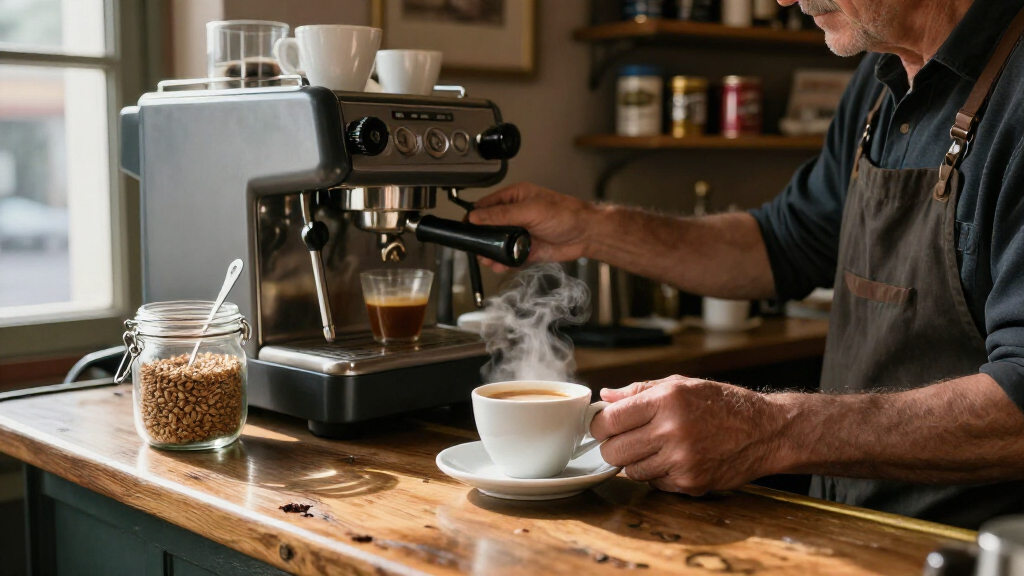
The guide says bars may prepare it in different ways, including with an espresso-style machine setup or with soluble barley drink powder. That affects how concentrated or light the cup tastes, and serving sizes vary. Customers can ask whether a bar offers a larger serving or will add milk; a little milk or sugar can soften the roasted flavor.
The guide describes plain roasted barley as containing no caffeine, but advises anyone who needs to avoid caffeine for medical reasons to check the product or ask the barista, particularly if the preparation is a blend. It does not identify a single standard recipe or preparation method used across Italian bars.
Caffè d’Orzo Barley coffee, without the coffee
Italian bars serve this warm roasted-barley drink as an espresso-style option. Its ingredients, strength and serving size can vary.
What’s in the cup?
“Orzo” means barley in Italian. Caffè d’orzo is not coffee, even when served in an espresso-like cup.
Roasted barley
Plain barley is naturally caffeine-free, but some preparations may be blends. Ask the barista if caffeine matters.
Contains gluten
Barley contains gluten, so this drink is unsuitable for people with coeliac disease or anyone avoiding gluten.
Toasted and mild
Expect a slightly sweet, grain-like taste, sometimes with caramel or nut notes.
A familiar bar order
It offers a warm drink in the quick counter routine, with a flavor different from espresso.
- A small, dark cup may resemble espresso.
- Plain barley has no caffeine and no coffee beans.
- Milk or sugar can soften its roasted flavor.
- Bars may use an espresso-style setup or soluble barley powder.
- Strength, serving size and milk options differ.
- No single standard preparation is identified.
Order with confidence
A few questions help clarify what that particular bar serves.
Say “un caffè d’orzo.”
Ask whether it is plain barley or a blend if caffeine content matters.
Ask about cup size and whether milk is available.
A Coffee-Free Bar Option
The guide presents orzo as an option bars can serve to customers who do not want coffee or prefer to avoid caffeine. It can fit the same quick counter routine as ordering an espresso, while offering a different flavor and no coffee beans. For a customer seeking a warm drink later in the day, that can make it useful alongside espresso, decaf and tea.
It is not a one-for-one replacement for espresso: the guide describes it as having a softer, grain-based taste, and plain barley does not provide caffeine. People may choose it while reducing caffeine or during pregnancy, but it is not a medical treatment or a substitute for personalized advice. Anyone with medical questions about caffeine should ask a healthcare professional.
The guide also notes an important dietary limit. Barley contains gluten, so caffè d’orzo is unsuitable for people with coeliac disease or anyone who must avoid gluten. A drink’s coffee-like appearance does not make it safe for those customers.
Products Worth Considering

Cuisinart Chef's Classic Stainless Steel Cookware Set, 11-Piece

KitchenAid Classic Series 4.5 Quart Tilt-Head Stand Mixer, Onyx Black

Le Creuset Stainless Steel Roasting Pan with Nonstick Rack
As an affiliate, we earn on qualifying purchases.
How Orzo Fits Italian Bars
The guide presents caffè d’orzo as an established, everyday bar option rather than a newly announced product or a passing novelty. It describes its appeal as practical: customers can order a small, dark, warm drink in a familiar setting without choosing coffee. The account places it in Italian bar culture, but does not give a historical timeline or evidence measuring how widely bars serve it.
According to the guide, preparation and presentation are not uniform. One bar may serve a concentrated espresso-sized cup, while another may offer a larger or lighter drink, and milk may be available. Visitors can ask for “un caffè d’orzo” and clarify the size or whether they want milk. If the ingredients or caffeine content matter, asking how that particular bar makes it is more reliable than assuming every cup is identical.
Recipes and Availability Vary
The guide does not establish how many Italian bars offer caffè d’orzo, how frequently customers order it, or whether its availability is changing. It identifies no recent survey, business announcement or dated development. The report is therefore about the drink’s continuing role as described, not a measurable rise or fall in popularity.
As the guide notes, details can differ from one bar or product to another. The exact ingredients, method, strength and serving size are not standardized in the information provided. Plain roasted barley is naturally caffeine-free, but customers who must be certain should confirm the ingredients and preparation. The guide identifies the gluten content of barley as clear: caffè d’orzo contains gluten.
Ask Before You Order
The guide identifies no specific policy change, launch or next milestone. For customers, the practical next step is to ask the barista whether the drink is made from plain barley or a blend, how it is prepared, and what sizes are available. Those questions can clarify caffeine content and help set expectations about flavor and strength.
Anyone avoiding gluten should not order caffè d’orzo. Customers with medical concerns about caffeine, including during pregnancy, should seek advice from a healthcare professional rather than treating the drink as medical guidance. Beyond those checks, the choice is straightforward: expect a toasted barley drink, not espresso.
Key Questions
Is caffè d’orzo coffee?
No. The guide describes caffè d’orzo as made from roasted barley, not coffee beans. It may be served in an espresso-like cup, but its flavor is milder and more grain-like.
Does caffè d’orzo contain caffeine?
The guide says plain roasted barley is naturally caffeine-free. Because products and bar preparations can vary, check the ingredients or ask the barista if avoiding caffeine is medically important.
Can people with coeliac disease drink caffè d’orzo?
No. Barley contains gluten, so the guide says caffè d’orzo is not suitable for people with coeliac disease or anyone who must avoid gluten.
How do you order it in Italy?
The guide recommends asking for “un caffè d’orzo.” Serving sizes and milk options vary, so ask whether the bar offers a larger cup or can add milk.
What does caffè d’orzo taste like?
The guide characterizes it as toasted, mild and slightly sweet, with cereal-like flavor and possible caramel or nut notes. The exact strength and texture depend on the product and preparation.
Source: Mad Tasting