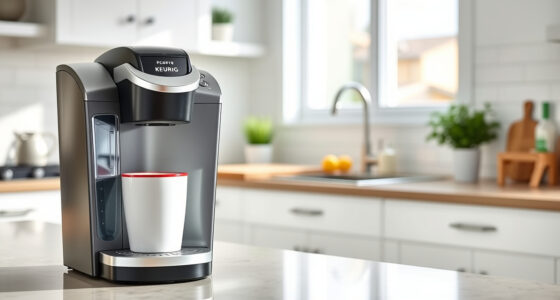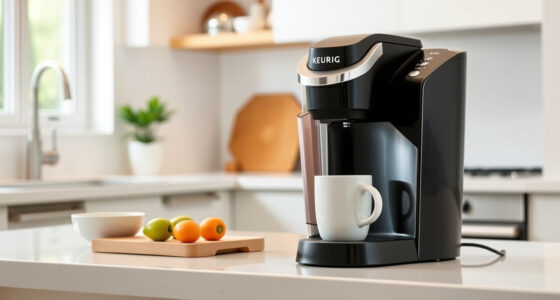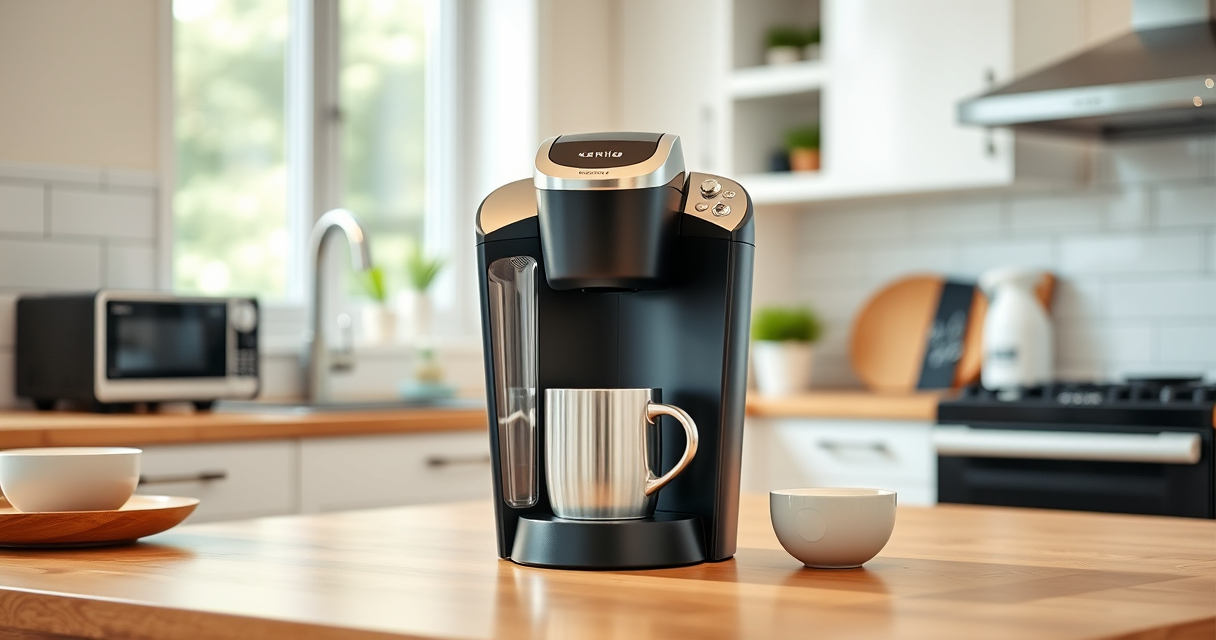

If your Keurig K-Mini (ASIN: B07GV2S1GS) isn’t brewing a full cup, it can be frustrating, especially when you’re in a hurry. Often, the problem can be caused by mineral buildup, clogged parts, or water flow issues. This guide provides clear, safe steps to diagnose and fix the issue, helping you enjoy your coffee again without costly repairs.
Before starting, ensure your machine is unplugged and cooled down. Regular maintenance, such as descaling and cleaning, can prevent this problem from recurring.
Key Takeaways
| Check for mineral build-up | Descale regularly to prevent mineral deposits blocking water flow. |
| Clean the water reservoir and needle | Remove clogs by cleaning the needle and reservoir components. |
| Inspect the water filter and filter holder | Ensure filters are clean and properly seated. |
| Test with different water sources | Use fresh, clean water to rule out water quality issues. |
| Perform a reset or descaling cycle | Reset the machine or run a descaling cycle if necessary. |
Step 1: Turn Off and Unplug Your Keurig
Always switch off and unplug your Keurig K-Mini before performing any maintenance. Wait for the machine to cool down to avoid burns or damage.
Step 2: Check and Clean the Water Reservoir
- Remove the water reservoir from the machine.
- Wash it with warm, soapy water and rinse thoroughly.
- Ensure the water intake opening is clear of any debris or mineral buildup.
Step 3: Clean the Needle and Brew Path
- Use a paperclip or the Keurig needle cleaning tool to gently clear the needle of any coffee grounds or buildup.
- Open the brew head and look for any blockages.
- Run a cleaning cycle or brew a cup with just water to flush out residual debris.
Step 4: Descale Your Keurig
Use a descaling solution or a mixture of equal parts white vinegar and water. Fill the water reservoir and run a brew cycle without a coffee pod. Repeat as needed to remove mineral buildup.
Step 5: Test Your Machine
After cleaning and descaling, fill the reservoir with fresh water and brew a cup. Check if the full cup is being brewed properly. Repeat cleaning if the issue persists.
The Products in This Guide
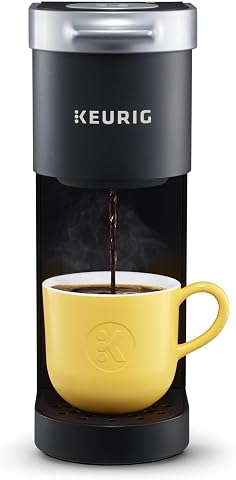
Keurig K-Mini Single Serve K-Cup Pod Coffee Maker
- ✔ Capacity: 6-12 oz
- ✔ Dimensions: Less than 5 inches wide
- ✔ Weight: 3.27 pounds
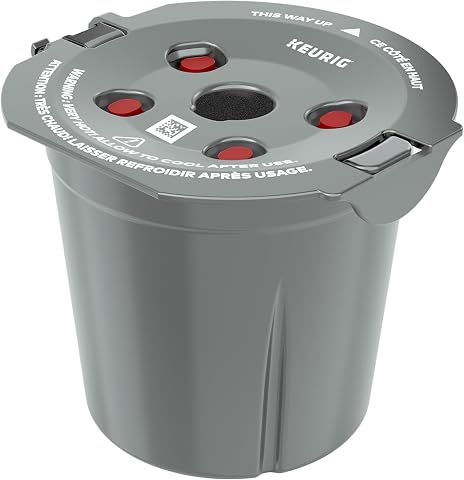
My K-Cup® Reusable Coffee Filter
- ✔ Material: Plastic
- ✔ Dishwasher Safe: Yes
- ✔ Capacity: Single cup
Keurig K-Mini Single Serve K-Cup Pod Coffee Maker
The Keurig K-Mini is an ideal choice for those with limited space wanting quick, fresh coffee. Regular maintenance can keep it brewing full cups consistently.
Pros:
- Compact and space-saving design
- Brews quickly in 6-12oz sizes
- Removable drip tray for travel mugs
- Energy efficient auto-off
Cons:
- Requires frequent descaling
- Limited water reservoir capacity
- Not compatible with all reusable filters
Best for: Small apartments, office desks, travel
Not ideal for: Heavy daily use or large households
Bottom line: A compact, reliable coffee maker perfect for small spaces with easy maintenance.
My K-Cup® Reusable Coffee Filter
If you prefer ground coffee over pods, the My K-Cup® Reusable Coffee Filter offers a convenient way to brew your favorite grounds in the Keurig K-Mini.
Pros:
- Eco-friendly and cost-effective
- Easy to use and clean
- Compatible with Keurig K-Mini
- Allows customization of coffee strength
Cons:
- Requires regular cleaning
- May cause clogging if not maintained
- Limited to ground coffee brewing
Best for: Ground coffee enthusiasts, eco-conscious users
Not ideal for: Using single-use pods exclusively
Bottom line: A cost-effective, eco-friendly option to brew ground coffee in your Keurig machine.
Frequently Asked Questions
Why is my Keurig not brewing a full cup?
Common causes include mineral buildup, clogged needles, or a dirty water reservoir. Regular descaling and cleaning can often resolve this issue.
How often should I descale my Keurig K-Mini?
Descale every 3 to 6 months, depending on your water hardness and usage frequency, to maintain optimal performance.
Can I use ground coffee in my Keurig?
Yes, with a reusable filter like the My K-Cup®, you can brew ground coffee instead of pods.
What safety precautions should I take during cleaning?
Always unplug the machine before cleaning, avoid immersing the machine in water, and allow it to cool before handling hot components.
Keep Your Keurig Brewing Perfect Cups
With regular cleaning, descaling, and maintenance, your Keurig K-Mini can deliver full, fresh cups every time. Follow these simple steps to troubleshoot common issues and enjoy your coffee without interruption.
Affiliate disclosure: As an Amazon Associate we earn from qualifying purchases. Prices and availability are accurate as of the time of publishing.