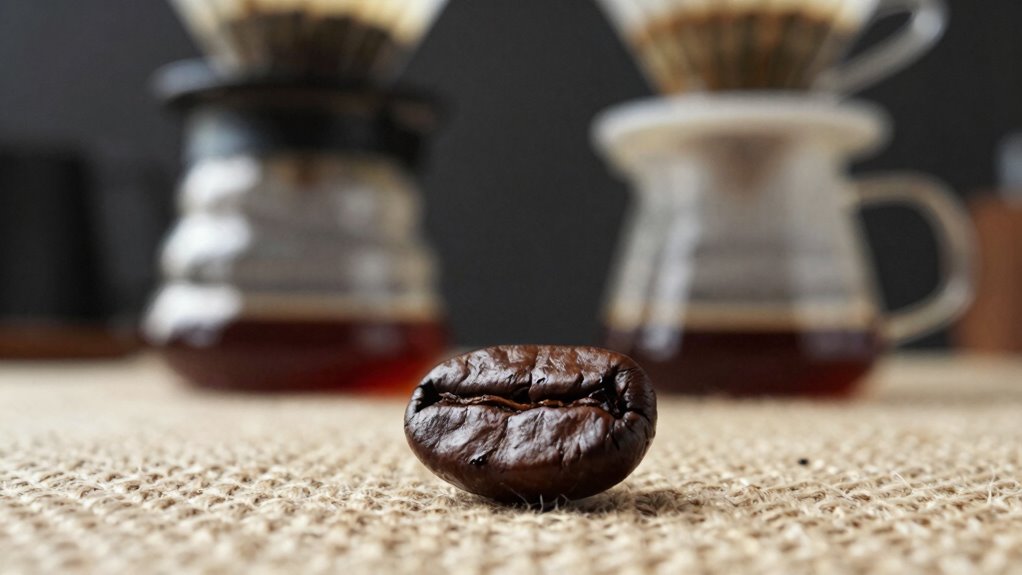

To master dark roast extraction, start with a medium to slightly finer grind for balanced flavor without bitterness. Match your grind size to your brewing method—finer for espresso, coarser for French press, or medium for pour-over. Control water temperature between 195°F–205°F and keep track of brew time to avoid over- or under-extraction. Proper calibration, stirring, and quality beans boost flavor and aroma. Keep these tips in mind, and you’ll uncover more secrets to perfect dark roast coffee.

Get coffee and tea gear delivered free — and shop member deals
- Fast, free delivery on millions of items
- Access to Prime Big Deal Days deals on October 6–7
- Prime Video, Amazon Music and more included
Key Takeaways
- Match grind size to brewing method for optimal extraction and flavor balance.
- Use slightly coarser grind for dark roasts to prevent bitterness and over-extraction.
- Maintain consistent water temperature (195°F–205°F) and brew time for flavor clarity.
- Regularly calibrate equipment to ensure proper pressure and extraction efficiency.
- Store beans properly and grind just before brewing to preserve aroma and flavor.
As an affiliate, we earn on qualifying purchases.
What Are the Fundamentals of Dark Roast Coffee Extraction?
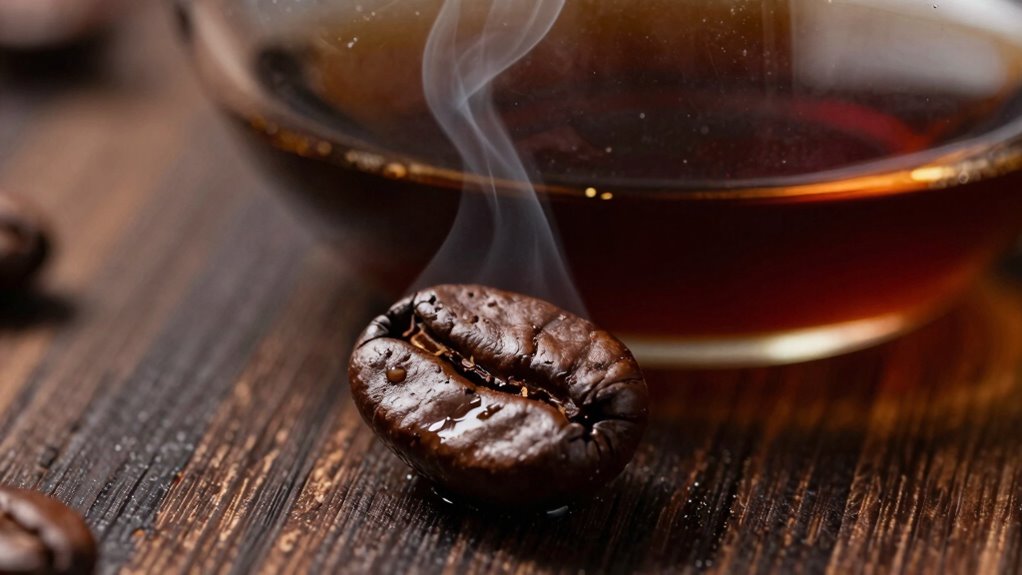
Have you ever wondered what makes dark roast coffee extraction unique? It all starts with coffee bean roasting, which transforms beans through heat, developing rich flavors and altering their chemical composition. During roasting, the beans undergo changes in extraction chemistry, affecting how flavors are released during brewing. Dark roast beans are more porous, making their soluble compounds easier to extract, resulting in bolder, more intense flavors. The roasting process creates specific compounds that influence extraction, such as oils and caramelized sugars. Understanding this foundation helps you grasp why dark roast extraction is different from lighter roasts. As a result, the brewing process needs to adapt to these chemical and physical changes to optimize flavor and aroma extraction, ensuring a perfect cup every time.
As an affiliate, we earn on qualifying purchases.
How to Choose the Right Grind Size for Dark Roast Coffee
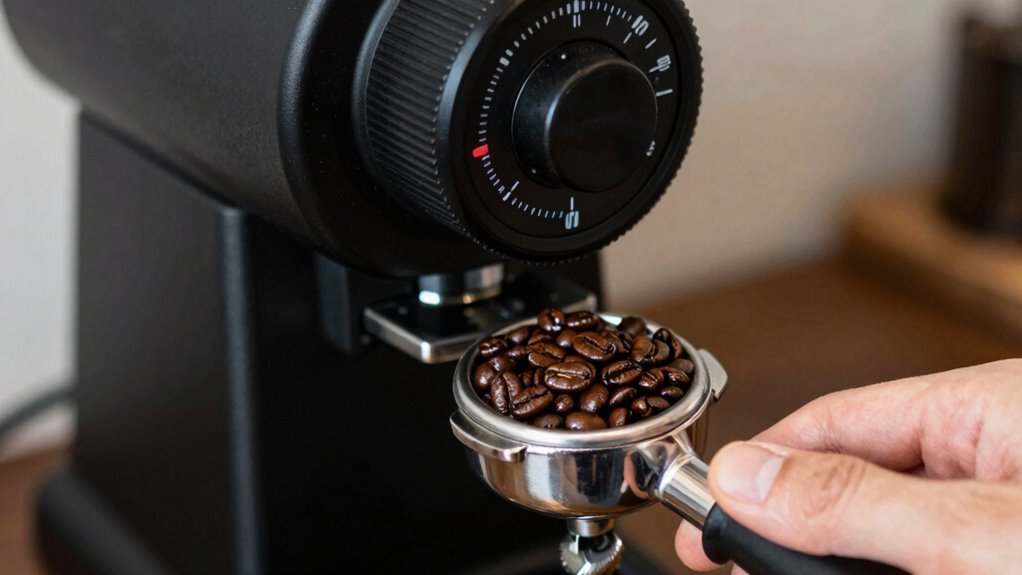
Choosing the right grind size affects how quickly your coffee extracts and how balanced the flavors turn out. You’ll want a consistent grind to guarantee even extraction, which is vital for dark roasts. Also, match your grind to your brewing method for the best results and ideal flavor. Additionally, understanding knife skills can help you achieve a perfect grind by ensuring even cutting techniques when preparing coffee beans.
Impact on Extraction Rate
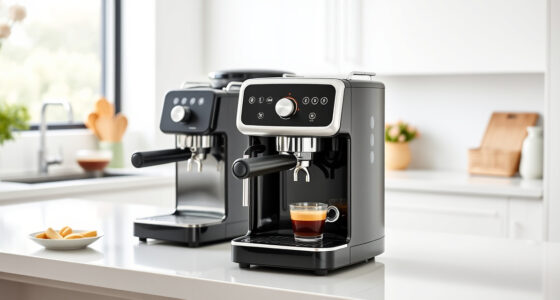
The grind size you select considerably influences the extraction rate of dark roast coffee, making it essential to find the right balance. A finer grind increases the extraction rate, which can enhance dark roast acidity and boost caffeine content, but too fine may lead to over-extraction and bitterness. Conversely, a coarser grind slows down extraction, potentially resulting in underdeveloped flavors and a flat taste. Adjusting your grind size helps control how quickly or slowly caffeine and acids are released, affecting the overall flavor profile. For dark roasts, a medium to slightly finer grind often provides a good balance, ensuring rich flavor without excessive bitterness. Understanding this impact allows you to tailor extraction to your preferred taste, optimizing both acidity and caffeine extraction. Additionally, using a high-quality super-automatic espresso machine can further refine the brewing process for dark roasts. This adaptability in digital concepts can lead to innovative approaches in brewing techniques and flavor exploration. The right grind size can also enhance your overall truck bed utility, allowing you to enjoy your coffee while on the go. Therefore, mastering brewing fundamentals is crucial for achieving the best results.
Ideal Grind Consistency
Finding the right grind consistency means paying close attention to how uniform your coffee grounds are. Consistent grind size ensures even extraction, which is vital for dark roast flavor. To maintain grind size consistency, store your coffee beans properly—airtight containers in a cool, dark place prevent moisture and preserve quality. When grinding, aim for uniform particles; uneven grounds lead to over- or under-extraction.
| Grind Size | Brew Method |
|---|---|
| Coarse | French Press |
| Medium-Coarse | Pour Over |
| Medium | Drip Coffee |
| Medium-Fine | AeroPress |
| Fine | Espresso |
Choosing the right grind size based on your brewing method maximizes extraction and flavor, helping you achieve the perfect dark roast cup.
Brew Method Compatibility
Selecting the right grind size for your dark roast depends heavily on your brewing method, as each technique extracts flavors differently. For example, espresso machines require a fine grind to maximize extraction speed and flavor, while French presses need a coarser grind to prevent over-extraction. Coffee bean origin and roasting level comparison also influence grind choice; darker roasts tend to be more soluble, so slightly coarser grinds can prevent bitterness. If you’re using a pour-over or drip coffee maker, a medium grind balances extraction without over-extracting bitter notes. Understanding how your brew method interacts with your dark roast’s characteristics helps you optimize flavor and strength. Adjust your grind size based on these factors to achieve the best extraction tailored to your preferred taste.
As an affiliate, we earn on qualifying purchases.
Which Brewing Methods Maximize Dark Roast Flavor?
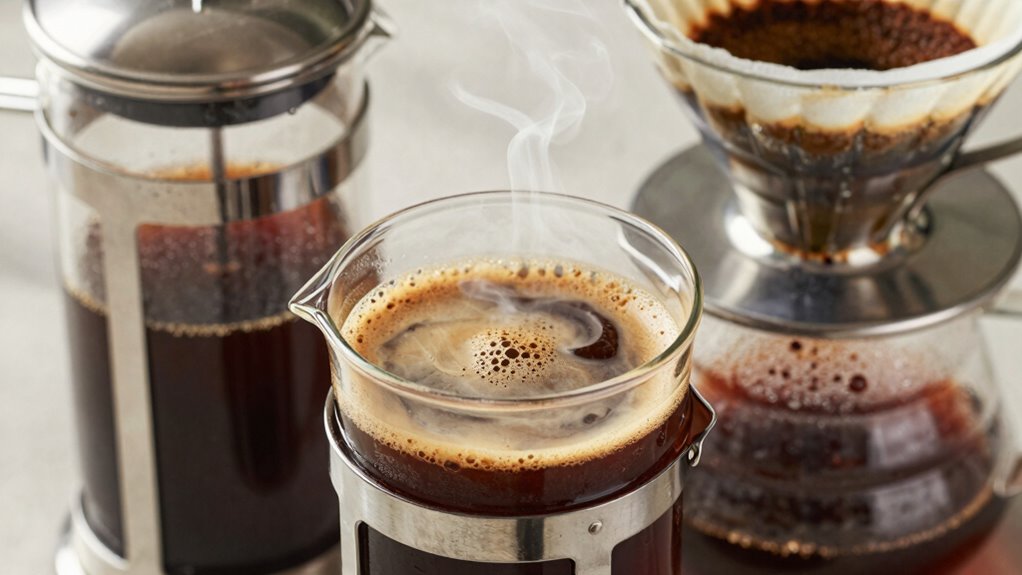
If you want to maximize dark roast flavor, try different brewing methods like French Press, cold brew, or espresso, each highlighting unique aspects of the coffee. Adjust your techniques—such as steeping time, grind size, or pressure—to enhance the rich, bold notes. Understanding these methods helps you extract the fullest, most satisfying flavor from your dark roast. Additionally, projector contrast ratios can guide you in selecting the best gear and knives for your brewing needs. Incorporating smart lifestyle tips can elevate your overall coffee experience, ensuring each cup is not only enjoyable but also enhances your daily routine.
French Press Extraction Techniques
French press brewing is an excellent method for extracting the bold, rich flavors of dark roast coffee. To maximize flavor, start with high-quality beans, considering their origin, as coffee bean origin influences the overall flavor profile variations. Use a coarse grind to prevent over-extraction and bitterness. Pour hot water just off the boil, allowing the coffee to steep for about four minutes. Stir gently to ensure even extraction, then press slowly to separate the grounds. The French press’s full immersion process enhances the deep, smoky, and chocolaty notes typical of dark roasts. Adjust steeping time and water temperature based on your preferred intensity, but remember that the coffee’s origin and flavor profile variations will affect the final taste. This method truly captures the dark roast’s full-bodied character.
Cold Brew Intensity Strategies
Cold brew is a popular method for highlighting the deep, smoky qualities of dark roast coffee, but to maximize its flavor intensity, certain strategies are key. Focusing on flavor balance is essential—you want a rich, bold taste without overpowering bitterness. Use a coarse grind and a longer steep time, typically 12-24 hours, to extract maximum flavor. Adjust brewing temperature by keeping the water cold or just slightly warmer if you prefer a bolder profile, as higher temperatures can enhance extraction but risk dulling the smoky notes. Stirring gently during brewing guarantees even extraction, emphasizing dark roast characteristics. Additionally, consider creating seating areas to enhance your coffee experience with friends while enjoying your brew. Experiment with steeping times and temperature control to find the perfect balance that highlights the richness and depth of your dark roast coffee.
Espresso Pressure Optimization
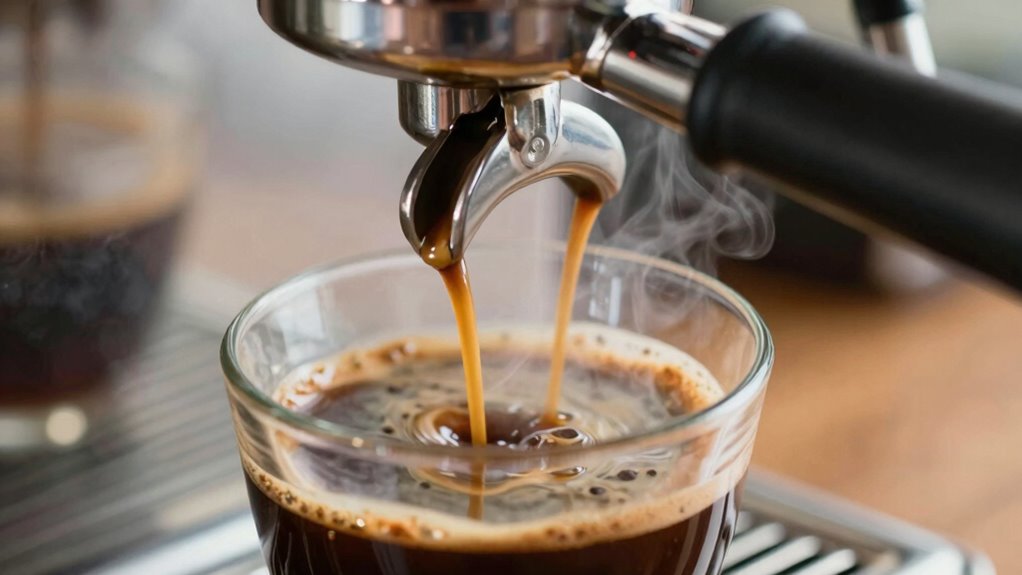
Optimizing pressure during espresso extraction plays a vital role in bringing out the bold, smoky qualities of dark roast beans. To achieve this, guarantee your coffee bean freshness is maintained—stale beans won’t deliver the full flavor profile. Proper grinder calibration is essential; a consistent grind size allows for even extraction at the right pressure. Typically, aiming for 9 bars of pressure helps extract the rich oils and deep flavors characteristic of dark roasts. If your pressure is too high or too low, it can lead to over- or under-extraction, dulling the flavor. Adjust your machine’s pressure settings accordingly, and regularly calibrate your grinder to maintain ideal extraction. This precision enhances dark roast’s boldness, aroma, and overall richness in your espresso. Additionally, using innovative tools can further enhance your brewing process and help you achieve optimal results.
As an affiliate, we earn on qualifying purchases.
How Temperature and Timing Affect Dark Roast Extraction
How Temperature and Timing Affect Dark Roast Extraction
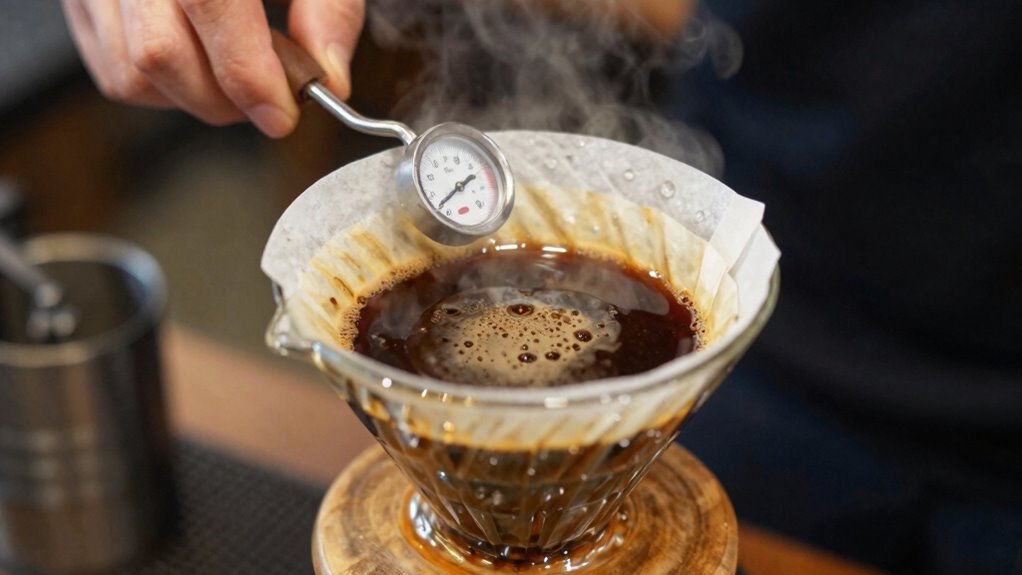
Temperature and timing play crucial roles in extracting the full flavor from dark roast coffee. If you don’t control these factors, you risk under- or over-extraction, which impacts the flavor profile and acidity levels. Higher temperatures generally increase extraction speed, pulling more robust flavors but potentially introducing bitterness if too hot or too long. Conversely, lower temperatures can result in under-extraction, leading to a flat or sour taste. Timing is equally critical; too little time yields a weak brew, while too much can cause over-extraction, making the coffee bitter and harsh. To optimize, aim for a balanced extraction where the temperature stays steady, and brewing time aligns with your roast level. Additionally, understanding filter sizing and flow can enhance brewing efficiency, ensuring that you extract the best flavors from your dark roast. Moreover, being aware of battery inverter generator capacity can help you select the right equipment for precise temperature control during the brewing process. A good brewing setup also considers safety tips to prevent accidents while managing hot equipment and water. Finally, maintaining proper oil checks for your brewing equipment can ensure optimal performance and longevity.
Troubleshooting Common Dark Roast Coffee Extraction Problems
When your dark roast coffee doesn’t turn out as expected, identifying and addressing common extraction issues can considerably improve your brew. Troubleshooting often involves adjusting grind size, brew time, or water flow to achieve better flavor balance and acidity control.
- Adjust grind size: Too fine can cause over-extraction, resulting in bitterness; too coarse might lead to under-extraction, making the coffee weak.
- Modify brew time: Extending or shortening extraction time helps balance flavor and acidity.
- Monitor water temperature: Ensure consistent temperature to prevent uneven extraction.
- Check brewing technique: Proper pouring and even saturation help avoid flavor imbalance and sharp acidity issues.
Addressing these factors can smooth out common dark roast extraction problems for a richer, more balanced cup.
Tips to Perfect Your Dark Roast Coffee Every Time
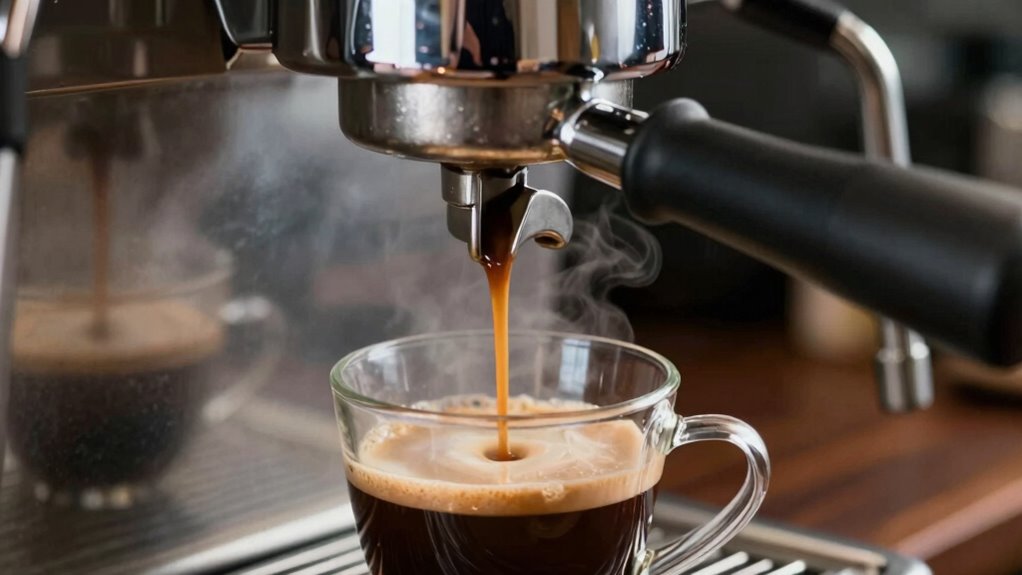
Achieving the perfect dark roast coffee every time requires attention to detail and consistent technique. Start by selecting high-quality coffee beans with a known origin, as different regions produce distinct flavor profiles that influence extraction. Guarantee your beans are freshly roasted; roast freshness impacts the coffee’s complexity and clarity. Grind your beans just before brewing to preserve aroma and flavor. Use the right grind size—medium to coarse—so water extracts evenly without over-extracting bitter notes. Keep your brewing temperature steady, ideally between 195°F and 205°F. Adjust your brewing time based on your method, aiming for a balanced extraction. By focusing on coffee bean origin and roast freshness, you’ll consistently craft rich, flavorful dark roast coffee.
Frequently Asked Questions
How Does Altitude Affect Dark Roast Extraction?
Altitude influence impacts dark roast extraction because higher elevations have lower boiling points, which can alter water temperature during brewing. This change affects extraction efficiency, making it harder to extract full flavor profiles. You might notice a weaker or uneven brew if you don’t adjust your grind size or brewing time. To compensate, experiment with finer grinds or longer extraction times to optimize flavor and guarantee consistent results at different altitudes.
What Role Does Water Mineral Content Play?
Water mineral content influences dark roast extraction markedly. Impurities like calcium and magnesium help balance mineral levels, enhancing flavor extraction and brew clarity. If your water lacks these minerals, your coffee might taste flat or overly bitter. Conversely, too many impurities can cause over-extraction, leading to a harsh taste. Aim for a balanced mineral profile to optimize extraction, ensuring your dark roast achieves its rich, complex flavors without unwanted bitterness or dullness.
Can Cold Brew Optimize Dark Roast Flavors?
Cold brew can indeed optimize dark roast flavors by enhancing their richness and smoothness through slow, controlled brewing techniques. This method accentuates the deep, chocolatey notes and minimizes bitterness, giving you a more balanced, flavorful cup. Using proper brewing techniques, such as steeping time and water-to-coffee ratio, guarantees maximum flavor enhancement. So, if you want a mellow yet robust taste, cold brew is a great way to bring out dark roast nuances.
How Do Different Coffee Bean Origins Influence Extraction?
Think of coffee bean origins as the secret map to unique flavor profiles. Your choice of bean varieties directly influences extraction, with each origin offering distinct notes. For instance, African beans often bring vibrant, fruity flavors, while South American beans deliver balanced, nutty tones. When you explore different origins, you reveal a world of complexity in your brew, making every cup a journey into diverse coffee landscapes.
What’s the Best Way to Store Dark Roast Beans for Optimal Extraction?
To store dark roast beans for ideal extraction, use airtight containers to keep out moisture and air, which can degrade flavor. Choose storage containers made of non-reactive materials like glass or stainless steel. Keep the beans in a cool, dark place away from sunlight and heat sources. Proper storage preserves the beans’ freshness, ensuring consistent flavor and aroma in your brew, and helps maintain peak extraction quality over time.
Conclusion
Now that you have the essential tips to master dark roast extraction, you’re almost there. But remember, every brew is a new adventure—small adjustments can reveal hidden flavors you never knew existed. Will your next cup be perfectly bold or unexpectedly complex? Keep experimenting, stay attentive, and the perfect dark roast awaits just beyond the horizon. Your journey to coffee mastery is far from over—are you ready to discover what’s next?
Fall Picks
fall essentials
As an affiliate, we earn on qualifying purchases.