

Resting coffee after roasting is essential for enhancing its flavor and aroma. Freshly roasted beans release carbon dioxide, which can affect your brew’s quality. Give your beans time to rest—ideally between 24 to 72 hours—to help regional flavors shine through. Keep in mind that lighter roasts may require longer resting periods than darker ones. Paying attention to these details can elevate your coffee experience. There’s so much more to discover about optimizing your brew.
Key Takeaways
- Resting coffee beans for 24 to 72 hours post-roast enhances aroma and flavor, allowing regional characteristics to shine through.
- Freshly roasted beans release carbon dioxide, affecting brew quality; adequate resting improves taste consistency.
- Factors like roast profile, bean composition, and resting temperature influence optimal resting duration.
- The ideal brewing time is typically 5 to 14 days after roasting, depending on roast level and personal preference.
- Proper storage conditions and whole bean preservation are crucial for maintaining flavor and freshness.
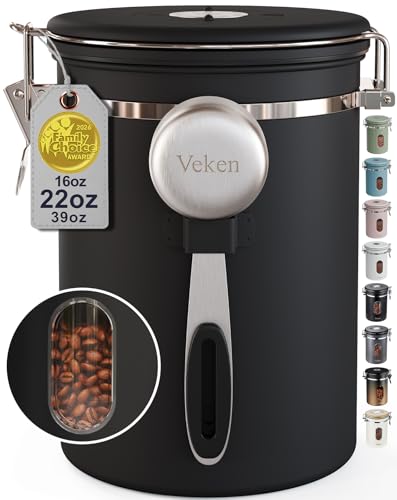
Veken Coffee Canister with Window,Airtight Stainless Steel Pantry Container,Kitchen Food Storage Organizers for Beans,Ground,Espresso,Rice,Tea,Sugar, Cereal, Bar Accessories,Gifts,Lids,Jars,22OZ,Black
Gifts for Coffee Lovers This Christmas: This elegantly designed jar is a stylish and functional gift for coffee…
As an affiliate, we earn on qualifying purchases.
As an affiliate, we earn on qualifying purchases.
The Science of Coffee Roasting and Its Impact on Flavor
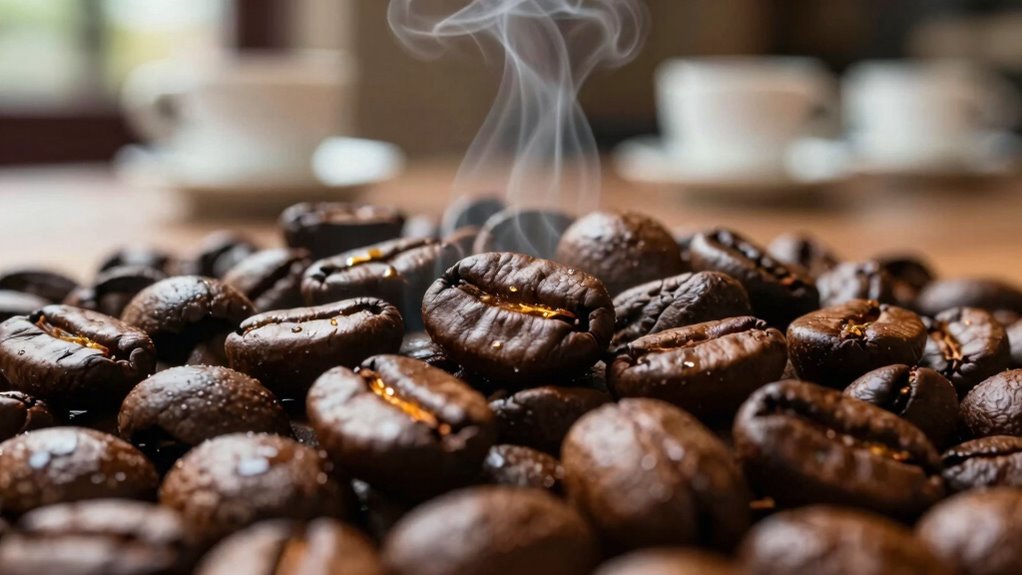
When you roast coffee, you’re not just altering its color; you’re transforming its entire flavor profile. Each roasting technique you choose affects flavor development differently. For instance, lighter roasts maintain more of the bean’s original flavor, showcasing fruity or floral notes. Darker roasts, on the other hand, bring out deeper, richer flavors, often with hints of chocolate or caramel.
Understanding these nuances helps you control the final taste in your cup. By adjusting temperature and time, you can manipulate the chemical reactions occurring within the beans, impacting acidity and sweetness. Ultimately, mastering these roasting techniques allows you to create a unique flavor experience tailored to your preferences, making each cup a delightful adventure in taste. Additionally, different brewing methods can lead to varying caffeine levels in coffee, further influencing how you enjoy your freshly roasted beans.

20 Pcs Roaster Thermometer for Coffee Roasting Digital Grill Thermometer with 175–180°F Pop-Up Indicator Fast-Response Meat and Roasting Thermometer
[Accurate Meter] The thermometers accurately determine (within +2 or 2) the temperature of your roast meat, make it…
As an affiliate, we earn on qualifying purchases.
As an affiliate, we earn on qualifying purchases.
Why Resting Coffee Beans Matters
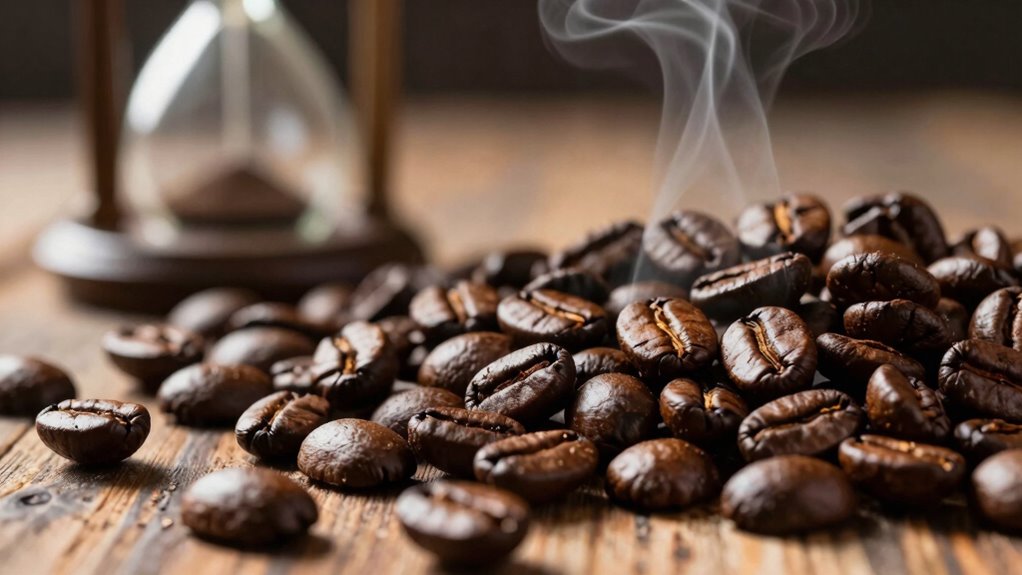
After perfecting your roast, it’s tempting to brew those beans right away, but letting them rest is key to revealing their full potential. Resting coffee beans allows for essential aroma development, enhancing the overall coffee flavor. Freshly roasted beans release carbon dioxide, which can negatively impact brew quality if not allowed to escape. By resting, you improve taste consistency, ensuring every cup reflects the roast’s true characteristics. Additionally, the freshness impact is significant; beans that have rested adequately will yield a more balanced and enjoyable cup. Interestingly, regional flavors can also be more pronounced in rested beans, allowing for a richer tasting experience. Moreover, just like essential oils for toothache relief, the quality of your coffee can greatly improve when given the proper time to develop. So, take a moment to resist the urge to brew immediately. Your patience will pay off, and you’ll savor a richer, more flavorful coffee experience.

Veken Coffee Canister, 39OZ Large,Airtight Stainless Steel Food Storage Container for 2.2lbs Beans,Ground,Sugar,Espresso,Rice,Tea,Flour,Cereal,Cookie,Lids,Jars,Gifts,Scoop,Kitchen Bar Accessories,Gray
【Fantastic Christmas Gifts for Coffee Lovers】A perfect gift for coffee enthusiasts, family, and friends. With its elegant design,…
As an affiliate, we earn on qualifying purchases.
As an affiliate, we earn on qualifying purchases.
Determine the Ideal Resting Time for Coffee?
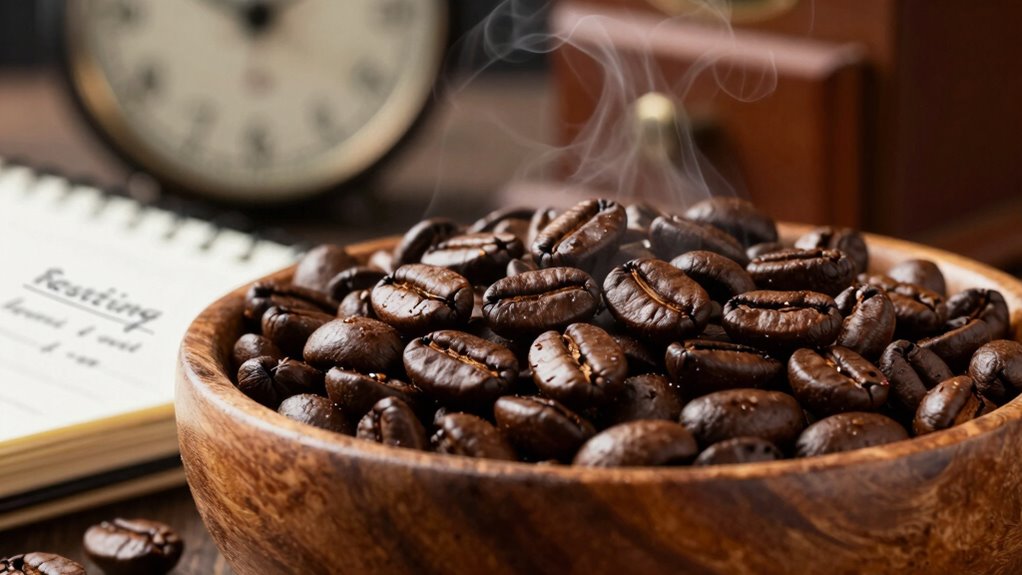
When it comes to determining the ideal resting time for your coffee, several factors come into play. You’ll want to take into account the roast profile and the specific beans you’re using, as they can notably impact flavor development. Finding the best resting duration can elevate your brew, so let’s explore what works best for you.
Factors Affecting Resting Time
While many coffee enthusiasts might overlook the importance of resting, it plays an essential role in enhancing flavor. Factors like resting temperature and bean composition greatly impact how your coffee develops after roasting. Higher resting temperatures can speed up the degassing process, allowing flavors to evolve more quickly. On the other hand, cooler temperatures may result in a slower, more gradual flavor maturation. Additionally, different bean compositions—such as origin, roast level, and processing method—affect how long you should let your coffee rest. For instance, lighter roasts often benefit from a longer resting period to mellow their acidity, while darker roasts may reach their peak flavor sooner. Understanding these factors helps you optimize your coffee experience. Furthermore, just like juice diets can impact health, the resting process can significantly influence the final taste profile of your coffee. For example, the contrast ratio in how flavors are perceived can change based on the resting time of the beans.
Optimal Resting Duration
Understanding the factors affecting resting time sets the stage for determining how long your coffee should rest after roasting. The ideal duration can vary depending on the bean type and your personal taste preferences. Generally, resting benefits manifest between 24 to 72 hours post-roast, allowing for significant flavor development. Regularly experimenting with glycolic acid products can enhance your understanding of how resting influences flavor profiles. Furthermore, effective kitchen ventilation can help maintain an ideal roasting environment, which may also impact the final taste. Additionally, different brewing methods may require specific resting times to optimize the extraction process.
Here’s a quick guide to help you decide:
| Resting Time | Flavor Notes | Best Uses |
|---|---|---|
| 0-24 hours | Bright, acidic | Pour-overs |
| 24-48 hours | Balanced, sweet | Espresso |
| 48-72 hours | Rich, complex | French press |
Experiment within this range to find what suits your palate best!

Planetary Design Airscape Stainless Steel Coffee Canister | Food Storage Container | US Patented Inner Plunger Lid REMOVES Excess Oxygen | Don't Buy airtight, Buy AIR-Less (Medium, Brushed Steel)
INNOVATIVE & PATENTED PLUNGER DESIGN – The patented inner plunger lid with a two way valve forces excess…
As an affiliate, we earn on qualifying purchases.
As an affiliate, we earn on qualifying purchases.
What Affects How Long Coffee Should Rest?
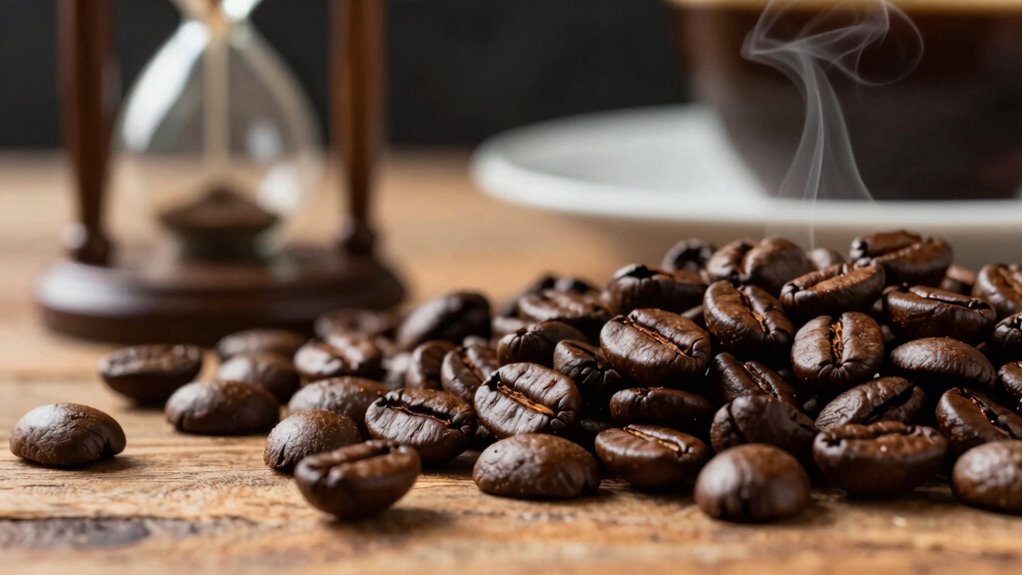
Several factors influence how long coffee should rest after roasting, and each can greatly impact the final flavor. One key element is roasting temperature; higher temperatures can create more volatile compounds, requiring longer resting periods to stabilize. If you roast at a lower temperature, the beans might need less time to rest, as they’ve developed fewer gases.
Additionally, bean density plays a significant role. Denser beans hold onto gases longer, meaning they typically need more time to rest compared to lighter ones. It’s important to take into account your specific roast profile and adjust resting times accordingly. By paying attention to these factors, you’ll enhance the overall taste and quality of your coffee.
Debunking Myths About Coffee Resting

Many coffee enthusiasts believe that resting coffee is essential for achieving the best flavor, but not all common misconceptions hold true. Let’s explore some myth busting to clear the air:
Many coffee lovers think resting is crucial for flavor, but not all common beliefs are accurate. Let’s debunk some myths!
- Longer Rest Equals Better Flavor: Not necessarily. Some coffees taste great right after roasting, while others may benefit from a few days.
- All Roasts Need the Same Resting Time: This is a consumer misconception. Light roasts may require less resting time compared to darker roasts.
- Resting Eliminates All CO2: While resting does reduce CO2, it won’t eliminate it entirely. Some gas is beneficial for flavor.
Understanding these myths helps you make better choices for your coffee experience, ensuring you enjoy every sip!
Signs That Your Coffee Is Ready for Brewing

After clearing up some myths about coffee resting, it’s time to focus on when your coffee is truly ready for brewing. Look for signs like a balanced aroma and the right amount of carbon dioxide release. If you notice a sweet, rich scent, your coffee’s flavor profiles are developing nicely. For ideal brewing techniques, aim for about 5 to 14 days post-roasting, depending on the roast level. Light roasts may need a bit longer to achieve their peak flavors, while dark roasts can shine sooner. Listen to your coffee; if the taste is vibrant and complex, it’s ready to brew. Trust your senses, and adjust your brewing methods to highlight those delicious notes. Happy brewing!
Storing Rested Coffee: Best Practices

To guarantee your rested coffee retains its flavor and freshness, proper storage is essential. Here are some best practices to follow:
- Use airtight storage containers: Opt for vacuum sealing or containers designed for freshness preservation. This helps control air circulation and light exposure, keeping your beans safe. Additionally, proper filtration can enhance the overall quality of your coffee experience by ensuring that any residual impurities are removed.
- Maintain ideal conditions: Focus on temperature regulation and humidity control. Keep your coffee in a cool, dark place to prevent deterioration. Proper storage conditions can significantly enhance long-term progress in flavor retention and prevent the beans from becoming stale.
- Store beans whole: Avoid grinding until you’re ready to brew. This assures the best bean orientation for flavor retention, as ground coffee loses freshness quickly. Additionally, consider using anti-fatigue mats to enhance your brewing experience, as they can reduce fatigue during long preparation times.
Brewing Methods to Try After Resting

Exploring various brewing methods can elevate your coffee experience after resting. Each brew method—whether it’s pour-over, French press, or espresso—offers unique flavor profiles that showcase your coffee’s richness. Pay attention to extraction times; they can dramatically affect taste. For instance, a longer steep in a French press can bring out deeper notes, while quick espresso shots highlight brightness. Additionally, incorporating smart technology into your coffee brewing process can enhance precision and consistency. Using power tools like grinders can also help achieve the perfect grind size for your preferred method.
Understanding extraction techniques can help you fine-tune your brewing process for optimal flavor. Adjust grind size and water temperature to optimize coffee freshness. A coarser grind works well for immersion methods, while a finer grind suits espresso. Experimenting with brewing ratios can reveal the ideal balance for your taste; a 1:15 ratio might suit your taste better than 1:16. Taste comparisons will help you discover what resonates with your palate, so don’t hesitate to try different combinations! Additionally, understanding kitchen science can significantly enhance your brewing skills and overall coffee enjoyment.
Frequently Asked Questions
Can I Roast Coffee Beans at Home?
Yes, you can roast coffee beans at home! With the right coffee equipment, like a popcorn maker or a dedicated home roaster, you can achieve great results. Start by selecting high-quality green beans and monitor the roasting process closely. Experiment with different roast levels to find your perfect flavor. Just remember to let the beans cool quickly after roasting, and you’ll be on your way to enjoying fresh coffee at home!
What Is the Best Storage Temperature for Coffee?
The ideal storage temperature for coffee is around 60-70°F (15-21°C). Keeping your coffee at this temperature helps maintain its flavor and aroma, as higher temperatures can accelerate the degradation of oils and compounds. Avoid storing coffee in places with temperature fluctuations, like near stoves or windows. Instead, keep it in a cool, dark, and dry spot to guarantee you enjoy every cup’s rich taste without the negative effects of improper storage.
Does the Type of Coffee Bean Affect Resting Time?
Yes, the type of coffee bean definitely affects resting duration. Different bean varieties release gases at varying rates after roasting. For instance, lighter roasts might need less resting time, while darker roasts often benefit from a longer duration to mellow out flavors. If you’re experimenting with roasting, pay attention to the specific bean variety you’re using; it’ll guide you on how long to let your coffee rest before brewing for the best taste.
How Does Humidity Impact Coffee Resting?
When it comes to the delicate dance of coffee resting, you’ll find that humidity plays quite the role in determining resting duration. Higher humidity can hasten the development of flavors, allowing the beans to release gases more quickly. Conversely, lower humidity might lengthen this process, requiring patience as your beans mellow. So, keep an eye on the weather; it can greatly influence how your coffee evolves during its resting period.
Is There a Difference Between Light and Dark Roast Resting?
Yes, there’s a difference between light and dark roast resting. Light roasts often benefit more from resting, allowing for deeper flavor development and a smoother profile. Dark roasts, with their bold roast profile, usually need less time to rest since they’ve already developed intense flavors. You’ll find that each roast type reacts uniquely, so experimenting with resting times can help you discover the best taste for your preferred brew.
Conclusion
In the grand theater of coffee, resting beans is your backstage pass to flavor nirvana! Skipping this step? It’s like diving into a blockbuster without the plot—total chaos! Remember, each hour of rest is like a delicious whisper, revealing layers of taste you never knew existed. So, let your beans chill and transform into liquid gold! Embrace the magic of resting, and you’ll brew a cup that’s nothing short of a caffeinated symphony. Cheers to that!