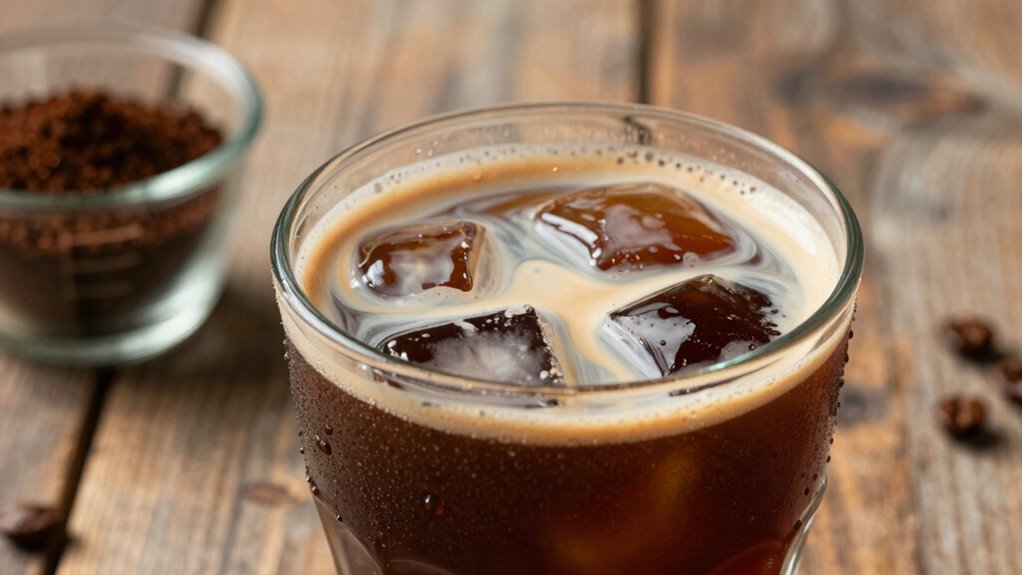

Adjusting your cold brew coffee ratio can dramatically enhance your experience. If you typically use a 1:4 ratio, try shifting to 1:3 for a bolder flavor or 1:5 for a smoother brew. Small changes lead to noticeable differences and can highlight unique coffee notes. Experiment with steeping times and grind sizes to fine-tune your taste. Each tweak can reveal a new dimension. Discovering your perfect brew is just the beginning of your cold brew journey.
Listen free for 30 days with Audible
Thousands of audiobooks and originals — cancel anytime.
As an affiliate, we earn on qualifying purchases.
Key Takeaways
- Adjusting the coffee-to-water ratio from 1:4 to 1:3 creates a bolder, richer flavor profile in cold brew.
- A higher ratio enhances fruity notes, while a lower ratio results in a smoother, lighter taste.
- Small changes in ratios can significantly impact the overall flavor experience of your cold brew.
- Experimenting with steeping time and grind size alongside ratio adjustments can further refine your brew.
- Keeping notes on your preferred ratios helps in consistently achieving your ideal cold brew strength.
As an affiliate, we earn on qualifying purchases.
What Are Cold Brew Coffee Ratios?
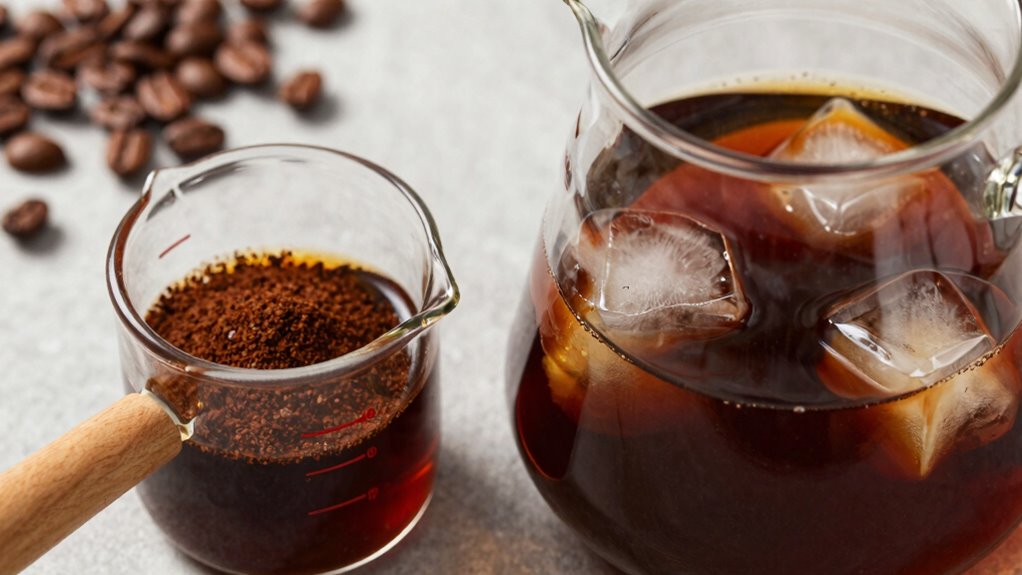
Have you ever wondered how to perfect your cold brew? Understanding cold brew coffee ratios is key to achieving that smooth, rich flavor. Typically, you’ll want to use a ratio of one part coffee beans to four parts water, but this can vary based on your brewing methods and personal taste. Experimenting with different ratios allows you to find the ideal balance that suits your palate. If you prefer a stronger brew, try a one-to-three ratio; for a milder taste, one-to-five works well. Remember, the quality of your coffee beans also impacts the final result, so choose fresh, high-quality beans. With the right ratios, your cold brew can become a delightful, invigorating treat. Enjoy the process!
As an affiliate, we earn on qualifying purchases.
How Do Ratios Affect Cold Brew Flavor?
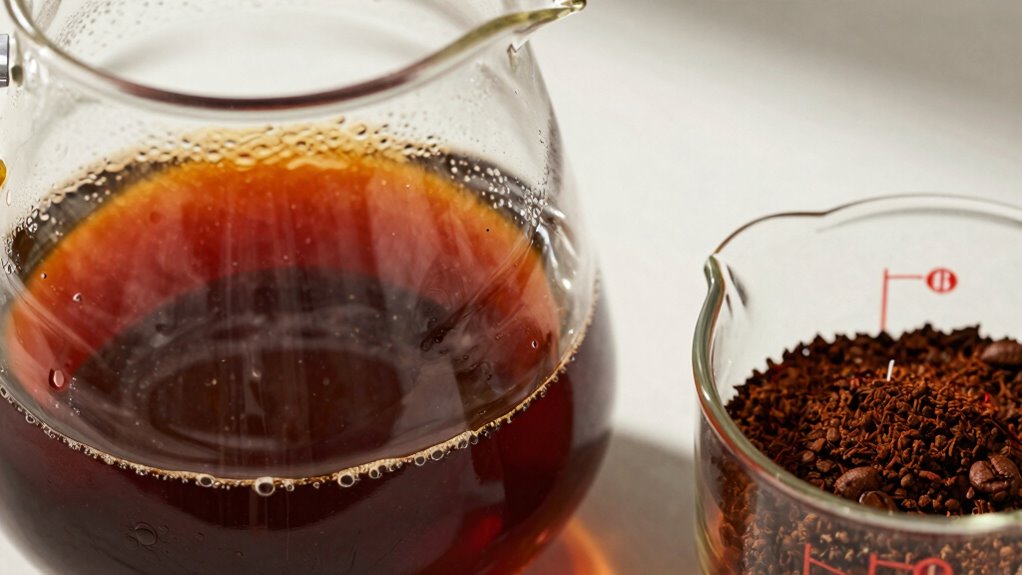
The ratio you choose for your cold brew greatly influences its flavor profile. A higher coffee-to-water ratio typically results in a bolder, richer taste, while a lower ratio can yield a smoother, lighter brew. When you experiment with different brew methods, you’ll notice how these adjustments impact the overall experience. For instance, if you prefer fruity notes, a balanced ratio might highlight those flavors beautifully, whereas an overly concentrated brew can mask them. It’s all about finding that sweet spot where your preferred flavor profiles shine. Remember, small changes in your ratio can lead to significant differences, allowing you to customize your cold brew to perfectly suit your taste. Understanding brew ratios is essential to help you enjoy the journey of discovery!
coffee-to-water ratio measuring tools
As an affiliate, we earn on qualifying purchases.
As an affiliate, we earn on qualifying purchases.
How to Find Your Ideal Cold Brew Strength Ratio
—
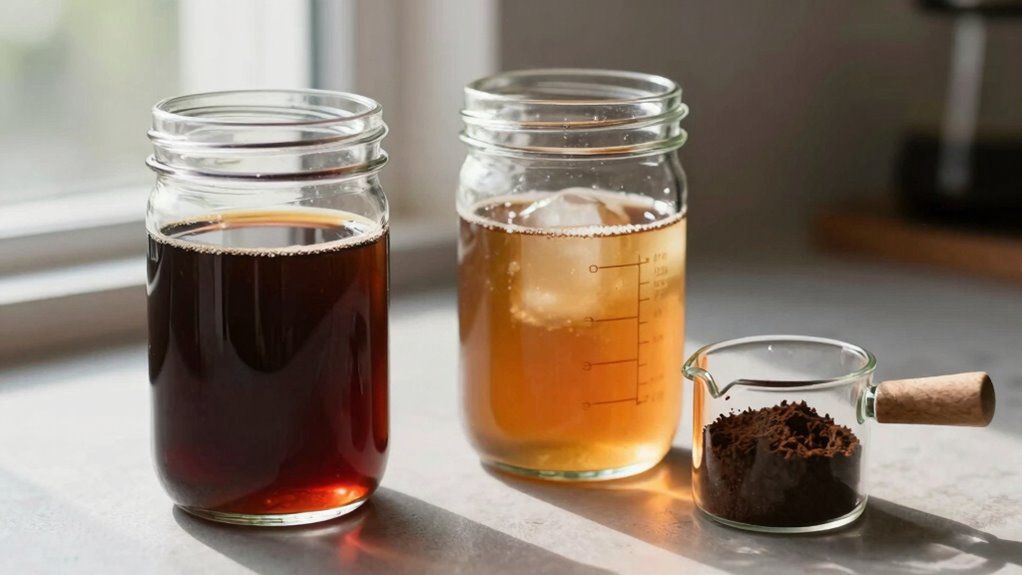
How can you determine your ideal cold brew strength ratio? Start by experimenting with different coffee-to-water ratios, a key aspect of cold brew essentials. Most people begin with a 1:4 ratio, but you might prefer something stronger or milder. Taste is subjective, and your strength profile can reveal personal preferences. Understanding your budget for coffee can also guide your choices in selecting quality beans. Additionally, a well-organized kitchen and cooking basics can streamline your brewing process and enhance your experience.
Brew a batch and let it steep for 12 to 24 hours, then taste it. Adjust the ratio based on how bold or smooth you want your cold brew. If it’s too weak, increase the coffee amount; if it’s too strong, reduce it. Keep notes on your ratios and preferences so you can refine your cold brew strength profile over time, ensuring each cup is just right for you. Additionally, understanding sleep hygiene can help you enjoy your cold brew without disrupting your rest. Consuming adequate hydration is also essential for a balanced lifestyle while enjoying your favorite brew. A well-balanced cup can also enhance your overall home comfort and enjoyment of the brewing ritual.
—
As an affiliate, we earn on qualifying purchases.
How to Experiment With Cold Brew Ratios
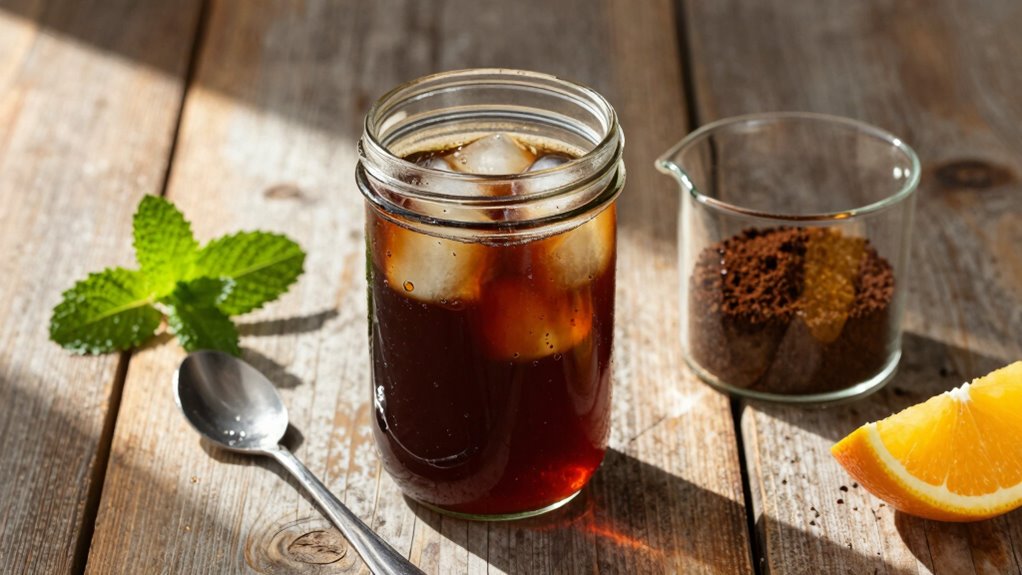
While experimenting with cold brew ratios might seem intimidating at first, it can actually be a fun and rewarding process. Start by adjusting your grind size, steeping time, and water temperature. Here’s a simple table to guide your experimentation:
| Ratio (Coffee:Water) | Steeping Time | Grind Size |
|---|---|---|
| 1:4 | 12 hours | Coarse |
| 1:5 | 16 hours | Medium-coarse |
| 1:8 | 18 hours | Fine |
| 1:10 | 24 hours | Extra fine |
Use fresh coffee for the best flavor, and remember to store your cold brew properly. Try different brewing methods and serving suggestions to find what suits you best!
Common Mistakes When Adjusting Ratios
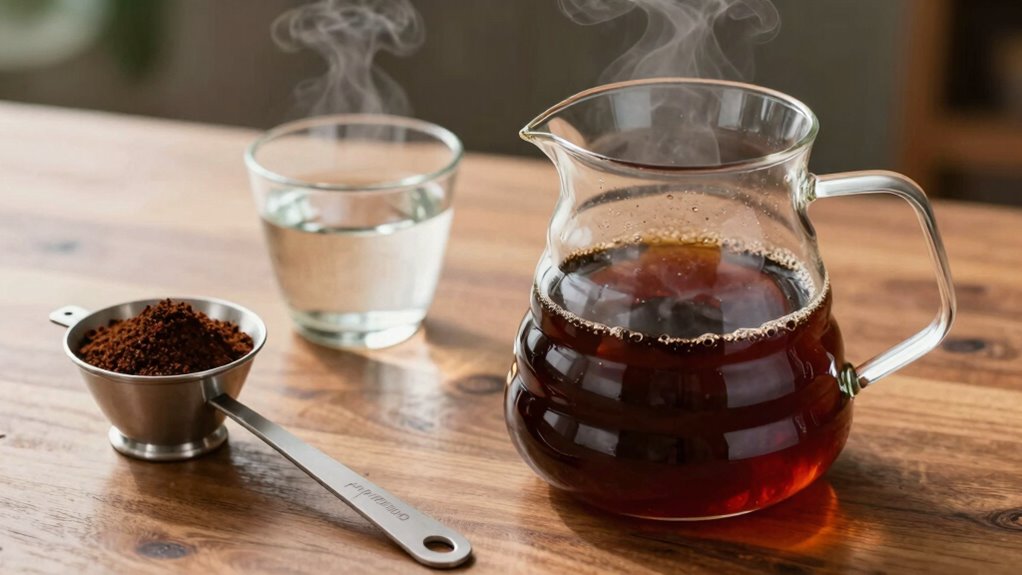
Experimenting with cold brew ratios can lead to great discoveries, but it’s easy to make mistakes along the way. One common pitfall is not paying attention to water temperature. If your water is too hot, it can lead to over extraction issues, resulting in a bitter brew. Always use cold or room temperature water for the best flavor profile. Another mistake is adjusting the coffee-to-water ratio without considering brew time. A stronger ratio requires a shorter steeping time to avoid those unwanted flavors. Finally, be cautious with scale; measuring by weight rather than volume can help you achieve consistency. With these tips, you can refine your cold brew and truly enjoy the process.
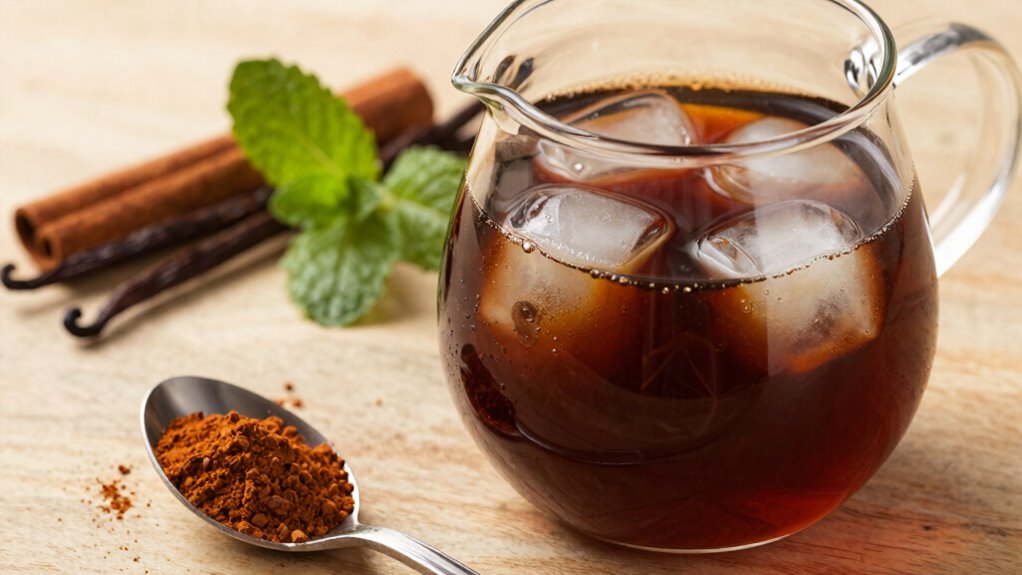
Flavoring Your Cold Brew
Flavoring Your Cold Brew
What can elevate your cold brew from delicious to extraordinary? Exploring flavor profiles can transform your drink into a delightful experience. Start by experimenting with cold brew additives like flavored syrups, spices, or even a splash of milk or cream. Vanilla and caramel can add sweetness, while a dash of cinnamon or nutmeg introduces warmth. Additionally, understanding the mechanics of French press can provide insight into how different methods influence flavor extraction. The choice of additives can also impact perceived sharpness of the overall flavor profile, enhancing your enjoyment.
Incorporating smart programming in your routine can help you discover the best flavor combinations over time. You might also consider infusing your cold brew with fruit, such as citrus or berries, for a rejuvenating twist. Additionally, leveraging sound therapy can create a calming atmosphere, enhancing your overall coffee experience. Don’t shy away from trying nut-based milks like almond or oat for a unique flavor. Remember, the key is balance; you want your additives to enhance, not overpower, the natural coffee taste. Additionally, using facial cleansers can help maintain healthy skin that complements your beverage enjoyment. So, mix and match until you find the perfect combination that excites your palate!
How to Brew the Perfect Cold Brew at Home
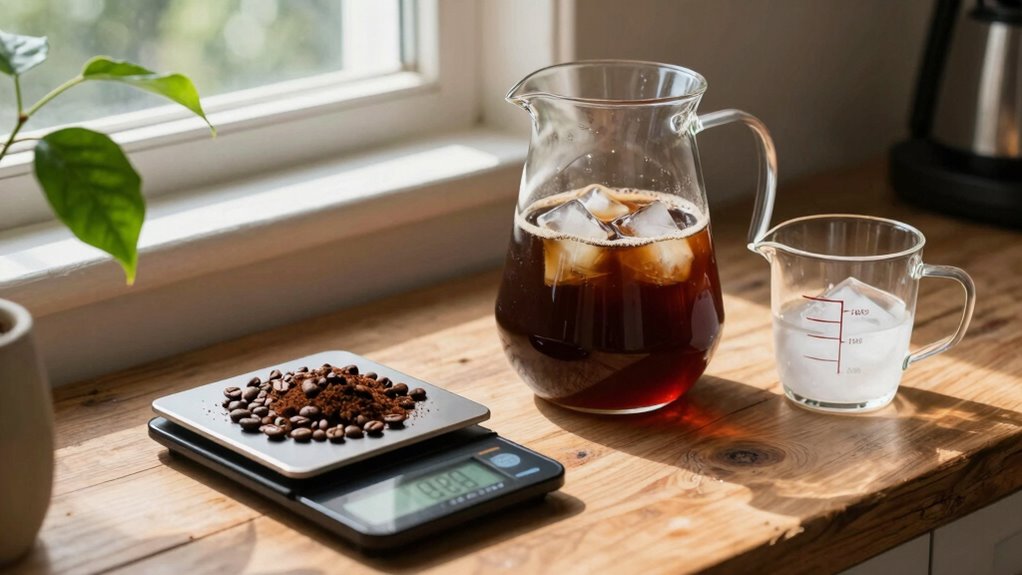
To brew the perfect cold brew at home, you’ll need to start with the right coffee-to-water ratio and a bit of patience. Begin with your cold brew essentials: coarsely ground coffee and filtered water. A common ratio is 1:4, but you can adjust based on your taste preferences. Using carrier oils can also enhance your experience by adding a soothing element to your brewing environment. Additionally, incorporating essential oils known for their calming effects, such as lavender oil, can create a more relaxing atmosphere while brewing. Smart kitchen gadgets can also help streamline your brewing process, ensuring precision and consistency. Investing in a quality grinder will significantly improve the flavor extraction of your cold brew.
Next, gather your brewing equipment. You can use a simple jar or a dedicated cold brew maker. Mix the coffee and water, then let it steep for 12 to 24 hours in the fridge. After brewing, strain the mixture through a fine mesh sieve or coffee filter to enjoy a smooth concentrate. Dilute with water or milk to your liking, and savor your homemade cold brew! Additionally, using energy management techniques can help optimize your home environment while brewing.
Frequently Asked Questions
Can I Use Different Coffee Beans for Cold Brew?
Yes, you can definitely use different coffee beans for cold brew! Each variety brings unique flavor profiles, enhancing your brew’s taste. Experimenting with beans lets you explore different brewing techniques too. Try a medium roast for a balanced flavor, or a dark roast for a richer profile. Just remember to adjust your grind size and steep time based on the beans you choose. Enjoy discovering your perfect cold brew blend!
How Long Can I Store Cold Brew Concentrate?
Think of your cold brew concentrate as a fine wine; it’s best enjoyed fresh. You can store it in the fridge for up to two weeks, but the cold brew shelf life starts to diminish after a week. To maximize freshness, use an airtight container and keep it away from light. With these storage tips, you’ll guarantee your cold brew stays flavorful and enjoyable for as long as possible.
Is Cold Brew Stronger Than Regular Coffee?
Yes, cold brew can be stronger than regular coffee, depending on your brewing techniques and the coffee-to-water ratio you use. When you steep coffee grounds in cold water for an extended period, you extract a rich cold brew flavor that’s often more concentrated. If you prefer a bolder taste, just adjust your ratio. Experimenting with different beans and steeping times can help you find the strength that suits your palate best.
Can I Use Hot Water for Cold Brew?
No, you shouldn’t use hot water for cold brew. Cold brew relies on steeping coarsely ground coffee in cold or room temperature water, which extracts flavors slowly and offers unique cold brew benefits like lower acidity. Using hot water changes the brewing method and can lead to over-extraction, making the coffee bitter. Stick to cold water to enjoy the smooth, mellow taste that cold brew is known for!
What Equipment Do I Need for Cold Brew?
Imagine you’re a captain steering through uncharted waters, seeking the perfect brew. For cold brew, you’ll need a coarse grinder to achieve the right grind size and a large jar or pitcher for steeping. Don’t forget a fine mesh strainer or coffee filter to capture the magic after steeping for 12-24 hours. With these tools, you’ll chart a course to delicious coffee that’s smooth and revitalizing, ready to conquer any day.
Conclusion
By adjusting your cold brew coffee ratios, you can reveal a world of flavor that suits your taste perfectly. Did you know that a study found that 70% of coffee drinkers prefer their cold brew stronger? So, don’t hesitate to experiment with different strengths; you might just discover your new favorite brew. With a little practice, you’ll be brewing the perfect cup at home in no time! Cheers to your cold brew journey!
Fall yard work Picks
leaf blowers
As an affiliate, we earn on qualifying purchases.