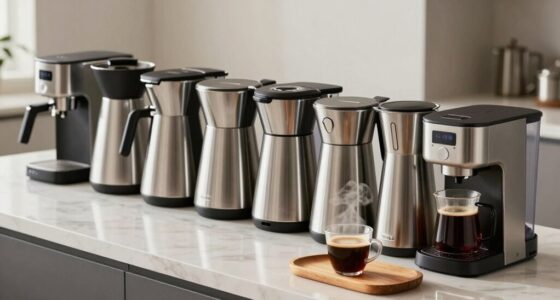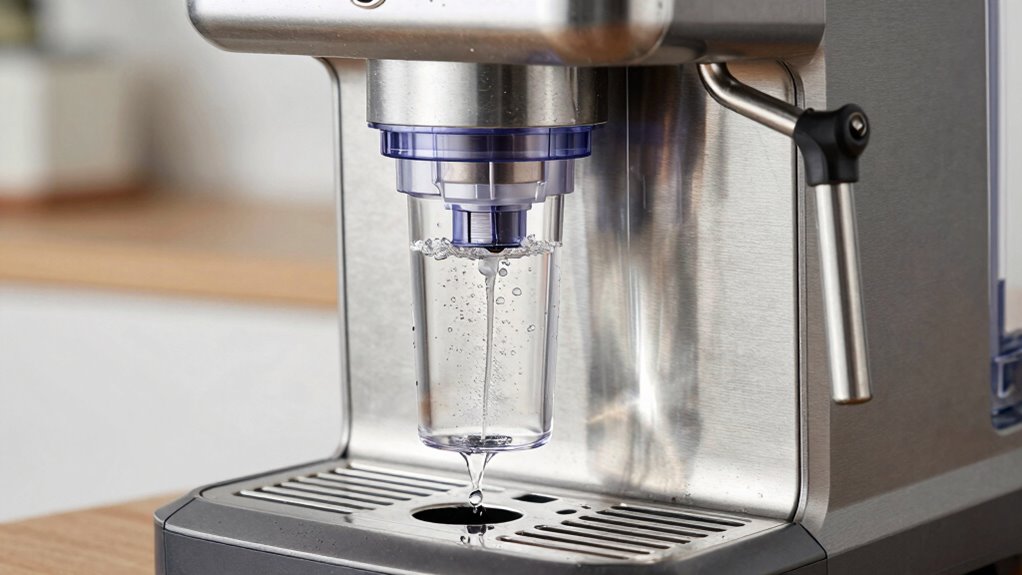

Choosing the right inline water filter for your espresso machine can significantly impact the taste of your coffee and the longevity of your equipment. For home users, the KitchenAid Water Filter offers simplicity and effective contaminant reduction, but requires frequent replacements. Meanwhile, the BWT Bestmax M Premium and BWT Bestmax S Premium are designed for those who need higher capacity and superior water quality in commercial settings or serious home setups. For those with tank-fed machines, the Espresso Machine Water Softener Filter provides scale protection on a budget, whereas Breville owners will benefit from the Water Filter Replacement for Breville BES880 for quick, easy upgrades. Each option balances capacity, ease of use, and filtration quality differently, so your choice hinges on your specific needs and setup.

Get coffee and tea gear delivered free — and shop member deals
- Fast, free delivery on millions of items
- Access to Prime Big Deal Days deals on October 6–7
- Prime Video, Amazon Music and more included
Complete the kit


Key Takeaways
- Capacity and replacement frequency vary significantly; commercial-grade filters last much longer but are more expensive upfront.
- Filtration stages and technology, like magnesium infusion, can enhance flavor but may add to costs and complexity.
- Compatibility with your espresso machine model is critical—some filters are designed for specific brands or tank-fed setups.
- Ease of installation and replacement can influence your overall experience, especially for those new to inline filtration.
- Price and ongoing maintenance should be weighed against the benefits of improved water quality and machine protection.
| KitchenAid Water Filter for Fully Automatic Espresso Machines |  | Best for Home Baristas Who Need Easy Maintenance | Fits Models: KF6, KF7, KF8 | Includes: 1 water filter | Replacement Interval: Every 2 months or 50L | VIEW ON AMAZON | See Our Full Breakdown |
| BWT Bestmax M Premium Coffee Machine Water Filter, 5 Stage |  | Best for Commercial or High-Volume Home Use | Capacity: 3855 liters | Filtration Stages: 5 | Dimensions: 130mm diameter x 475mm height | VIEW ON AMAZON | See Our Full Breakdown |
| BWT Bestmax S Premium Water Filter for Espresso Machines, 5 Stage |  | Best for Extended Home Use with Flavor Focus | Filtration Stages: 5 | Capacity: 1070 liters | Dimensions: 88mm diameter x 360mm height | VIEW ON AMAZON | See Our Full Breakdown |
| Espresso Machine Water Softener Filter for Ascaso, Isomac, Quickmill, Expobar, Lelit, VBM, and More |  | Best for Tank-Fed Home Machines on a Budget | Model Number: AosBet | Number of Packs: 1 | Duration: Approx. 3 months | VIEW ON AMAZON | See Our Full Breakdown |
| Water Filter Replacement for Breville Espresso Machine Barista Touch BES880 |  | Best for Breville Users Seeking Quick, Reliable Replacement | Compatible Models: BES880, BES881, BES878, BES990BSS, BES980, BES920 | Part Number: BES008WHT0NUC1 | Number of Filters: 4 | VIEW ON AMAZON | See Our Full Breakdown |
More Details on Our Top Picks
KitchenAid Water Filter for Fully Automatic Espresso Machines
This filter stands out for simplifying contaminant reduction, targeting common espresso water issues like chlorine, lead, and limescale. It’s a straightforward choice for home users with KitchenAid fully automatic machines, offering easy replacements every two months. Compared to more complex filters, it’s less suited for high-volume or commercial setups, as its capacity is limited. The main tradeoff is the frequent replacement needed, which can add to ongoing costs if you brew daily. Still, for those seeking an uncomplicated, effective solution tailored to specific KitchenAid models, this filter delivers tangible benefits in flavor and machine protection.
Pros:- Reduces common contaminants for better-tasting espresso
- Helps prevent limescale buildup in your machine
- Simple to replace, fits specific KitchenAid models
Cons:- Requires replacement every 2 months or 50 liters
- Limited to compatible KitchenAid models
- Does not include the espresso machine itself
Best for: Home users with KitchenAid fully automatic espresso machines
Not ideal for: Commercial environments or users with multiple machines needing longer-lasting filters
- Fits Models:KF6, KF7, KF8
- Includes:1 water filter
- Replacement Interval:Every 2 months or 50L
Our verdict“A solid, straightforward choice for home users with KitchenAid machines prioritizing ease of maintenance.”
BWT Bestmax M Premium Coffee Machine Water Filter, 5 Stage
This filter excels in high-capacity environments, offering a robust 3855-liter capacity with five filtration stages, including magnesium technology that enhances flavor. It’s ideal for cafes or serious home enthusiasts who want consistent water quality and minimal maintenance. The multi-stage filtration ensures removal of impurities, limescale, and bad tastes, while the magnesium infusion boosts extraction quality. The main tradeoff is that it requires a separate filter head, sold separately, and is primarily geared toward professional use. Its high capacity justifies the higher initial cost but might be overkill for occasional home brewing.
Pros:- Improves flavor with magnesium technology
- Multi-stage filtration for thorough water purification
- Easy cartridge replacement without tools
Cons:- Requires a separate filter head (sold separately)
- Designed for high-volume use, not small-scale
- Replacement frequency depends on water hardness
Best for: Commercial setups or serious home baristas needing high capacity
Not ideal for: Casual home users or those not equipped for professional filtration systems
- Capacity:3855 liters
- Filtration Stages:5
- Dimensions:130mm diameter x 475mm height
- Weight:2.8 kg dry, 4.2 kg wet
- Compatibility:All plumbed-in espresso machines
- Operating Pressure:2 to 8 bar
Our verdict“Best suited for commercial environments or dedicated home setups where capacity and water quality are priorities.”
BWT Bestmax S Premium Water Filter for Espresso Machines, 5 Stage
This filter offers a balanced approach for home users seeking enhanced flavor and machine protection. Its five-stage process efficiently removes chlorine and limescale, while adding magnesium to improve taste. The capacity of around 1070 liters makes it suitable for those who brew frequently but don’t need commercial scale. The flexible installation options and 12-month warranty make it user-friendly. The main tradeoff is its limited capacity, meaning replacements are needed after about a year, which might be inconvenient for very high-volume users. Still, it provides a meaningful upgrade over basic filters with a focus on flavor enhancement.
Pros:- Enhances flavor with magnesium infusion
- Reduces limescale buildup, extending machine life
- Easy to install with flexible orientation
Cons:- Limited capacity of approximately 1070 liters
- Replacement needed after 12 months regardless of volume
- Requires a separate filter head
Best for: Home users seeking a reliable, flavor-boosting filter with moderate capacity
Not ideal for: High-volume or commercial operations requiring longer-lasting filters
- Filtration Stages:5
- Capacity:1070 liters
- Dimensions:88mm diameter x 360mm height
- Weight:0.9 kg dry / 1.5 kg wet
- Connection:Universal 3/8 inch
- Warranty:12 months
Our verdict“An excellent choice for flavor-conscious home users wanting reliable protection and improved espresso quality.”
Espresso Machine Water Softener Filter for Ascaso, Isomac, Quickmill, Expobar, Lelit, VBM, and More
This water softener filter provides essential scale reduction for tank-fed espresso machines, making it a practical, budget-friendly option. It’s simple to install and lasts roughly three months with regular use. While it doesn’t include advanced filtration stages, it offers a straightforward solution for protecting your machine from limescale, especially in hard water areas. The main tradeoff is its limited lifespan and lack of multi-stage filtration, which means it’s less effective at removing other contaminants. It’s best suited for users who primarily seek scale prevention without complex water treatment needs.
Pros:- Easy to install in seconds
- Protects against scale buildup
- Lasts about 3 months per replacement
Cons:- Limited to scale reduction, less comprehensive filtration
- Needs frequent replacements every 3 months
- Specific to certain models
Best for: Home users with tank-fed machines in hard water areas
Not ideal for: High-volume or professional environments requiring comprehensive water treatment
- Model Number:AosBet
- Number of Packs:1
- Duration:Approx. 3 months
- Compatibility:Most tank-fed home espresso machines
Our verdict“A practical, affordable solution for home users concerned mainly about scale in tank-fed machines.”
Water Filter Replacement for Breville Espresso Machine Barista Touch BES880
This filter is tailored specifically for Breville’s popular espresso machines, making installation straightforward and maintenance simple. It reduces chlorine, heavy metals, and other impurities, guarding against flavor deterioration. The four-pack offers a year’s supply if replaced quarterly, which suits busy users who prefer consistent quality without complicated setups. The main drawback is the need to soak the filters before use and the frequency of replacement—every three months—which might be inconvenient for some users. Still, it provides a reliable, brand-specific upgrade for Breville owners.
Pros:- Improves flavor by reducing impurities
- Compatible with multiple Breville models
- Includes enough filters for a year
Cons:- Requires pre-soaking before use
- Replacement every 3 months may be frequent
- Limited to compatible Breville models
Best for: Breville espresso machine owners who want a hassle-free, consistent filtration solution
Not ideal for: Non-Breville machines or users looking for longer-lasting filters
- Compatible Models:BES880, BES881, BES878, BES990BSS, BES980, BES920
- Part Number:BES008WHT0NUC1
- Number of Filters:4
- Replacement Interval:Every 3 months
- Material:FSC-Certified paper, coconut-activated carbon, ion exchange resins
Our verdict“An effective, brand-specific choice for Breville users prioritizing consistent filtration with minimal fuss.”

How We Picked
My selection process focused on balancing filtration effectiveness, capacity, compatibility, ease of use, and value. I examined product specifications, customer reviews, and the reputation of brands specializing in coffee water filtration. Priority was given to filters that fit common espresso machine models, especially those used at home or in small commercial environments. I also considered replacement intervals to ensure long-term savings and minimal hassle, favoring options with proven filtration stages that improve flavor and extend equipment lifespan. Ultimately, these picks reflect a range of needs—from simple home use to demanding commercial applications—ensuring you find a suitable match.
Factors to Consider When Choosing Inline Water Filter For Espresso Machine
When selecting an inline water filter for your espresso machine, consider capacity, filtration technology, compatibility, and ease of replacement. The right filter can improve your coffee’s flavor, extend your machine’s life, and reduce maintenance costs. Whether you’re a casual home barista or a high-volume café owner, understanding these factors helps you choose a filter that aligns with your brewing habits.Capacity and Replacement Frequency
High-capacity filters are better suited for commercial settings or frequent home brewing, as they last longer and reduce the need for frequent replacements. Smaller filters are more affordable upfront but require more regular changes, which can add ongoing costs and inconvenience. Assess your brewing volume to pick a capacity that balances longevity with convenience.
Filtration Technology and Stages
Filters with multiple stages, such as magnesium infusion or activated carbon, can improve flavor and protect your machine from scale. Consider whether you need basic contaminant removal or advanced flavor enhancement. Keep in mind that more complex systems may be more expensive and require more maintenance.
Compatibility and Installation
Ensure the filter is compatible with your espresso machine model—some are designed specifically for certain brands or tank-fed setups. Easy-to-install filters with flexible orientation options can make maintenance simpler, especially if you’re new to inline filtration. Always check if additional parts or filter heads are needed.
Cost and Long-Term Value
Initial costs vary widely, from budget-friendly softeners to high-capacity commercial filters. Consider ongoing expenses related to replacements, especially if you brew daily. Investing in a slightly more expensive, longer-lasting filter can pay off over time by reducing maintenance and improving your coffee quality.
Frequently Asked Questions
Why should I use an inline water filter for my espresso machine?
Using an inline water filter helps remove impurities like chlorine, heavy metals, and limescale that can deteriorate water taste and harm your machine. Proper filtration improves the flavor of your espresso and extends the lifespan of your equipment by preventing scale buildup and reducing maintenance needs.
How often should I replace my water filter?
The replacement interval depends on the filter type and your water quality. Most household filters need changing every 2 to 3 months, while commercial-grade filters can last for thousands of liters. Always follow the manufacturer’s recommendations and monitor your water quality to ensure optimal performance.
Can I use any water filter with my espresso machine?
No, it’s essential to choose a filter compatible with your specific machine. Some filters are designed for certain brands or models, especially tank-fed units. Compatibility ensures proper fit, effective filtration, and easy installation, preventing potential issues down the line.
What is the benefit of magnesium-infused filters?
Magnesium infusion in water filters enhances the flavor profile of your espresso by adding a natural mineral content that improves extraction and aroma. It also helps prevent limescale buildup, protecting your machine’s internal components and reducing long-term maintenance.
Are commercial filters worth it for home use?
Commercial filters offer higher capacity and often superior filtration technology, making them suitable for heavy use or professional environments. For most home users, a high-quality, smaller filter provides sufficient protection and flavor enhancement without the higher cost and complexity of commercial systems.
Fall Picks
fall essentials
As an affiliate, we earn on qualifying purchases.