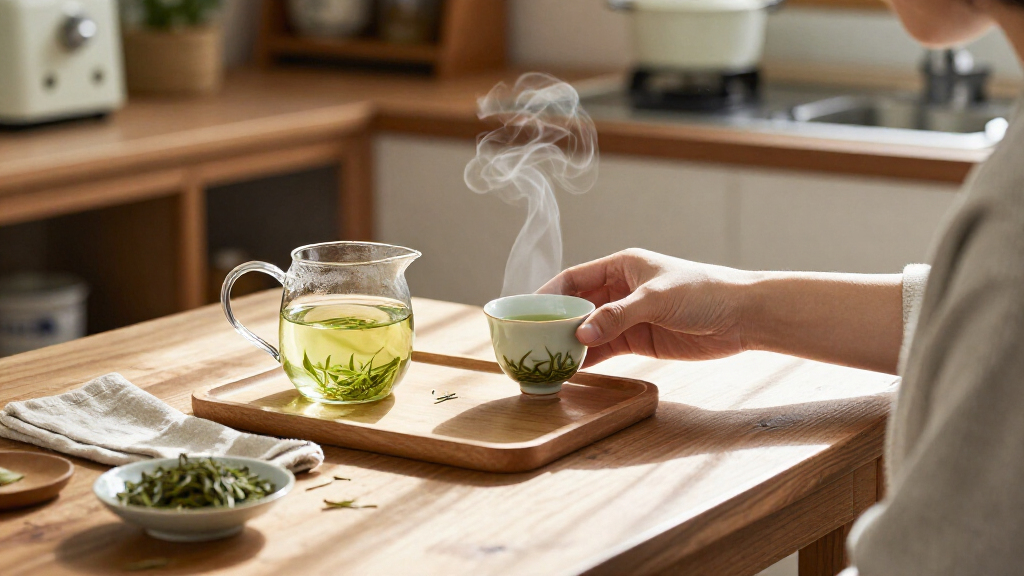

Finding the best sencha green tea requires balancing convenience with leaf integrity, as the difference between a dusty bag and a vibrant loose leaf is stark. My top pick is Harney & Sons Japanese Sencha for its consistent flavor profile and accessible sachet format, while KAZAEMON Chiran Gold Fukamushi Sencha stands out for those seeking a robust, umami-rich deep-steamed experience. The main tradeoff in this category lies between the ease of pre-portioned bags and the superior aromatic complexity of high-grade loose leaf. Readers must decide if they prioritize quick daily rituals or ceremonial-grade depth. Continue reading for the full breakdown of these fifteen options.

Get coffee and tea gear delivered free with Prime
- Fast, free delivery on millions of items
- Prime Video, Amazon Music and more included
- Member-only deals all year
Complete the kit



Key Takeaways
- Sachet quality varies wildly; premium brands like Harney use whole-leaf fragments, while cheaper options often contain dust.
- Fukamushi (deep-steamed) sencha offers a darker, sweeter cup compared to standard asamushi, reducing bitterness significantly.
- Loose leaf options provide better value per serving but require a dedicated infuser or strainer to avoid sediment.
- Origin matters: Uji and Yame regions consistently produce higher umami profiles than generic ‘Japanese Style’ blends.
- Cold brew compatibility is a growing feature, with specific blends like Sajimoto designed to shine without heat-induced bitterness.
| Harney & Sons Japanese Sencha Green Tea, 20 Sachets |  | Best for Gift Giving and Small Spaces | Tea type: Japanese sencha green tea | Origin: Shizuoka, Japan | Quantity: 20 pyramid sachets | VIEW LATEST PRICE | See Our Full Breakdown |
| Sajimoto Tea Japanese Green Tea Bags – Pitcher Size Cold & Hot Brew Fukamushi Sencha with Matcha |  | Best for Cold Brew and Large Batches | Origin: Kakegawa, Shizuoka, Japan | Tea Type: Fukamushi Sencha blended with Matcha | Quantity: 25 Bags | VIEW LATEST PRICE | See Our Full Breakdown |
| BJDesign HAJIME Organic Japanese Sencha Green Tea, Loose Leaf, 80 g |  | Best for Flavor Depth and Re-steeping | Tea type: Sencha green tea | Origin: Kagoshima, Japan | Certification: Organic | VIEW LATEST PRICE | See Our Full Breakdown |
| Harney & Sons Japanese Sencha Green Tea, 50 Tea Bags |  | Best for Daily Office Use | Tea type: Japanese Sencha green tea | Quantity: 50 individually wrapped tea bags | Serving size: One tea bag brews a 6–8 oz cup | VIEW LATEST PRICE | See Our Full Breakdown |
| ITO EN Oi Ocha Green Tea Bags, 40 Count |  | Best for Budget-Friendly Basics | Product type: Green tea bags | Count: 40 tea bags | Made in: Japan | VIEW LATEST PRICE | See Our Full Breakdown |
| Japanese Sencha Loose Leaf Green Tea, 11.74 oz (333 g) |  | Best High-Volume Bulk Option | Tea Type: Sencha green tea | Form: Loose leaf | Origin: Japan | VIEW LATEST PRICE | See Our Full Breakdown |
| KAZAEMON Chiran Gold Fukamushi Sencha Japanese Green Tea, Loose Leaf, 3.5 oz (100 g) |  | Best for Deep-Steamed Flavor | Tea type: Fukamushi sencha (deep-steamed) | Origin: Chiran, Kagoshima, Japan | Harvest: First flush, spring | VIEW LATEST PRICE | See Our Full Breakdown |
| Yamami Kyoto Uji Organic Japanese Sencha Green Tea, Loose Leaf, 2.82 oz |  | Best Organic Single-Origin | Tea type: Sencha green tea | Form: Loose leaf | Weight: 2.82 oz | VIEW LATEST PRICE | See Our Full Breakdown |
| One With Tea Organic Japanese Sencha Green Tea, Loose Leaf |  | Best for Flavor Variety Exploration | Tea type: Japanese sencha green tea | Form: Loose leaf | Organic certification: USDA Organic | VIEW LATEST PRICE | See Our Full Breakdown |
| FGO Organic Sencha Green Tea, 100 Eco-Conscious Tea Bags |  | Best Eco-Friendly Convenience | Tea type: Sencha green tea | Certification: USDA Organic (CCOF) | Tea bags: 100 | VIEW LATEST PRICE | See Our Full Breakdown |
| Rishi Organic Japanese Sencha Green Tea Sachets, 30 Count |  | Best for Convenience | Tea Type: Sencha green tea | Origin: Kyushu Island, Japan | Cultivars: Saemidori and Okumidori | VIEW LATEST PRICE | See Our Full Breakdown |
| ChaYeah Sencha Green Tea, Whole Leaf Pyramid Sachets, 30 Count |  | Best Eco-Friendly Sachet | Type: Sencha Green Tea | Form: Whole Leaf Pyramid Sachets | Count: 30 | VIEW LATEST PRICE | See Our Full Breakdown |
| Yamasan Kyoto Uji First-Harvest Japanese Sencha Green Tea, 2.8 oz |  | Best for Flavor Complexity | Tea Type: Japanese sencha green tea | Harvest: First harvest (late April to early May) | Tea Variety: Primarily Yabukita | VIEW LATEST PRICE | See Our Full Breakdown |
| Ocha & Co. Organic Japanese Sencha Green Tea, Loose Leaf, 100 g |  | Best for Mild Palates | Tea Type: Sencha green tea | Form: Loose leaf | Origin: Shizuoka, Japan | VIEW LATEST PRICE | See Our Full Breakdown |
| TOMOSAN Deep-Steamed Japanese Sencha Green Tea, Loose Leaf, 300 g |  | Best Value Bulk | Tea Type: Sencha green tea | Form: Loose leaf | Origin: Kakegawa, Shizuoka, Japan | VIEW LATEST PRICE | See Our Full Breakdown |
| sencha green tea | Tea type | Origin |
|---|---|---|
| Harney & Sons Japanese Sencha | Japanese sencha green tea | Shizuoka, Japan |
| Sajimoto Tea Japanese Green Te | Fukamushi Sencha blended with Matcha | Kakegawa, Shizuoka, Japan |
| BJDesign HAJIME Organic Japane | Sencha green tea | Kagoshima, Japan |
| Harney & Sons Japanese Sencha | Japanese Sencha green tea | — |
| ITO EN Oi Ocha Green Tea Bags | — | — |
| Japanese Sencha Loose Leaf Gre | Sencha green tea | Japan |
| KAZAEMON Chiran Gold Fukamushi | Fukamushi sencha (deep-steamed) | Chiran, Kagoshima, Japan |
| Yamami Kyoto Uji Organic Japan | Sencha green tea | Uji, Kyoto, Japan |
| One With Tea Organic Japanese | Japanese sencha green tea | Japan |
| FGO Organic Sencha Green Tea | Sencha green tea | — |
| Rishi Organic Japanese Sencha | Sencha green tea | Kyushu Island, Japan |
| ChaYeah Sencha Green Tea | — | — |
| Yamasan Kyoto Uji First-Harves | Japanese sencha green tea | Kyoto Uji, Japan |
| Ocha & Co. Organic Japanese Se | Sencha green tea | Shizuoka, Japan |
| TOMOSAN Deep-Steamed Japanese | Sencha green tea | Kakegawa, Shizuoka, Japan |
More Details on Our Top Picks
Harney & Sons Japanese Sencha Green Tea, 20 Sachets
This option stands out for its elegant presentation, making it a strong candidate for those who prioritize aesthetics alongside flavor. The decorative tin holds 20 pyramid sachets, which expand fully in the cup to release the delicate vegetal notes characteristic of Shizuoka sencha. Compared to the BJDesign HAJIME Organic, this Harney pick sacrifices the depth of loose-leaf brewing for convenience and shelf appeal. While the pyramid sachets offer better leaf expansion than standard paper bags, they do not match the re-steepability of loose leaves. It is a polished entry point, but serious tea enthusiasts might find the single-serve limit restrictive compared to bulkier options.Pros:- Elegant decorative tin enhances shelf appeal and gift-worthiness
- Pyramid sachets allow for better leaf expansion than flat bags
- Consistent Shizuoka sourcing ensures a smooth, fresh finish
Cons:- Higher cost per serving compared to bulk loose-leaf options
- Single-serve sachets cannot be re-steeped effectively
- Tin may be bulky for small kitchen drawers
Best for: Gift buyers or those with limited storage who value attractive packaging and single-serve convenience.
Not ideal for: High-volume drinkers who prefer the cost-efficiency and re-steepability of loose-leaf tea.
- Tea type:Japanese sencha green tea
- Origin:Shizuoka, Japan
- Quantity:20 pyramid sachets
- Serving size:One 12 oz. cup per sachet
- Caffeine:Naturally caffeinated
- Certification:Kosher
- Packaging:Decorative tin
Our verdict“Choose this if you value beautiful packaging and consistent single-cup convenience over bulk value.”
Sajimoto Tea Japanese Green Tea Bags – Pitcher Size Cold & Hot Brew Fukamushi Sencha with Matcha
This product solves the hassle of making large quantities of green tea by using pitcher-sized bags that brew a full quart at once. The fukamushi sencha from Kakegawa, blended with matcha, yields a vivid green color and rich aroma that stands up well to cold steeping without bitterness. Unlike the Harney & Sons 50 Tea Bags, which are designed for small 6–8 oz cups, this option is built for efficiency in social or family settings. The nylon mesh allows for quick infusion, but it lacks the eco-friendly appeal of biodegradable materials. It is a practical choice for iced tea lovers, though the lack of a resealable zipper requires immediate transfer to another container.Pros:- Pitcher-size format simplifies brewing large volumes without strainers
- Deep-steamed leaves prevent bitterness during long cold brews
- Matcha blend enhances color and aromatic complexity
Cons:- Vacuum-sealed pouch lacks a zipper for resealing
- Nylon mesh is not biodegradable or compostable
- Large bag size is inefficient for single cups
Best for: Households or offices that regularly brew large pitchers of cold or hot tea.
Not ideal for: Sole drinkers who want small-cup precision or those strictly avoiding synthetic mesh materials.
- Origin:Kakegawa, Shizuoka, Japan
- Tea Type:Fukamushi Sencha blended with Matcha
- Quantity:25 Bags
- Weight:4.4 oz (125 g)
- Bag Weight:5 g per bag
- Material:Nylon mesh
- Brew Method:Cold Brew or Hot Brew
- Brew Volume:500 ml – 1 L per bag
Our verdict“Ideal for those who prioritize batch brewing efficiency and smooth cold brew profiles.”
BJDesign HAJIME Organic Japanese Sencha Green Tea, Loose Leaf, 80 g
For those seeking a more authentic tea-drinking ritual, this organic loose leaf from Kagoshima offers superior complexity compared to pre-bagged options. The mellow umami profile and refined aroma are best appreciated when brewed at precise temperatures, allowing the leaves to unfurl fully. Unlike the Sajimoto Tea Bags, which prioritize speed and volume, this pick rewards patience with multiple infusions, as the leaves can be steeped 2–3 times. This re-steepability significantly lowers the cost per cup over time. However, the 80 g tin requires proper storage away from humidity to maintain freshness, adding a layer of maintenance that bagged teas do not require.Pros:- Organic certification ensures no synthetic pesticides in cultivation
- Loose leaf format allows for 2–3 re-steeps per batch
- Mellow umami profile indicates high-quality leaf maturity
Cons:- Requires separate infuser and temperature control for best results
- Opened bag must be sealed tightly to prevent staleness
- Smaller 80 g quantity may run out quickly for daily drinkers
Best for: Tea enthusiasts who enjoy brewing rituals, value organic certification, and want to re-steep leaves.
Not ideal for: Convenience seekers who find measuring leaves and monitoring water temperature too tedious.
- Tea type:Sencha green tea
- Origin:Kagoshima, Japan
- Certification:Organic
- Net weight:80 g
- Hot brew temperature:176–194°F
- Hot brew time:40–60 seconds
- Cold brew:Refrigerate 0.18–0.28 oz leaves in 17 fl oz water for about 4 hours
- Typical re-steeps:2–3
Our verdict“Select this if you want the highest flavor fidelity and are willing to manage loose-leaf brewing.”
Harney & Sons Japanese Sencha Green Tea, 50 Tea Bags
This box of 50 individually wrapped tea bags is engineered for consistency and portability, making it a staple for workplace pantries. The light, delicate flavor is less intense than the Harney & Sons 20 Sachets, catering to those who prefer a subtle background note in their daily routine rather than a prominent vegetal taste. Each bag is sized for a 6–8 oz cup, which is smaller than the standard 12 oz mug, requiring careful water volume management to avoid dilution. While the individual wrappers preserve freshness during transport, they generate more waste than loose-leaf or tin-packed alternatives. It is a reliable, no-fuss option for casual drinkers.Pros:- Individually wrapped bags ensure hygiene and portability
- Light flavor profile suits those sensitive to strong vegetal notes
- Brand supports environmental nonprofits with 1% of sales
Cons:- Small 6–8 oz serving size leads to weak tea in large mugs
- Individual wrappers create excess non-recyclable trash
- Flavor intensity is lower than loose-leaf or pyramid sachet options
Best for: Office workers or commuters who need portable, individually wrapped tea for single cups.
Not ideal for: Those who prefer larger mugs or dislike the waste generated by individual paper wrappers.
- Tea type:Japanese Sencha green tea
- Quantity:50 individually wrapped tea bags
- Serving size:One tea bag brews a 6–8 oz cup
- Flavor:Light, delicate, clean, and fresh
- Caffeine:Naturally caffeinated
- Packaging:Boxed individually wrapped bags
Our verdict“A practical, low-commitment choice for keeping a steady supply of mild tea at your desk.”
ITO EN Oi Ocha Green Tea Bags, 40 Count
This product serves as a straightforward entry into Japanese green tea, focusing on utility rather than nuanced terroir expression. The 40 tea bags are versatile enough for both hot and iced preparations, though the flavor profile is notably simpler than the BJDesign HAJIME Organic loose leaf. The 24-month shelf life is a critical factor; unlike fresh loose leaf, these bags are optimized for stability in long-term pantry storage. It lacks the premium packaging or specific regional designation found in higher-tier picks like the Sajimoto blend. However, for those who just want a clean, caffeinated beverage without fuss, it delivers consistent results.Pros:- Versatile brewing for both hot and iced tea styles
- Long shelf life allows for bulk purchasing and storage
- Made in Japan ensures baseline quality standards
Cons:- Flavor profile is generic compared to single-origin or artisanal teas
- Quality degrades if consumed after the 24-month window
- Standard bag format limits leaf expansion and infusion
Best for: Budget-conscious consumers who want a basic, reliable green tea for everyday hydration.
Not ideal for: Connoisseurs seeking distinct regional characteristics or complex umami notes.
- Product type:Green tea bags
- Count:40 tea bags
- Made in:Japan
- Best consumed within:24 months of production date
- Brew style:Hot or Iced
- Format:Tea bags
Our verdict“A dependable, no-frills option for those who prioritize availability and simplicity over complexity.”
Japanese Sencha Loose Leaf Green Tea, 11.74 oz (333 g)
This option stands out for its sheer quantity, offering 11.74 oz of loose-leaf sencha, which is significantly more than typical artisanal tins like the KAZAEMON Chiran Gold. For daily drinkers who go through tea quickly, this bulk format reduces the frequency of reordering and often lowers the cost per serving. However, the tradeoff is a lack of specific origin detailing or cultivar information compared to premium picks like Yamami Kyoto Uji. The packaging focuses on volume rather than preserving peak freshness for long periods, so it suits those who will consume the entire bag within a few months. If you prioritize quantity over nuanced flavor profiles, this is a pragmatic choice, but connoisseurs seeking specific terroir might find it too generic.Pros:- Substantial 333g volume reduces reorder frequency
- Loose-leaf format allows for better leaf expansion
- Cost-effective for high-consumption households
Cons:- Lacks specific origin or cultivar transparency
- Packaging may not preserve freshness as well as smaller tins
- Flavor profile is generic compared to single-origin options
Best for: Daily drinkers who consume large quantities of tea and prioritize volume over specific cultivar details.
Not ideal for: Tea enthusiasts seeking specific regional origins or those who drink tea infrequently and risk spoilage.
- Tea Type:Sencha green tea
- Form:Loose leaf
- Origin:Japan
- Weight:11.74 oz (333 g)
- Package Size:Bulk
- Leaf State:Whole/Loose
- Certification:Not specified
- Brewing Style:Loose leaf steeping
Our verdict“Choose this if you drink sencha daily and want a straightforward, high-volume supply without paying for boutique branding.”
KAZAEMON Chiran Gold Fukamushi Sencha Japanese Green Tea, Loose Leaf, 3.5 oz (100 g)
This tea distinguishes itself through deep steaming (fukamushi), a process that breaks down leaf cell walls to release more umami and color than standard sencha like the One With Tea Organic. The first-flush leaves from Chiran provide a vivid green cup with natural sweetness, making it ideal for those who prefer a smoother, less astringent profile. Compared to the FGO Organic Sencha bags, this loose-leaf format requires more effort to brew but delivers a far richer body. The downside is the fine particle size, which demands a fine-mesh infuser to avoid sediment, and the sensitivity to water temperature means beginners might accidentally brew it bitter if they use boiling water.Pros:- Deep-steaming creates a smooth, full-bodied texture
- First-flush leaves offer natural sweetness and umami
- Vivid green color indicates high chlorophyll content
Cons:- Fine particles require a fine-mesh infuser
- High sensitivity to brewing temperature and time
- No organic certification listed
Best for: Drinkers who prefer a bold, umami-rich, and visually vibrant cup with a smooth finish.
Not ideal for: Those who dislike sediment in their cup or lack a fine-mesh tea strainer.
- Tea type:Fukamushi sencha (deep-steamed)
- Origin:Chiran, Kagoshima, Japan
- Harvest:First flush, spring
- Net weight:3.5 oz (100 g)
- Ingredients:Green tea
- Brewing temp:176°F (80°C)
- Brewing time:40–50 seconds
- Tea-to-water ratio:8 g per 200 ml
- Package dimensions:Approximately 23 × 11 cm
Our verdict“Select this if you appreciate the deep, savory notes of fukamushi and are willing to manage precise brewing parameters.”
Yamami Kyoto Uji Organic Japanese Sencha Green Tea, Loose Leaf, 2.82 oz
Sourced from the prestigious Uji, Kyoto region, this tea offers a refined balance of umami and aroma thanks to its far-infrared roasting technique. Unlike the bulkier Japanese Sencha Loose Leaf 333g, this 2.82 oz tin focuses on quality and specific cultivars like Yabukita and Saemidori, providing a more complex flavor profile. It is JONA and JAS certified organic, which appeals to buyers who prioritize strict agricultural standards over the broader USDA certification seen in FGO Organic Sencha. The tradeoff is the smaller quantity, which may not satisfy heavy drinkers, and the premium price point reflects the specific origin and organic certification, making it less accessible for casual sippers.Pros:- Certified organic by JONA and JAS standards
- Far-infrared roasting enhances aroma and umami
- Uses premium first-harvest Yabukita and Saemidori cultivars
Cons:- Small 2.82 oz quantity may run out quickly
- Premium pricing due to origin and certification
- Flavor can vary if brewing temperature is not controlled
Best for: Connoisseurs who value specific regional terroir and strict organic certifications.
Not ideal for: Budget-conscious buyers or those who need large quantities for office or family use.
- Tea type:Sencha green tea
- Form:Loose leaf
- Weight:2.82 oz
- Origin:Uji, Kyoto, Japan
- Certification:JONA and JAS organic
- Cultivars:Primarily Yabukita and Saemidori
- Processing:Gently steamed; far-infrared roasted
- Brewing options:Hot or cold brew
- Harvest:First harvest
Our verdict“This is the top pick for those who want a certified organic, single-origin sencha from one of Japan’s most famous tea regions.”
One With Tea Organic Japanese Sencha Green Tea, Loose Leaf
This product functions as a parent listing for flavor variations, allowing buyers to explore different infusions rather than sticking to a single pure sencha like the KAZAEMON Chiran Gold. While the base is USDA Organic whole-leaf sencha, the availability of variations makes it a versatile entry point for those unsure of their preferred flavor profile. Compared to the strictly traditional Yamami Kyoto Uji, this option prioritizes accessibility and variety over deep terroir expression. The primary drawback is that the listing structure can be confusing, as it is not sold as a single standalone product, requiring users to navigate specific variations to make a purchase, which adds friction compared to direct-buy options.Pros:- USDA Organic certification ensures purity
- Whole-leaf format preserves flavor integrity
- Variations allow for taste exploration
Cons:- Parent listing structure complicates the buying process
- Not sold as a single standalone item
- Flavor consistency may vary between variations
Best for: Buyers who want to experiment with different sencha flavors or infusions within one brand.
Not ideal for: Shoppers looking for a straightforward, single-product purchase without navigating variations.
- Tea type:Japanese sencha green tea
- Form:Loose leaf
- Organic certification:USDA Organic
- Listing status:Parent listing for variations
- Leaf state:Whole leaves
- Origin:Japan
- Availability:Via selected variations
- Taste profile:Fresh, smooth
Our verdict“Choose this if you enjoy exploring different tea infusions and prefer organic whole-leaf bases, but be prepared to navigate multiple product variations.”
FGO Organic Sencha Green Tea, 100 Eco-Conscious Tea Bags
For those who find loose-leaf preparation cumbersome, this option offers 100 tea bags with a strong environmental focus. The bags are made from abacá hemp fiber paper without dyes, adhesives, or staples, a significant upgrade over standard paper bags. While it lacks the leaf expansion and complex flavor depth of the Yamami Kyoto Uji loose leaf, it provides a consistent and quick brew ideal for busy mornings. Compared to the Japanese Sencha Loose Leaf 333g, this format sacrifices flavor nuance for speed and minimal cleanup. The USDA Organic certification adds peace of mind, though the tea bags themselves may vary in packaging design, which could affect long-term storage consistency.Pros:- Eco-friendly tea bags with no plastics or staples
- USDA Organic certified for safety
- Convenient single-serve format for quick brewing
Cons:- Tea bags limit leaf expansion and flavor depth
- Packaging design may vary between batches
- Less nuanced than loose-leaf alternatives
Best for: Busy professionals or eco-conscious consumers who prioritize convenience and sustainability over artisanal flavor.
Not ideal for: Tea purists who insist on loose-leaf brewing for maximum flavor extraction.
- Tea type:Sencha green tea
- Certification:USDA Organic (CCOF)
- Tea bags:100
- Tea bag material:Abacá hemp fiber paper
- Packaging:Foil-lined kraft resealable bag
- Sourced from:Japan
- Packed in:United States
- Bag features:No dyes, adhesives, or staples
- Format:Tea bags
Our verdict“This is the ideal choice for eco-conscious drinkers who want organic sencha without the hassle of loose-leaf preparation.”
Rishi Organic Japanese Sencha Green Tea Sachets, 30 Count
This option stands out for busy professionals who want authentic Japanese flavor without the fuss of loose-leaf preparation. The medium-steamed (chumushi) process creates a balanced cup that bridges the gap between light and heavy profiles, offering deep umami without the grassy intensity found in lighter steams. Compared to ChaYeah Sencha Green Tea, Rishi’s sachets are sealed in BPA-free material that feels more robust, though it requires stricter temperature control. The 160°F brewing requirement means using boiling water directly will scorch the leaves, resulting in bitterness. For those who value organic certification and consistent portioning, this is a reliable daily driver, but it lacks the leaf expansion freedom of pyramid sachets.
Pros:- USDA Organic and Non-GMO certified
- Medium-steamed process delivers a full-bodied, savory-sweet flavor
- BPA-free sachets ensure no plastic leaching into hot water
- Consistent portioning eliminates guesswork for daily drinking
Cons:- Strict 160°F temperature requirement makes brewing less forgiving
- Standard sachet size limits leaf expansion compared to pyramid bags
- Caffeine content may not suit late-evening consumption
Best for: Office workers or travelers who need a quick, mess-free organic sencha with a rich, savory profile.
Not ideal for: Tea enthusiasts who prefer brewing at higher temperatures or want to visually appreciate the unfurling leaves.
- Tea Type:Sencha green tea
- Origin:Kyushu Island, Japan
- Cultivars:Saemidori and Okumidori
- Steaming Level:Medium-steamed (chumushi)
- Quantity:30 sachets
- Certifications:USDA Organic, Non-GMO, gluten-free
- Sachet Material:BPA-free
Our verdict“Choose this if you prioritize organic convenience and a rich umami profile over visual leaf appreciation.”
ChaYeah Sencha Green Tea, Whole Leaf Pyramid Sachets, 30 Count
This model is better suited to environmentally conscious buyers who refuse to compromise on leaf quality. The plant-derived PLA mesh allows the whole leaves to unfurl fully, creating a layered, aromatic infusion that flat sachets simply cannot match. Unlike Rishi Organic Japanese Sencha, which uses standard sealed sachets, ChaYeah’s pyramid design maximizes water flow for a cleaner, more vibrant cup. However, the 3-5 minute steeping window demands attention; over-steeping quickly leads to astringency. While it offers superior leaf visibility and eco-friendly materials, it lacks the organic certification of some competitors, making it a choice for those who value sustainability and leaf integrity over strict organic labels.
Pros:- Plant-derived PLA mesh is eco-friendly and compostable
- Pyramid shape allows whole leaves to unfurl for better aroma
- Traditional steaming preserves vibrant green color and fresh notes
- Unflavored profile highlights natural vegetal sweetness
Cons:- Narrow 3-5 minute steeping window risks bitterness if ignored
- Lacks organic certification compared to Rishi or Ocha & Co.
- Sachet format offers less control over leaf quantity than loose leaf
Best for: Sustainability-focused drinkers who want whole-leaf quality in a convenient, compostable sachet format.
Not ideal for: Those who need a forgiving brew time or require USDA Organic certification for their tea.
- Type:Sencha Green Tea
- Form:Whole Leaf Pyramid Sachets
- Count:30
- Material:Plant-derived PLA mesh
- Brewing Instructions:Steep 1 sachet in 8 oz hot water for 3-5 minutes
- Flavor Profile:Grassy, Umami, Vegetal, Sweet
- Processing:Traditional Japanese steaming
Our verdict“Pick this for its sustainable packaging and superior leaf expansion compared to traditional sachets.”
Yamasan Kyoto Uji First-Harvest Japanese Sencha Green Tea, 2.8 oz
This pick makes the most sense for palate-sensitive drinkers seeking a nuanced balance of sweetness and bitterness. Sourced from Kyoto Uji, a region renowned for premium tea, this first-harvest sencha offers a delicate profile that lighter harvests lack. Compared to TOMOSAN Deep-Steamed Sencha, which prioritizes body and low bitterness, Yamasan retains a subtle astringency that cleanses the palate, making it ideal for pairing with food. The cut-stick leaf form brews quickly but may release tannins faster than whole leaves. While it offers versatility for hot or cold brewing, the small 2.8 oz bag means frequent reordering for daily drinkers, and the lack of included brewing instructions requires some prior knowledge.
Pros:- First-harvest leaves offer superior sweetness and aroma
- Balanced profile with distinct umami and gentle bitterness
- Versatile for both hot brewing and cold steeping
- From the prestigious Uji region of Kyoto
Cons:- Small 2.8 oz quantity is not cost-effective for daily use
- Cut-stick leaves can release bitterness if over-steeped
- Brewing guidelines are not physically included with the package
Best for: Foodies and tea connoisseurs who appreciate a balanced, complex profile suitable for pairing with meals.
Not ideal for: Bulk buyers or those who prefer a very smooth, low-bitterness tea like deep-steamed varieties.
- Tea Type:Japanese sencha green tea
- Harvest:First harvest (late April to early May)
- Tea Variety:Primarily Yabukita
- Form:Loose leaf, cut into sticks
- Net Weight:2.8 oz
- Brewing Methods:Hot or cold water
- Origin:Kyoto Uji, Japan
Our verdict“Select this for its refined Uji origin and balanced flavor complexity, despite the smaller package size.”
Ocha & Co. Organic Japanese Sencha Green Tea, Loose Leaf, 100 g
This option is better suited to beginners or those who find traditional sencha too grassy or intense. The vacuum-sealed packaging preserves a mild, smooth, earthy flavor that is forgiving of less precise brewing. Unlike Yamasan Kyoto Uji Sencha, which has a sharper aromatic profile, Ocha & Co. offers a gentle introduction to loose-leaf tea. However, this mildness is a double-edged sword; experienced drinkers may find it lacks the complexity and vibrant umami punch of higher-grade teas. It is an excellent entry point for daily hydration, but those seeking a robust, full-bodied experience should look toward deep-steamed options like TOMOSAN.
Pros:- Mild, smooth flavor profile is easy to enjoy for beginners
- Vacuum-sealed packaging maintains freshness effectively
- Organic certification ensures no synthetic pesticides
- Golden-green liquor indicates high quality and proper processing
Cons:- Flavor intensity is too low for fans of strong, grassy sencha
- Loose-leaf format requires an infuser or strainer
- Small 100g bag may run out quickly for frequent drinkers
Best for: New tea drinkers or those sensitive to strong vegetal flavors who want a gentle, everyday organic sencha.
Not ideal for: Seasoned tea enthusiasts who prefer bold, high-umami profiles with distinct aromatic complexity.
- Tea Type:Sencha green tea
- Form:Loose leaf
- Origin:Shizuoka, Japan
- Organic Status:Yes
- Net Weight:100 g (3.5 oz)
- Packaging:Vacuum-sealed
- Flavor Profile:Mild, smooth, earthy
Our verdict“Choose this gentle, organic option if you prefer a smooth, low-intensity cup over complex umami notes.”
TOMOSAN Deep-Steamed Japanese Sencha Green Tea, Loose Leaf, 300 g
This model is better suited to high-volume consumers who want a smooth, low-bitterness tea without breaking the bank. The deep-steamed (Fukamushi) process breaks down leaf cell walls, releasing more flavor quickly and reducing the astringency that plagues lighter steams. Compared to Ocha & Co. Organic Sencha, TOMOSAN offers a much fuller body and deeper color, though it sacrifices some of the delicate floral notes. The 300 g bulk size provides exceptional value, but the loose-leaf format demands a quality infuser. While the Chagusaba farming method adds agricultural credibility, the primary appeal here is the robust, sweet profile that remains consistent even if you slightly over-steep, making it a practical daily staple.
Pros:- Deep-steamed process creates a smooth, full-bodied cup with minimal bitterness
- 300 g bulk packaging offers excellent value per serving
- Traditional Chagusaba farming enhances natural soil richness
- Forgiving brewing process suitable for less experienced steepers
Cons:- Deep-steaming results in a cloudy liquor that some find unappealing
- Requires a separate infuser or teapot with a fine mesh strainer
- Lacks the delicate floral complexity of first-harvest Uji teas
Best for: Daily drinkers who consume large quantities and prefer a rich, sweet, low-bitterness brew.
Not ideal for: Those who dislike cloudy tea liquor or prefer the bright, floral notes of lightly steamed sencha.
- Tea Type:Sencha green tea
- Form:Loose leaf
- Origin:Kakegawa, Shizuoka, Japan
- Processing:Deep steamed (Fukamushi)
- Farming Method:Traditional methods including Chagusaba
- Net Weight:300 g
- Brewing Options:Hot or cold
Our verdict“Buy this bulk option for its smooth, forgiving flavor and high cost-efficiency for daily consumption.”
How We Picked
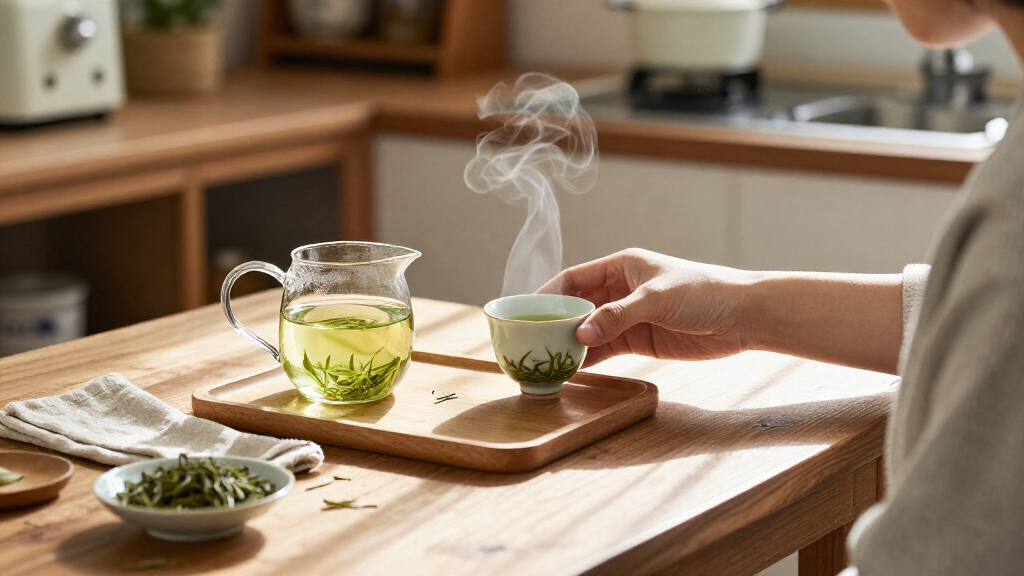
I evaluated these fifteen products based on leaf integrity, origin transparency, and brewing versatility. The ranking prioritizes teas that deliver a clean, vibrant green color and distinct umami notes without excessive astringency. I compared convenience formats against quality metrics, noting where pre-portioned sachets compromised leaf structure. Products were also assessed for their ability to withstand multiple infusions, a key indicator of grade in Japanese green tea.
| sencha green tea | Tea type |
|---|---|
| Harney & Sons Japanese Sencha | Japanese sencha green tea |
| Sajimoto Tea Japanese Green Te | Fukamushi Sencha blended with Matcha |
| BJDesign HAJIME Organic Japane | Sencha green tea |
| Harney & Sons Japanese Sencha | Japanese Sencha green tea |
| ITO EN Oi Ocha Green Tea Bags | — |
| Japanese Sencha Loose Leaf Gre | Sencha green tea |
| KAZAEMON Chiran Gold Fukamushi | Fukamushi sencha (deep-steamed) |
| Yamami Kyoto Uji Organic Japan | Sencha green tea |
| One With Tea Organic Japanese | Japanese sencha green tea |
| FGO Organic Sencha Green Tea | Sencha green tea |
| Rishi Organic Japanese Sencha | Sencha green tea |
| ChaYeah Sencha Green Tea | — |
| Yamasan Kyoto Uji First-Harves | Japanese sencha green tea |
| Ocha & Co. Organic Japanese Se | Sencha green tea |
| TOMOSAN Deep-Steamed Japanese | Sencha green tea |
Factors to Consider When Choosing Best Sencha Green Tea
Choosing the right sencha goes beyond brand recognition. These factors determine whether your cup tastes like fresh spring grass or stale hay.
Leaf Grade and Integrity
The physical state of the leaf dictates the infusion speed and flavor release. Whole leaf sencha unfolds slowly, releasing complex aromatics over multiple steeps, whereas broken leaf or fanning infuses quickly but can turn bitter if over-steeped. Many sachet products contain ‘dust’ or ‘fannings,’ which are byproducts of processing high-grade leaves. While convenient, these particles offer less control and often lack the nuanced sweetness of intact leaves. If you buy loose leaf, ensure you have a fine-mesh strainer, as small fragments will escape standard infusers. Prioritize products that specify ‘whole leaf’ or ‘first flush’ if flavor depth is your priority.
Steaming Method: Asamushi vs. Fukamushi
Japanese sencha is categorized by steaming time, which dramatically alters the cup profile. Asamushi (shallow-steamed) retains a brighter, more astringent character with higher caffeine clarity, appealing to those who enjoy a crisp finish. Fukamushi (deep-steamed) breaks down cell walls, resulting in a cloudier, sweeter, and more umami-forward brew with less bitterness. Beginners often prefer Fukamushi for its forgiving nature, as it is harder to over-extract harsh tannins. Conversely, experienced drinkers might choose Asamushi for its complexity and vibrant green hue. Understanding this distinction helps you select a tea that matches your palate’s tolerance for bitterness.
Packaging and Freshness Retention
Green tea degrades rapidly upon exposure to light, air, and heat. Opaque, airtight tins or vacuum-sealed bags are superior to clear plastic pouches or cardboard boxes. I recommend avoiding products that do not list a ‘best by’ date or harvest year, as sencha loses its vibrant grassy notes within six to twelve months. Foil-lined inner bags provide the best barrier against moisture and oxidation. If you purchase large quantities, consider transferring the tea to a dedicated opaque canister immediately after opening. Proper storage extends the shelf life and preserves the delicate polyphenols that define quality sencha.
Convenience vs. Control
Sachets and tea bags offer speed but limit extraction control. Premium pyramid sachets allow leaves to expand better than traditional flat bags, bridging the gap between convenience and quality. However, they still restrict water flow compared to loose leaf. For office use or travel, high-quality sachets are acceptable, provided the leaf grade is not ‘dust.’ If you brew at home, loose leaf allows you to adjust water temperature and steep time precisely. This control is essential for maximizing the sweetness of lower-temperature brews. Decide if the time saved by a bag is worth the slight compromise in aromatic complexity.
Origin Specificity
Generic labels like ‘Japanese Green Tea’ often mask blends of varying quality. Region-specific sencha from areas like Uji, Yame, or Shizuoka tends to have distinct terroir characteristics. Uji is famous for umami, while Shizuoka offers balanced sweetness. Products that omit the specific prefecture or garden are likely blended for consistency rather than unique character. If you seek a specific flavor profile, look for single-origin claims. This transparency usually correlates with higher production standards and better quality control. Blends are not inherently bad, but they rarely offer the distinctiveness of a single-estate harvest.
Frequently Asked Questions
What is the ideal water temperature for brewing sencha?
Most premium sencha requires water between 140°F and 160°F (60°C–70°C). Using boiling water scorches the delicate leaves, releasing excessive tannins that create a bitter, astringent cup. To achieve the correct temperature, pour boiling water into a cup first, then transfer it to the teapot or infuser. This cooling step is critical for unlocking the sweet, umami notes found in high-grade leaves. Lower temperatures also preserve the vibrant green color of the liquor.Can I reuse sencha leaves for a second steep?
Yes, high-quality loose leaf sencha is designed for multiple infusions, typically up to three or four steeps. The second steep often reveals different flavor dimensions, such as increased sweetness or roasted notes, as different compounds extract at different rates. For the second infusion, use slightly hotter water and shorten the steeping time to prevent bitterness. This practice significantly increases the value of your tea purchase. However, cheap tea bags or dust-grade leaves usually lack the structural integrity to yield a pleasant second cup.What is the difference between sencha and matcha?
Sencha is a steeped leaf tea, while matcha is a stone-ground powder made from shade-grown leaves. Sencha involves infusing whole or rolled leaves in water, resulting in a clear liquor with a balanced astringency and sweetness. Matcha is whisked directly into water, creating an opaque suspension with a much higher concentration of caffeine and L-theanine. Sencha offers a lighter, more refreshing daily drink, whereas matcha is denser and more ceremonial. They are distinct products with different preparation methods and flavor profiles, not interchangeable substitutes.How long does sencha stay fresh after opening?
Sencha begins to lose its vibrant aroma and flavor within weeks of opening, especially if exposed to air and light. For best results, consume within three to six months of opening the package. Store it in a cool, dark place in an airtight, opaque container to slow oxidation. You will notice a shift from bright, grassy notes to duller, hay-like aromas as the tea ages. While it remains safe to drink, the quality degradation is noticeable to the palate, particularly in premium grades.Is deep-steamed (Fukamushi) sencha better than regular sencha?
Neither is objectively better; it depends on your flavor preference. Fukamushi sencha is darker, cloudier, and has a stronger umami and sweetness with less bitterness, making it ideal for beginners or those sensitive to astringency. Regular Asamushi sencha is brighter, more aromatic, and has a cleaner finish, appealing to those who enjoy complex floral or vegetal notes. If you find standard green tea too bitter, switch to Fukamushi. If you prefer a crisp, refreshing cup, stick with Asamushi. Your choice should align with your desired sensory experience.Conclusion
Selecting the best sencha green tea depends on your brewing habits and flavor preferences. For most drinkers, Harney & Sons Japanese Sencha offers the best balance of quality and convenience, making it the ideal choice for daily rituals. If you prioritize maximum umami and ease of brewing, KAZAEMON Chiran Gold Fukamushi Sencha is the superior premium option. Beginners should start with ITO EN Oi Ocha for its consistent, mild profile and low barrier to entry. Those seeking authentic single-origin depth should look toward Yamami Kyoto Uji or BJDesign HAJIME loose leaf options. Evaluate your tolerance for bitterness and your willingness to use loose leaf tools to make the final decision.
Black Friday Picks

Instant Pot Pro 8-Quart 10-in-1 Electric Pressure Cooker, Black
As an affiliate, we earn on qualifying purchases.