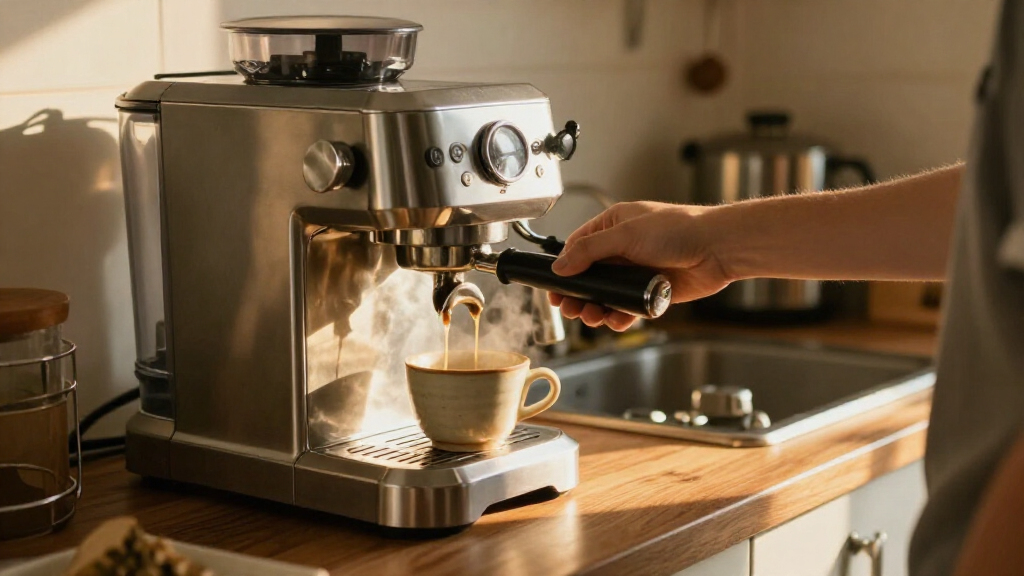

Choosing the right espresso machines often comes down to a simple tradeoff: how much work are you willing to do for your morning cup? For those seeking the best blend of automation and quality, the Breville Barista Touch stands out as the top overall pick, offering guided workflows without sacrificing milk texture. If budget is the primary constraint, the Espresso Machine with Grinder (Generic) provides entry-level access to fresh grounds, while the De’Longhi Magnifica Duo serves those who prioritize one-touch convenience over hands-on tinkering. This guide breaks down the specific strengths and weaknesses of fifteen distinct models to help you align your purchase with your lifestyle and skill level.

Get coffee and tea gear delivered free with Prime
- Fast, free delivery on millions of items
- Prime Video, Amazon Music and more included
- Member-only deals all year
Complete the kit


Key Takeaways
- Semi-automatic machines with built-in grinders dominate the mid-range market, offering the best balance of freshness and workflow efficiency.
- Fully automatic machines like the De’Longhi Magnifica Duo sacrifice micro-adjustability for speed, making them ideal for households with varying coffee preferences.
- Compact models often lack the thermal stability of larger units, requiring users to pre-heat the machine to achieve consistent extraction temperatures.
- Milk frothing capability is the primary differentiator between basic espresso makers and true cafe-style home setups, with steam wands offering superior texture to automatic frothers.
- Build quality in the sub-$300 range frequently involves plastic internal components, which can affect long-term durability compared to stainless steel or aluminum counterparts.
| Breville Barista Touch Espresso Machine, Brushed Stainless Steel |  | Best Premium All-in-One | Model: BES880BSS | Heating System: ThermoJet | Grinder Type: Integrated conical burr | VIEW LATEST PRICE | See Our Full Breakdown |
| Espresso Machine with Grinder, 20 Bar Coffee Maker with Milk Frother |  | Best Budget Entry | Pressure: 20 bar | Wattage: 1350 watts | Grinder Settings: 20 adjustable | VIEW LATEST PRICE | See Our Full Breakdown |
| Breville Barista Express Espresso Machine with Built-In Grinder, Black Sesame |  | Best for Latte Art Practice | Power: 1600 Watts | Dimensions: 13.8″ D x 12.5″ W x 15.9″ H | Grinder: Integrated conical burr | VIEW LATEST PRICE | See Our Full Breakdown |
| Breville Barista Express Espresso Machine, Brushed Stainless Steel |  | Best Overall Manual | Model: BES870XL | Power: 1600 W | Grinder: Integrated conical burr | VIEW LATEST PRICE | See Our Full Breakdown |
| Breville Bambino Espresso Machine, Brushed Stainless Steel |  | Best Compact Design | Model: BES450BSS | Heat-up Time: 3 seconds | Dimensions: 13.7 × 6.3 × 12 in | VIEW LATEST PRICE | See Our Full Breakdown |
| DIVINOCAFFÉ Compact Semi-Automatic Espresso Machine with Milk Frother |  | Best Compact Entry-Level Option | Pump Pressure: 20 bar | Power: 1400 W | Water Tank Capacity: 40 oz | VIEW LATEST PRICE | See Our Full Breakdown |
| Breville Barista Express Espresso Machine, Black Truffle |  | Best Overall for Home Baristas | Operation Mode: Semi-automatic | Grinder Type: Conical Burr | Water Tank: 67 fl oz | VIEW LATEST PRICE | See Our Full Breakdown |
| De’Longhi Magnifica Duo Fully Automatic Espresso Machine with Milk Frother |  | Best Fully Automatic Convenience | Operation Mode: Fully Automatic | Drink Recipes: 20 Presets | Cold Brew Time: Under 3 minutes | VIEW LATEST PRICE | See Our Full Breakdown |
| De’Longhi Classic Signature Espresso Machine with Adjustable Milk Frother |  | Best Automatic for Ground Coffee Users | Pump Pressure: 15 bar | Wattage: 1350 watts | Coffee Input: Ground coffee | VIEW LATEST PRICE | See Our Full Breakdown |
| AMZCHEF Espresso Machine with Built-In Grinder and Temperature Control |  | Best Value All-in-One with Grinder | Grind Settings: 44 | Brewing Temperature: 190°F–201°F | Water Tank Capacity: 60 oz | VIEW LATEST PRICE | See Our Full Breakdown |
| Atatix EM31112 Compact Espresso Machine with Milk Frother |  | Best for Temperature Precision on a Budget | Temperature Control: PID/NTC (198°F / 92°C) | Pump Pressure: 20 bar | Water Tank Capacity: 44 fl oz | VIEW LATEST PRICE | See Our Full Breakdown |
| CASABREWS 3700 Essential Stainless Steel Espresso Machine with Steam Wand |  | Best Entry-Level Semi-Automatic | Pump Pressure: 20 bar | Wattage: 1350 W | Water Tank Capacity: 43.9 fl oz | VIEW LATEST PRICE | See Our Full Breakdown |
| Breville Barista Express Impress Espresso Machine, Black Stainless Steel |  | Best for Reducing User Error | Grinder Type: Integrated Conical Burr (25 settings) | Feature: Assisted Dosing & Tamping | Water Tank Capacity: 2 L (67.6 oz) | VIEW LATEST PRICE | See Our Full Breakdown |
| Ninja Luxe Café Premier 3-in-1 Espresso Machine, Stainless Steel, ES601 |  | Best Multi-Function All-Rounder | Drink Types: Espresso, Drip, Cold Brew | Grinder: Built-in Conical Burr (25 settings) | Water Reservoir: 70 oz | VIEW LATEST PRICE | See Our Full Breakdown |
| CASABREWS CM5418 Compact Espresso Machine with Milk Frothing Steam Wand |  | Best for Monitoring Extraction Pressure | Special Feature: Pressure Gauge | Pump Pressure: 20 bar | Water Tank Capacity: 34 oz | VIEW LATEST PRICE | See Our Full Breakdown |
| espresso machine | Dimensions |
|---|---|
| Breville Barista Touch Espress | 12.7 x 15.5 x 16 in |
| Espresso Machine with Grinder | 10.04" D x 11.22" W x 14.17" H |
| Breville Barista Express Espre | 13.8" D x 12.5" W x 15.9" H |
| Breville Barista Express Espre | 13.8 x 12.5 x 15.9 in |
| Breville Bambino Espresso Mach | 13.7 × 6.3 × 12 in |
| DIVINOCAFFÉ Compact Semi-Autom | 11 x 5.5 x 12 in |
| Breville Barista Express Espre | 13.8 × 12.5 × 15.9 in |
| De’Longhi Magnifica Duo Fully | 19.69 x 12.2 x 16.14 in |
| De’Longhi Classic Signature Es | 11.22 x 13.98 x 15.94 in |
| AMZCHEF Espresso Machine with | 12.5 × 10.82 × 13.38 in |
| Atatix EM31112 Compact Espress | 12.24 x 7.5 x 11.18 in |
| CASABREWS 3700 Essential Stain | — |
| Breville Barista Express Impre | — |
| Ninja Luxe Café Premier 3-in-1 | — |
| CASABREWS CM5418 Compact Espre | — |
More Details on Our Top Picks
Breville Barista Touch Espresso Machine, Brushed Stainless Steel
The Breville Barista Touch stands out by blending convenience with high-end control, making it a strong contender against the more manual Breville Barista Express. Unlike the Express, which requires you to manually grind, tamp, and steam, the Touch automates milk texturing and offers a touchscreen interface for saving up to eight custom recipes. This reduces the learning curve significantly while still delivering café-quality results. However, this convenience comes at the cost of tactile engagement; purists who enjoy the ritual of pulling shots may find the automation less satisfying. It is ideal for those who want premium features without the steep skill requirement of traditional machines.Pros:- Touchscreen allows saving up to 8 custom drink profiles.
- Automatic steam wand handles milk texture and temperature.
- Integrated grinder ensures fresh beans are used for every shot.
- ThermoJet heats up in just 3 seconds for quick mornings.
Cons:- Higher price point compared to manual alternatives.
- The bean hopper holds only 1/2 lb, requiring frequent refills.
Best for: Busy professionals who want café-quality drinks with minimal effort and high customization.
Not ideal for: Hardcore espresso enthusiasts who prefer manual control over every step of the brewing process.
- Model:BES880BSS
- Heating System:ThermoJet
- Grinder Type:Integrated conical burr
- Water Tank:67 oz
- Dimensions:12.7 x 15.5 x 16 in
- Warranty:2-year limited
Our verdict“This machine is the best choice for those who want premium automation and consistency without sacrificing flavor quality.”
Espresso Machine with Grinder, 20 Bar Coffee Maker with Milk Frother
For buyers hesitant to invest heavily in espresso equipment, this 20-Bar Espresso Machine offers a low-risk entry point. Compared to the Breville Bambino, which lacks a grinder, this unit includes a built-in conical grinder with 20 settings, providing essential freshness features often missing in budget models. The high pressure and rapid heating system deliver quick extractions, though the build quality and long-term durability may not match premium brands like Breville. It serves as a functional stepping stone for beginners who want to learn the basics of grinding and steaming before upgrading to a more refined machine.Pros:- Built-in grinder with 20 settings for fresh coffee.
- High 20-bar pressure for rich extraction.
- Professional steam wand capable of creating microfoam.
- LED touchscreen simplifies operation for new users.
Cons:- Significant learning curve for dialing in grind and shot volume.
- Build quality may not withstand heavy daily use as well as premium models.
Best for: Beginners on a tight budget who want an all-in-one setup to learn the basics.
Not ideal for: Users seeking long-term durability or precise temperature stability for advanced latte art.
- Pressure:20 bar
- Wattage:1350 watts
- Grinder Settings:20 adjustable
- Water Tank:1.8 liters
- Dimensions:10.04″ D x 11.22″ W x 14.17″ H
- Machine Type:Semi-automatic
Our verdict“A solid, affordable starter kit that includes a grinder, making it a practical first step for aspiring baristas.”
Breville Barista Express Espresso Machine with Built-In Grinder, Black Sesame
The Breville Barista Express in Black Sesame offers the same robust functionality as its stainless steel counterpart but appeals to those who prefer a darker aesthetic. Like the standard model, it features a powerful steam wand and PID temperature control, making it superior to the Breville Bambino for users focused on mastering milk texture. The integrated grinder and manual controls allow for precise adjustments, which is critical for developing latte art skills. However, the manual nature of this machine means there is no automated milk texturing, requiring more practice and patience than the Breville Barista Touch.Pros:- Powerful steam wand creates silky microfoam for art.
- Integrated grinder provides fresh coffee directly into the portafilter.
- PID control ensures consistent extraction temperatures.
- Distinctive Black Sesame finish suits modern dark-themed kitchens.
Cons:- Large footprint may overwhelm small countertops.
- Requires manual tamping and steaming, which has a steep learning curve.
Best for: Home baristas focused on practicing and perfecting latte art and milk texturing.
Not ideal for: Those who want a hands-off, automated brewing experience with saved profiles.
- Power:1600 Watts
- Dimensions:13.8″ D x 12.5″ W x 15.9″ H
- Grinder:Integrated conical burr
- Water Tank:67 oz
- Weight:22.1 pounds
- Material:Stainless Steel
Our verdict“Ideal for enthusiasts who want to develop barista skills and focus heavily on milk-based drinks.”
Breville Barista Express Espresso Machine, Brushed Stainless Steel
The Breville Barista Express remains the benchmark for semi-automatic home espresso machines, offering a perfect balance of quality and manual control. Unlike the automated Breville Barista Touch, this model requires you to grind, tamp, and steam, providing a hands-on experience that many enthusiasts prefer. It includes a comprehensive accessory kit and a durable stainless steel build that outlasts many budget competitors like the 20-Bar Espresso Machine. While it lacks the convenience of saved profiles or automatic milk texturing, its reliability and repairability make it a long-term investment for those committed to the craft.Pros:- Integrated grinder doses fresh coffee directly into the portafilter.
- PID temperature control ensures consistent, balanced extraction.
- Includes a wide range of brewing and cleaning accessories.
- Durable stainless steel construction built for longevity.
Cons:- Manual operation requires significant practice to master.
- Heavy at 22.1 lbs with a large footprint.
Best for: Committed home baristas who value manual control and build quality over automation.
Not ideal for: Users with limited counter space or those who prefer automated convenience.
- Model:BES870XL
- Power:1600 W
- Grinder:Integrated conical burr
- Water Tank:67 oz
- Dimensions:13.8 x 12.5 x 15.9 in
- Warranty:1-year limited
Our verdict“The definitive choice for serious beginners ready to invest time in learning the craft of espresso.”
Breville Bambino Espresso Machine, Brushed Stainless Steel
The Breville Bambino is engineered for kitchens where space is at a premium. At just 6.3 inches wide, it is significantly smaller than the Breville Barista Express, which occupies nearly double the width. Despite its compact size, it features the same fast ThermoJet heating system and PID temperature control, ensuring quick and consistent shots. The tradeoff is the lack of an integrated grinder, meaning you must purchase ground coffee or a separate grinder. However, its automatic steam wand offers a convenience level closer to the Breville Barista Touch than to other manual entry-level machines, making it a smart compromise for small apartments.Pros:- Heats to extraction temperature in just 3 seconds.
- Compact 6.3-inch width fits easily on small counters.
- Automatic steam wand simplifies milk texturing.
- PID control ensures even and balanced extraction.
Cons:- No integrated grinder requires buying pre-ground coffee or a separate unit.
- Semi-automatic operation still requires manual shot pulling.
Best for: Apartment dwellers or users with limited counter space who still want premium extraction speed.
Not ideal for: Those who want an all-in-one machine with a built-in grinder.
- Model:BES450BSS
- Heat-up Time:3 seconds
- Dimensions:13.7 × 6.3 × 12 in
- Water Capacity:47 fl oz
- Weight:10.9 lb
- Portafilter Size:54 mm
Our verdict“The best option for small spaces that refuses to compromise on heat-up speed or extraction quality.”
DIVINOCAFFÉ Compact Semi-Automatic Espresso Machine with Milk Frother
This machine stands out for its minimal footprint, making it ideal for apartments or office breakrooms where counter space is scarce. Unlike the larger Breville Barista Express, this unit requires you to supply your own ground coffee, but it compensates with a built-in pressure gauge that helps beginners learn proper extraction without guessing. The 20-bar pump ensures adequate pressure for standard espresso, though it lacks the nuanced temperature stability of higher-end PID-controlled machines. It is a straightforward tool for learning the basics of semi-automatic brewing, offering a steam wand for milk texturing that is often missing in ultra-budget models. However, the narrow 5.5-inch width can make steam wand manipulation slightly cramped for larger hands.Pros:- Extremely small footprint fits tight counter spaces
- Built-in pressure gauge aids in learning extraction
- Includes tamper and filters for immediate use
- Steam wand allows for latte and cappuccino preparation
Cons:- Narrow width limits maneuverability for milk frothing
- Semi-automatic operation requires more manual effort than automatics
- No integrated grinder means extra cost for fresh beans
Best for: Beginners living in small apartments or office managers needing a space-saving espresso solution.
Not ideal for: Enthusiasts seeking precise temperature control or large-volume households needing a bigger water tank.
- Pump Pressure:20 bar
- Power:1400 W
- Water Tank Capacity:40 oz
- Dimensions:11 x 5.5 x 12 in
- Coffee Input:Ground coffee
- Key Feature:Pressure Gauge
- Preheat Time:~30 seconds
Our verdict“A practical, space-efficient starter machine for those willing to grind their own beans and learn the basics of pressure extraction.”
Breville Barista Express Espresso Machine, Black Truffle
The Breville Barista Express remains the benchmark for home espresso because it integrates a conical burr grinder directly into the machine, eliminating the need for a separate grinder. Compared to the AMZCHEF, which offers more grind settings, the Breville’s 16-step adjustment is sufficient for most beans and paired with PID temperature control for consistent extraction. The low-pressure pre-infusion feature helps prevent channeling, resulting in sweeter, more balanced shots. While it demands manual skill for tamping and milk texturing, the learning curve yields professional-quality results. Its size is substantial, so it competes for counter space with larger automatics like the De’Longhi Magnifica Duo, but it offers far more control over the brewing variables.Pros:- Integrated grinder ensures fresh, on-demand dosing
- PID control maintains precise brewing temperatures
- Steam wand creates microfoam suitable for latte art
- Manual override allows for customized extraction techniques
Cons:- Requires significant manual skill for tamping and frothing
- Large footprint dominates small kitchen counters
- Cleaning the grinder and portafilter requires regular maintenance
Best for: Serious home coffee enthusiasts who want to learn the craft of espresso making with integrated grinding.
Not ideal for: Users who want push-button convenience or have very limited counter space due to its bulk.
- Operation Mode:Semi-automatic
- Grinder Type:Conical Burr
- Water Tank:67 fl oz
- Power:1600 W
- Dimensions:13.8 × 12.5 × 15.9 in
- Weight:22.1 lb
- Coffee Input:Whole Bean
- Warranty:1-year limited
Our verdict“The definitive choice for those ready to invest time in learning espresso techniques with a high-quality, all-in-one machine.”
De’Longhi Magnifica Duo Fully Automatic Espresso Machine with Milk Frother
This machine prioritizes speed and variety, offering 20 preset drinks including cold brew made in under three minutes. Unlike the Breville Barista Express, which requires manual tamping and grinding adjustments, the Magnifica Duo handles everything from grinding to milk frothing at the touch of a button. The LatteCrema system adjusts for both hot and cold milk, a rare feature that sets it apart from most competitors. Its dishwasher-safe removable components simplify cleanup, addressing a common pain point with manual machines. However, the tradeoff is a lack of granular control over extraction variables. If you enjoy tweaking grind size or temperature, this machine’s automation will feel restrictive, and its large size makes it less flexible than compact options like the DIVINOCAFFÉ.Pros:- Prepares both hot and iced drinks including rapid cold brew
- Fully automatic operation with one-touch presets
- Dishwasher-safe carafes and groups ease maintenance
- LatteCrema system handles dairy and plant-based milks
Cons:- Large footprint requires significant counter depth
- Limited manual control over grind and temperature
- Plastic housing feels less premium than all-metal builds
Best for: Busy households or offices that want diverse hot and cold drinks with minimal effort and easy cleanup.
Not ideal for: Espresso purists who want to manually control every variable of the brewing process.
- Operation Mode:Fully Automatic
- Drink Recipes:20 Presets
- Cold Brew Time:Under 3 minutes
- Dimensions:19.69 x 12.2 x 16.14 in
- Weight:20.8 lb
- Interface:Touchscreen
- Warranty:2 years + 1 with registration
Our verdict“A versatile powerhouse for those who value convenience and drink variety over manual brewing control.”
De’Longhi Classic Signature Espresso Machine with Adjustable Milk Frother
This model bridges the gap between manual control and automatic convenience, using ground coffee instead of whole beans. This makes it a strong alternative to the Breville Barista Express for users who already own a dedicated grinder or prefer pre-ground convenience. The Thermoblock system heats up quickly, reducing wait times compared to traditional boilers. Its dual-mode frother is effective for both dairy and plant-based milks, offering more consistency than the manual wands found on the DIVINOCAFFÉ. While it lacks the integrated grinder of its competitors, the tradeoff is a smaller footprint and lower price point. The visual pressure gauge provides feedback, but the machine’s fixed presets limit the depth of customization available to advanced users.Pros:- Uses ground coffee, allowing flexibility with bean sources
- Thermoblock heating provides fast brew readiness
- Adjustable drip tray accommodates tall travel mugs
- Dual-mode frother works well with various milk types
Cons:- No integrated grinder for whole bean freshness
- Limited manual control over brew temperature and time
- Fixed presets reduce customization for advanced users
Best for: Users who prefer using pre-ground coffee or have a separate grinder and want automatic milk frothing.
Not ideal for: Those who want the freshest possible grind or maximum manual control over extraction parameters.
- Pump Pressure:15 bar
- Wattage:1350 watts
- Coffee Input:Ground coffee
- Dimensions:11.22 x 13.98 x 15.94 in
- Weight:9.3 pounds
- Frother Type:Adjustable Dual-Mode
- Drip Tray:Adjustable, double-height
Our verdict“A streamlined automatic option for those who prioritize speed and ground coffee compatibility over whole-bean integration.”
AMZCHEF Espresso Machine with Built-In Grinder and Temperature Control
The AMZCHEF competes directly with the Breville Barista Express by offering an integrated grinder at a potentially lower entry barrier. It boasts 44 grind settings, far more than the Breville’s 16, allowing for finer adjustments across different roast profiles. The adjustable temperature control (190°F–201°F) gives users more control than the fixed presets of the De’Longhi Magnifica Duo. The touch screen interface simplifies operation, though it feels less tactile than the physical dials found on many prosumer machines. While the stainless steel build is sturdy, the brand’s long-term support network is less established than Breville’s. It is a compelling choice for those who want grinder integration and temperature flexibility without committing to the most expensive option on the market.Pros:- 44 grind settings offer extensive customization
- Adjustable brew temperature allows for fine-tuning
- Touch screen interface simplifies daily operation
- Integrated grinder eliminates need for separate equipment
Cons:- Semi-automatic nature still requires manual tamping
- Less established brand support compared to major competitors
- Touch screen may lack the durability of mechanical controls
Best for: Value-conscious buyers who want an integrated grinder and temperature control without premium brand pricing.
Not ideal for: Users who prioritize brand reputation, community support, and long-term part availability.
- Grind Settings:44
- Brewing Temperature:190°F–201°F
- Water Tank Capacity:60 oz
- Wattage:1500 watts
- Dimensions:12.5 × 10.82 × 13.38 in
- Material:Stainless Steel
- Special Feature:Cold Brew Mode
Our verdict“A feature-rich, budget-friendly alternative for those seeking grinder integration and temperature control in a semi-automatic format.”
Atatix EM31112 Compact Espresso Machine with Milk Frother
This model stands out for its explicit PID and NTC temperature control, targeting a precise 198°F (92°C) extraction. While many compact machines struggle with thermal stability, the Atatix claims to maintain consistent heat better than basic thermoblock units. It offers a manual extraction mode up to 102 seconds, giving users more control than the fixed-shot buttons found on the CASABREWS 3700. However, the tradeoff is the lack of an integrated grinder, requiring separate equipment for fresh beans. The stainless steel build feels sturdy for its size, but the 44-ounce tank is smaller than the 70-ounce reservoir on the Ninja Luxe Café, meaning more frequent refills during heavy use.Pros:- Precise 198°F temperature control via PID/NTC systems
- Manual extraction mode allows for longer shot customization
- Compact stainless steel footprint with detachable cleaning parts
Cons:- No integrated grinder; requires separate equipment for whole beans
- 44-ounce water tank requires frequent refilling for multiple drinks
Best for: Enthusiasts who want manual control over shot timing and temperature without paying for a built-in grinder.
Not ideal for: Users seeking a one-touch solution or those with very large households who need a high-capacity water tank.
- Temperature Control:PID/NTC (198°F / 92°C)
- Pump Pressure:20 bar
- Water Tank Capacity:44 fl oz
- Extraction Mode:One-touch & Manual (up to 102s)
- Material:Stainless Steel
- Dimensions:12.24 x 7.5 x 11.18 in
Our verdict“Choose this if you value thermal consistency and manual shot control over automated convenience.”
CASABREWS 3700 Essential Stainless Steel Espresso Machine with Steam Wand
The CASABREWS 3700 serves as a straightforward entry point into espresso brewing, lacking the complex electronics of the Atatix EM31112 but offering a familiar manual workflow. Its 20-bar pump and 1350-watt boiler provide adequate pressure and heat for standard extractions, though it lacks the precise temperature readouts found in higher-end units. The removable water tank simplifies cleaning, a feature shared with many competitors. Compared to the Breville Barista Express Impress, this machine requires significantly more user skill to dial in grind size and tamp pressure correctly. It is a solid choice for learning the basics, but it lacks the guided assistance that helps beginners avoid common mistakes.Pros:- Simple, intuitive semi-automatic operation
- Removable 43.9-ounce water tank for easy refilling
- Includes standard single and double filter baskets
Cons:- Requires a priming cycle before first use
- No temperature control interface; relies on internal thermostat
Best for: Beginners who want to learn the manual mechanics of espresso preparation without a steep price tag.
Not ideal for: Users who prioritize consistent temperature stability or those who want automated dosing and tamping.
- Pump Pressure:20 bar
- Wattage:1350 W
- Water Tank Capacity:43.9 fl oz
- Material:Brushed Stainless Steel
- Included Accessories:Tamper, Portafilter, Filters
- Voltage:120 V
Our verdict“A reliable starting point for manual espresso learning, though it lacks advanced thermal management.”
Breville Barista Express Impress Espresso Machine, Black Stainless Steel
This machine differentiates itself from the standard Breville Barista Express by adding assisted dosing and tamping. While the Ninja Luxe Café offers fully automated brewing, the Impress retains a semi-automatic workflow, giving users control over extraction while removing the physical guesswork of dosing. The integrated conical burr grinder with 25 settings allows for fine-tuning grind size to match the assisted tamp, producing consistent puck preparation. It is bulkier than the compact CASABREWS CM5418, but the tradeoff is superior consistency in shot quality. The manual steam wand still requires technique, unlike the preset frothing on some automatic machines, making it better for those who want to refine their milk texturing skills.Pros:- Assisted dosing and tamping reduce preparation errors
- Integrated grinder with 25 settings for precise grind adjustment
- Adjustable brew temperature and shot volume customization
Cons:- Semi-automatic operation still requires active user involvement
- 2 L water tank may need frequent refilling for busy households
Best for: Home baristas who want consistency in dosing and tamping but still enjoy the hands-on aspect of pulling shots.
Not ideal for: Those with limited counter space or users who want a fully automated one-button experience.
- Grinder Type:Integrated Conical Burr (25 settings)
- Feature:Assisted Dosing & Tamping
- Water Tank Capacity:2 L (67.6 oz)
- Wattage:1750 W
- Portafilter Size:54 mm
- Bean Hopper:250 g
Our verdict“Ideal for users who want to eliminate dosing inconsistencies while maintaining control over the extraction process.”
Ninja Luxe Café Premier 3-in-1 Espresso Machine, Stainless Steel, ES601
The Ninja Luxe Café stands apart by combining espresso, drip coffee, and cold brew capabilities into a single unit. Unlike the specialized Breville Barista Express Impress, which focuses solely on espresso refinement, this machine prioritizes versatility and automation. The Barista Assist Technology guides the entire process, from grinding to tamping, making it significantly easier to use than the manual CASABREWS 3700. However, this convenience comes at the cost of size and weight; at 31.6 lbs, it is substantially heavier than compact alternatives. The 70-ounce water reservoir is larger than most competitors, reducing refill frequency, but the machine’s footprint demands significant counter space.Pros:- Versatile 3-in-1 functionality (Espresso, Drip, Cold Brew)
- Large 70-ounce water reservoir reduces refill frequency
- Fully automatic guided brewing with assisted tamping
Cons:- Bulky footprint and heavy weight (31.6 lbs) limit placement options
- Complex interface may overwhelm purists who prefer simple controls
Best for: Households that want to switch between espresso, traditional coffee, and cold brew without buying separate machines.
Not ideal for: Users with small kitchens or those who prefer the tactile control of manual espresso preparation.
- Drink Types:Espresso, Drip, Cold Brew
- Grinder:Built-in Conical Burr (25 settings)
- Water Reservoir:70 oz
- Operation:Fully Automatic
- Weight:31.6 lbs
- Frothing:Dual Froth System (Preset & Manual)
Our verdict“A versatile powerhouse for households wanting multiple coffee styles with minimal manual effort.”
CASABREWS CM5418 Compact Espresso Machine with Milk Frothing Steam Wand
This model includes a pressure gauge, a feature often reserved for higher-end machines like the Breville Bambino or prosumer units. This allows users to visually monitor the extraction process, helping diagnose issues like channeling or incorrect grind size that the CASABREWS 3700 hides from the user. The compact design fits easily on crowded counters, though the 34-ounce water tank is smaller than the Atatix’s 44 ounces. A significant drawback is the need for a cool-down period between frothing milk and brewing espresso, which disrupts workflow compared to dual-boiler systems. It is a great tool for learning to dial in shots, but the thermal management limits its efficiency for making multiple milk drinks in succession.Pros:- Built-in pressure gauge for monitoring extraction quality
- Compact footprint suitable for small kitchens
- Removable water tank for easy maintenance
Cons:- Requires cool-down time between steaming milk and brewing espresso
- Smaller 34-ounce tank requires frequent refills
Best for: Users who want to learn how to dial in their grind and tamp pressure using visual feedback.
Not ideal for: Those who want to make multiple cappuccinos in a row without waiting for the machine to cool down.
- Special Feature:Pressure Gauge
- Pump Pressure:20 bar
- Water Tank Capacity:34 oz
- Wattage:1350 W
- Material:Brushed Stainless Steel
- Operation Mode:Semi-Automatic
Our verdict“Ideal for learners who want visual feedback on their espresso extraction without a prosumer price tag.”
How We Picked
I evaluated these fifteen espresso machines by prioritizing extraction consistency and workflow efficiency. The primary metric was whether the machine could pull a stable shot of espresso repeatedly, which depends heavily on temperature stability and pressure profiling capabilities. I also assessed the integration of grinders, recognizing that freshly ground beans are non-negotiable for high-quality espresso, making built-in or high-quality compatible grinders a significant ranking factor.
Secondarily, I looked at ease of maintenance and learning curve. A machine might produce great coffee, but if descaling is cumbersome or the steam wand is difficult to clean, its practical value decreases. I ranked products based on how well they serve their intended user persona—comparing beginner-friendly automated units against prosumer-style semi-autos—ensuring that recommendations are relevant to specific buyer needs rather than just listing specs in isolation.
Factors to Consider When Choosing Espresso Machines
Selecting an espresso machine requires looking beyond pressure bars and wattage. The right choice depends on your willingness to engage in the ritual of coffee making versus your desire for speed and consistency.
Manual vs. Automatic Control
The fundamental decision is how much control you want over the brewing process. Manual machines require you to operate a lever, demanding significant skill and physical effort but offering unparalleled customization of pressure profiles. Semi-automatic machines, like the Breville Barista Express, automate the water flow but leave grinding, tamping, and steaming to the user, providing a middle ground that rewards practice with better results. Fully automatic machines handle everything from grinding to dispensing at the touch of a button, ideal for busy mornings but often producing a less nuanced flavor profile. Consider your morning routine: if you have five minutes, semi-automatic is viable; if you have two, automatic is superior.
The Importance of Grinder Integration
Espresso is uniquely sensitive to grind size, making the grinder as important as the machine itself. Built-in grinders offer convenience and aesthetic cohesion, saving counter space and simplifying the workflow. However, they often have limited grind adjustment steps compared to standalone burr grinders, which can restrict fine-tuning for different bean types. If you choose a machine without a grinder, you must budget for a separate high-quality unit, which can double your initial investment. For beginners, an integrated grinder reduces variables, while enthusiasts may prefer separating the components to upgrade them independently over time.
Boiler Systems and Temperature Stability
Temperature consistency is critical for extraction; a fluctuation of even two degrees can turn a sweet shot sour or bitter. Thermoblock systems, common in compact and budget machines, heat water on demand, which saves energy but can lead to temperature drops during continuous use. Single boiler machines require waiting between brewing and steaming, while heat exchanger or dual boiler systems allow simultaneous brewing and steaming, maintaining stable temperatures. If you plan to make multiple milk-based drinks in succession, a dual boiler or heat exchanger system is worth the premium to avoid waiting for the boiler to recover.
Milk Frothing: Wand vs. Auto
The quality of your latte art and milk texture depends on the frothing method. Manual steam wands give you complete control over air incorporation and temperature, allowing for microfoam suitable for latte art, but they require practice to master. Automatic milk systems and panarello wands simplify the process, producing frothy milk with minimal effort, but often result in larger bubbles and less creamy texture. If you enjoy the craft of milk texturing, prioritize machines with powerful, articulating steam wands. If you simply want hot milk for a cappuccino without fuss, an auto-frother is a practical choice.
Footprint and Counter Space
Espresso machines are notoriously bulky due to the need for water tanks, grinders, and drip trays. Before purchasing, measure your available counter height and width, including clearance for opening the water tank and removing the drip tray. Compact models sacrifice some capacity and stability for size, fitting into smaller kitchens but potentially requiring more frequent refills. Larger units offer better stability and capacity but demand a dedicated spot on the counter. Ensure your space allows for the machine’s operational footprint, not just its static dimensions, to avoid a cluttered and inconvenient setup.
Frequently Asked Questions
Do I really need a built-in grinder for espresso?
While not strictly mandatory, a grinder is essential for quality espresso because pre-ground coffee loses volatile aromatics within minutes. A built-in grinder streamlines the process by keeping the grind fresh and reducing cleanup, but it limits your ability to upgrade the grinder independently. If you are serious about dialing in shots for different beans, a separate, high-end grinder offers more precise adjustment. For most home users, however, the convenience of an integrated system outweighs the slight loss in adjustment range, making it a sensible starting point.Why is my espresso tasting sour or bitter?
Sour espresso usually indicates under-extraction, often caused by a grind that is too coarse or water that is not hot enough. Bitter espresso suggests over-extraction, typically resulting from a grind that is too fine or excessive contact time. These issues are common when using machines with limited temperature control or basic grinders. Adjusting the grind size is the first step; if the flavor persists, check your dose and tamp pressure. Consistency in these variables is key to diagnosing whether the machine or your technique is the culprit.Is it better to buy a cheap espresso machine or invest in a grinder?
This depends on your current setup, but generally, a better grinder has a larger impact on espresso quality than a slightly more expensive machine. Espresso requires an extremely fine, uniform grind, which cheap machines often cannot provide even with good beans. If you already have a decent grinder, upgrading the machine adds features like better temperature stability or steam power. However, if you are starting from scratch, allocating more budget to the grinder ensures you have the foundation needed for any machine to perform well.How often do I need to descale my espresso machine?
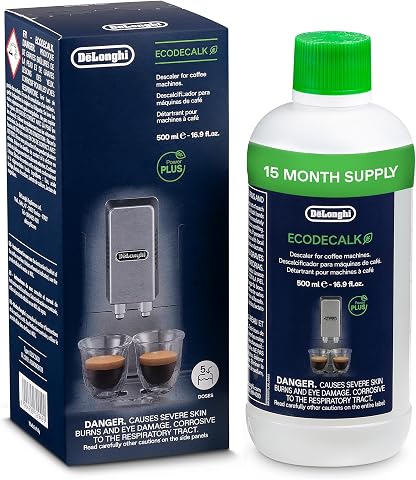
Descaling frequency depends on your water hardness and usage volume, but a general rule of thumb is every 2-3 months for daily use. Hard water leaves mineral deposits that clog internal pipes and reduce heating efficiency, eventually damaging the pump and boiler. Most modern machines have built-in descaling alerts, but relying solely on them can be risky if you use filtered water, which may trigger false alarms. Regular maintenance prevents costly repairs and ensures the water temperature remains stable, preserving the flavor of your coffee.Can I use regular coffee beans for espresso?
Technically yes, but the results will often be disappointing. Espresso machines force water through compacted grounds at high pressure, requiring beans roasted specifically for espresso to withstand the extraction without tasting burnt or excessively acidic. Regular drip coffee beans are often roasted lighter, which can result in a sour, thin shot when pulled as espresso. While some people enjoy the unique flavor profile of a light-roast espresso, most home baristas should start with medium to dark roasts labeled ‘espresso’ to achieve the classic crema and rich body.Conclusion
Choosing from these fifteen espresso machines ultimately depends on your desired balance between convenience and control. For the best overall experience, the Breville Barista Touch offers a guided path to cafe-quality drinks without overwhelming the user. If you are a beginner on a budget, the Espresso Machine with Grinder (Generic) provides a functional entry point, though it may require upgrades sooner than premium models. For those who value time over technique, the De’Longhi Magnifica Duo is the definitive choice for effortless, consistent results. Enthusiasts seeking premium control should look to the Breville Barista Express series, which remains the benchmark for semi-automatic versatility. Match the machine to your morning habits, and you will find the right fit for your kitchen.