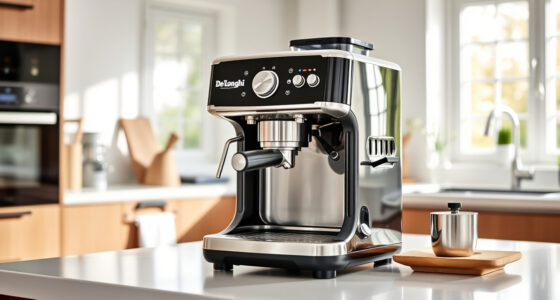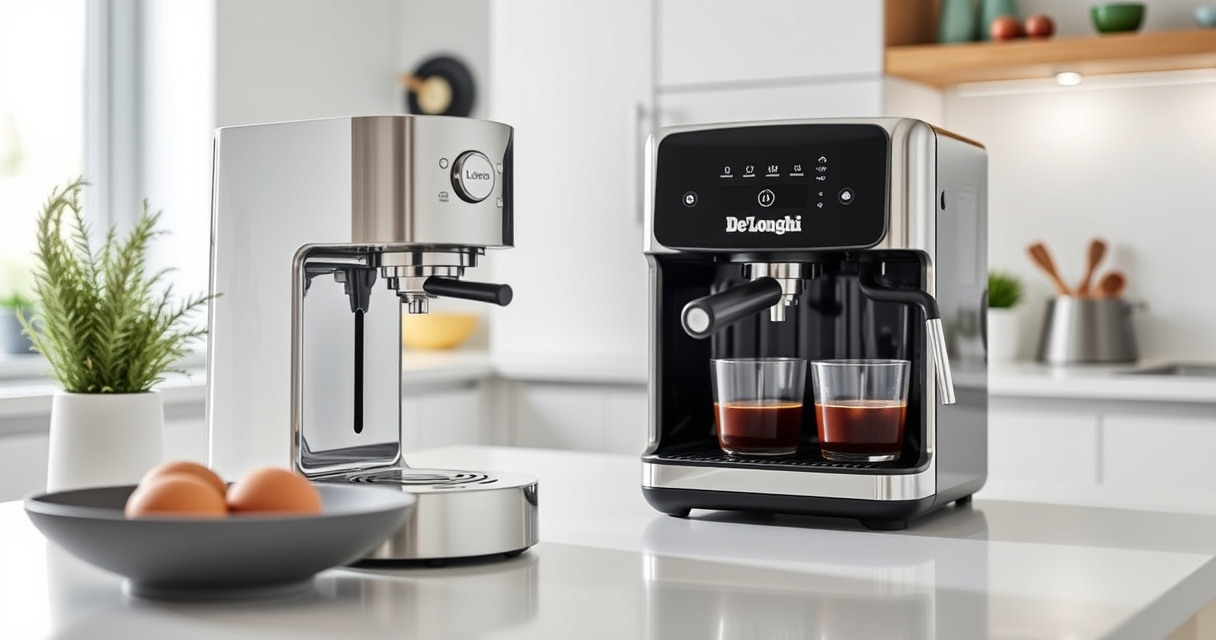
If your De’Longhi espresso machine is leaking water, it can disrupt your brewing routine and cause potential damage. Fortunately, most leaks are fixable with some basic troubleshooting and maintenance. In this guide, we’ll walk you through practical steps to identify the cause and resolve water leaks safely, ensuring your machine functions perfectly for your favorite coffee drinks.

Get coffee and tea gear delivered free with Prime
- Fast, free delivery on millions of items
- Prime Video, Amazon Music and more included
- Member-only deals all year
Before starting, ensure your machine is unplugged and cooled down to prevent any injuries or further damage. With patience and careful inspection, you’ll be able to restore your espresso maker to optimal performance.
Key Takeaways
| Identify the leak source | Check hoses, seals, and water tank for cracks or improper fit. |
| Regular maintenance helps | Descale and replace filters to prevent mineral build-up that causes leaks. |
| Replace worn parts | Seals and gaskets deteriorate over time and need replacement. |
| Handle water tanks carefully | Ensure tanks are properly seated and free of cracks. |
| Use quality water filters | Improve water quality to prevent lime scale and leaks. |
Identify the Source of the Leak
- Begin by unplugging your machine and allowing it to cool completely.
- Inspect the water tank for cracks or warping, and ensure it is seated correctly in its compartment.
- Check for water pooling around the machine’s base or drip tray to pinpoint the leak area.
- Follow the internal water lines (if visible) to see if any hoses are loose, cracked, or disconnected.
- Examine the gaskets and seals around the water tank, brew group, and water outlet for signs of wear or damage.
Clean and Descale Your Machine
Mineral deposits from hard water can cause blockages and leaks over time. Regular descaling helps prevent this issue. Use a descaling solution compatible with your model, such as the De’Longhi EcoDecalk Descaler, following the manufacturer’s instructions. Typically, this involves running the solution through the machine’s brew cycle and rinsing thoroughly afterward.
Cleaning the water tank and filters regularly also ensures no buildup causes improper sealing or leaks.
Replace or Repair Damaged Parts
If you’ve identified cracked or worn seals, gaskets, or hoses, replacing them is crucial. Use genuine replacement parts like the De’Longhi Replacement Water Filter to maintain optimal performance. Carefully remove the damaged component, following your machine’s manual, and install the new one, ensuring a snug fit.
For gaskets or seals, apply a small amount of food-safe gasket sealant if recommended by the manufacturer, but only if suitable for espresso machines. Always ensure parts are compatible with your model.
Reassemble and Test the Machine
After replacing damaged parts and cleaning, reassemble your machine carefully. Ensure the water tank is seated correctly and securely, with no gaps or misalignments.
Plug in the machine, turn it on, and run a test brew without coffee to check if the leak persists. Observe carefully for any water escaping from the repaired areas. If the leak stops, your fix is successful. If not, repeat the inspection process or consider professional servicing.
Prevent Future Leaks
- Descale regularly to prevent lime scale buildup that can cause blockages and pressure issues.
- Replace water filters periodically to ensure clean water flow.
- Handle water tanks gently and avoid overfilling.
- Inspect hoses and seals every few months for signs of wear.
- Follow your machine’s maintenance schedule as outlined in the user manual.
The Products in This Guide
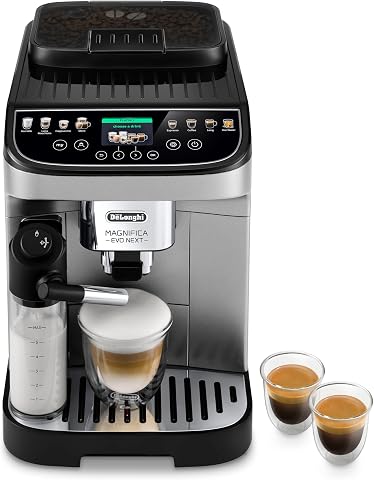
De’Longhi Magnifica Evo Next Fully Automatic Espresso Ma
- ✔ Water Capacity: 1.8 liters
- ✔ Grind Settings: 13
- ✔ Frothing System: LatteCrema Hot System

De’Longhi Replacement Water Filter
- ✔ Filter Life: 2 months
- ✔ Material: Resin and carbon
- ✔ Compatibility: Select De’Longhi models
De’Longhi Magnifica Evo Next Fully Automatic Espresso Ma
<p>The De’Longhi Magnifica Evo Next is a popular super-automatic espresso machine known for its programmable features, built-in grinder, and milk frother. While generally reliable, occasional leaks can occur due to worn seals or mineral buildup.</p><p>Following proper maintenance and troubleshooting steps can help prevent and fix leaks, ensuring your machine continues to produce quality coffee.</p>
Pros:
- Easy to use with one-touch recipes
- Built-in grinder with multiple settings
- Automatic milk frother for lattes and cappuccinos
- Customizable drink options
Cons:
- Can develop water leaks over time
- Requires regular descaling
- Parts may need replacement eventually
Best for: Home baristas who want a convenient, fully automatic espresso experience
Not ideal for: Users seeking a manual espresso machine or minimal maintenance
Bottom line: A versatile espresso maker that combines convenience with quality—just keep an eye on maintenance to prevent leaks.
De’Longhi Replacement Water Filter
Using a high-quality water filter like the De’Longhi Replacement Water Filter can significantly reduce mineral deposits and lime scale buildup, which are common causes of leaks and performance issues in espresso machines.
Pros:
- Improves water taste
- Prevents lime scale
- Easy to install
- Extends machine lifespan
Cons:
- Requires regular replacement
- Additional cost
- Specific to certain models
Best for: Maintaining optimal water quality and preventing leaks
Not ideal for: If your machine does not support this filter
Bottom line: A simple upgrade that can prevent many water-related issues and improve your coffee’s flavor.
Frequently Asked Questions
Why is my De’Longhi espresso machine leaking water?
Leaks can be caused by cracked water tanks, worn seals or gaskets, loose hoses, or mineral buildup inside the machine. Proper inspection, cleaning, and parts replacement usually resolve these issues.
How often should I descale my espresso machine?
It’s recommended to descale every 1-3 months, depending on your water hardness and usage frequency. Using a descaling solution like De’Longhi EcoDecalk helps maintain performance and prevent leaks.
Can I fix water leaks myself or should I call a professional?
Many minor leaks can be fixed at home by inspecting and replacing seals or cleaning mineral deposits. However, if you’re unsure or the leak persists after troubleshooting, professional servicing is advisable.
What tools do I need to fix a leak in my De’Longhi machine?
Basic tools like screwdrivers, replacement seals or gaskets, and descaling solutions are usually sufficient. Always consult your user manual for specific instructions and safety precautions.
How can I prevent future water leaks?
Regular cleaning, descaling, replacing water filters, handling water tanks gently, and inspecting hoses periodically can greatly reduce the risk of leaks.
Keep Your Coffee Brewing Smoothly
Handling a leaking De’Longhi espresso machine doesn’t have to be daunting. With careful inspection, routine maintenance, and timely part replacements, you can keep your machine functioning at its best. Remember, consistent cleaning and descaling are key to preventing leaks and ensuring your favorite coffee drinks taste great every time.
By following these steps and using quality replacement parts, you’ll extend your machine’s lifespan and enjoy delicious espresso without interruption.
Affiliate disclosure: As an Amazon Associate we earn from qualifying purchases. Prices and availability are accurate as of the time of publishing.
Fall Picks
fall essentials
As an affiliate, we earn on qualifying purchases.