TL;DR
Coffee makers with built-in grinders grind beans and brew in one appliance, saving counter space and simplifying your morning. For a better cup, match the grinder settings to your brewing style, keep beans and equipment clean, and check the machine’s capacity and maintenance needs before buying.
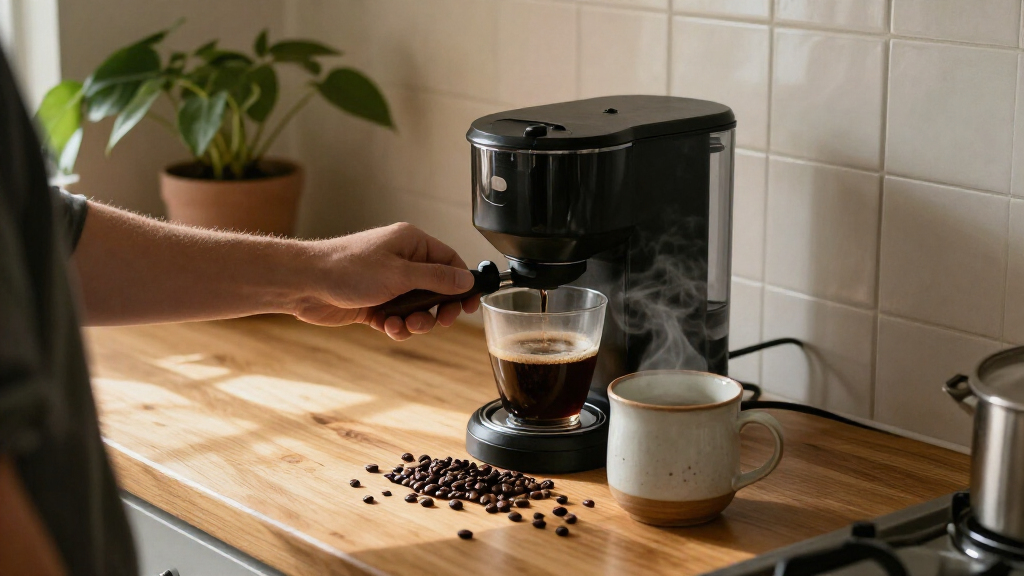
The grinder starts with a low whirr, the kitchen fills with the warm smell of crushed beans, and your coffee begins brewing without another appliance on the counter. Coffee makers with built-in grinders combine two morning steps, which can make freshly ground coffee easier to fit into a busy routine.

Get coffee and tea gear delivered free with Prime
- Fast, free delivery on millions of items
- Prime Video, Amazon Music and more included
- Member-only deals all year
That convenience comes with choices. A built-in grinder can save space, yet it also means one machine needs to handle both grinding and brewing—and both jobs need cleaning. You’ll learn how grinder type and settings affect flavor, what features are useful in everyday life, and how to tell whether an all-in-one machine fits the way you make coffee.
The right model depends on what lands in your mug. If you make a full pot before work, you’ll want different features from someone who pulls espresso or brews one cup at a time.
Choose a built-in burr grinder with an adjustment range that suits your brewing method.
Check whether the machine makes drip coffee, single servings, or espresso before assuming it can do all three.
Keep only a near-term supply of beans in the hopper and store the rest airtight, cool, dry, and away from sunlight.
Look for clear cleaning instructions and accessible parts; follow the manufacturer’s guidance for grinder care and descaling.
Compare counter space, grinding noise, repair options, and daily capacity alongside coffee features.
What You Gain When Grinding and Brewing Happen Together
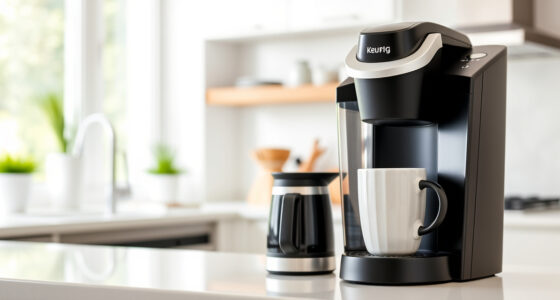
A coffee maker with a built-in grinder grinds whole beans inside the machine, then sends the grounds into its brewing system. That can cut down on steps and counter clutter, especially if you want drip coffee ready before work. You add beans, choose your settings, and let the machine handle the rest.
For example, imagine a small kitchen where the toaster, kettle, and lunch boxes already crowd the counter. One combination machine can replace a separate drip brewer and grinder. Its timer may also let you prepare the night before, though you should check whether it grinds just before brewing or holds ground coffee in the basket.
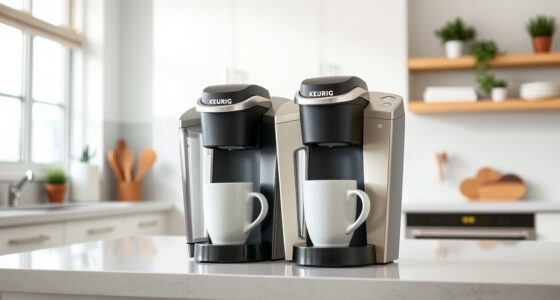
All-in-one does not mean one size fits all. Some models focus on drip coffee and a carafe; others offer single servings or espresso. Before comparing controls or touchscreens, decide what you actually brew. People who want a simple pot in the morning may value capacity and an insulated carafe more than a long list of specialty settings.
The tradeoff is that both jobs share one appliance. If the grinder needs repair, your brewer may also be out of action. A separate grinder can be replaced or upgraded on its own, while a built-in design asks you to weigh fewer steps and less clutter against more involved repairs.
Products Worth Considering

Cuisinart Freeze Ease Automatic Ice Cream Maker, 1 Quart

De'Longhi Magnifica Duo Fully Automatic Espresso Machine with Milk Frother, Silver

Ninja Foodi Smart 6-in-1 Indoor Grill and Air Fryer, 4 Qt, FG551
As an affiliate, we earn on qualifying purchases.
Choose a Burr Grinder for More Consistent Grounds
For most coffee drinkers, a burr grinder is the better choice because it crushes beans into grounds that are generally more even in size than a blade grinder produces. More consistent grounds give hot water a steadier path through the coffee, which can help your cup taste more balanced. Grinder design and quality still vary, so the word “burr” alone does not promise a great result.
A blade grinder works like a tiny food chopper: it spins sharp blades that break beans into a mix of fine dust and larger pieces. Burrs act more like adjustable rollers. If you’re making a pot of drip coffee, uneven pieces can extract at different rates, leaving some of the brew bitter while other parts taste thin.
Look for adjustable grind settings as well as grinder type. A French press usually calls for a coarser grind than drip coffee, while espresso requires a much finer one. A machine with only a few settings may work well for its intended brew style but offer less room to tune the flavor. On a quiet Saturday, you might try one setting finer, brew the same beans, and notice a fuller cup—or more bitterness if you go too far.
Some coffee makers with built-in grinders describe their burrs as conical or flat. Either design can work; focus on grind range, consistency, and the brew method the machine supports. Fresh grinding helps, but it cannot rescue stale beans or an unsuitable grind.
Match the Machine to the Coffee You Actually Make
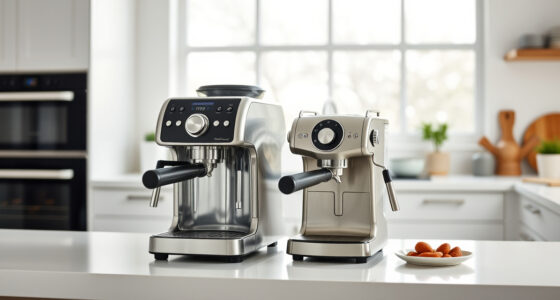
The best coffee maker is the one built for your preferred brewing method, because drip coffee, French press, and espresso need different grinds and controls. A drip model may have a useful medium grind range but lack the fine adjustment, dosing, and pressure controls that espresso needs. Check the brewing method in the specifications instead of assuming that a grinder makes any machine an espresso maker.
Here’s a practical comparison: a household that pours three mugs before school may want a carafe and a timer; someone living alone may prefer a single-cup option that avoids leftover coffee. A coffee enthusiast who switches between French press and drip should check whether the grinder has enough range to serve both. The brew method sets the job for the grinder.
| What you brew | Features to check | Everyday example |
|---|---|---|
| Drip coffee | Carafe size, brew strength, grind adjustment | A full pot ready before the morning rush |
| Single servings | Small-batch support, cup size control | One fresh mug without brewing a half-full pot |
| French press | Coarse grind setting and easy adjustment | Changing the setting for a slower weekend brew |
| Espresso | Espresso-specific brewing, fine adjustment, dose control | Pulling a concentrated shot for a milk drink |
Coffee makers with more options can appeal to households with different routines, but extra buttons only help if you use them. For example, a programmable clock might be a daily convenience, while a touchscreen is just another surface to wipe. Prioritize capacity, timing, and adjustments that match your habits.
Protect Fresh Flavor From the Hopper to the Cup
Freshly ground coffee can smell vivid and sweet, but a built-in grinder alone does not guarantee a flavorful cup. Beans lose quality as they meet air, light, heat, and moisture, while water quality, brewing temperature, grind, and dose also shape the result. Think of coffee like a freshly sliced apple: cutting it just before eating helps, but leaving it exposed still changes what you taste.
Many machines keep beans in a hopper for convenience. If you refill it to the brim and then make coffee only on weekends, those beans may sit exposed longer than needed. Keep a small working amount in the hopper and store the rest in an airtight container in a cool, dry place away from sunlight. For instance, a daily drinker might add a few days’ worth at a time instead of emptying a large bag into the machine.
Use the machine’s grind and brew controls to make small changes. If a pot tastes harsh, try a slightly coarser setting or reduce the brew strength; if it tastes weak, check the coffee dose and grind before blaming the beans. Changing one thing at a time makes the result easier to understand. Fresh beans, a suitable grind, clean equipment, and good water work together.
Hard water can leave mineral deposits inside the brewer, which may affect performance over time. Follow the manufacturer’s directions for descaling and cleaning, since methods differ across machines. As the machine draws water through its brew path, minerals can quietly build up like chalk on a kettle.
Check Cleaning, Noise, and Space Before You Buy
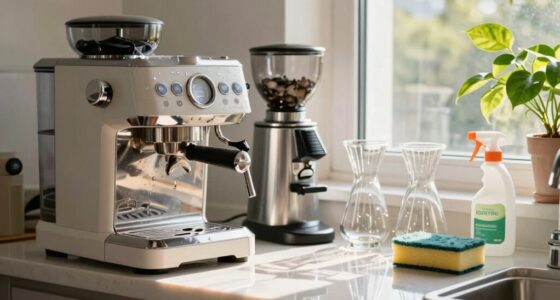
A built-in grinder needs care along with the brew basket and water path, so cleaning access can make a real difference to daily use. Loose grounds and coffee oils build up over time. A removable hopper or accessible burrs can make routine care more manageable, while a machine with hidden parts may take more effort to clean thoroughly.
Picture a weekday morning: you brew coffee, pull out the basket, and spot damp grounds around the grinder chute. If the manual gives clear cleaning instructions and the relevant pieces come out easily, a quick tidy feels manageable. If parts are hard to reach, residue may linger and affect the taste. Follow the manufacturer’s schedule, and do not wash grinder parts with water unless the instructions say it is safe.
Grinding also adds noise. The grinder often runs at the start of the brew cycle, when a quiet kitchen might matter to someone still asleep down the hall. Models differ in sound, so check reviews for real-world notes if noise is a concern. Size matters too: a machine that replaces two appliances can still be tall or deep enough to crowd a small counter.
Compare the full routine before you decide: capacity, brewing time, timer, single-cup support, cleaning access, noise, and warranty. Convenience is personal. If you brew a full carafe every morning, an integrated setup may earn its space; if you make one cup now and then, a smaller brewer and separate grinder could be easier to store and maintain.
Use This Five-Step Check to Pick Your Machine
Start with how you brew, then compare the machine’s grinder, controls, cleaning, and fit in your kitchen. A short checklist keeps shiny extras from distracting you from the features that shape your daily cup. For example, if you drink drip coffee with a partner, a carafe and easy-to-clean burr grinder may matter more than espresso settings.
- Name your brew style. Decide whether you want drip, single servings, French press flexibility, or espresso.
- Check the grinder. Compare burr or blade design, the available grind range, and how easily you can adjust it.
- Match capacity to your routine. Think about cups per day, carafe size, brewing time, and whether a timer would help.
- Inspect cleaning access. Look for clear instructions, removable parts where useful, and guidance for descaling.
- Measure the tradeoffs. Consider noise, counter space, price, warranty, and access to replacement parts.
Then check whether the model accepts pre-ground coffee if you sometimes use decaf or a specialty blend. Some machines let you disable the grinder; others have a different setup, so read the manual before you buy. That small detail can matter when guests bring their own coffee or you want a quick decaf pot.
Finally, compare real features rather than feature counts. More settings can help you adjust a brew, but only if they suit your method and you know how to use them. Choose for your routine, not for a control panel you’ll never touch.
Frequently Asked Questions
Are coffee makers with built-in grinders worth it?
They can be worth it if you value fresh grinding, fewer steps, and less counter clutter. If you want more flexibility or easier repairs, separate machines may suit you better.
Do built-in grinders make better coffee?
They can improve convenience and let you grind just before brewing, but they do not guarantee better flavor. Bean freshness, grind consistency, water, dose, brew temperature, and clean equipment all matter.
Can I use pre-ground coffee in a machine with a built-in grinder?
Some models let you switch off the grinder and add pre-ground coffee; others work differently. Check the manual before buying if you want that option for decaf or occasional specialty coffee.
How often should I clean the grinder?
Follow the manufacturer’s cleaning schedule. Remove loose grounds and clean residue as directed, and avoid using water on grinder parts unless the instructions allow it.
Can a coffee maker with a built-in grinder make espresso?
Only if the machine is designed for espresso brewing. Check for espresso-specific brewing features and sufficiently fine grind adjustment; a drip coffee maker with a grinder is not automatically an espresso machine.
How should I store beans if my machine has a hopper?
Keep only the amount you expect to use soon in the hopper. Store the rest in an airtight container in a cool, dry place away from sunlight, heat, and moisture.
Conclusion
Pick the machine for the coffee you make most often. A built-in grinder can turn a cluttered, multi-step routine into one simple start button, but good flavor still depends on the beans, grind, water, and a clean brewer. Check the grinder range and cleaning access before you buy.
When the kitchen is quiet and that first fresh, warm aroma rises from the cup, the right machine will feel less like another gadget and more like a small, useful ritual.