
TL;DR
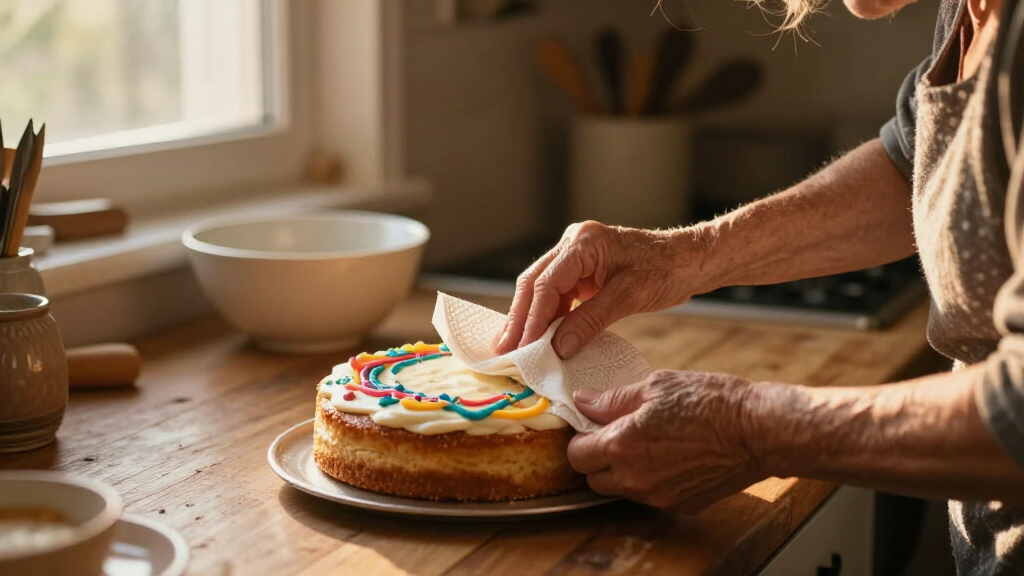
A baking technique involving paper towels, developed by a grandmother five decades ago, has gained renewed attention for its cleverness in cake decorating. This method, simple yet effective, highlights the enduring value of traditional baking hacks. The origin and current popularity of this trick are confirmed, but its widespread adoption and variations remain ongoing topics.
A baking technique developed by a grandmother over 50 years ago involving the strategic use of paper towels for decorating cakes has resurfaced, capturing the interest of home bakers and professionals alike. Confirmed by those familiar with the story, this simple method offers an innovative approach to cake decoration that requires minimal tools. Its rediscovery underscores the enduring appeal of traditional baking hacks and highlights the importance of preserving culinary heritage.

Get coffee and tea gear delivered free with Prime
- Fast, free delivery on millions of items
- Prime Video, Amazon Music and more included
- Member-only deals all year
Why It Matters
This rediscovery highlights the value of traditional, low-cost baking techniques that can be adapted for contemporary use. For home bakers, especially those with limited resources, such methods offer accessible ways to improve cake presentation. It also emphasizes the importance of culinary heritage and how family recipes or tricks can remain relevant across generations. The trick’s popularity on social media demonstrates a broader trend of re-examining and revitalizing vintage cooking and baking methods, fostering a sense of community and shared knowledge among baking enthusiasts.Products Worth Considering

Vitamix 62827 Vita-Prep Blender, Black, 32 oz

Weber Q 1400 Portable Electric Grill, Gray

Vitamix S50 S-Series Personal Blender, Black
As an affiliate, we earn on qualifying purchases.
Historical Roots and Revival of the Paper Towel Technique
The technique originated in the early 1970s within a family baking tradition, passed down from grandmother to granddaughter. It gained informal popularity through word-of-mouth and was used mainly in home kitchens for smoothing frosting or creating textured effects. Over the decades, more advanced tools and decorating techniques emerged, causing this method to fade from common use. However, recent social media posts and baking blogs have brought it back into the spotlight, with users praising its simplicity and effectiveness. The resurgence aligns with a broader movement of appreciating vintage and DIY baking methods, especially amid increased interest in home cooking during recent years.Extent of Adoption and Variations of the Technique
It is not yet clear how widespread the use of this paper towel trick has become beyond initial social media posts. Variations of the method are still emerging, and some bakers may adapt or modify the technique based on personal preferences or specific cake designs. The original instructions and whether they have evolved over time remain uncertain, as many users are experimenting with different moisture levels and pressing techniques.Potential for Broader Adoption and Future Variations
Baking communities are likely to continue experimenting with and refining the technique, possibly leading to new tutorials or workshops. As more bakers share their results and adaptations online, the method may become a staple in vintage-inspired cake decorating. Additionally, culinary historians and baking educators might explore the origins and variations of this trick, further integrating it into contemporary baking culture. Monitoring social media and baking forums will reveal how this technique evolves and whether it influences new decorating trends.Key Questions
How exactly does the paper towel trick work?
The method involves dampening a paper towel slightly and gently pressing it onto the surface of a frosted cake. This helps smooth out imperfections or create textured effects, resulting in a polished appearance without specialized tools.
Is this technique suitable for all types of cake frosting?
It works best with buttercream or similar soft frostings. Very delicate or heavily whipped frostings may not respond as well, and moisture levels should be carefully controlled to avoid melting or damaging the frosting.
Can I use any type of paper towel?
It is recommended to use a clean, uncolored, and soft paper towel to prevent lint or color transfer onto the cake surface.
Are there any risks or downsides to this method?
If the paper towel is too damp, it may cause the frosting to become too moist or even tear. Proper moisture control and gentle pressing are essential to avoid damaging the cake.
Will this trick work on fondant or only buttercream?
This technique is primarily suited for buttercream or similar soft frostings. It is not recommended for fondant, which requires different smoothing methods.
Source: rss