
TL;DR
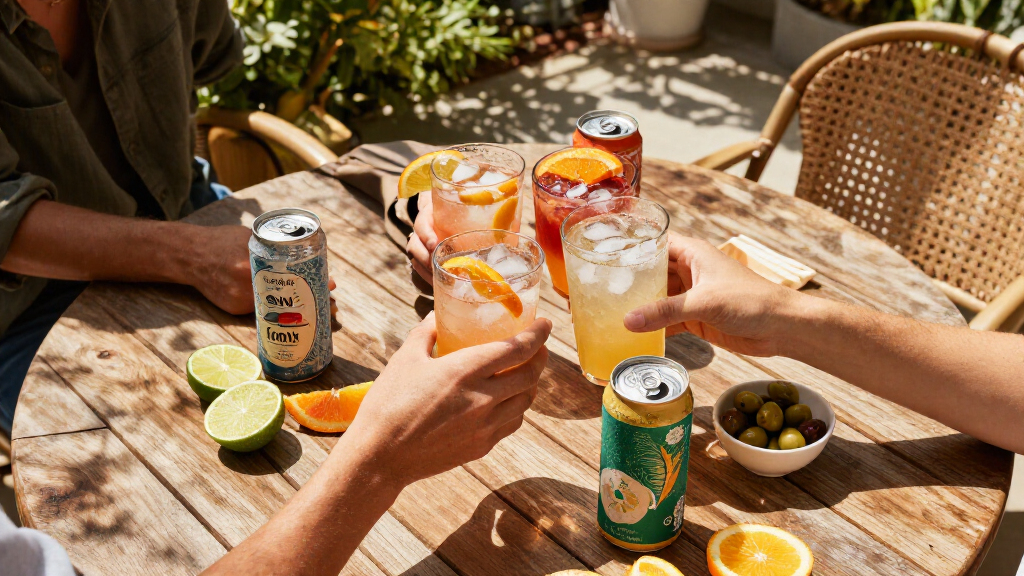
The Kitchn food and beverage writer Mackenzie Filson reported taste-testing more than 50 canned mocktails and selected six standouts. Her picks span familiar cocktail styles and a botanical wildcard; the article reflects one reviewer’s preferences, not a controlled or independently verified ranking.
The Kitchn’s Mackenzie Filson says she taste-tested more than 50 canned mocktails and picked six she would recommend, covering margarita, mojito, Negroni and spritz styles as well as a herbal tangerine drink and a sparkling option. The review offers readers a short list in a crowded nonalcoholic-drink category, but its judgments are one writer’s tasting impressions, not the results of a formal consumer survey.

Get coffee and tea gear delivered free with Prime
- Fast, free delivery on millions of items
- Prime Video, Amazon Music and more included
- Member-only deals all year
Filson’s selected drinks include Free Spirit Nonalcoholic Margarita, which she praised for tartness and a salty, jalapeño-like note, and Ish Nonalcoholic Mojito, which she described as minty and lime-forward, with a rum-like flavor backbone. Those descriptions are subjective assessments from her review; the supplied material does not include ingredient analysis or independent testing.
For bitter and aperitif-style flavors, Filson chose St. Agrestis Phony Negroni, citing herbal juniper, bitter orange and floral notes. Her spritz selection was Ghia Sumac & Chili Le Spritz, which she said begins with heat and develops a tangy sumac flavor. The review also singled out Mockly Herbal Tangerine Elixir, previously called Eye Opener, as a less alcohol-like, herbal option featuring tangerine and basil.
The sixth pick is Figlia Fiore Frizzante, presented as a splurge. The source excerpt ends during Filson’s description of that drink, so it does not provide the full tasting notes or price. The article also carries a disclosure that The Kitchn may earn a commission if readers buy products through its links, and says prices were accurate at publication.
A Shortlist for Alcohol-Free Drinks
The review gives shoppers a set of six specific products to investigate rather than requiring them to sample the full range themselves. Its picks cover several familiar cocktail profiles, which may help readers looking for an alcohol-free drink with bitterness, spice, citrus or herbal flavors instead of a sweet soda-like alternative.
Filson also cautions that some nonalcoholic drinks can taste close to their alcoholic counterparts. That distinction may matter to people who prefer to avoid familiar alcohol-like flavors during sobriety or recovery. The source does not make medical claims or offer clinical guidance; readers should treat the review as a product guide and choose according to their own needs.
Products Worth Considering

Cuisinart Air Fryer Toaster Oven Combo, 7-in-1, 0.6 cu. ft., Stainless Steel, TOA-55

Le Creuset Stainless Steel Roasting Pan with Nonstick Rack, 16.25 x 13.25 in

Weber Q 1400 Portable Electric Grill, Gray
As an affiliate, we earn on qualifying purchases.
How Filson Chose the Drinks
Filson is a food and beverage writer whose work, according to the author biography in the source, has appeared in outlets including PUNCH, Eater, The Kitchn and TASTE. She frames the tasting as part of years spent sampling and creating alcoholic drinks for work, followed by a decision to take a pause. Her article argues that canned mocktails can be drinks in their own right, not merely substitutes to hold at social gatherings.
The reported tasting covered more than 50 products from a variety of brands, but the excerpt does not explain how the products were sourced, whether the tasting was blind, or how the final six were scored. It lists five category labels in the visible text—margarita, mojito, Negroni, spritz and wildcard—while also naming Figlia Fiore Frizzante as a splurge. The source material therefore supports a six-product shortlist, but not a detailed methodology or a full ranking of all 50-plus drinks.
““I taste-tested over 50 different canned mocktails from a variety of brands, with six really standing out.””
— Mackenzie Filson, The Kitchn reviewer
Testing Details Still Missing
The supplied article text does not state the publication’s calendar date; its page excerpt says it was updated “about 1 hour ago,” which is relative to the capture time and cannot establish a date. It also does not disclose the full tasting protocol, the complete list of products tested, or criteria used to narrow the field to six.
Prices and availability may change, and the source’s statement that prices were accurate applies only at publication. The excerpt does not provide nutrition facts, alcohol-testing results, or the full tasting description for Figlia Fiore Frizzante. Readers should check current packaging and product information rather than infer those details from the review.
Check Current Product Details
The next practical step for shoppers is to compare the named drinks with current retailer listings and package labels, including price, ingredients and any relevant dietary information. The Kitchn’s disclosure says it may earn a commission from purchases made through its links, so availability and listed prices should be checked at the point of purchase.
No follow-up testing, expanded ranking or update schedule is stated in the supplied material. Until the article provides more methodology or new results, its six selections remain editorial recommendations from one reviewer, rather than a definitive assessment of the canned mocktail market.
Key Questions
Which canned mocktails did The Kitchn reviewer select?
Mackenzie Filson named Free Spirit Nonalcoholic Margarita, Ish Nonalcoholic Mojito, St. Agrestis Phony Negroni, Ghia Sumac & Chili Le Spritz, Mockly Herbal Tangerine Elixir and Figlia Fiore Frizzante.
How many canned mocktails were taste-tested?
Filson says she tried more than 50 drinks from a variety of brands. The supplied excerpt does not give the full product list or a detailed testing method.
Are these rankings based on a formal blind test?
The source does not say whether the tasting was blind, provide a scoring system, or describe a controlled comparison. The selections should be understood as the reviewer’s personal recommendations.
Do the drinks necessarily contain no alcohol?
The article describes the products as nonalcoholic or booze-free, but the supplied material does not report laboratory testing or provide each product’s alcohol-content details. Check the current label and manufacturer information if alcohol content is a concern.
Source: thekitchn.com