TL;DR
The Kitchn reports that a chef advised a writer to keep a small handheld vacuum for kitchen and dining-area crumbs, then wipe surfaces damp to remove sticky residue. The writer has not yet bought the recommended vacuum, so the report is a personal account of the tip, not a test showing measured cleaning-time savings.
The Kitchn has reported a chef’s practical kitchen-cleaning tip: use a small handheld vacuum reserved for the kitchen and dining area to pick up loose crumbs before wiping surfaces. The writer said she had not yet bought one, so the article presents the advice and colleagues’ experiences rather than a tested comparison with paper towels or conventional wiping.

Get coffee and tea gear delivered free with Prime
- Fast, free delivery on millions of items
- Prime Video, Amazon Music and more included
- Member-only deals all year
The chef friend told the writer to keep a vacuum strictly for the dining room and kitchen. The suggested uses include gathering crumbs from counters, chairs and the stovetop, as well as food debris from a toaster. The article also mentions dust, lint and pet hair as possible targets, and notes that a compact model can reach narrow spaces.
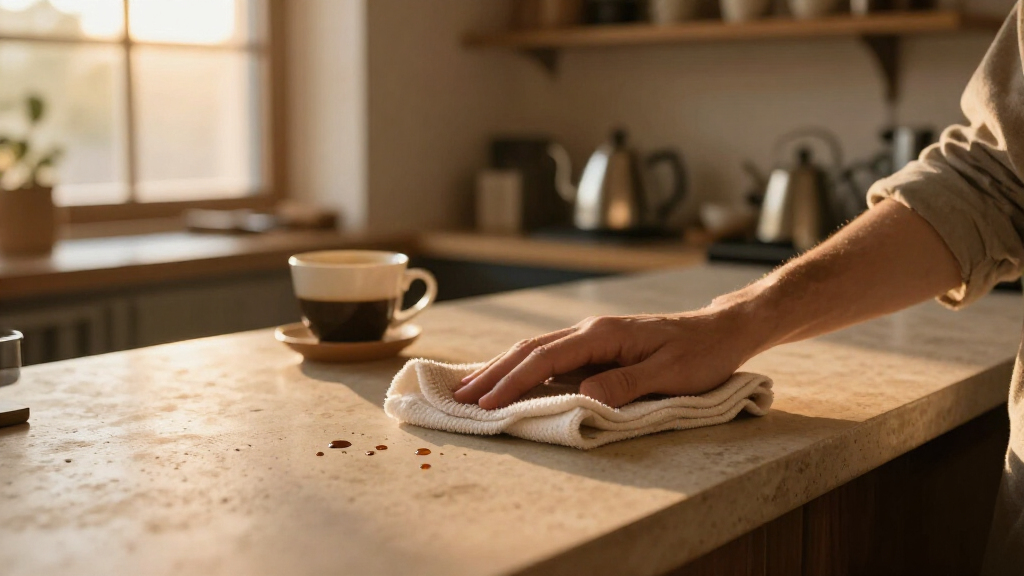
The method is to remove dry debris first, then use a damp cloth or sponge for sticky residue. The chef said the vacuum picks up crumbs in seconds and means less wiping of loose particles. The article does not quantify the time saved; that benefit is the chef’s account, not a measured result.
The Kitchn points to the KitchenAid Go Cordless Kitchen Vacuum, citing positive comments from Apartment Therapy Senior Lifestyle Editor Quinn Fish and The Kitchn Food Editor Christine Gallary. Fish said she uses it several times daily and described using its crevice tool around pantry organizers and on the stove. The writer disclosed she had not purchased a kitchen vacuum at the time of publication.
A Dry Pass Before Counter Wiping
The suggestion addresses a familiar kitchen-cleanup problem: wiping loose crumbs can push them around or leave a sponge and cloth covered in food particles. Removing dry debris first may make the follow-up wipe more focused on sticky or wet residue, rather than on crumbs that can be picked up separately.
Keeping the device in the kitchen also gives it a defined use. The article’s chef argues that a dedicated vacuum avoids using the same tool in food areas and places such as bathrooms. That is her rationale; the report does not test whether a separate vacuum reduces contamination or establish specific food-safety benefits.
The tip may be especially useful for households dealing with frequent food spills, including those with young children, but it is an optional cleaning approach rather than a requirement. Readers should follow the vacuum manufacturer’s instructions and use a cloth and appropriate cleaning method for residue that the device cannot remove.
Products Worth Considering

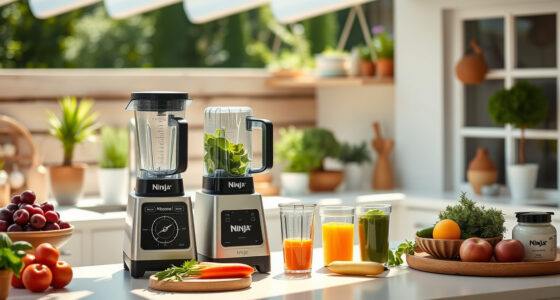
Ninja UltraCrush Pro Kitchen System, 1500 W, Silver (BP401)

Cuisinart Chef's Classic Stainless Steel 17-Piece Cookware Set

Breville Barista Touch Espresso Machine, Brushed Stainless Steel
As an affiliate, we earn on qualifying purchases.
How the Chef’s Routine Works
The piece is a first-person home-cleaning report by Shifrah Combiths, who describes asking a chef friend for advice on running a kitchen efficiently. The recommendation emerged from that conversation, not from a formal study or product trial conducted by the writer.
The article compares the approach to dusting before wet cleaning: pick up dry particles first, then wipe. The chef’s examples include crumbs left after meals, grains around a stove and debris in a toaster. A handheld model’s small attachments can help reach tight areas, though the story does not compare different vacuum models or explain which surfaces each attachment is suitable for.
The product mention is specific to the KitchenAid Go cordless model, whose rechargeable battery is compatible with other appliances in the KitchenAid Go line, according to the article. The Kitchn also states that it independently selects products and may earn a commission if readers buy through its links; listed prices were accurate at publication, but no price is included in the supplied material.
“Keep a small handheld vacuum that is strictly for the dining room and kitchen.”
— The chef friend, as quoted by Shifrah Combiths in The Kitchn
The Tip Has Not Been Tested Here
The writer says she had not yet bought a handheld kitchen vacuum, so her account does not show whether the method changed her own cleaning routine or reduced her use of paper towels. No controlled comparison, time measurements, cost analysis or assessment of cleaning performance appears in the source.
The article also does not establish whether the recommended model is suitable for every type of kitchen debris or surface. Readers should check the manufacturer’s guidance, particularly before vacuuming hot material, liquids or debris that could damage the device. The source does not report a food-safety assessment of storing or using a vacuum around food-preparation areas.
Use of the KitchenAid model is based on the cited editors’ experiences. The report provides no broader user survey, durability data or comparison with other handheld vacuums, and it does not say whether the writer later purchased one.
Whether the Writer Tries It
The source does not announce a follow-up or confirm that Combiths has purchased the vacuum. The next step for readers interested in the approach is to decide whether a dedicated handheld model fits their cleanup needs, check its instructions and consider the product’s price and maintenance requirements before buying.
If the writer later reports on using the device, that would clarify whether the chef’s advice worked for her kitchen and whether it changed her reliance on paper towels. For now, the story documents a recommendation and two editors’ positive experiences, while leaving its results for the writer unreported.
Key Questions
What did the chef recommend?
The chef advised keeping a small handheld vacuum solely for the kitchen and dining area to collect loose crumbs before wiping surfaces.
Does the method replace wiping counters?
No. The described routine uses the vacuum for dry crumbs and follows with a damp wipe for sticky residue.
Did the writer test the recommended vacuum?
Not in the article. Combiths said she had not bought one yet, so the piece does not report her own results.
Which vacuum does the article mention?
It names the KitchenAid Go Cordless Kitchen Vacuum, based on favorable comments from two editors. The article does not present a product comparison or measured test.
Why keep a separate vacuum for the kitchen?
The chef’s stated reason is to avoid using the same vacuum in food areas and places such as bathrooms. The article reports this as her rationale and does not claim that the practice has been tested as a food-safety measure.
Source: thekitchn.com