
🔍 Read the full analysis: Amaro 101: Italy's Bittersweet After-Dinner Tradition on Mad Tasting

Get coffee and tea gear delivered free with Prime
- Fast, free delivery on millions of items
- Prime Video, Amazon Music and more included
- Member-only deals all year
TL;DR
Amaro is a broad category of sweetened Italian bitter liqueurs, often poured in small amounts after a meal as a digestivo. Its flavor varies by producer and can range from citrusy and minty to earthy and intensely bitter; the source guide recommends tasting it neat first and checking the bottle’s alcohol strength.
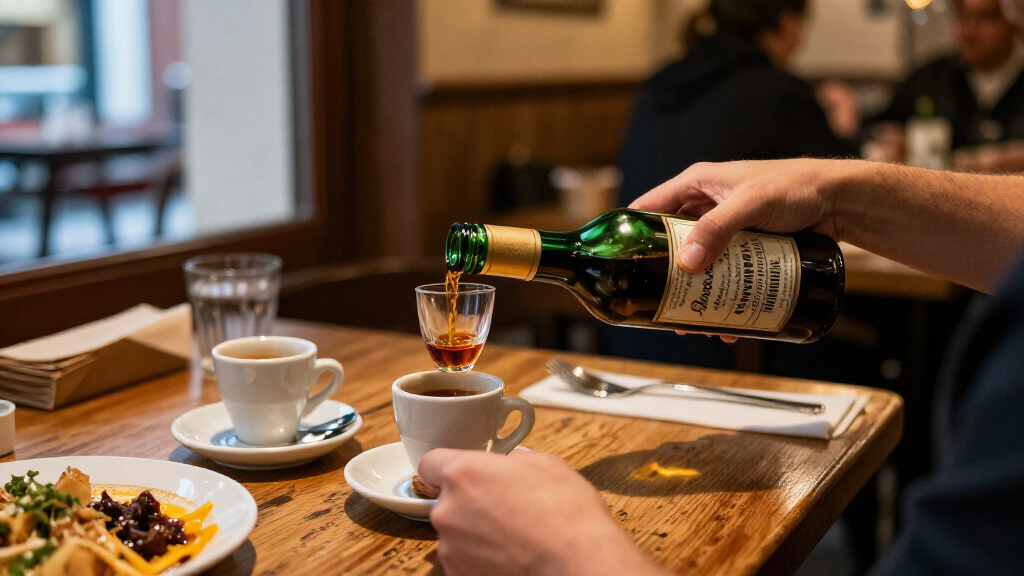
Mad Tasting has published a guide to amaro, the varied category of sweetened Italian bitter liqueurs traditionally served in a small pour after a meal. The guide outlines how producers’ botanical blends shape flavor, how to taste amaro at home and how to select a bottle, while cautioning readers not to treat the after-dinner custom as medical advice.
Amaro is not a single recipe or flavor. Producers may infuse alcohol with botanicals such as gentian, wormwood, rhubarb, citrus peel, angelica, fennel, mint and flowers, then sweeten the mixture and sometimes age it. Exact ingredient blends can be closely guarded. Depending on the bottle, the result may be bright with citrus, minty, earthy, spicy or strongly bitter, with sweetness often softening the sharper notes.
The guide says many bottles are around 20–35% alcohol by volume, though some fall outside that range. It advises checking the label and beginning with a modest pour—an ounce or less for someone new to the category. Amaro can be tasted neat, chilled or over ice; comparing a room-temperature pour with a colder one can show how temperature and dilution change its aromas and finish.
For a first tasting, the guide recommends smelling the drink before sipping and noticing how its flavors develop, from initial sweetness to bitterness or herbal notes that linger. It suggests choosing a bottle based on familiar preferences, such as citrus, mint or darker, more bitter flavors. Amaro can also be used in cocktails, though the guide’s first step is to taste it on its own.
A guide to Italy’s bittersweet tradition
Amaro is a varied category of sweetened Italian bitter liqueurs, often served in a small pour after a meal. Botanical blends shape each bottle’s flavor and strength.
One category, many flavors
Producers combine botanicals and sweeteners in their own ways, so no single recipe defines amaro.
Citrus and mint
Some bottles lean fresh, aromatic and lively.
Earthy and resinous
Botanical blends can bring deep, herbal notes.
Spice and intensity
Sweetness may soften sharper or more bitter flavors.
Place offers clues, not rules
Regional styles suggest possible flavor directions, but bottles from the same area can still differ.
- Often resinous and herbal
- Producer recipes still vary
- May emphasize citrus or spice
- Local plants can shape flavor
Taste before choosing
A small tasting helps buyers find a bottle that fits familiar preferences.
Look at the bottle’s alcohol strength; some fall outside the common 20–35% ABV range.
Try an ounce or less and smell before sipping.
Taste neat, chilled or over ice to notice changes in aroma and flavor.
A serving custom, not health advice
Digestivo describes a drink served after a meal. The guide does not establish a medical benefit.
Choosing and Serving Amaro
The guide gives readers a way to approach a category that can be difficult to define from its name alone. Botanical recipes vary by producer, so a small tasting can reveal more than assumptions based on color or a broad regional label. Knowing whether a bottle leans citrusy, earthy, minty or bitter can help a buyer make a more informed choice and decide how to serve it.
It also separates the after-dinner tradition from health claims. Digestivo describes a drink served after a meal; it is not evidence that alcohol aids digestion or has a medical benefit. Checking ABV and keeping a pour modest matters because sweetness can make an alcoholic drink seem gentler than its strength suggests.
Products Worth Considering

Cuisinart ICE-70WB 2-Quart Ice Cream Maker

Cuisinart Freeze Ease Automatic Ice Cream Maker, 1-Quart

De'Longhi Magnifica Start Fully Automatic Espresso Machine with Milk Frother, Silver
As an affiliate, we earn on qualifying purchases.
A Tradition With Many Regional Styles
Amaro is the singular form; amari is the plural. The Italian word means “bitter,” but bitterness is only one part of the category. Sweetness, aroma and the balance of herbs and other botanicals differ among producers, leaving room for both relatively bright and deeply bitter styles.
Place can offer clues, but not a fixed formula. The source guide describes mountain styles as often resinous and herbal, while southern examples may emphasize citrus, spice or local plants. These are broad flavor associations, not rules: bottles from the same area can still differ in sweetness, bitterness, color and alcohol strength. The guide identifies the post-meal pour as a digestivo, a drink served after eating, rather than presenting the custom as a medical practice.
“Amaro is a category of Italian bitter liqueur traditionally enjoyed after a meal.”
— Mad Tasting guide
What Labels Cannot Tell You
The guide does not identify specific brands, provide a complete list of amaro styles or report an industry development. Exact botanical blends are often undisclosed, and a bottle’s region or appearance cannot reliably establish its flavor or alcohol strength. Many bottles fall within the stated 20–35% ABV range, but the source gives no overall market data and says some bottles are outside it.
Regional descriptions are presented as tendencies rather than verified descriptions of every producer. The guide also offers no medical evidence that amaro improves digestion; its account is of a serving custom. Readers should check individual labels for ingredients and ABV, since details differ by product.
Taste Before Choosing a Bottle
The guide’s practical next step is to try a small neat pour as a baseline, then compare it chilled or with ice. Readers shopping for a bottle can start with familiar flavors and ask a retailer about the drink’s finish—citrusy, minty, earthy or sharply bitter—rather than relying on color or region alone.
At home, serve amaro in a small glass after a meal or use it in a cocktail, while keeping the pour modest and checking the label. Store the bottle sealed and away from heat and direct sunlight. The source material does not announce a follow-up report or a scheduled event.
Key Questions
What is amaro?
Amaro is a category of sweetened Italian bitter liqueurs made with differing blends of botanicals. Amari is the plural.
How is amaro traditionally served?
It is often served in a small pour after a meal as a digestivo. It can be tasted neat, chilled or over ice; there is no single temperature rule.
How strong is amaro?
The guide says many bottles contain about 20–35% ABV, while some fall outside that range. Check the individual bottle’s label before serving.
How should a beginner choose an amaro?
Start with flavors you already enjoy, such as citrus or mint, and ask a seller whether the finish is bright, earthy or strongly bitter. A small tasting can help because recipes vary by producer.
Does amaro help digestion?
Digestivo refers to the after-meal serving custom; the guide does not establish a medical benefit. Amaro contains alcohol, so serve responsibly and do not treat it as health advice.
Source: Mad Tasting