
TL;DR

Get coffee and tea gear delivered free with Prime
- Fast, free delivery on millions of items
- Prime Video, Amazon Music and more included
- Member-only deals all year
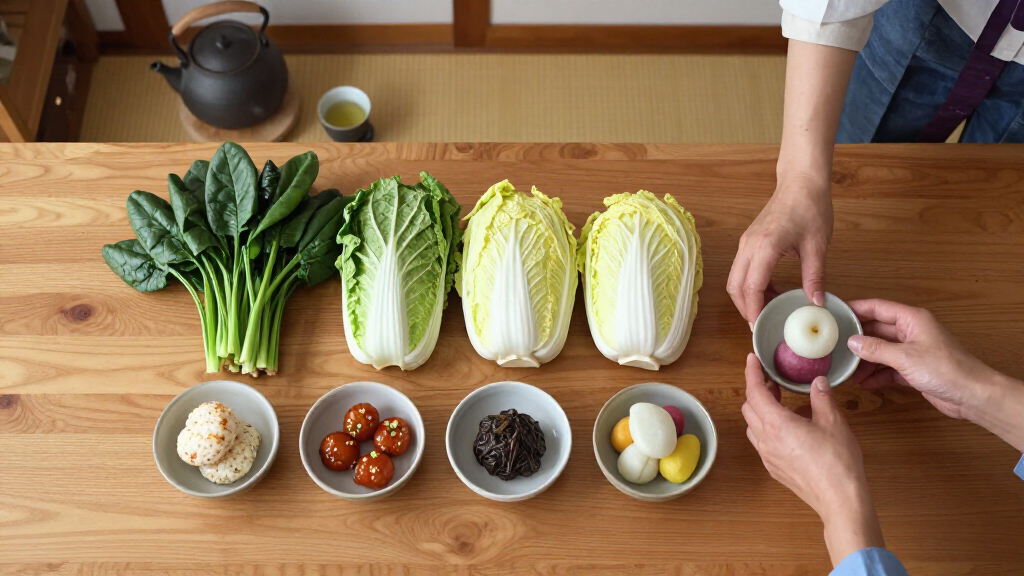
Vegetable prices for Chuseok preparations have surged, with spinach up 68% and cabbage up 37%. The total cost for ancestral rites tables now averages 300,000 won at markets and 400,000 won at supermarkets, reflecting sharp inflation in food prices ahead of the holiday.
Vegetable prices for Chuseok preparations have surged significantly, with spinach increasing by 68% and cabbage by 37% compared to previous years, according to market observations. The cost of assembling an ancestral rites table now averages approximately 300,000 won at markets and 400,000 won at supermarkets in Seoul. These increases are raising concerns among consumers and vendors about the rising expenses associated with traditional holiday customs.
Recent market surveys and retail reports indicate that the prices of key vegetables used in Chuseok ancestral rites have experienced notable jumps. Spinach, a staple in traditional dishes, has seen a 68% increase, while cabbage, another essential ingredient, has risen by 37%. These price hikes are attributed to factors such as supply chain disruptions, weather conditions affecting harvests, and increased demand during the holiday season.
At local markets, the average cost of a typical Chuseok table, which includes various vegetables, meats, and side dishes, now totals around 300,000 won. In contrast, supermarkets in Seoul report an average cost nearing 400,000 won. Experts warn that these figures may further rise as the holiday approaches, potentially impacting household budgets and traditional customs.
Officials from the Korea Agro-Fisheries & Food Trade Corporation have confirmed that vegetable prices are on the rise, citing recent supply constraints and increased consumer demand. However, they emphasized that exact future price trajectories remain uncertain due to fluctuating weather patterns and market responses.
Impact of Rising Food Prices on Chuseok Celebrations
The sharp increase in vegetable prices directly affects the cost of preparing traditional ancestral rites tables for Chuseok, Korea’s major harvest festival. As the holiday approaches, many families face higher expenses, which could influence participation in customary rituals and meal preparations. This trend also highlights broader concerns about inflation and supply chain stability in Korea’s agricultural sector, with potential implications for household finances and cultural practices during major holidays.
Products Worth Considering

Vitamix 5200 Professional-Grade Blender, 64 oz. Container, Black

KitchenAid Classic Series 4.5 Quart Tilt-Head Stand Mixer K45SS, Onyx Black

KitchenAid Artisan Series 5-Quart Tilt-Head Stand Mixer, Dried Rose (KSM150PS)
As an affiliate, we earn on qualifying purchases.
Recent Trends in Agricultural Prices and Supply Chain Disruptions
Over the past year, vegetable prices across Seoul and other regions have shown volatility, driven by unpredictable weather, such as heavy rains and droughts, impacting harvest yields. Supply chain disruptions, partly due to global logistics issues, have also contributed to rising costs. Traditionally, vegetable prices tend to increase during major festivals like Chuseok, but recent data shows a more pronounced spike this year, raising concerns among consumers and market analysts.
Market experts note that the increase in vegetable prices is not isolated but part of a broader inflationary trend affecting various food items. The government and industry bodies have been monitoring these developments, but concrete measures to stabilize prices remain uncertain amid ongoing global economic uncertainties.
Uncertain Future of Vegetable Prices Before Chuseok
It remains unclear whether vegetable prices will stabilize or continue to rise as the holiday approaches. Market fluctuations, weather conditions, and supply chain dynamics are still evolving, making precise forecasts difficult. Experts warn that further increases are possible, but the extent and duration of these price hikes are not yet confirmed.
Monitoring Price Trends and Preparing for Increased Costs
As Chuseok approaches, consumers and vendors will closely monitor vegetable prices and supply levels. Authorities may consider measures such as import adjustments or market interventions to stabilize costs. Households are advised to plan their budgets accordingly and consider purchasing early to mitigate potential price hikes.
Key Questions
Why have vegetable prices increased so sharply ahead of Chuseok?
The increase is attributed to supply chain disruptions, weather impacts on harvests, and heightened demand during the holiday season, leading to higher prices for key ingredients like spinach and cabbage.
How much does a typical Chuseok ancestral rites table now cost?
According to recent reports, the cost averages around 300,000 won at local markets and 400,000 won at supermarkets in Seoul.
Will vegetable prices decrease before Chuseok?
It is uncertain. Market analysts warn prices could continue to rise or stabilize, depending on weather and supply chain factors, but no definitive trend has been established.
How might these price increases affect traditional Chuseok customs?
Higher costs could lead some families to reduce the quantity or variety of foods prepared for ancestral rites, potentially impacting traditional rituals and celebrations.
Are government measures being taken to control food prices?
Officials are monitoring the situation and may consider interventions, but no specific measures have been publicly announced as of now.
Source: local