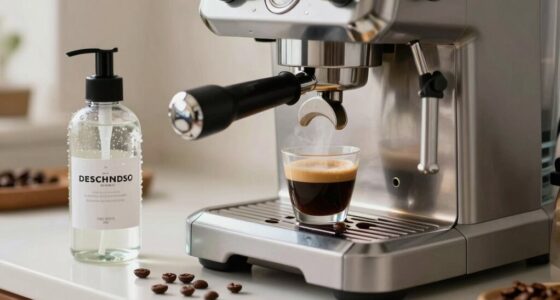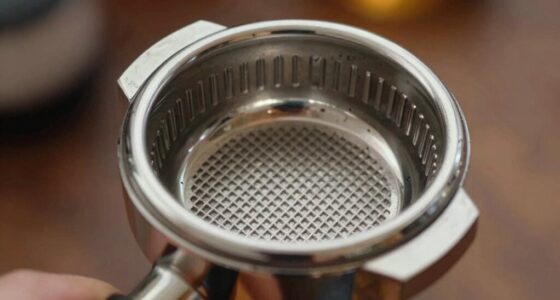
If your coffee tastes off, check your water hardness level first. Proper hardness, ideally between 3 to 5 grains per gallon, guarantees a balanced flavor and helps maintain your espresso machine’s longevity. Too hard or too soft water can lead to bitterness or flat tasting coffee. Testing is easy with hardness strips, and you can adjust levels with filtration systems. Want to know how to test and tweak your water for better espresso? Let’s explore further.

Get coffee and tea gear delivered free with Prime
- Fast, free delivery on millions of items
- Prime Video, Amazon Music and more included
- Member-only deals all year
Key Takeaways
- Ideal water hardness for espresso machines is between 3 to 5 grains per gallon or 50-150 ppm.
- Too soft or hard water can lead to unbalanced flavors and bitterness in coffee.
- Regularly test your water hardness using hardness strips for consistent quality.
- Filtered water helps achieve optimal mineral balance and reduces scale buildup in machines.
- Adjust hardness by mixing distilled water with tap water or using quality filtration systems.
coffee water hardness test strips
As an affiliate, we earn on qualifying purchases.
As an affiliate, we earn on qualifying purchases.
Why Water Hardness Matters for Your Espresso
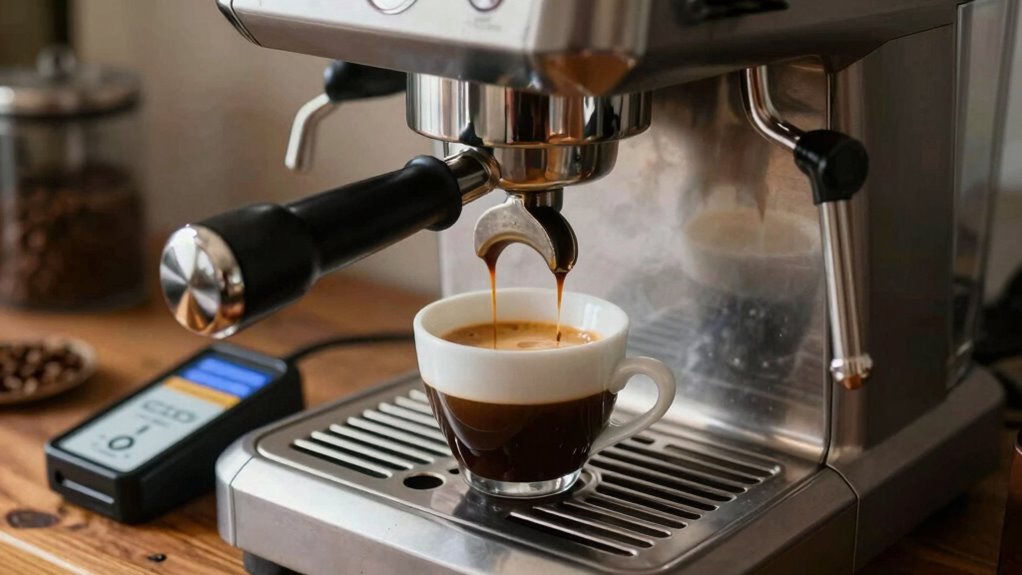
Water hardness can greatly impact your espresso’s taste and machine longevity. Understanding water chemistry is essential for brewing the perfect shot. Hard water, with its high mineral content, can throw off the mineral balance your espresso needs. Too many minerals can lead to over-extraction, resulting in a bitter flavor, while too few can make your coffee taste flat and weak.
You want that ideal combination of calcium and magnesium to enhance flavor without causing scale buildup in your machine. Monitoring your water hardness helps guarantee you’re using water that complements your coffee beans. By paying attention to these details, you’ll not only improve your espresso’s taste but also extend the life of your espresso machine. Additionally, using filtered water can help reduce microplastics in dust, contributing to a cleaner brewing environment.
water filtration system for espresso machines
As an affiliate, we earn on qualifying purchases.
As an affiliate, we earn on qualifying purchases.
How Water Hardness Impacts Espresso Flavor and Machine Longevity
While you might focus on coffee beans and brewing techniques, the hardness of your water plays an essential role in both flavor and the longevity of your espresso machine. Proper water mineralization affects the chemical reactions during espresso extraction, impacting taste and aroma. Here’s how water hardness can influence your brew:
- Flavor balance: Too soft or too hard water can lead to unbalanced flavors.
- Acidity: The right hardness helps maintain a pleasant acidity level.
- Crema quality: Water hardness affects the crema’s richness and stability.
- Machine wear: Hard water can cause scale buildup, reducing your machine’s lifespan.
Additionally, maintaining optimal water mineralization levels is crucial for achieving the best espresso experience.
calcium magnesium water hardness meter
As an affiliate, we earn on qualifying purchases.
As an affiliate, we earn on qualifying purchases.
Finding the Right Water Hardness for Perfect Espresso
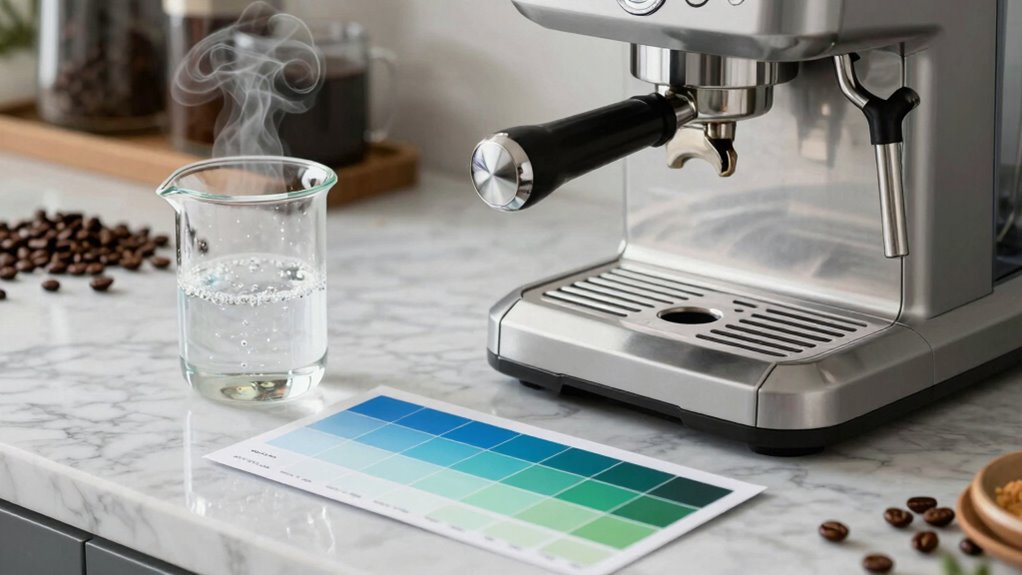
To achieve the perfect espresso, understanding the ideal water hardness is essential. Water hardness markedly impacts espresso brewing, affecting extraction and flavor. Ideally, you want a hardness level between 3 and 5 grains per gallon. This range guarantees minerals are present for peak taste without causing scale buildup in your machine.
To maintain this balance, invest in quality water filtration systems. These systems can help you attain the right hardness while removing impurities that could spoil your brew. Regularly monitor your water’s hardness; it can fluctuate based on local sources and treatments. By fine-tuning your water hardness, you’ll elevate your espresso experience, getting that rich, nuanced flavor you crave with every shot.
best water filter for espresso machines
As an affiliate, we earn on qualifying purchases.
As an affiliate, we earn on qualifying purchases.
How to Test Your Water Hardness for Best Results
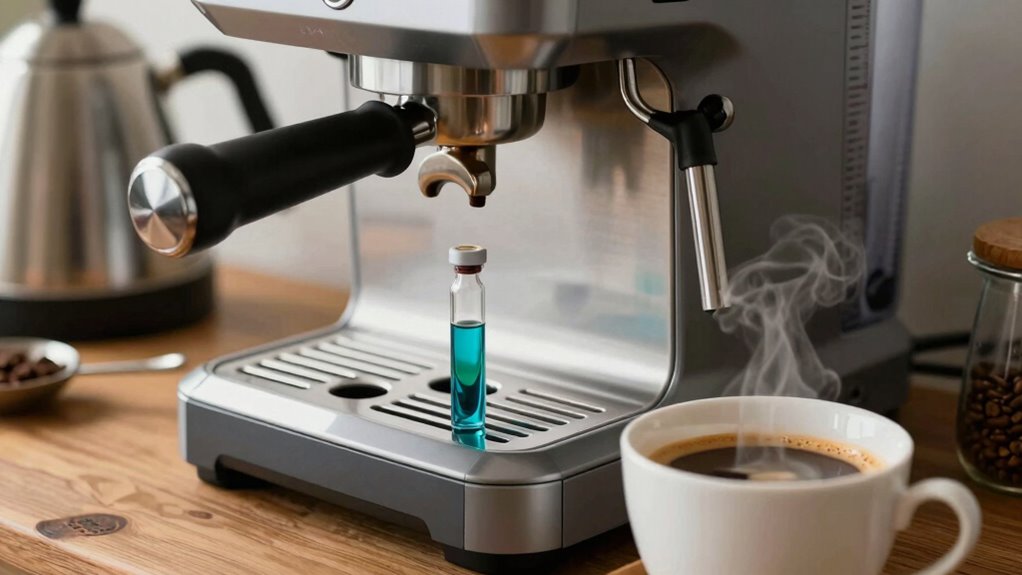
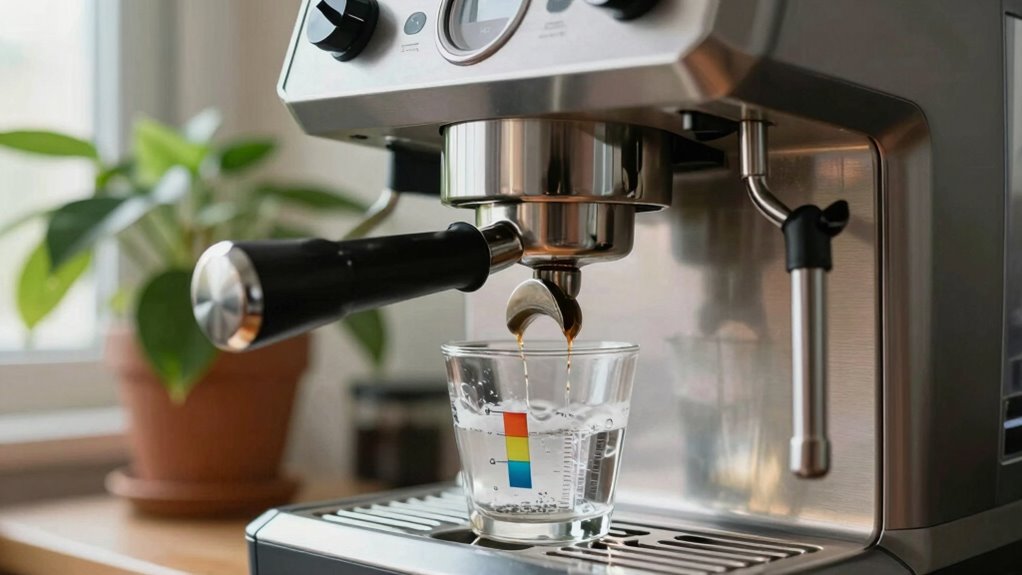
How can you guarantee your water is at the right hardness for brewing espresso? Start with simple water testing methods. Using hardness strips is one of the easiest ways to check. Here’s how you can do it:
- Collect a sample of your tap water in a clean container.
- Dip a hardness strip into the water for the recommended time.
- Compare the strip’s color to the chart provided with the strips.
- Note the hardness level and make sure it aligns with espresso machine guidelines. Maintaining color accuracy in your brewing process can also enhance the overall flavor profile.
Tips to Adjust Your Water Hardness for Better Espresso
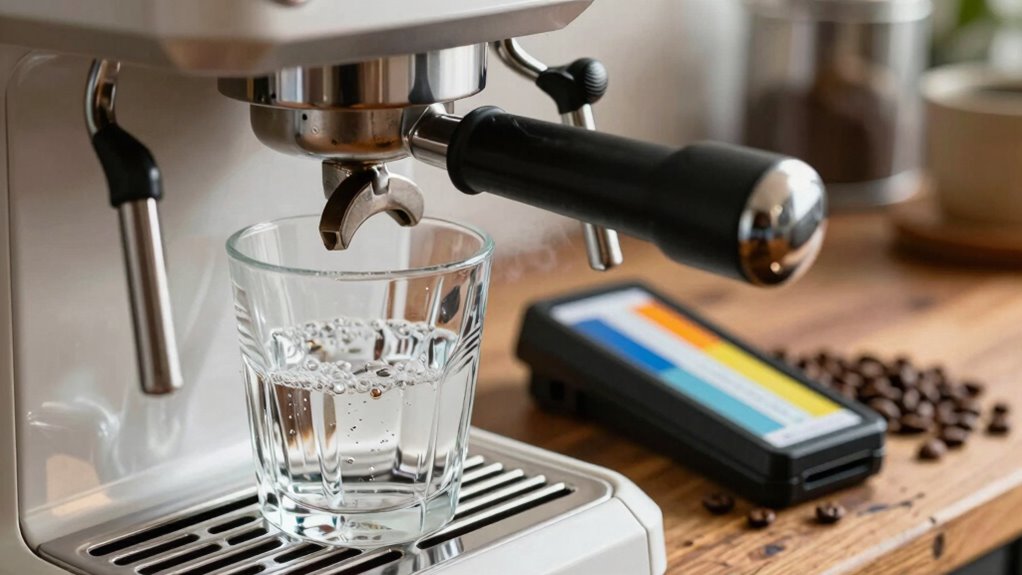
Achieving the perfect water hardness for your espresso can greatly enhance the flavor and quality of your brew. Start by investing in a reliable water filtration system; it’ll help remove impurities while balancing mineral content. Aim for a hardness level between 50-150 ppm for ideal extraction.
Experiment with different brewing techniques, adjusting your water hardness as needed. If your espresso tastes overly bitter or flat, consider tweaking the mineral balance. You can also mix distilled water with tap water to reach the desired hardness. Regularly test your water to guarantee consistency, and don’t hesitate to document which adjustments yield the best results. Fine-tuning your water hardness will elevate your espresso experience to new heights.
Frequently Asked Questions
Can Bottled Water Be Used for Espresso Machines?
Yes, you can use bottled water for espresso machines. The benefits include better taste and convenience, as it often has fewer impurities than tap water. However, bottled water can have drawbacks, like varying mineral content, which might affect your espresso’s flavor and extraction. It’s essential to choose a brand with balanced minerals to guarantee the best results. Always check the water’s hardness level to keep your machine running smoothly.
How Often Should I Check My Water Hardness?
You should check your water hardness every few months as part of your maintenance schedule. Regular water testing helps guarantee your espresso machine runs efficiently and your coffee tastes great. If you notice any changes in flavor or performance, it’s a good idea to test more frequently. Keeping tabs on your water hardness not only improves your brew but also extends the life of your machine. So, stay proactive!
Does Water Temperature Affect Espresso Quality?
When it comes to brewing espresso, you can’t afford to cut corners. Water temperature definitely affects your espresso quality. The ideal brew temperature usually hovers around 195°F to 205°F, enhancing extraction efficiency. If your water’s too hot, you risk over-extraction, leading to bitter flavors. Conversely, too cool water under-extracts, leaving your coffee weak. So, keep an eye on that temperature to guarantee you’re getting the most from your beans!
What Are the Signs of Hard Water Damage?
You’ll notice signs of hard water damage in your espresso machine through mineral buildup, often seen as white or chalky deposits. This can clog the brewing system and affect your coffee’s taste. You might also see reduced water flow or inconsistent extraction. Regular espresso maintenance is essential; if you spot these issues, consider descaling your machine. Keeping an eye on your water hardness can help prevent these problems from occurring in the first place.
Can I Use Distilled Water in My Espresso Machine?
Yes, you can use distilled water in your espresso machine. It offers several benefits, like preventing mineral buildup, which helps with espresso machine maintenance. However, keep in mind that distilled water lacks minerals that enhance flavor. If you choose to use it, consider adding a mineral pack specifically designed for espresso to balance taste and maintain your machine. This way, you’ll enjoy a delicious cup while keeping your equipment in top shape.
Conclusion
In the quest for the perfect espresso, don’t let water hardness be the villain in your coffee story. By keeping an eye on your water quality, you’ll not only enhance the flavor but also extend your machine’s life. So, grab your trusty water tester and channel your inner barista—your taste buds will thank you! Remember, even the best coffee beans need a solid partner in crime, and that’s where good water comes into play.
Halloween Picks
halloween
As an affiliate, we earn on qualifying purchases.