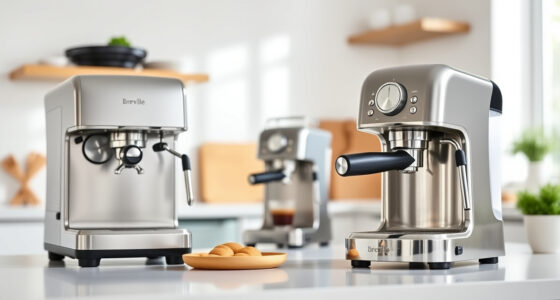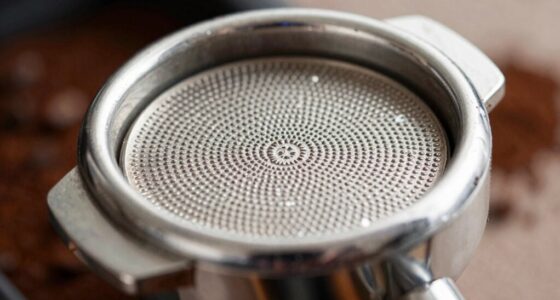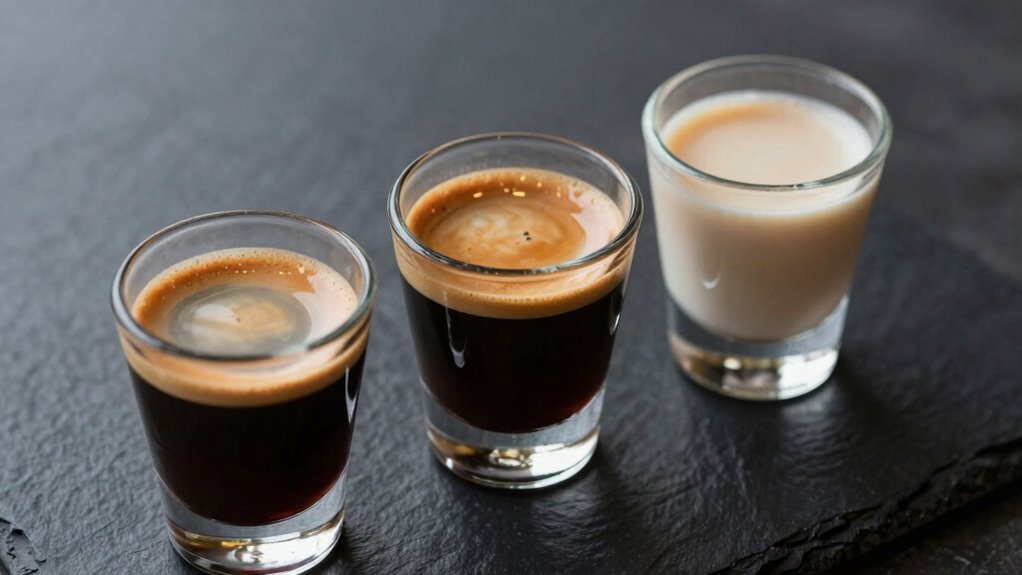

To simplify the difference: a ristretto is a short, intense shot with less water, highlighting rich flavors and less caffeine. Espresso is the classic, balanced shot made with medium water, offering a full-bodied taste. Lungo is brewed longer with more water, resulting in a milder, more diluted brew. Knowing these basics helps you choose your ideal coffee. Keep exploring to understand how brewing times and techniques shape each style even more.

Get coffee and tea gear delivered free — and shop member deals
- Fast, free delivery on millions of items
- Access to Prime Big Deal Days deals on October 6–7
- Prime Video, Amazon Music and more included
Key Takeaways
- Ristretto is a short, intense shot with less water, emphasizing rich, sweet flavors; espresso is a balanced, full-bodied shot; lungo is a longer, milder brew with more water.
- Extraction times differ: ristretto (20-25 sec), espresso (25-30 sec), lungo (30-45 sec), affecting flavor strength and texture.
- Ristretto has less caffeine due to shorter extraction; lungo generally has more caffeine, influenced by bean type and brew time.
- Proper grind size and brewing parameters are essential for each style to achieve optimal flavor and consistency.
- Understanding these differences helps tailor your coffee experience, avoiding guesswork and enhancing enjoyment.
As an affiliate, we earn on qualifying purchases.
What Are Ristretto, Espresso, and Lungo?
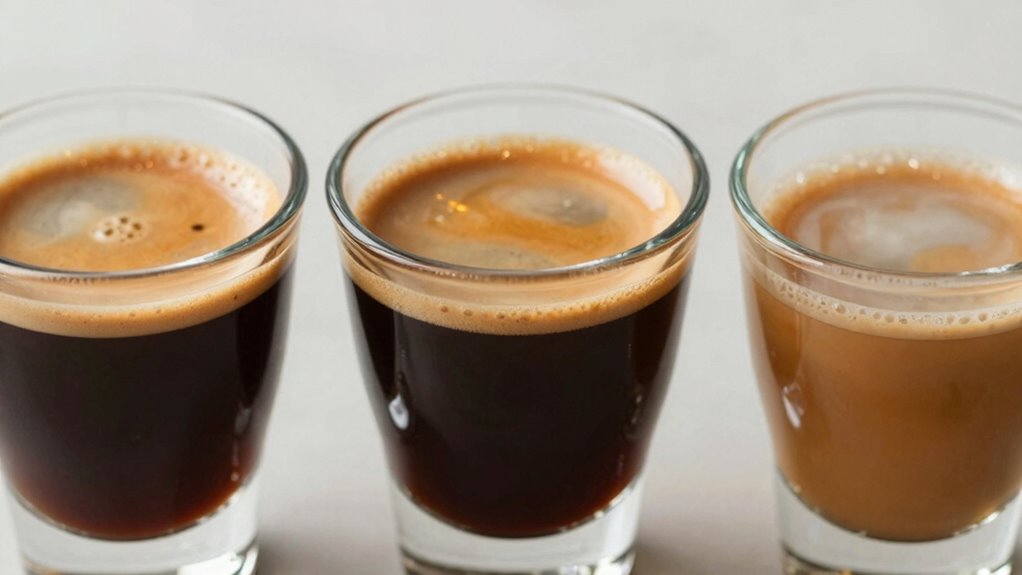
Have you ever wondered what sets ristretto, espresso, and lungo apart? These coffee styles each have unique roots in coffee history and carry cultural significance. Espresso, originating in Italy, revolutionized coffee culture by emphasizing quick, concentrated shots. Ristretto, meaning “restricted” in Italian, is a shorter, more intense version of espresso, emphasizing rich flavors and thicker consistency. Lungo, meaning “long,” involves pulling a larger volume of water through the grounds, resulting in a milder taste. Each style reflects different traditions and preferences, from the boldness of ristretto to the extended extraction of lungo. Understanding these distinctions helps you appreciate not just the taste, but also the cultural stories behind each brew. They’re more than drinks—they’re a reflection of history and tradition. Exploring digital concepts can further enhance your understanding of how coffee culture intersects with modern technology.
coffee grinder for espresso and lungo
As an affiliate, we earn on qualifying purchases.
As an affiliate, we earn on qualifying purchases.
How Are These Coffee Styles Brewed?
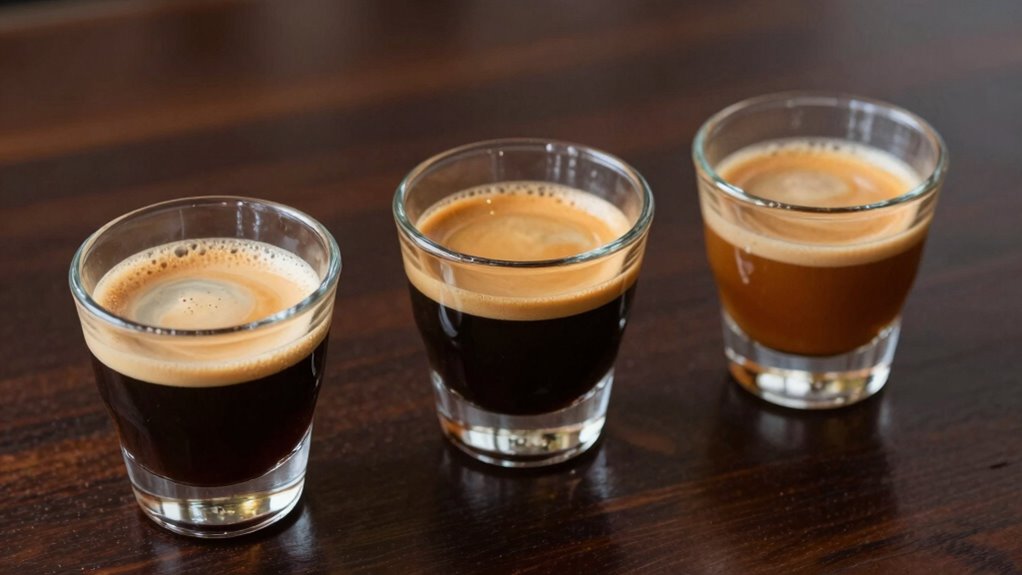
You’ll notice that each coffee style uses a different brewing method and extraction time. Ristretto is made with a short extraction, resulting in a concentrated shot, while espresso involves a slightly longer brew. Lungo, on the other hand, has an extended extraction, producing a larger, milder cup. Incorporating comfort and safety products into your daily routine can enhance your coffee experience by ensuring you brew with ease and stability.
Brewing Methods Overview
Brewing methods play a crucial role in shaping the flavor and strength of each coffee style. To achieve the desired taste, you’ll choose specific brewing equipment types and coffee bean varieties. Ristretto, espresso, and lungo all start with the same basic principle: forcing hot water through finely ground coffee. However, the key differences lie in extraction times and water volume.
- Coffee bean varieties influence the flavor profile, with darker roasts often used for richer, bolder tastes. Additionally, the origin of the beans can significantly alter the flavor nuances and aroma.
- Brewing equipment types like espresso machines, lever presses, or pod machines determine pressure and temperature control.
- The grind size and tamping pressure also impact the final brew, ensuring each style gets the right extraction. The precise combination of these factors creates the unique characteristics of each coffee style. Additionally, understanding technical concepts can enhance your brewing skills and elevate your coffee experience.
Extraction Time Differences
Extraction time is the key factor that differentiates ristretto, espresso, and lungo. Ristretto uses a very short extraction, typically around 20-25 seconds, resulting in a concentrated, bold shot with intense flavors. Espresso requires about 25-30 seconds, balancing strength and clarity, making it versatile for various coffee pairings. Lungo, on the other hand, extends extraction to 30-45 seconds, producing a milder, more diluted brew. Your equipment requirements vary: a good espresso machine with precise pressure and temperature controls is essential, especially for ristretto and espresso. For lungo, similar equipment works, but you might need finer control over brewing time. Understanding these extraction times helps you craft the perfect coffee style, tailored to your taste and preferred coffee pairing.
As an affiliate, we earn on qualifying purchases.
How Extraction Time Shapes Flavor and Caffeine Levels
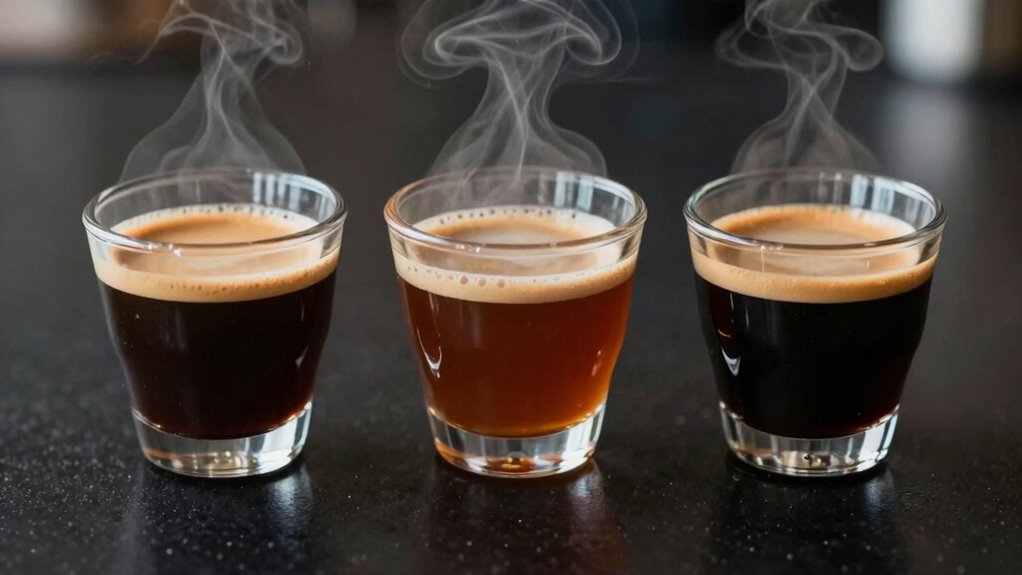
The length of extraction directly influences both the flavor and caffeine content of your coffee. Shorter pulls, like ristretto, tend to be richer and more concentrated with less caffeine, while longer brews, like lungo, often have a milder taste and more caffeine. Understanding how extraction time affects these factors helps you customize your perfect cup.
Extraction Time and Flavor
Since the amount of time your coffee spends in contact with hot water directly impacts its flavor, understanding extraction time is key to mastering your preferred brew. Longer extraction can bring out deeper, more complex flavor profiles, but it also risks over-extraction, which causes bitterness. Shorter extraction preserves brighter, more delicate notes. Your choice of coffee equipment influences this timing, affecting the final taste. To optimize flavor:
- Use precise timers to control extraction duration
- Adjust grind size to regulate water flow
- Select equipment suited for your desired brew style
Knowing how extraction time affects flavor helps you customize each cup. Whether you prefer a bold, intense shot or a lighter, nuanced one, controlling the contact time with hot water is essential for achieving the perfect balance.
Caffeine Content Variations
While longer extraction times generally increase the amount of caffeine dissolved into your brew, the relationship isn’t always straightforward. Your coffee bean selection plays a vital role; some beans naturally contain more caffeine, influencing the final content regardless of extraction time. Equipment maintenance also matters—clean equipment guarantees ideal extraction, preventing over- or under-extraction that skews caffeine levels. A Ristretto, with its shorter extraction, tends to have less caffeine than a longer Lungo, but high-quality beans and precise grind size can alter this. Espresso and Lungo differ mainly in extraction time, affecting both flavor and caffeine content. Properly maintained equipment guarantees consistent extraction, helping you control caffeine variation and craft your preferred balance of strength and flavor. Understanding color accuracy can significantly impact your brewing outcomes.
As an affiliate, we earn on qualifying purchases.
What Do Ristretto, Espresso, and Lungo Taste Like?
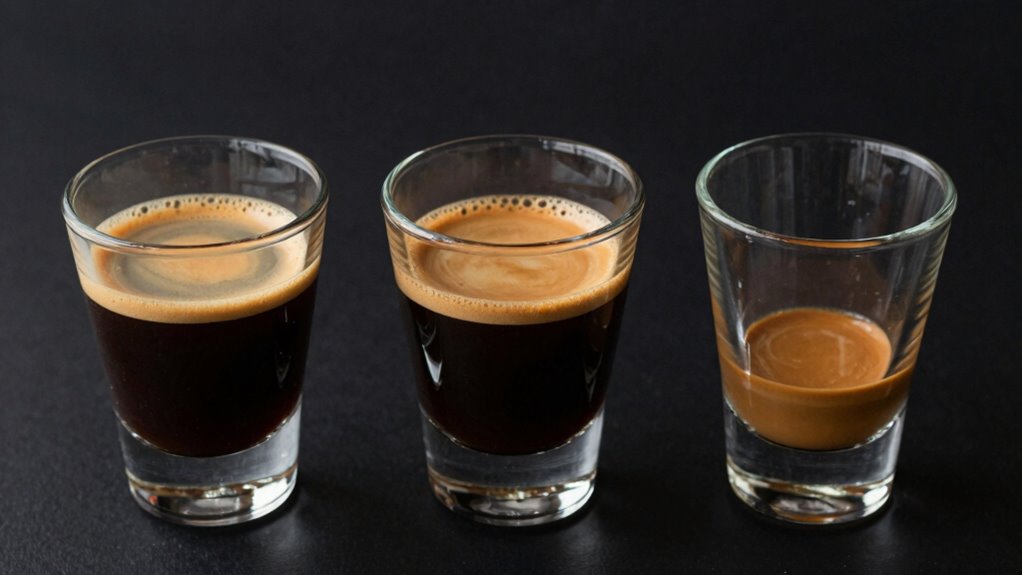
Ristretto, espresso, and lungo each offer distinct flavor profiles that cater to different taste preferences. Ristretto delivers a bold, concentrated taste with rich, intense flavors, often highlighting the coffee’s natural sweetness. Espresso strikes a balance, with a rounded, full-bodied flavor that combines acidity and bitterness. Lungo, on the other hand, produces a milder, more bitter brew due to the longer extraction, emphasizing subtle nuances. These differences stem from their cultural origins, shaping how each is enjoyed worldwide.
Ristretto, espresso, and lungo each showcase unique flavors reflecting their cultural roots and brewing methods.
You’ll notice:
- Ristretto emphasizes sweetness and intensity.
- Espresso offers a balanced, robust experience.
- Lungo reveals more complex, nuanced flavors.
Understanding these flavor profiles helps you appreciate each style’s unique appeal and cultural significance.
Which Coffee Style Is Best for You?
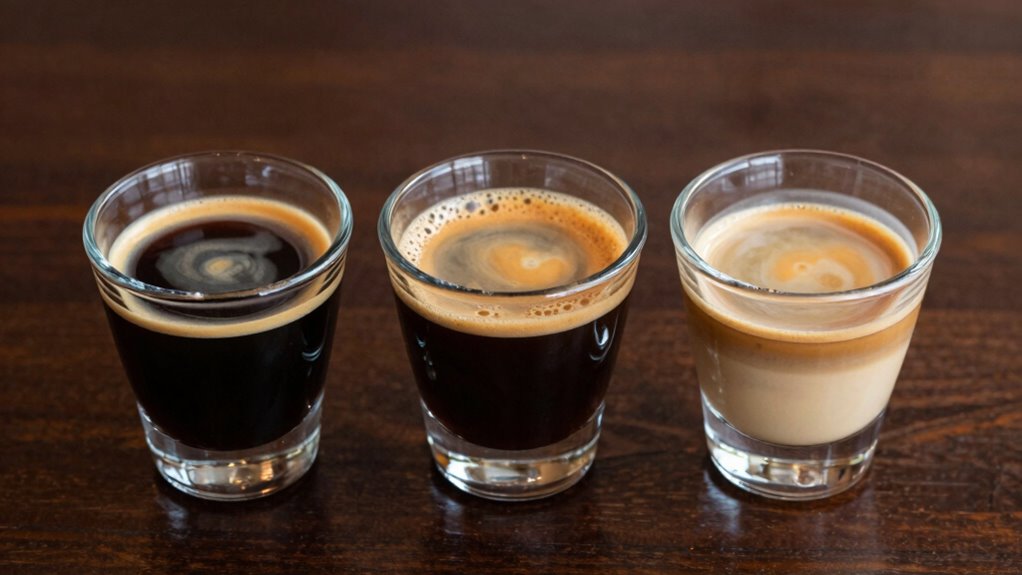
Choosing the right coffee style depends on your personal taste preferences and how you enjoy your caffeine fix. If you prefer a bold, intense coffee with a rich coffee aroma, a ristretto or espresso might suit you best. Ristretto offers a concentrated shot with a fuller flavor, while espresso provides a balanced, aromatic experience. Additionally, mastering milk steaming techniques can elevate the overall richness of your coffee drinks. Exploring must-see destinations for coffee enthusiasts can also enhance your appreciation for different styles. On the other hand, if you enjoy a milder, more extended coffee, a lungo could be your pick, offering a subtler taste with a lighter aroma. Serving traditions also matter—some cultures favor quick, strong shots, while others prefer longer, leisurely drinks. Consider how you like your coffee to smell and taste, and choose the style that aligns with your preferred coffee aroma and your daily routine. Additionally, exploring different brewing choices can enhance your overall coffee experience. It’s also beneficial to assess personal risk tolerance levels before experimenting with new brewing methods, ensuring you choose what truly satisfies your palate. Investing in espresso machines under $1000 can elevate your coffee-making skills and allow you to enjoy your favorite styles at home.
Common Mistakes When Ordering or Making These Coffees
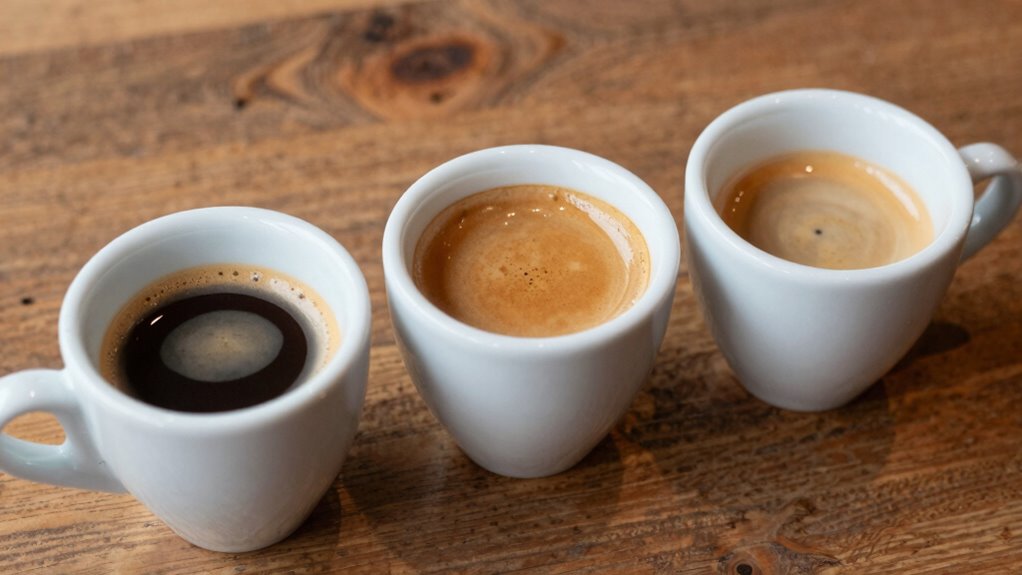
One common mistake when ordering or making these coffees is not specifying the correct parameters, such as shot volume, extraction time, or grind size. This can lead to inconsistent flavor and texture. For example, using improper grind size affects extraction, while neglecting proper milk frothing impacts creaminess. To avoid these errors:
- Skipping precise measurements when using coffee accessories like tampers and timers
- Over or under steaming milk, affecting texture and temperature
- Relying solely on automatic machines without adjusting settings for shot length and grind
Pay attention to these details to ensure your coffee tastes just right. Proper milk frothing enhances espresso-based drinks, and using the right coffee accessories helps you achieve consistent results. Avoid guesswork by understanding the basics of each step.
How to Make Ristretto, Espresso, and Lungo at Home
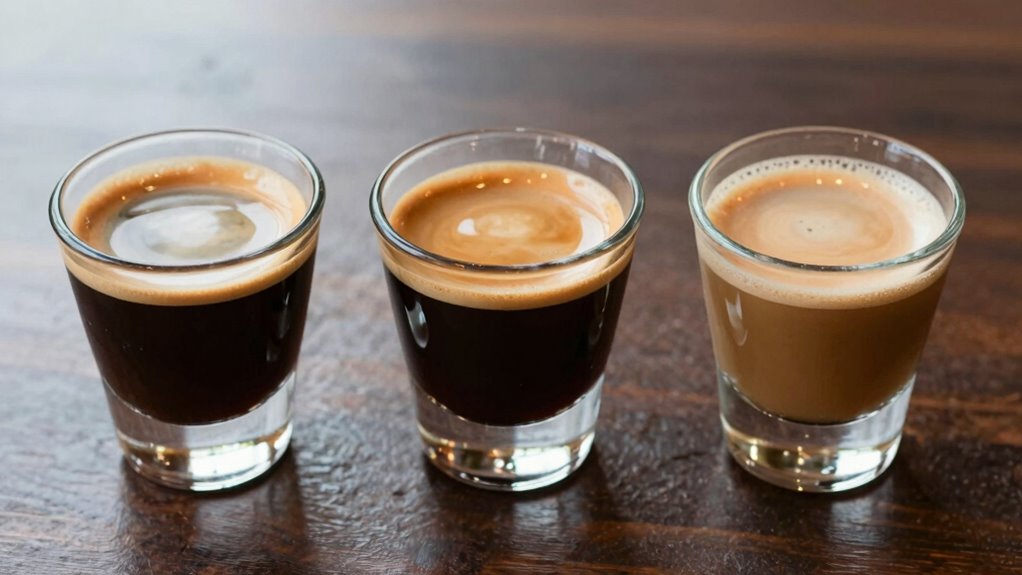
Making ristretto, espresso, and lungo at home is straightforward once you understand their key differences and the right techniques. Start with quality coffee bean varieties—light or dark roast, depending on your flavor preference. Use a precise grind size: finer for ristretto and espresso, slightly coarser for lungo. Focus on extraction time: 25-30 seconds for espresso, shorter for ristretto, longer for lungo. Milk foam techniques vary; for creamy textures, steam milk until smooth and velvety. Visualize the process:
| Coffee Style | Key Characteristics |
|---|---|
| Ristretto | Short shot, intense flavor, less water |
| Espresso | Classic shot, balanced, rich aroma |
| Lungo | Longer shot, milder, more water |
Master these basics, and you’ll craft perfect coffees every time.
Frequently Asked Questions
Can You Customize the Strength of Each Coffee Style?
Yes, you can customize the strength of each coffee style by adjusting brewing techniques. For a stronger flavor profile, increase the coffee dose or use a finer grind, especially for espresso. To weaken the strength, use a coarser grind or reduce brewing time. Ristretto offers a more concentrated taste, while lungo provides a milder profile. Experimenting with these variables allows you to tailor each style’s flavor to your preference.
How Do Different Beans Impact These Coffee Types?
You’d think beans don’t matter, but they do. A dark roast from Brazil adds boldness, perfect for espresso, while a light roast from Ethiopia offers bright, fruity notes ideal for a lungo. Coffee origin influences flavor profiles, and bean roast impacts strength and body. So, your choice of beans shapes each coffee style’s taste, aroma, and intensity—proving that even in coffee, location and roasting matter more than you might guess.
Are There Health Benefits Associated With Each Style?
You might find health benefits vary with each coffee style due to their unique brewing techniques and coffee flavor profiles. Ristretto, with its concentrated brew, offers antioxidants in a smaller serving, potentially boosting your health. Espresso provides a strong dose of caffeine and antioxidants, while lungo, being milder, may be gentler on your stomach. Though benefits depend on individual health, incorporating these styles thoughtfully can enhance your overall coffee experience.
Which Style Pairs Best With Certain Foods?
You’ll find that ristretto pairs best with rich, chocolatey desserts because its intense, concentrated flavor complements sweet, decadent flavors. Espresso works well with breakfast foods like croissants or biscotti, thanks to its bold, robust flavor profile. Lungo, with its lighter, more diluted taste, pairs nicely with milder foods like fruit or pastries. Your choice depends on the coffee’s flavor profiles and brewing techniques, enhancing your overall tasting experience.
How Do You Store Coffee Beans for Optimal Flavor?
Think of your coffee beans as precious gems that need guarding. To keep their flavor shining, store them in an airtight container, away from light, heat, and moisture. Avoid storing beans in the fridge or freezer, as temperature swings can harm coffee freshness. By protecting your beans with proper storage, you preserve their vibrant aroma and taste, ensuring each brew remains as rich and flavorful as the day you bought them.
Conclusion
Now that you’ve uncovered the subtle differences between ristretto, espresso, and lungo, you’re better equipped to explore these coffee styles with confidence. Think of it as revealing a secret world of flavors—each sip offering a new adventure. So, don’t be shy to experiment and find your perfect brew. After all, the journey to great coffee is a delightful dance between tradition and your personal taste. Cheers to your coffee discovery!
Fall Picks
fall essentials
As an affiliate, we earn on qualifying purchases.