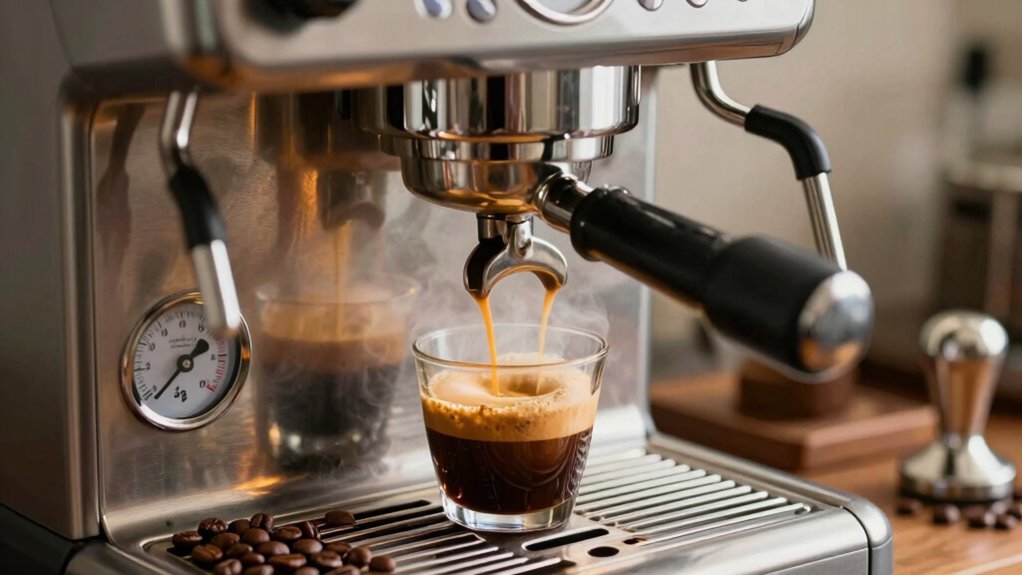
Pressure profiling in espresso lets you control the extraction process, enhancing flavor and aroma. By adjusting the pressure, you can maximize the balance of oils, acids, and sugars in your shot. This method can prevent bitterness from over-extraction and sourness from under-extraction. Key factors include grind size, brew temperature, and coffee freshness, which all play a role in your final cup. Stick around to discover more about the nuances of pressure profiling and how to master it!
Key Takeaways
- Pressure profiling enhances espresso flavor by controlling extraction pressure, allowing for a tailored tasting experience.
- Proper pressure balances oils, acids, and sugars; too much pressure leads to bitterness, while too little results in sourness.
- Key factors influencing pressure profiling include water temperature, grind size, extraction time, brew ratio, and coffee freshness.
- Achieving effective pressure profiling at home requires equipment like a pressure gauge, flow control, and a quality grinder.
- Common mistakes include neglecting pressure calibration and rushing adjustments; troubleshooting involves checking flow rates, grind size, and equipment cleanliness.
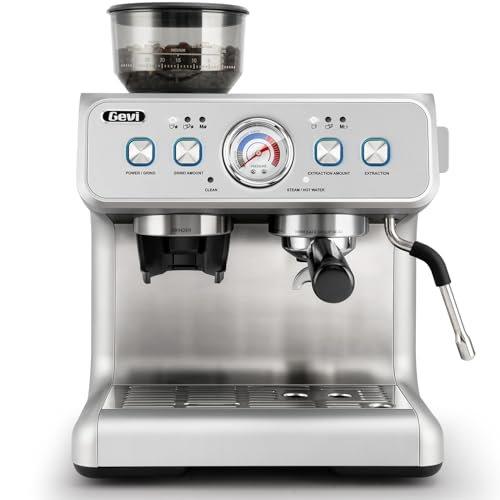
Gevi Dual Boiler Espresso Machine with Built-in Grinder, 58mm Commercial Portafilter, Barista Steam Wand, 31 Grind Settings, Stainless Steel, for Home Barista Use, Sterling Silver
𝐏𝐨𝐰𝐞𝐫𝐟𝐮𝐥 𝐚𝐧𝐝 𝐬𝐭𝐚𝐛𝐥𝐞 𝐏𝐫𝐞𝐬𝐬𝐮𝐫𝐞 𝐒𝐲𝐬𝐭𝐞𝐦 - Gevi espresso machine's high-pressure system expertly manages the flow of water, forcing...
As an affiliate, we earn on qualifying purchases.
What Is Pressure Profiling in Espresso?

When you brew espresso, pressure profiling allows you to control the pressure applied during extraction, enhancing flavor and aroma. By making precise pressure adjustments, you can influence the rate of flavor extraction, bringing out unique notes in your coffee. This technique also works hand-in-hand with brew temperature, grind size, and shot timing. For instance, a fine grind might require different pressure settings than a coarser one to achieve ideal flavor. Additionally, adjusting the pressure as the shot progresses can highlight the coffee’s freshness, ensuring each sip bursts with energy. By mastering pressure profiling, you gain the ability to tailor each brew to your taste preferences, creating a truly personalized espresso experience.
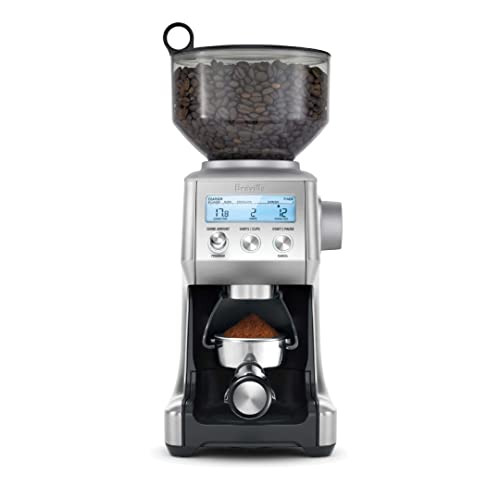
Breville BCG820BSS Smart Grinder Pro for Coffee and Espresso, Brushed Stainless Steel
The Breville Smart Grinder Pro includes 60 unique settings – this programmable conical burr grinder offers a wide...
As an affiliate, we earn on qualifying purchases.
Why Does Pressure Matter for Espresso Extraction?
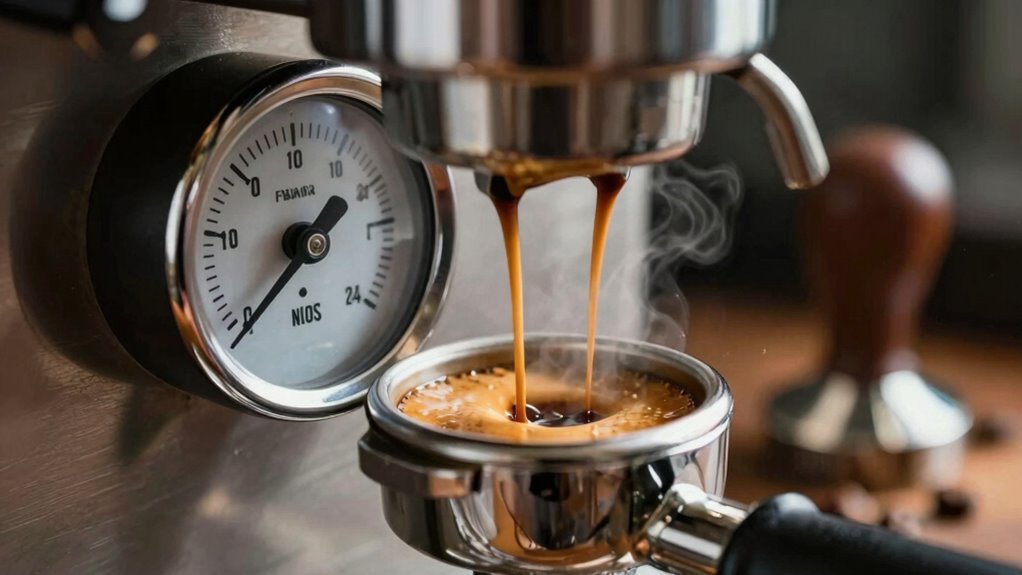
Understanding why pressure matters for espresso extraction is essential for achieving the perfect shot. Pressure directly influences the extraction time and how flavors develop in your coffee. When you apply the right amount of pressure, you can extract oils, acids, and sugars that create a harmonious flavor balance. Too much pressure can lead to over-extraction, resulting in bitterness, while too little can cause under-extraction, leaving your shot sour and lacking depth. By fine-tuning the pressure throughout the extraction process, you’re able to manipulate these variables to craft a shot that highlights the nuances in your beans. Ultimately, mastering pressure allows you to bring out the best flavors, ensuring every cup is a delightful experience.
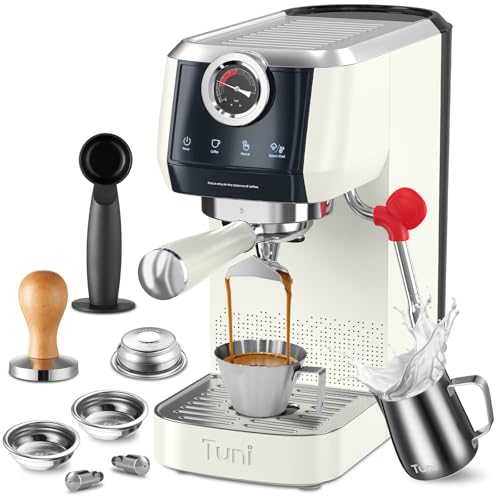
Tuni E2 58mm Espresso Machine - Dual Boiler (Immediate Milk Frothing) | PID NTC Temp Control | 20 Bar ULKA Pump | Stainless Steel Semi-Automatic Coffee Maker | Gift for Coffee Lovers
[Package Includes & Care] - Espresso Machine*1, 𝟐 𝐅𝐢𝐥𝐭𝐞𝐫 𝐁𝐚𝐬𝐤𝐞𝐭𝐬(𝐒𝐢𝐧𝐠𝐥𝐞 𝐖𝐚𝐥𝐥, 𝐍𝐨𝐧-𝐩𝐫𝐞𝐬𝐬𝐮𝐫𝐢𝐳𝐞𝐝), 𝟏 𝐃𝐨𝐮𝐛𝐥𝐞 𝐒𝐡𝐨𝐭 𝐁𝐚𝐬𝐤𝐞𝐭 (𝐃𝐮𝐚𝐥 𝐖𝐚𝐥𝐥,...
As an affiliate, we earn on qualifying purchases.
Essential Factors Impacting Pressure Profiling
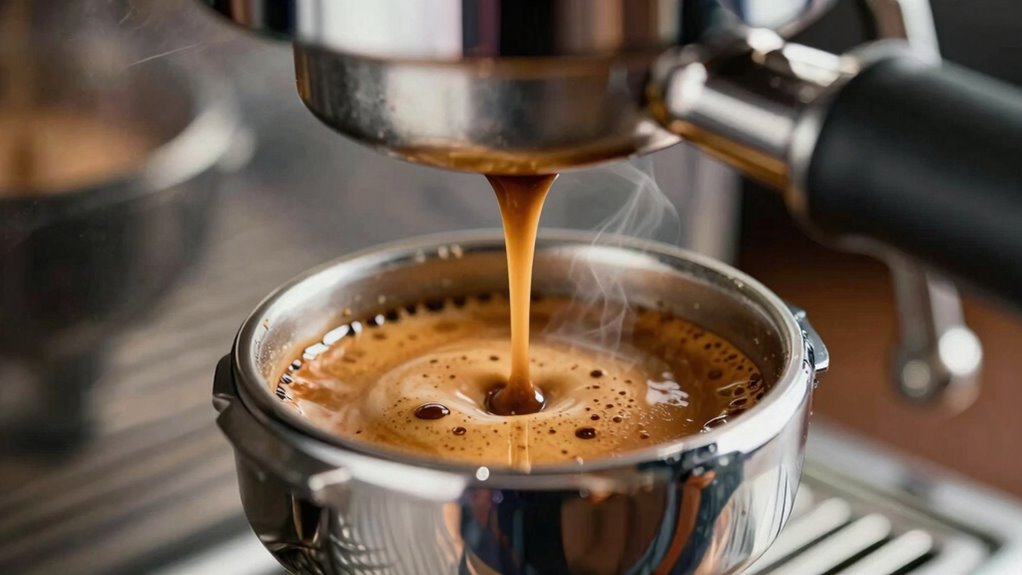
While pressure profiling can elevate your espresso game, several essential factors influence its effectiveness. First, pressure adjustments play a key role in shaping flavor notes and crema quality. Water temperature also impacts extraction; too hot or cold can lead to undesirable results. Grind size is just as important—fine particles may extract too quickly, while coarse ones can under-extract. Additionally, extraction time and brew ratio determine how well the coffee’s characteristics shine through, affecting overall taste. Don’t forget about espresso freshness; older beans can ruin your profile. Finally, consider the coffee origin and its unique traits, as these elements all contribute to the final cup’s brilliance. Master these factors, and your pressure profiling will truly shine.

MOKKOM Professional 64mm Flat Burr Coffee Grinder with 100 Grind Settings, All-Metal Stainless Steel Body, Coffee Bean Grinder with Adjustable Electronic Timer, Anti-Static, LED Display
[64mm Stainless Steel Flat Burrs] As a professional coffee grinder, this machine uses 64mm stainless steel flat burrs...
As an affiliate, we earn on qualifying purchases.
How to Achieve Pressure Profiling at Home

To achieve pressure profiling at home, you’ll need the right equipment and a clear process. We’ll walk you through the essential tools and a step-by-step guide to get you started. Plus, we’ll highlight common mistakes so you can avoid them and perfect your brew.
Essential Equipment Needed
If you want to achieve pressure profiling at home, having the right equipment is essential. Start with an espresso machine equipped with a pressure gauge and flow control to monitor and adjust brewing dynamics. A quality coffee grinder is vital for achieving the perfect grind size, ensuring ideal extraction time and bean freshness. Pay attention to water quality; using filtered water can greatly enhance flavor. The brewing temperature should be consistent, as it influences the final taste. Additionally, mastering your tamping technique will help you achieve even extraction. With these elements in place, you’ll be set to experiment and refine your pressure profiling skills, leading to a truly unique espresso experience. Remember, coffee gear selection can significantly impact your results, so choose wisely. Investing in super-automatic espresso machines can also streamline the process and provide precise control over your brewing parameters.
Step-By-Step Process
With the right equipment in place, you’re ready to explore the step-by-step process of pressure profiling at home. Start by selecting your coffee beans and adjusting the grind size to match your desired brew strength. Next, utilize effective tamping techniques to guarantee an even extraction.
Here’s a quick reference table to guide you:
| Step | Action | Emotion Evoked |
|---|---|---|
| Choose Beans | Select your favorite blend | Excitement |
| Grind Coffee | Adjust size for ideal flow | Anticipation |
| Tamp Evenly | Apply consistent pressure | Confidence |
| Brew with Precision | Monitor pressure during extraction | Satisfaction |
Follow these steps, and you’ll be on your way to mastering pressure profiling and enjoying a richer espresso experience at home!
Common Mistakes to Avoid
While diving into pressure profiling at home can be exciting, it’s easy to fall into common traps that can ruin your espresso experience. One mistake is neglecting proper pressure calibration. If your machine isn’t calibrated correctly, you’ll face inconsistent results. This can lead to over extraction risks, resulting in bitter flavors. Additionally, using the right essential oils for toothache relief may help soothe any discomfort you experience while perfecting your brewing technique. Properly calibrated machines often yield better flavor extraction, enhancing your overall espresso quality. Achieving optimal brew temperature is also crucial, as it can significantly influence the extraction process.
Another pitfall is rushing the process. Take your time to adjust the pressure gradually; sudden changes can shock the coffee and affect the taste. Don’t forget to experiment with different beans and grinds, as they can react differently to pressure changes. Finally, keep your equipment clean. Residue can alter pressure dynamics and flavor profiles. Additionally, understanding color accuracy can enhance your overall espresso experience, as it affects how you perceive the nuances of flavor. Avoiding these mistakes will help you achieve better pressure profiling at home.
Debunking Common Pressure Profiling Myths
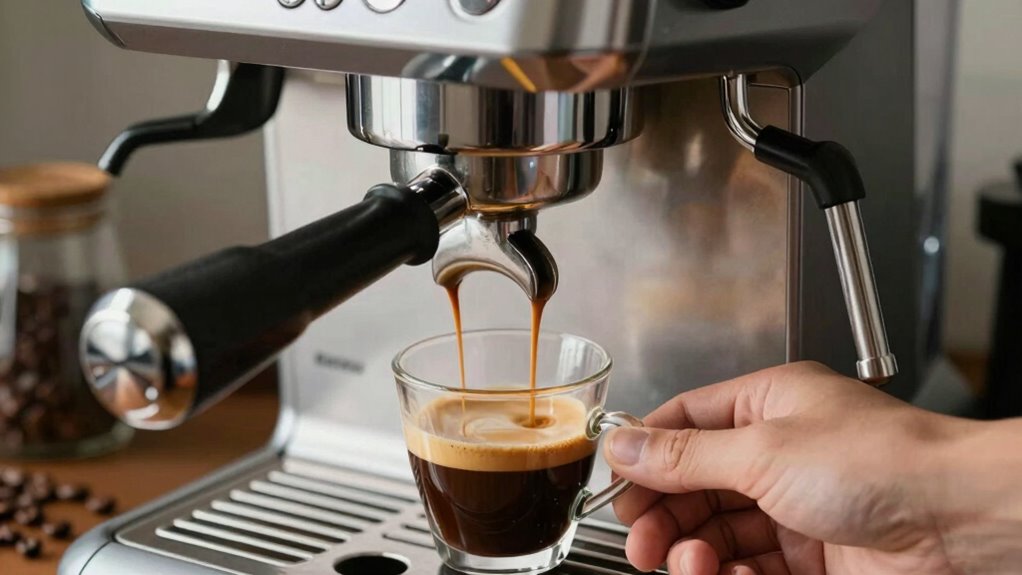
Many people think that higher pressure always means better flavor, but that’s just not true. You might find that consistency is more important than complexity when it comes to your shots. Plus, while equipment matters, your technique plays a huge role in achieving great espresso.
Pressure Equals Better Flavor
Although pressure profiling has gained popularity among coffee enthusiasts, it’s essential to separate fact from fiction regarding its impact on flavor. Many believe that simply increasing pressure guarantees better tasting notes, but that’s not always true. Effective pressure adjustment can help achieve flavor balance, but it’s just one piece of the puzzle. Factors like grind size, water temperature, and brew time play vital roles in your extraction yield. The coffee origin and roast profile also greatly influence the final taste. Relying solely on pressure won’t enhance your espresso; instead, consider it alongside your brew method and other variables. By understanding these interactions, you’ll create a more harmonious cup, elevating your coffee experience without falling for myths. Additionally, mastering milk steaming techniques can further enhance the overall quality of your espresso-based drinks. Moreover, being aware of caffeine content variations can help you tailor your coffee to your taste preferences.
Consistency Over Complexity
Pressure profiling can seem complex, but achieving consistency in your espresso is often more essential for great flavor. Many baristas get caught up in intricate techniques, forgetting that simplicity can yield better results. Here are some effective consistency techniques to help you strike a complexity balance:
- Use a reliable scale for accurate measurements.
- Maintain water temperature throughout the extraction.
- Standardize your grind size for uniformity.
- Monitor brew time closely to prevent over-extraction.
- Regularly clean your equipment to avoid flavor contamination.
Equipment Matters Most
While some believe that mastering pressure profiling solely relies on advanced techniques, the truth is that your equipment plays a crucial role in achieving ideal results. Gear selection impacts everything—your machine’s calibration, pressure settings, and even the quality of pressure gauges you use. A well-calibrated machine guarantees peak brew temperature and consistent extraction time. Pay attention to grind size and water quality, as they influence your overall user experience. Regular maintenance routines can prevent issues that may hinder performance. Ultimately, the right equipment not only enhances your skills but also allows you to explore the intricacies of pressure profiling, making it easier to achieve that perfect espresso shot. Invest wisely, and you’ll reap the benefits.
How Your Gear Affects Pressure Profiling

The quality of your gear plays an essential role in pressure profiling, shaping not just the extraction process but also the flavor of your espresso. Proper gear calibration guarantees consistency, while the right pump types and pressure gauges help you control extraction variables effectively. Here are key elements to take into account:
The quality of your equipment is crucial for precise pressure profiling and flavor extraction in espresso.
- Espresso machines: High-quality machines provide better pressure control, ensuring optimal extraction rates for superior flavor. Investing in best esthetician magnifying lamps can also improve your overall precision in brewing. Additionally, acoustic treatment can create a more focused environment for refining your brewing techniques.
- Grinder settings: Consistent grind size affects flow rate and extraction.
- Brew temperature: Ideal temperatures enhance flavor extraction.
- Coffee freshness: Fresh beans improve overall taste and aroma.
- Tamping technique: Even tamping guarantees uniform water flow through the coffee bed.
Additionally, investing in innovative kitchen tools can elevate your brewing experience and streamline your espresso-making process.
Flavor Differences: Pressure Profiling vs. Traditional Methods
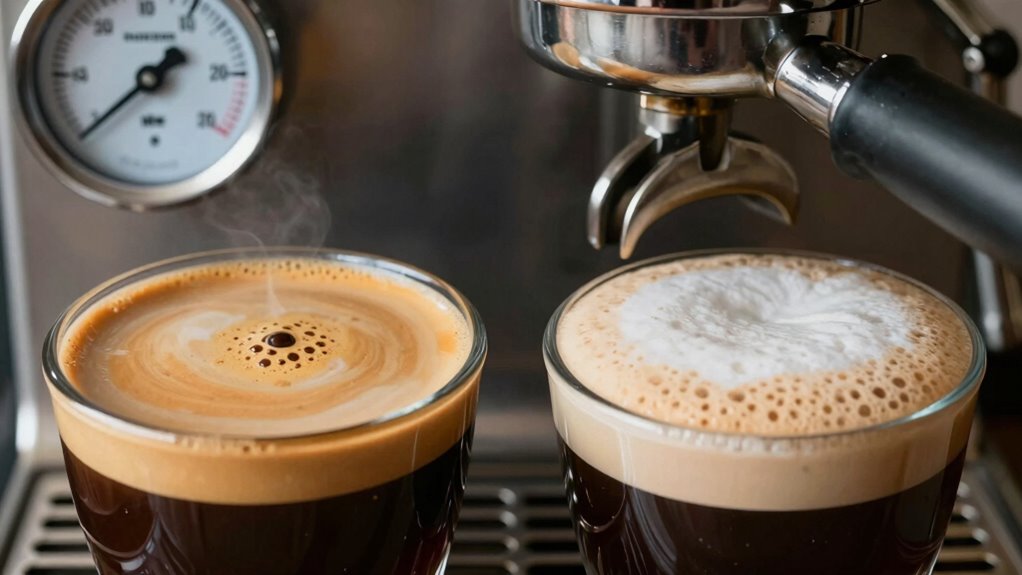
Understanding how gear impacts pressure profiling opens up a conversation about the flavor differences you can experience. With pressure profiling, you gain control over extraction dynamics, allowing you to highlight specific flavor nuances. By adjusting pressure throughout the brewing process, you can emphasize sweetness or acidity, tailoring the espresso to your taste. Traditional methods often rely on a constant pressure, leading to a more uniform extraction that may miss those intricate flavors. This means you’ll find that pressure profiling can produce a more complex and layered cup, enhancing your overall coffee experience. Ultimately, experimenting with pressure can reveal new dimensions in your espresso that you might not have noticed before. Additionally, the principles of aromatherapy benefits can also enhance your sensory experience, making coffee tasting even more enriching.
Troubleshooting Common Pressure Profiling Issues

Five common issues can arise when pressure profiling your espresso, each affecting the final cup’s quality. Addressing these concerns can greatly enhance your brewing experience:
- Inconsistent flow rate: Check your machine calibration for proper pressure adjustments. Maintaining indoor air quality can also create a more pleasant brewing environment.
- Improper grind size: Affects extraction variables; verify it matches your espresso ratios.
- Brew time discrepancies: Monitor timing closely; variations can lead to over or under-extraction.
- Temperature control issues: Fluctuations can impact flavor; maintain a stable brewing temperature.
- Coffee freshness: Stale beans can compromise taste; always use freshly roasted coffee. Understanding investment regulations can also help you budget for high-quality equipment.
Final Thoughts on Pressure Profiling

While pressure profiling may seem complex, it offers a rewarding way to access the full potential of your espresso. By adjusting variables like brew time, grind size, and water temperature, you can fine-tune your extraction yield. Fresh coffee enhances flavor, so always prioritize coffee freshness, while your choice of bean origin and roast level can greatly impact the final cup. Don’t overlook the importance of water quality; it’s vital for ideal extraction. Your tamping technique also plays an important role in achieving even pressure throughout the brew. Finally, verify your machine calibration is spot-on to maintain consistency. Embracing these elements will elevate your espresso game, allowing you to explore the rich nuances in every shot.
Frequently Asked Questions
Can Pressure Profiling Improve My Espresso Machine’s Lifespan?
Yes, pressure profiling can improve your espresso machine’s lifespan. By allowing you to control extraction consistency, it reduces the risk of over-extraction and minimizes wear on your components. Regularly adjusting pressure during brewing helps you identify potential issues early, leading to better machine maintenance. Plus, it can enhance your coffee’s flavor, making each shot more enjoyable. Ultimately, taking care of your machine pays off in longevity and taste.
What Is the Ideal Pressure Range for Espresso Extraction?
You might think there’s a simple answer, but the ideal pressure for espresso extraction typically hovers around 9 bars. Achieving this pressure lets you extract rich flavors while maintaining balance. If you stray too high, you risk over-extraction, leading to bitterness. Too low, and you miss out on those vibrant notes. Keep your machine calibrated, and you’ll find that sweet spot, ensuring every shot pulls perfectly and tastes divine.
How Does Water Temperature Affect Pressure Profiling?
Water temperature greatly impacts pressure profiling by influencing extraction efficiency. When you brew at higher temperatures, you increase the solubility of coffee compounds, leading to a richer flavor but potentially over-extraction. Conversely, lower temperatures may result in under-extraction, causing sour or weak tastes. By adjusting the temperature during pressure profiling, you can fine-tune your espresso’s taste, balancing richness and clarity for a more satisfying cup that meets your preferences.
Are There Specific Beans Best Suited for Pressure Profiling?
Yes, certain beans are better suited for pressure profiling. Look for beans with specific origins, like Ethiopian or Colombian, as they often showcase vibrant flavor notes. The roast level matters too; lighter roasts highlight acidity and complexity, while darker roasts provide body. Adjusting extraction variables, like pressure and time, can enhance these characteristics. Experimenting with different combinations will help you reveal the unique potential of each bean during pressure profiling.
Can Pressure Profiling Be Done With Non-Espresso Machines?
You can’t make an omelet without breaking some eggs. Yes, pressure profiling can be applied to non-espresso machines! While it’s more commonly associated with espresso, some brewing methods like pour-over or siphon can benefit from pressure profiling techniques. By carefully controlling the pressure, you can enhance extraction and flavor. Just keep in mind that the results might vary, so experimenting is key to finding what works best for your non-espresso applications.
Conclusion
In the world of espresso, pressure profiling is like a symphony, with each component playing its part to create a harmonious cup. Embracing this technique can elevate your brewing experience, transforming the ordinary into the extraordinary. So, don’t just brew—dance with your espresso machine, explore its nuances, and let every sip reveal a new layer of flavor. With a little practice, you’ll be crafting liquid poetry that sings to your palate, one shot at a time.