

To remove coffee oils from your equipment, start by running hot water or a vinegar-water solution through your machine to loosen the buildup. Follow with a thorough deep clean using baking soda or a specialized cleaner, ensuring you target all contact areas. Rinse well to remove residues and avoid flavor transfer. Regular maintenance and prompt cleaning prevent future buildup. For detailed steps and tips on keeping your machine in top shape, explore the full guide.
Open a free Amazon Business account
Business pricing, bulk buying and tax-exempt orders.
As an affiliate, we earn on qualifying purchases.
Key Takeaways
- Run hot water or vinegar cycles through your machine to loosen and remove internal coffee oils.
- Use specialized cleaners or baking soda paste for deep cleaning of brew components and grinders.
- Rinse thoroughly with warm water after cleaning to eliminate residues and prevent buildup.
- Regularly clean and wipe brewing parts, filters, and carafes after each use to prevent oil accumulation.
- Perform periodic descaling and maintenance to sustain equipment performance and avoid oil-related issues.
As an affiliate, we earn on qualifying purchases.
Why Coffee Oils Build Up and How They Affect Your Brew

Coffee oils naturally accumulate in your brewing equipment over time, especially if you don’t clean regularly. Different coffee bean varieties, like dark roasts or single-origin beans, release varying amounts of oils, impacting buildup. Additionally, brewing techniques such as French press or espresso can extract more oils, leading to faster residue accumulation. These oils aren’t just harmless; they can alter the flavor of your coffee, making it taste rancid or overly bitter. Over time, the oils create a sticky film that affects water flow and heat transfer, diminishing extraction quality. As a result, your brews become less flavorful and consistent. Understanding how coffee bean varieties and brewing methods influence oil buildup helps you recognize the importance of regular cleaning to maintain ideal coffee flavor. Regular maintenance can also contribute to a quieter brewing environment, ensuring minimal noise during your coffee-making process. Moreover, a clean coffee maker can enhance overall brewing efficiency, leading to a more satisfying experience. Keeping your equipment clean not only preserves flavor but also extends the lifespan of your gear, ensuring optimal performance and reliable brewing results.
As an affiliate, we earn on qualifying purchases.
How to Recognize Signs of Coffee Oil Buildup
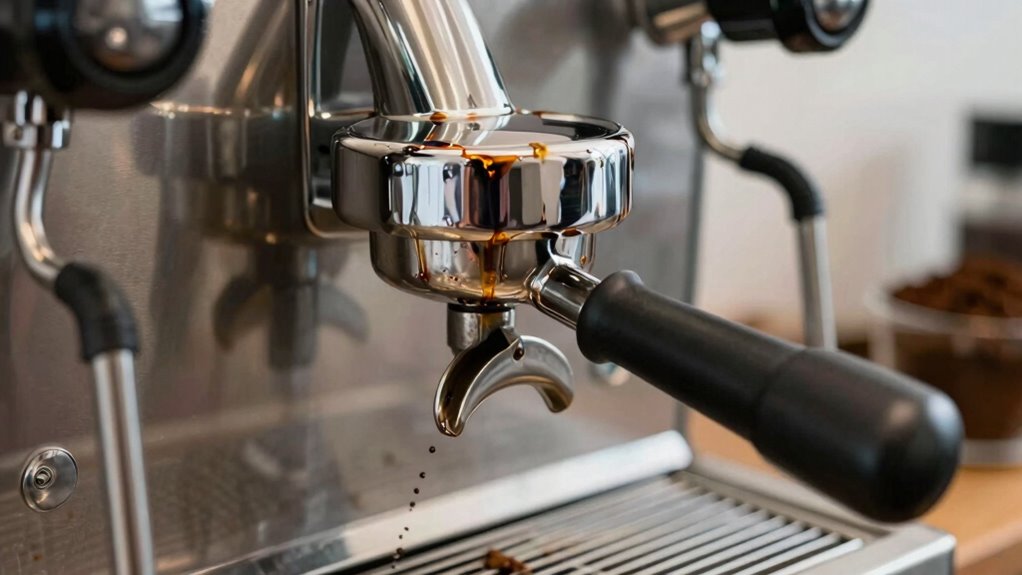
You’ll notice visible oil residue on your equipment’s surfaces, which is a clear sign of buildup. An unpleasant coffee aroma lingering in your brew is another warning, indicating oils are affecting your coffee’s freshness. Additionally, if your coffee tastes off or weaker than usual, it’s likely due to decreased brew quality caused by oil accumulation. Regular cleaning of your equipment is essential for maintaining color accuracy and ensuring optimal performance. To prevent sound quality issues, it’s crucial to address coffee oil buildup promptly, as regular maintenance is key for architectural solutions that enhance the longevity of your equipment. Understanding the importance of chain of custody in maintaining your equipment can also help ensure that cleaning processes are thorough and effective. Incorporating eco-friendly practices into your cleaning routine can further support the health of your coffee equipment.
Visible Oil Residue
Visible Oil Residue (How to Recognize Signs of Coffee Oil Buildup)
Recognizing visible oil residue is a crucial step in maintaining clean coffee equipment. When oil builds up, you’ll notice a film or sheen on surfaces like the brew basket, shower screens, or drip trays. These oily spots can appear dark or sticky, making them easy to spot during routine inspections. If you see persistent oil residue, it’s a clear sign that your equipment needs a thorough cleaning to prevent flavor transfer and equipment damage. Regular equipment maintenance helps keep your coffee fresh and your machine running smoothly. Pay close attention to areas where coffee flows or collects, as these are common spots for oil buildup. Additionally, just as in golf, routine maintenance is essential for preserving the integrity of your tools and ensuring optimal performance. For similar reasons, protecting delicate skin is important in other contexts, such as when using products on sensitive surfaces like coffee equipment. The buildup of coffee oils is similar to how nail strength can be affected by neglecting proper care, making it essential to stay vigilant. Regular cleaning of your equipment can also enhance the overall coffee experience by ensuring that flavors are not compromised, particularly when it comes to seasonal produce. Moreover, a clean machine not only improves taste but also reflects the importance of cultural celebrations in sharing coffee experiences with others.
Unpleasant Coffee Aroma
Have you noticed a persistent, unpleasant aroma lingering around your coffee equipment? This scent often signals coffee oil buildup, which can develop over time from frequent use and insufficient equipment maintenance. Coffee bean roasting releases oils that cling to surfaces, and if not cleaned regularly, these oils accumulate, creating odors that affect your brew’s flavor. An off-putting smell isn’t just about cleanliness—it indicates that oils are seeping into your equipment, trapping residues and bacteria. Recognizing this scent early helps you prevent further issues. Regular equipment maintenance, including thorough cleaning and descaling, is essential to keep these oils from building up and causing unpleasant aromas. Additionally, proper cleaning techniques can significantly enhance the longevity of your coffee equipment. Incorporating support networks for new fathers can also provide valuable insights on maintaining a clean and efficient coffee setup. Addressing the smell promptly ensures your coffee remains fresh and free from unwanted odors.
Decreased Brew Quality
When coffee oil buildup occurs, it often leads to a noticeable decline in the quality of your brew. You might notice a duller flavor or a lack of brightness in your coffee, even if your coffee bean freshness is high. Oil residues can clog your equipment’s internal components, affecting brewing temperature consistency and causing uneven extraction. This results in a flat or bitter taste, making your coffee less enjoyable. If your brew seems weaker or lacks aroma, oil buildup could be the culprit. Regular cleaning helps maintain best brewing conditions, ensuring your coffee maintains its vibrant flavor. Recognizing these signs early allows you to take action, preserving the quality of your coffee and ensuring each cup is as fresh and flavorful as intended. Additionally, essential oils for toothache relief can provide natural comfort if you experience discomfort while enjoying your coffee. To prevent this issue, it is crucial to implement proper piercing care and hygiene practices, as maintaining cleanliness is essential for optimal performance. Furthermore, seasonal variations in coffee beans can also affect the flavor, making it even more important to keep your equipment clean. The impact of auditory processing challenges can also hinder your ability to appreciate the full sensory experience of coffee, so ensuring clarity in your surroundings can enhance enjoyment.
As an affiliate, we earn on qualifying purchases.
What Supplies You Need to Clean Coffee Oils Effectively
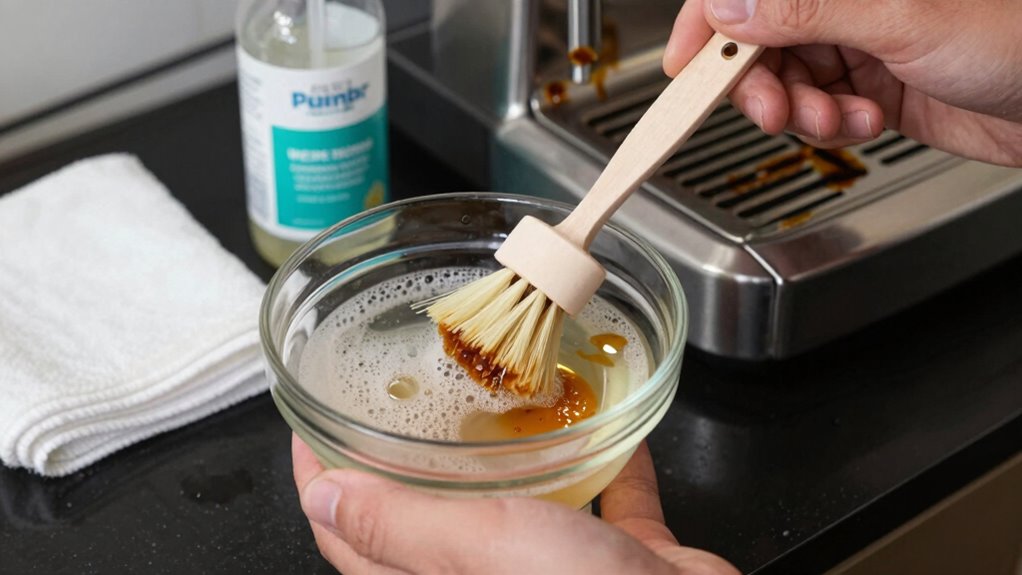
To effectively remove coffee oils from your equipment, gather the right supplies beforehand. You’ll need items that cut through oils and residue, regardless of coffee bean varieties or brewing techniques. Essential supplies include a coffee machine cleaner or descaler, a soft-bristled brush or sponge, microfiber cloths, and white vinegar or a commercial degreaser.
| Item | Purpose | Notes |
|---|---|---|
| Coffee cleaner | Breaks down oils and residue | Use as per instructions |
| Soft brush or sponge | Scrubs internal parts | Gentle but effective |
| Microfiber cloths | Wipe surfaces clean | Avoid scratches |
| White vinegar | Natural degreaser | Dilute with water |
| Water | Rinse and flush | Remove cleaning agents |
vinegar cleaning solution for coffee makers
As an affiliate, we earn on qualifying purchases.
As an affiliate, we earn on qualifying purchases.
Preparing Your Coffee Machine for Oil Removal
Sure! Here’s the revised content with the requested changes:
—
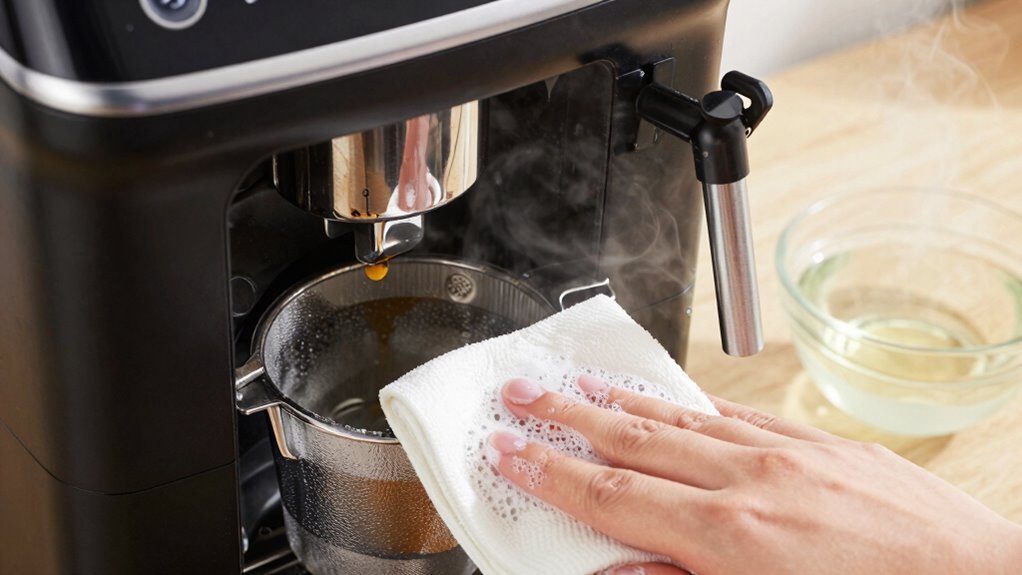
Are you ready to get your coffee machine spotless and oil-free? First, confirm your coffee beans are fresh, as stale beans can contribute to buildup. Before cleaning, run your machine with hot water to reach the perfect brewing temperature, which helps loosen oils from internal parts. Remove any remaining coffee grounds and rinse the brew basket thoroughly. Check the grinder for leftover coffee oils and clean it if needed. Wipe down all accessible surfaces with a damp cloth. This preparation minimizes residue and makes the oil removal process more effective. Additionally, understanding the importance of ethical consumer choices can enhance your overall coffee experience. Moreover, regular maintenance of your equipment can lead to better performance over time. Keeping your equipment clean can also improve family waterpark experiences, as a well-maintained coffee machine can provide the perfect pick-me-up after a fun day. Emotional skills can also play a role in your routine, as staying patient and attentive during cleaning can improve your overall satisfaction. Also, confirm your machine is unplugged and cooled down before starting. Properly preparing your equipment sets the stage for a thorough cleaning that restores ideal flavor and performance, allowing you to enjoy the rich taste of Italian gelato culture.
—
Let me know if there’s anything else you need!
How to Run a Hot Water or Vinegar Cycle to Loosen Oils
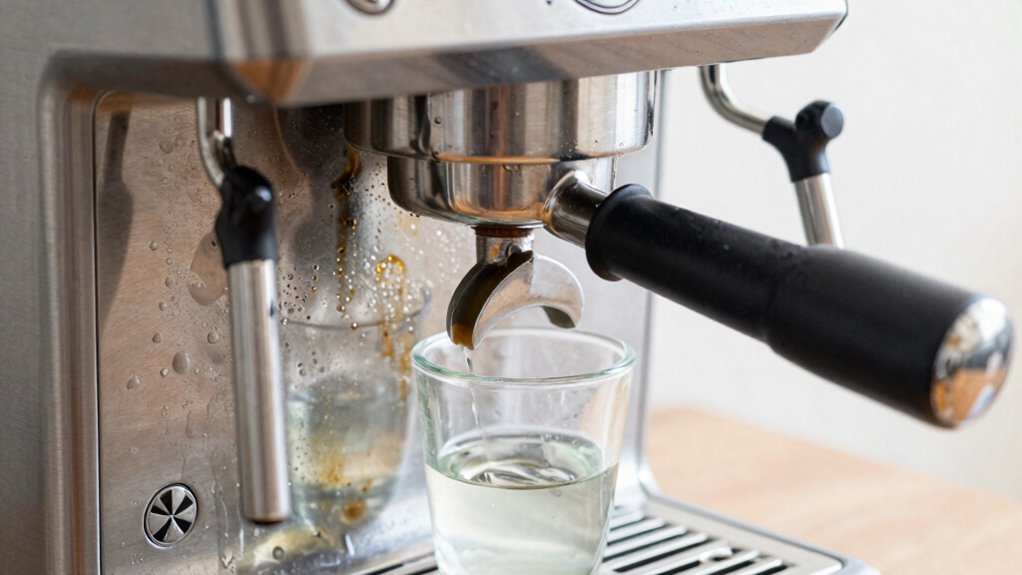
Running a hot water or vinegar cycle helps loosen stubborn coffee oils trapped inside your machine. Start with fresh coffee beans, as their freshness impacts oil buildup, and guarantee the brewing temperature is set high enough to break down oils effectively. Fill your machine’s water reservoir with hot water or a vinegar solution—typically equal parts vinegar and water for cleaning. Run the cycle without coffee grounds, allowing the hot liquid to flow through all internal parts. The heat helps melt and loosen oils stuck on the boiler, pipes, and brew basket. This process not only cleans but also prepares your machine for better brewing, as clean equipment produces better-tasting coffee and prevents oil buildup from affecting future brews.
Deep Cleaning Your Coffee Machine With Cleaner or Baking Soda
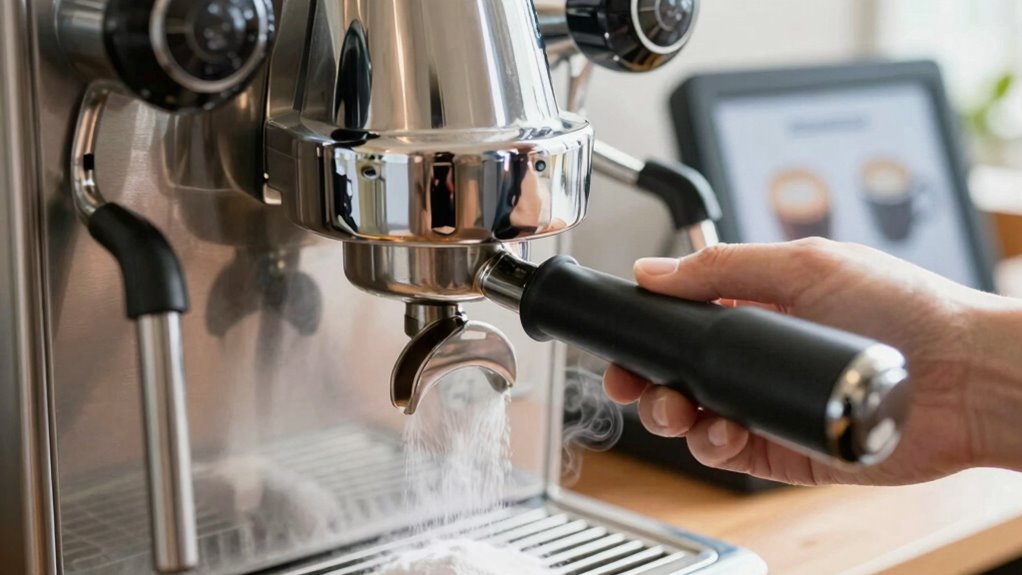
Deep cleaning your coffee machine with a cleaner or baking soda effectively removes residual oils and buildup that hot water cycles might miss. This method is especially helpful if you notice lingering coffee flavors or oily residues. Use a specialized coffee machine cleaner or mix baking soda with water to create a paste. Run this solution through your machine, paying attention to areas that contact coffee bean varieties and oils. Regular cleaning also supports grinder maintenance, preventing oils from transferring between beans and affecting flavor. Baking soda’s abrasive qualities help break down stubborn deposits without damaging components. After cleaning, run multiple water cycles to flush out any residue. This deep clean keeps your equipment fresh, guarantees optimal extraction, and prolongs the lifespan of your coffee machine.
Rinsing Your Coffee Equipment Thoroughly After Cleaning
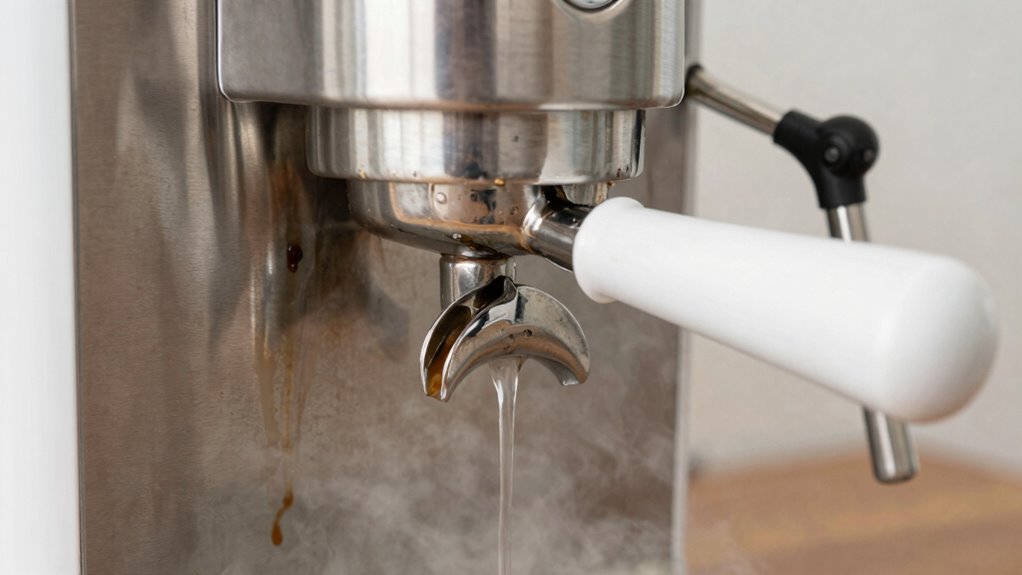
After cleaning your coffee equipment, it’s essential to rinse it thoroughly to remove any remaining soap, baking soda, or cleaning solution residues. Proper rinsing guarantees effective equipment maintenance and prevents flavor contamination. Imagine pouring fresh water into the brewing basket:
| Step | Action | Result |
|---|---|---|
| 1 | Rinse with warm water | Removes loose residues |
| 2 | Scrub gently if needed | Dislodges stubborn oils |
| 3 | Drain thoroughly | Prevents buildup of residues |
| 4 | Repeat if necessary | Ensures clean, oil-free equipment |
Following a consistent cleaning schedule, including thorough rinses, helps maintain your equipment’s performance and longevity. Skipping this step can lead to lingering oils that compromise flavor and equipment health.
Tips to Maintain Your Coffee Machine and Prevent Oil Buildup
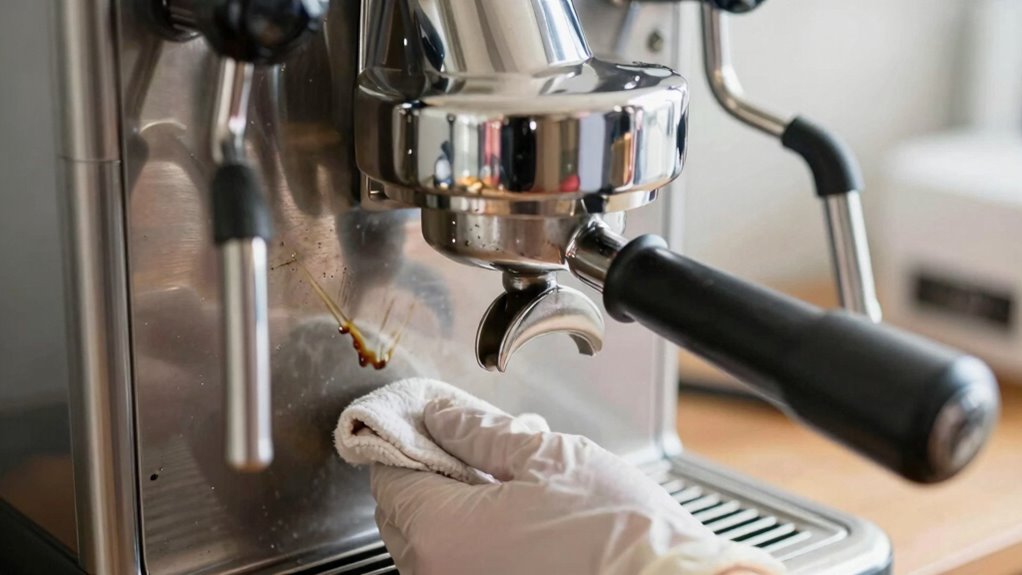
To keep your coffee machine running smoothly and prevent oil buildup, regular maintenance is essential. Start by cleaning your equipment after each use, especially if you switch between different coffee bean varieties, which can leave residues. Using fresh, high-quality beans can also reduce excess oils that cling to machine parts. Pay attention to your brewing techniques; avoid over-extraction and excessive tamping, which can increase oil release. Regularly descale and wipe down filters and carafes to prevent oil accumulation. Implement a routine cleaning schedule based on your usage, and consider using cleaning agents designed for coffee oils. By staying consistent with these practices, you’ll prolong your machine’s lifespan and ensure consistently great-tasting coffee.
Troubleshooting Common Coffee Machine Cleaning Problems

Cleaning your coffee machine can sometimes present unexpected challenges, especially when stubborn residues or blockages arise. Common issues include poor extraction, bitter taste, or slow brewing. To troubleshoot effectively:
- Check your coffee bean storage—moisture or stale beans can affect flavor and clog the grinder.
- Maintain the grinder regularly—clean burrs and blades to prevent oil buildup that hampers performance.
- Run a descaling cycle—mineral deposits can cause blockages and affect water flow.
- Inspect and clean filters and spray heads—clogged parts hinder water distribution and extraction.
Addressing these issues helps guarantee your equipment stays clean and superior. Regular grinder maintenance and proper coffee bean storage are key to avoiding stubborn residues and maintaining excellent taste.
Frequently Asked Questions
How Often Should I Clean Coffee Oils From My Equipment?
You should clean coffee oils from your equipment after every 40 to 80 brewing sessions or weekly, depending on usage. Regular removal of coffee residue is essential for equipment maintenance, ensuring ideal flavor and preventing buildup. If you notice a decline in taste or sticky residue, it’s time to clean. Consistent maintenance keeps your equipment in top shape and preserves the quality of your coffee.
Can Homemade Solutions Effectively Remove Coffee Oils?
Yes, homemade cleaners can effectively remove coffee oils and oil buildup from your equipment. You can use simple ingredients like baking soda, vinegar, or lemon juice to break down the oils. Mix them into a cleaning solution, run it through your machine, and then rinse thoroughly. These natural solutions are safe, affordable, and eco-friendly, making them a great choice for maintaining your coffee gear without harsh chemicals.
Are There Specific Cleaning Products Recommended for Different Coffee Machines?
Yes, you should use specific cleaning products for different coffee machines, believe it or not. Coffee machine detergents are formulated for espresso, drip, or single-serve units, so they work best. But if you’re feeling eco-friendly, natural cleaning solutions can also do the trick, especially for lighter maintenance. Just remember, choosing the right product guarantees your machine stays in top shape, and your coffee keeps tasting divine.
What Are the Risks of Not Removing Coffee Oils Regularly?
If you don’t remove coffee oils regularly, oil buildup can occur, leading to stale flavors and compromised coffee quality. More seriously, these oils can cause equipment corrosion, damaging your machine over time. Neglecting cleaning increases the risk of clogs and mechanical failures, ultimately shortening your equipment’s lifespan. Regular cleaning helps prevent oil buildup and corrosion, ensuring your coffee maker stays in top shape and produces great-tasting coffee every time.
How Can I Prevent Future Coffee Oil Buildup?
To prevent future coffee oil buildup, focus on regular equipment maintenance and coffee oil prevention techniques. Clean your equipment thoroughly after each use, especially parts that contact coffee oils. Use proper cleaning solutions designed for your equipment type. Also, consider running a cleaning cycle with a descaling agent periodically. These practices help keep your equipment in peak condition, ensuring consistent coffee quality and reducing the risk of oil buildup over time.
Conclusion
Keeping your coffee equipment clean is like tending a garden—you need to regularly remove the weeds to keep everything blooming. By following these simple steps, you’ll prevent oil buildup and guarantee each cup tastes fresh and vibrant. Consistent maintenance is your best defense, so make cleaning a routine. Just as a well-kept garden flourishes, a clean coffee machine will reward you with rich, delicious brews every time. Stay diligent, and your coffee will always be at its best.
Flea & tick season Picks
flea and tick prevention
As an affiliate, we earn on qualifying purchases.