
Coffee degassing is the release of carbon dioxide from freshly roasted beans, essential for maximizing flavor and aroma in your brew. If you grind and brew too soon, your coffee may taste flat. Allowing beans to degas for 24 to 72 hours enhances flavor complexity, bringing out rich, vibrant notes. Look for a rich aroma and slight oil sheen to tell when it’s ready. Want to elevate your brewing game further? There’s more to explore.
Key Takeaways
- Freshly roasted coffee beans release carbon dioxide during degassing, enhancing flavor and aroma over time.
- Allowing 24 to 72 hours for degassing optimizes coffee’s flavor profile.
- Brewed coffee benefits from sensory cues, like rich aroma and oily sheen, indicating readiness.
- Freshly ground beans and proper grind size are essential for maximizing flavor during brewing.
- Maintain water temperature between 195°F to 205°F for optimal extraction and flavor enhancement.

Veken Coffee Canister with Window,Airtight Stainless Steel Pantry Container,Home Kitchen Food Storage Organizers for Ground,Beans,Espresso,Rice,Tea,Sugar,Cereal, Decor,Bar Accessories,Gifts,22OZ,Black
Gifts for Coffee Lovers This Christmas: This elegantly designed jar is a stylish and functional gift for coffee…
As an affiliate, we earn on qualifying purchases.
As an affiliate, we earn on qualifying purchases.
What Is Coffee Degassing, and Why Should You Care?
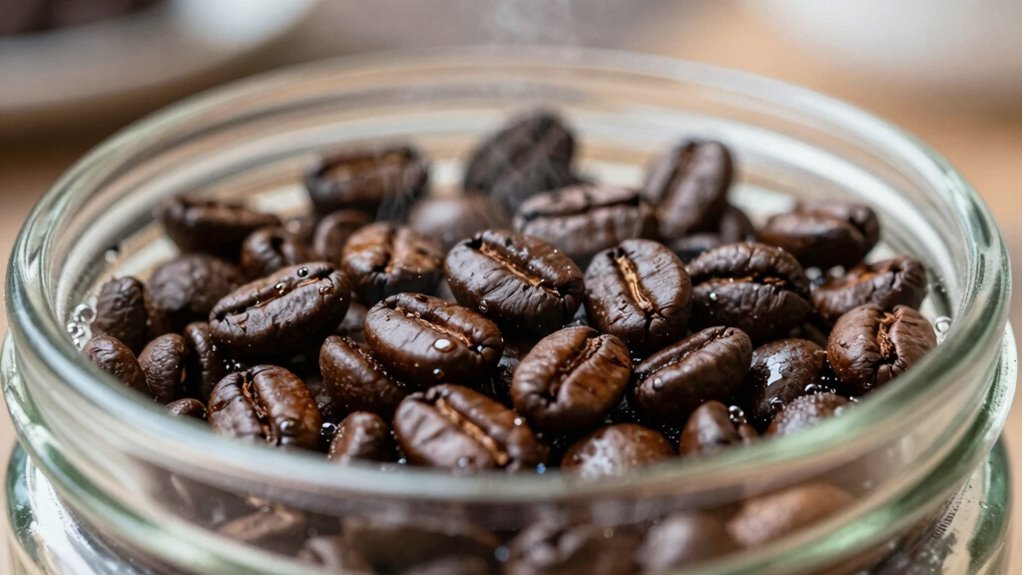
When you brew coffee, you might not realize that freshly roasted beans release carbon dioxide, a process known as degassing. This natural phenomenon plays an essential role in coffee chemistry, impacting how your brew tastes. As the beans roast, they undergo chemical changes that create these gases. If you grind and brew too soon after roasting, the trapped carbon dioxide can disrupt flavor development, leading to a less enjoyable cup. Allowing beans to degas for a few days enhances the flavor complexity, letting the true characteristics of the coffee shine through. By understanding coffee degassing, you can make informed choices about when to brew, ensuring every cup is as rich and vibrant as possible.

Mr. Coffee Digital Easy Measure 12-Cup Programmable Coffee Maker
2-step Advanced Water Filtration System reduces impurities like calcium and chlorine for even better-tasting coffee (replacement cartridges sold…
As an affiliate, we earn on qualifying purchases.
As an affiliate, we earn on qualifying purchases.
Why Coffee Degassing Enhances Flavor and Aroma
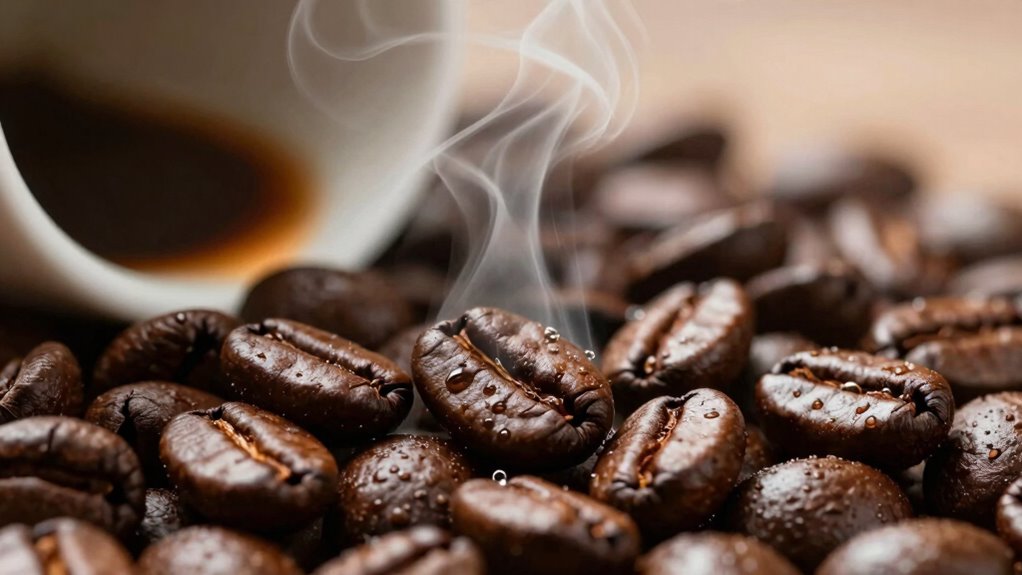
Although you might not notice it immediately, allowing coffee to degas considerably enhances its flavor and aroma. When freshly roasted beans sit for a while, they release carbon dioxide, which can mask desirable notes in your coffee. This process helps refine the flavor profile, permitting the rich complexities of the beans to shine through.
As the gases dissipate, the aroma intensity increases, elevating your overall coffee experience. You’ll begin to notice those subtle hints of chocolate, fruit, or nuts that make each cup unique. By giving your coffee time to degas, you’re fundamentally revealing a fuller, more vibrant taste, turning an ordinary brew into something extraordinary. The brewing methods you choose can also influence how flavor develops during this process. Enjoy the journey of flavors that reveal themselves with just a little patience!

SHARDOR Electric Super Silent Blade Coffee Grinder, Timed Grind Control Rotary Knob, Adjustable Coarse to Fine for Coffee Beans, Spices & Herbs, Black
【What’s Included】1 coffee grinder, 1,1 2-in-1 coffee spoon (with built-in brush for easy cleaning), 1 user manual, a…
As an affiliate, we earn on qualifying purchases.
As an affiliate, we earn on qualifying purchases.
When Should You Expect Coffee to Degas?
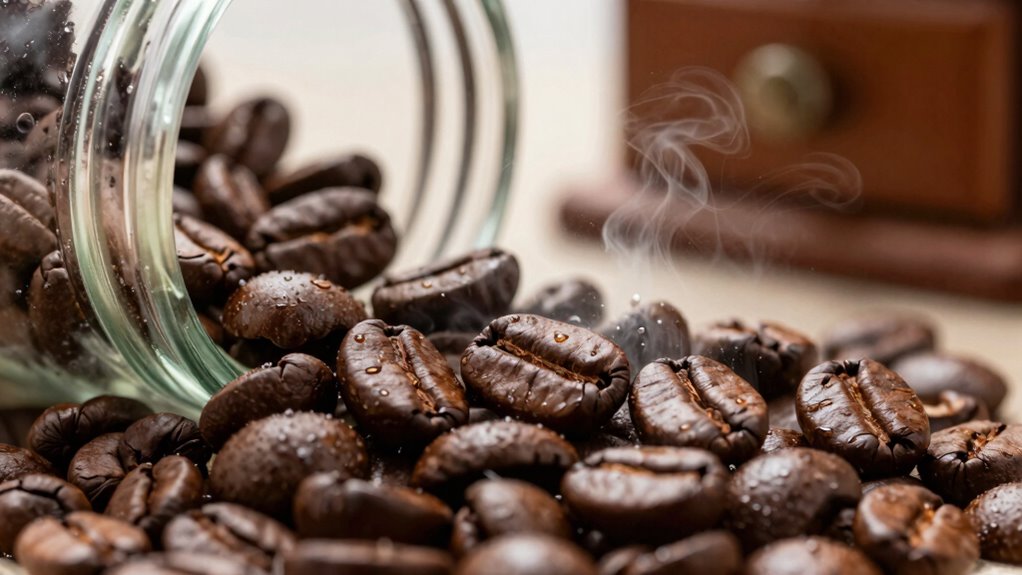
When you roast coffee, it releases carbon dioxide, and knowing when to expect this degassing is key to enjoying the best flavor. Generally, freshly roasted coffee needs about 24 to 72 hours to begin proper degassing. During this ideal period, you’ll notice a significant improvement in aroma and taste.
Freshly Roasted Coffee Timeline
As freshly roasted coffee cools, it starts to release carbon dioxide, a process known as degassing. This release impacts your coffee’s flavor profile and aroma development. Typically, you’ll notice significant degassing within the first few days after a fresh roast. If you’re using a brewing method like pour-over, waiting a couple of days can enhance your coffee’s taste. For espresso, a shorter waiting period may work better.
Storage tips are essential too; keep your coffee in an airtight container away from light and moisture to maintain freshness. Remember, grind size also matters—finer grinds degas faster. So, adjust your brewing routine based on these factors to enjoy the best flavors from your freshly roasted beans.
Ideal Degassing Period
Understanding the ideal degassing period is crucial for maximizing your coffee’s flavor. After roasting, your coffee beans need time to release carbon dioxide, impacting their taste. Generally, you’ll find that degassing starts around 12 hours post-roast, but the best freshness peaks between 3 to 14 days. During this window, you’ll enjoy a well-balanced cup, as the flavors become more pronounced and less acidic. If you brew too soon, the coffee might taste flat; if you wait too long, it could lose its vibrancy. So, pay attention to the ideal timing for your beans. By doing this, you’ll guarantee each cup delivers the finest flavor profile and freshness you crave. Happy brewing!
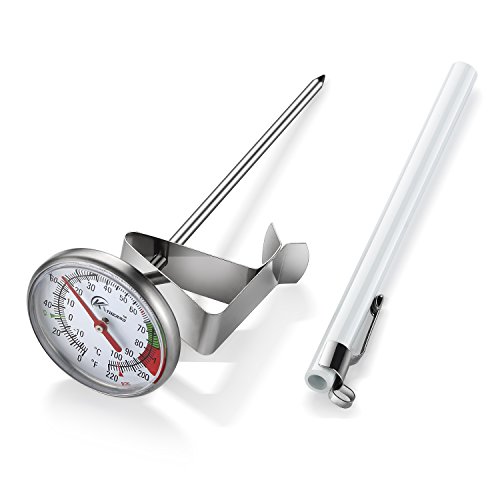
KT THERMO Instand Read 2-Inch Dial Thermometer,Best for The Coffee Drinks,Chocolate Milk Foam
DESIGN:Multi-stage design of the fixed clip, adjust the thermometer read the location of the disk surface to facilitate…
As an affiliate, we earn on qualifying purchases.
As an affiliate, we earn on qualifying purchases.
Signs Your Coffee Is Ready to Brew?
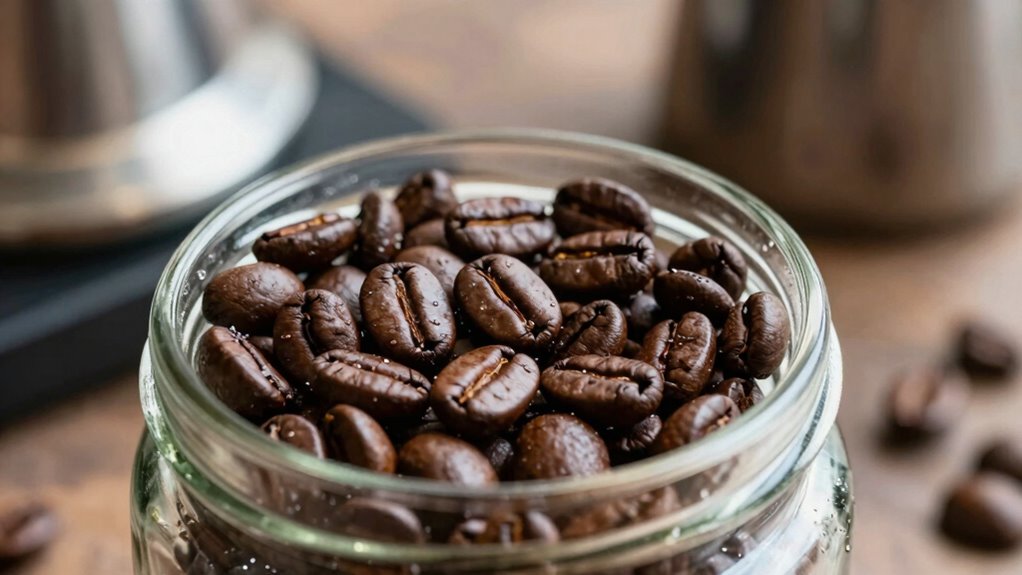
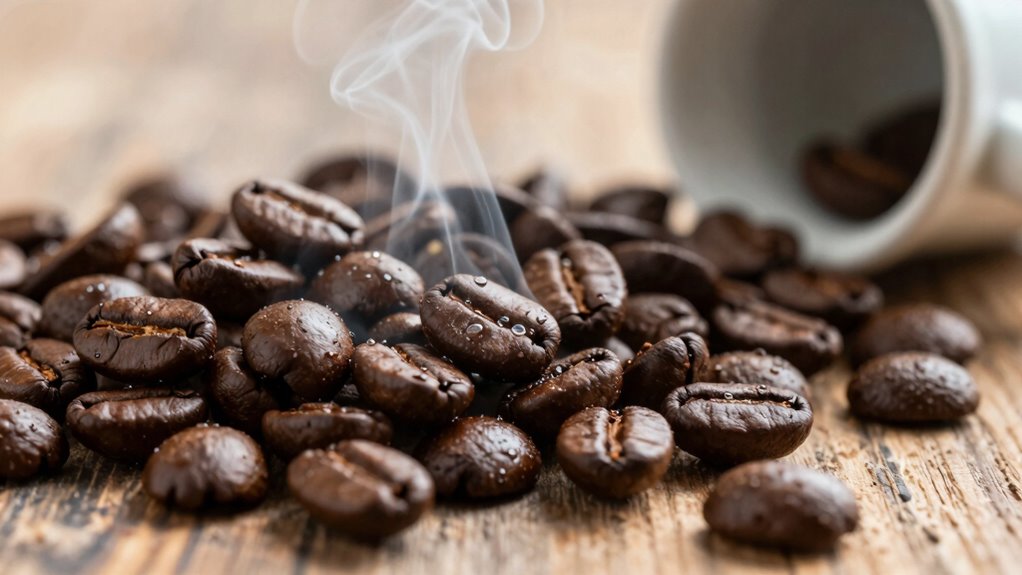
How can you tell if your coffee is ready to brew? First, check the aroma. Freshly degassed coffee has a rich, inviting scent. If it smells flat or stale, it’s not ready. Next, look at the beans; they should have a slightly oily sheen without excessive oils on the surface. This indicates ideal coffee freshness. When using various brewing techniques, the right grind size is essential—medium to coarse usually works best for fresh coffee. Finally, consider the time since roasting; ideally, you want to brew within a week post-degassing for the best flavor profile. Trust your senses, and you’ll know when your coffee is primed for that perfect cup!
Brewing Fresh Coffee After Degassing
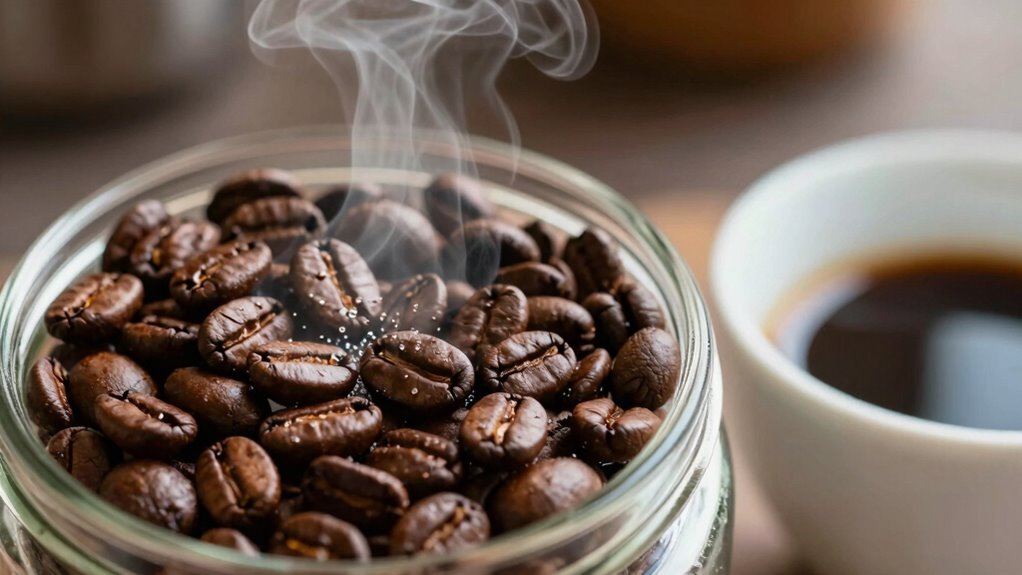
Once you’ve confirmed your coffee is ready to brew, it’s time to enjoy the fruits of your labor. Freshly degassed coffee can elevate your brewing experience, enhancing the overall flavor profile. To maximize flavor extraction, consider these brewing techniques:
Freshly degassed coffee enhances your brewing experience, elevating flavor profiles and maximizing extraction through careful techniques.
- Experiment with grind size: A coarser grind works well for methods like French press, while a finer grind is ideal for espresso. This allows you to highlight specific regional flavors that can enhance your coffee experience.
- Adjust water temperature: Aim for 195°F to 205°F for best extraction, avoiding overly hot water that can scorch your coffee.
- Control brew time: Different methods require varying brew times; shorter for espresso, longer for cold brew. Additionally, using super-automatic espresso machines can simplify the process while ensuring consistency in your brews.
Best Practices for Enhancing Coffee Flavor After Degassing
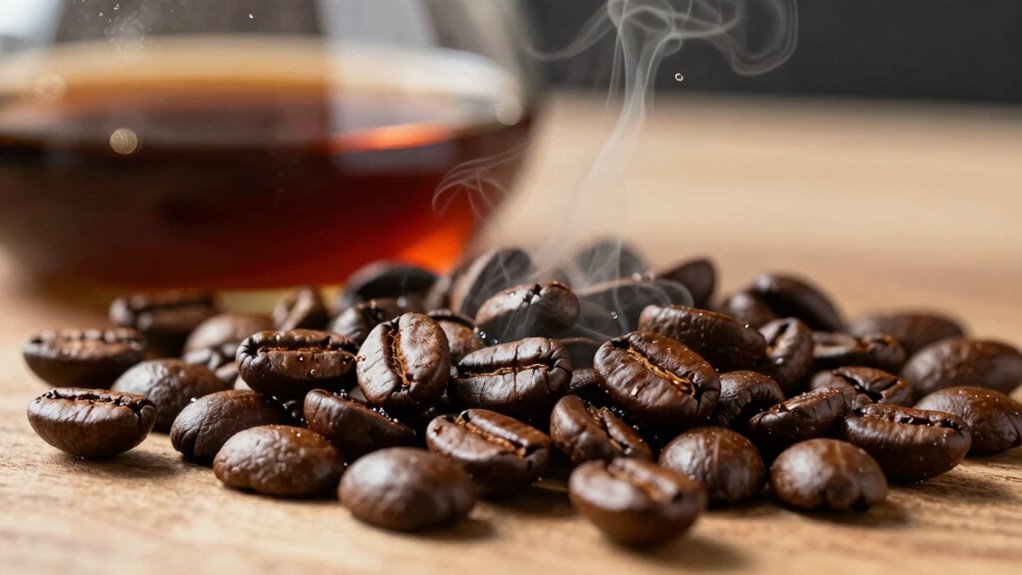
To truly elevate your coffee’s flavor after degassing, it’s essential to pay attention to the details of your brewing process. Start by using freshly ground beans, as this enhances the taste profile considerably. Adjust your grind size based on your brewing method; a coarser grind works well for French press, while a finer grind suits espresso. Additionally, understanding the brewing methods available can help you choose the best approach for your taste preferences.
Next, experiment with water temperature and brew time. Ideally, water should be between 195°F to 205°F for peak extraction. Consistency is key—stick to a precise ratio of coffee to water for reliable flavor enhancement. Furthermore, the use of kitchen ventilation can help maintain an optimal environment for brewing by eliminating unwanted odors. Additionally, color accuracy in your brewing setup can enhance the visual appeal of your coffee experience. Finally, consider the purity of your water; filtered water can make a noticeable difference. Using high-quality water can significantly improve the overall flavor and aroma of your brew. By focusing on these aspects, you’ll reveal the full potential of your coffee’s flavor post-degassing. Additionally, utilizing innovative tools can streamline your brewing process and help achieve optimal results.
Frequently Asked Questions
Can Degassing Affect the Acidity of My Coffee?
Yes, degassing can affect the acidity levels of your coffee. As freshly roasted beans release carbon dioxide, it can alter the flavor profile. If you brew too soon, those gases might mask the coffee’s natural acidity, making it taste flat. Allowing the coffee to degas for a bit helps balance those flavors, ensuring you experience the intended brightness and complexity. So, give your beans some time to breathe for the best results!
Does the Type of Bean Influence Degassing Time?
Absolutely, the type of bean can influence degassing time! Different bean varieties release gases differently, and roasting levels also play an important role. For instance, lighter roasts may degas more slowly than darker ones. Have you noticed how some beans seem fresher longer? That’s because their composition affects how quickly they release CO2. So, when choosing beans, keep in mind that both variety and roast can change your coffee experience greatly!
Is There a Maximum Time for Coffee to Degas?
Yes, there’s a maximum time for coffee to degas, usually around 14 days. After this, the degas duration slows down considerably, and you might notice flavor development plateaus. While some beans might taste fine past this point, most peak in flavor within the first week or so. If you’re looking for ideal taste, try to brew your coffee within that timeframe for the best experience!
Can I Speed up the Degassing Process?
Yes, you can speed up the degassing process! Try using degassing methods like vacuum sealing or placing your coffee in a jar with a one-way valve. These methods help release CO2 while retaining the aroma, ensuring your coffee stays fresh. Just remember, while you can hasten degassing, it’s essential not to rush it too much, as that can affect flavor. Enjoy your freshly brewed coffee from properly degassed beans!
What Storage Methods Help Maintain Freshness After Degassing?
To maintain freshness after degassing, you can use vacuum sealing and nitrogen flushing. Vacuum sealing removes air, keeping your coffee beans safe from oxidation, while nitrogen flushing replaces oxygen with nitrogen, extending shelf life. Both methods help preserve flavor and aroma, ensuring your coffee stays delicious longer. Store your freshly degassed beans in an airtight container in a cool, dark place, and you’ll enjoy a great cup every time!
Conclusion
In the world of coffee, understanding degassing is like mastering a secret recipe—it reveals the full potential of flavor and aroma. By letting your coffee beans breathe, you enhance every sip, making each brew a delightful experience. Remember to wait for that sweet spot of degassing before brewing, and your taste buds will thank you. Embrace these best practices, and you’ll enjoy coffee that’s as rich and vibrant as a sunrise. Happy brewing!