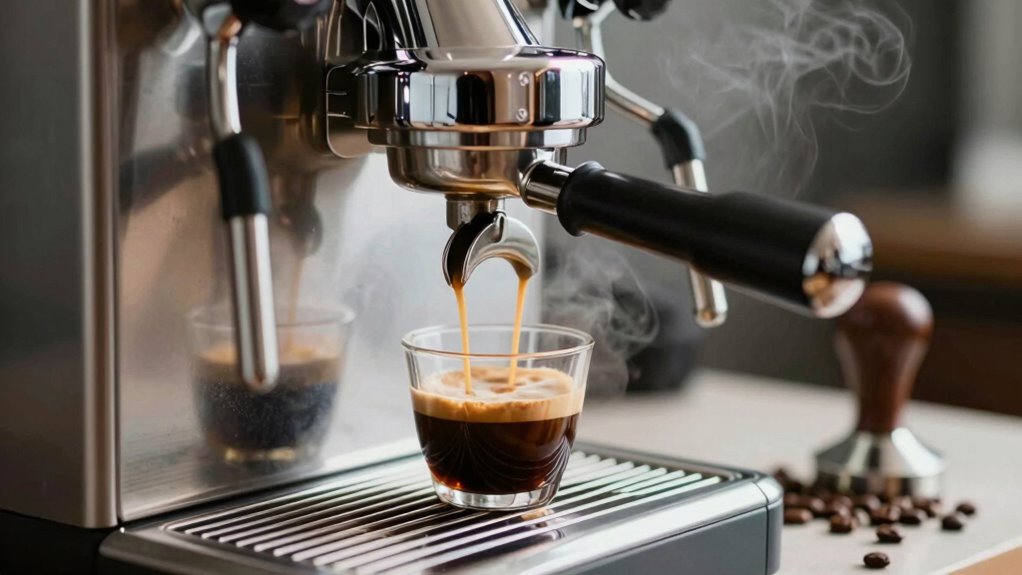
Flow control in espresso manages the water rate through coffee grounds, impacting flavor and quality during extraction. By adjusting flow rates, you can enhance richness or achieve a lighter taste. Essential tools like a quality espresso machine, a reliable grinder, and a refractometer help fine-tune this process. You’ll want to avoid common mistakes like inconsistent grind size and neglecting equipment maintenance. Understanding these aspects can elevate your brewing game, opening the door to new flavor experiences.
Key Takeaways
- Flow control manages water flow through coffee grounds, impacting extraction and ultimately flavor profiles in espresso.
- Slower flow results in richer extraction, while faster flow yields a lighter taste, allowing for personalization.
- Essential tools include a quality espresso machine with pressure profiling, a reliable grinder, and a refractometer for measuring brew strength.
- Common mistakes involve incorrect pressure settings, inconsistent grind size, and neglecting equipment maintenance, which affect flavor and extraction quality.
- Experimentation with flow rates and brew pressure can reveal distinct flavors, enhancing the overall espresso experience.
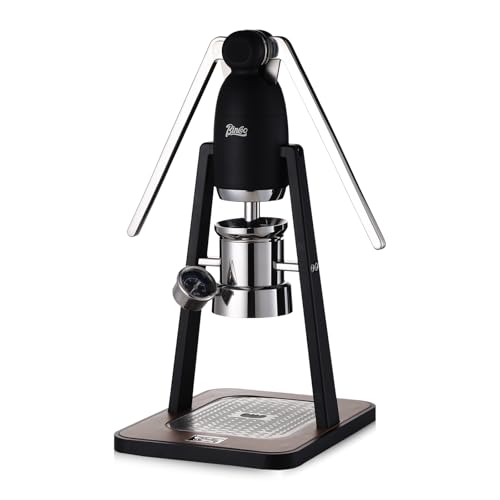
Manual Espresso Maker Set – Hand Press Espresso Machine – 12Bar Pressure Profiling, Dual-Lever Manual Coffee Maker with Pre-Infusion, Portable for Custom Espresso Shots, Stainless Steel (Black)
Precision 3-12Bar Pressure Control: The industrial dual-lever system with micro-adjustable pressure springs and 360° pressure gauge lets you…
As an affiliate, we earn on qualifying purchases.
As an affiliate, we earn on qualifying purchases.
What Is Flow Control in Espresso?
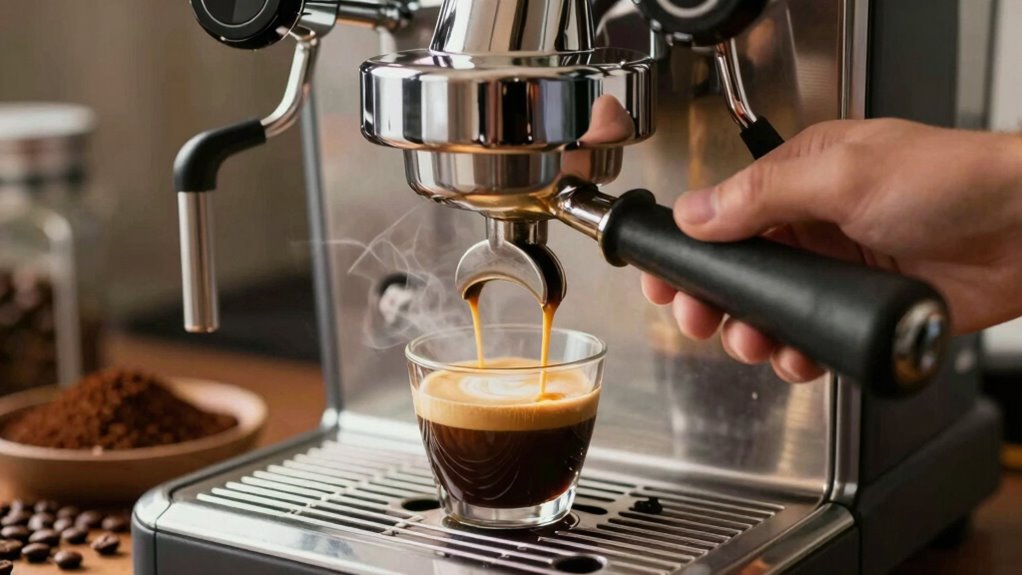
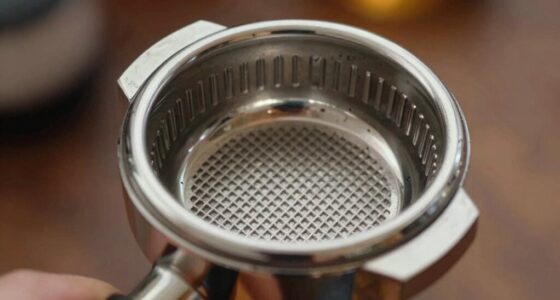
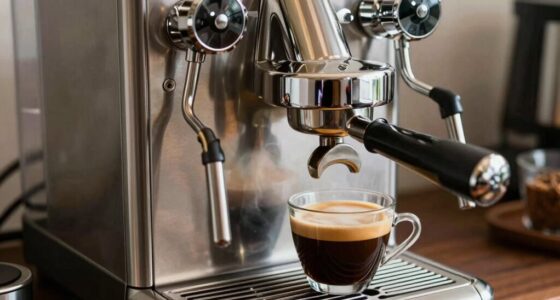
When you brew espresso, understanding flow control is essential, as it directly impacts the extraction process. Flow control refers to how you manage the rate at which water passes through the coffee grounds. By adjusting this variable, you can influence espresso dynamics, leading to different flavor profiles and overall quality. For instance, a slower flow might allow for richer extraction, bringing out deeper flavors, while a faster flow can yield a lighter taste. Mastering flow control means recognizing other brewing variables, like grind size and tamping pressure, which also play significant roles. Ultimately, effective flow control helps you tailor your espresso to your taste preferences, enhancing your overall brewing experience.

R2 Extract Coffee TDS Refractometer, 0-30% Range, ±0.02% Precision, Portable, Waterproof, Rechargeable, Ideal for Pour Over, Espresso, and Coffee Enthusiasts
Precise TDS Measurement for Better Brews: Achieve perfect extraction with 0-30% TDS range, ±0.02% precision, 0.01% resolution, and…
As an affiliate, we earn on qualifying purchases.
As an affiliate, we earn on qualifying purchases.
Why Flow Control Matters for Extraction
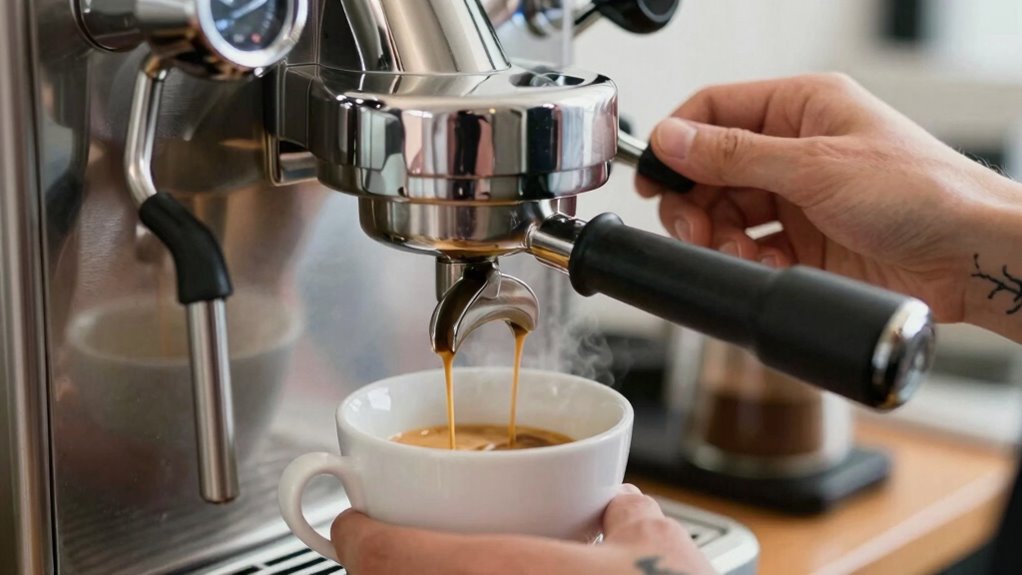
Flow control substantially influences extraction, shaping the flavors and aromas you experience in your cup. By adjusting flow, you can fine-tune key extraction variables, leading to ideal taste balance and brew consistency. Here’s why it matters:
Flow control is essential for perfecting extraction, allowing you to refine flavors and achieve brew consistency tailored to your taste.
- Pressure Profiling: Control the pressure applied during extraction for enhanced flavor development.
- Water Temperature: Adjust flow to maintain consistent water temperature, critical for ideal extraction.
- Grind Uniformity: Influence flow to accommodate grind size, ensuring even extraction and coffee freshness.
Mastering flow control allows you to manipulate these elements, elevating your espresso’s overall quality. By understanding how flow affects extraction, you can create that perfect cup tailored to your palate.
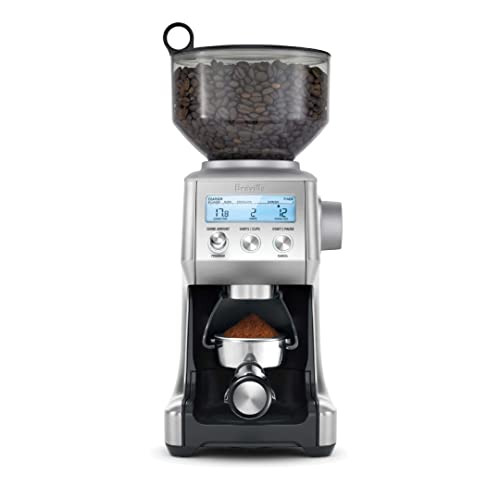
Breville BCG820BSS Smart Grinder Pro for Coffee and Espresso, Brushed Stainless Steel
The Breville Smart Grinder Pro includes 60 unique settings – this programmable conical burr grinder offers a wide…
As an affiliate, we earn on qualifying purchases.
As an affiliate, we earn on qualifying purchases.
Essential Tools for Flow Control Techniques
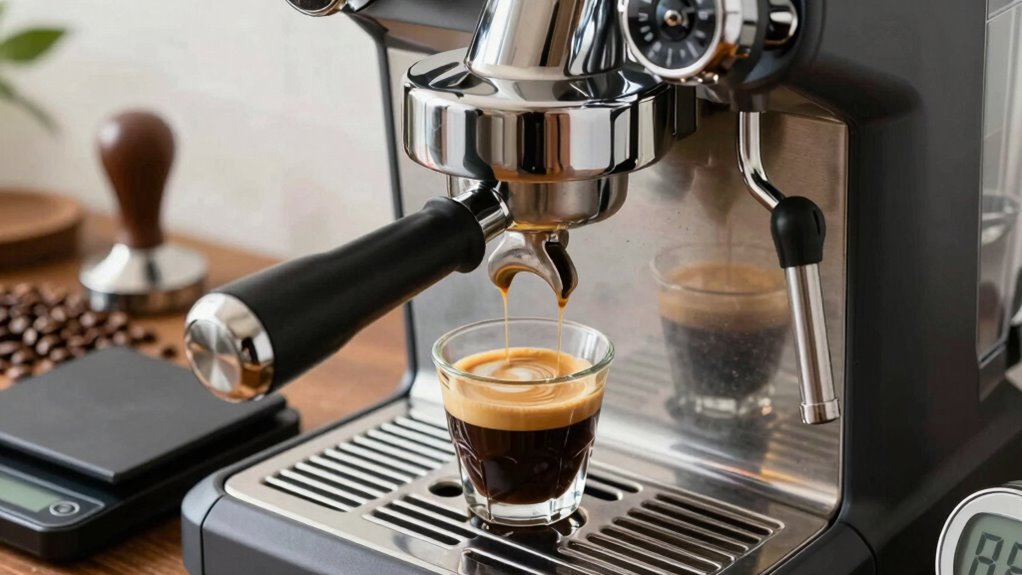
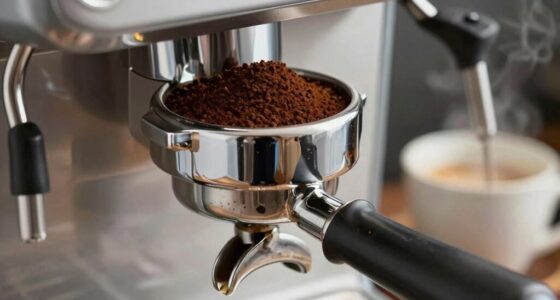
Mastering flow control requires the right tools to achieve precision in your espresso brewing. Start with a quality espresso machine that allows for pressure profiling, letting you adjust flow rate and extraction variables. Invest in a reliable grinder to guarantee grind uniformity; this impacts coffee density and flavor dynamics. For ideal results, focus on tamping consistency and equipment calibration, as these factors influence water temperature and extraction efficiency. Use a refractometer to measure brew strength, helping you fine-tune your brewing techniques. Remember, each tool plays a vital role in achieving that perfect shot, so don’t overlook the importance of integrating these essential tools into your espresso routine. They’ll elevate your brewing and enhance your coffee experience.

51mm Espresso Tamper-Premium Barista Coffee Tamper Coffee Tamper Classic Series Stainless Steel Espresso Tamper Coffee Press Tool Tamper Espresso Handle, 90x51mm, Solid wood, Stainless steel
THE DIAMETER OF THIS TAMPER IS 51MM – please check that this will fit your filter basket before…
As an affiliate, we earn on qualifying purchases.
As an affiliate, we earn on qualifying purchases.
Different Methods of Implementing Flow Control
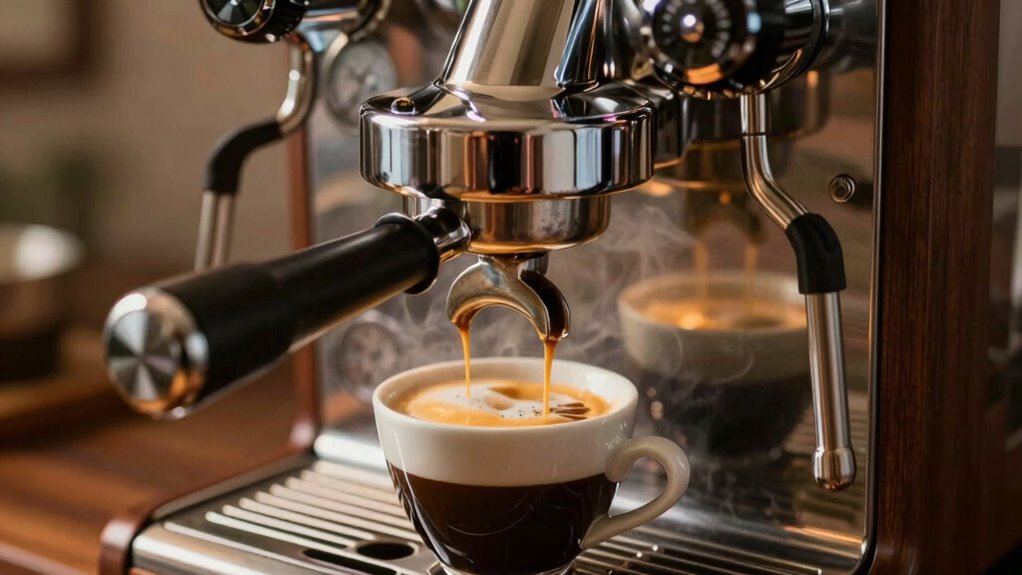
With the right tools in place, you can explore various methods for implementing flow control in your espresso brewing. Here are some effective approaches:
- Manual methods: Adjust flow rate with valve adjustments to influence extraction time and puck density.
- Automated methods: Utilize machines that offer pressure profiling for precise control over brew temperature and flow dynamics.
- Pre-infusion techniques: Manage water flow before full extraction to enhance the coffee bed saturation.
Impact of Flow Rate on Flavor?
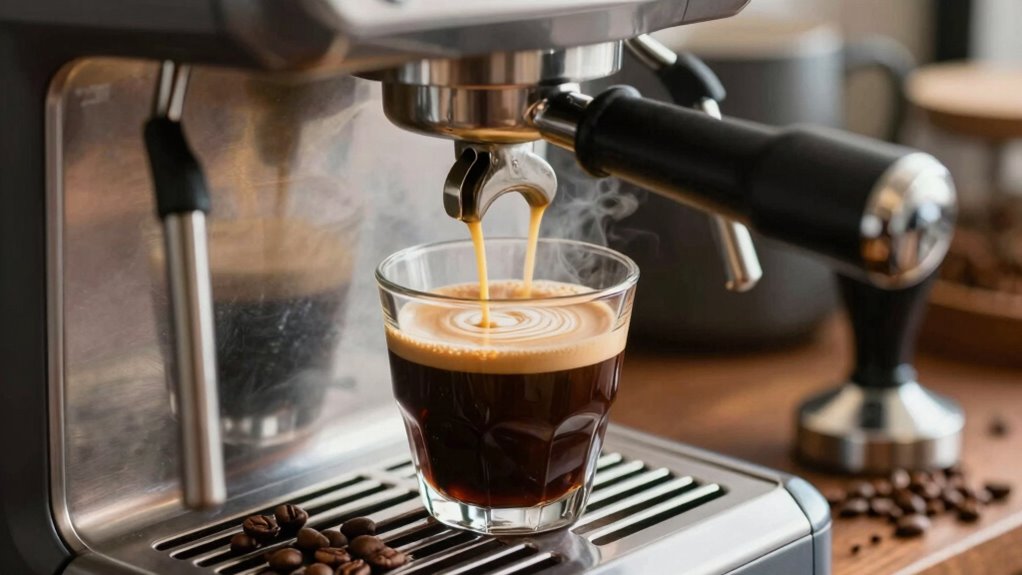
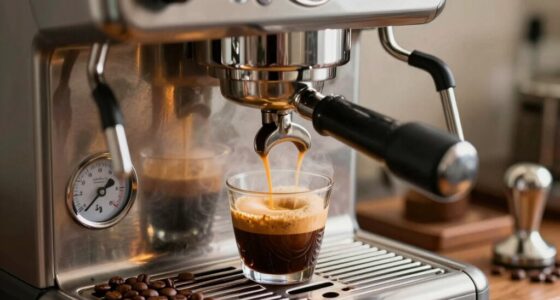
Although you might not realize it, the flow rate during espresso extraction greatly influences the final flavor profile of your brew. A slower flow rate can enhance flavor complexity by allowing more oils and solubles to extract, resulting in a richer taste. On the other hand, a faster flow might lead to a more straightforward flavor, lacking depth. This balance is essential for achieving brew consistency; too much variation in flow can disrupt the delicate interplay of flavors in your coffee. By experimenting with different flow rates, you can discover the sweet spot that brings out the best characteristics of your beans, ensuring each cup delivers a satisfying experience tailored to your preferences.
Avoid These Common Flow Control Mistakes
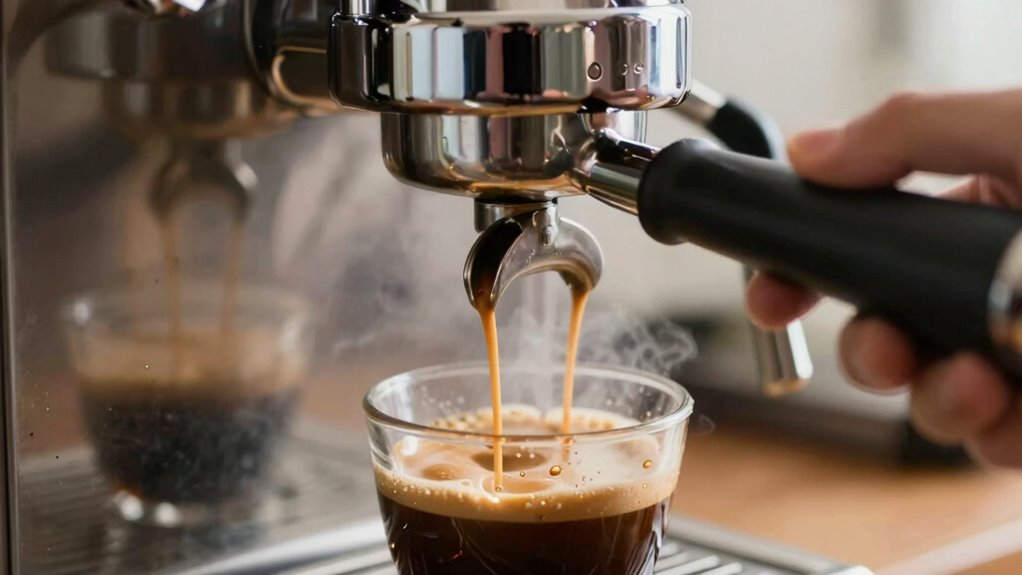
When crafting the perfect espresso, it’s easy to make some common flow control mistakes. You might overlook pressure settings, use an inconsistent grind size, or neglect equipment maintenance. Avoiding these pitfalls can greatly enhance your brewing experience and the quality of your coffee.
Incorrect Pressure Settings
Incorrect pressure settings can lead to a disappointing espresso experience, so it’s important to get them right. Here are some common pitfalls to avoid:
- Neglecting pressure calibration: Always verify your equipment is calibrated correctly; even slight deviations can affect taste.
- Ignoring pressure stability: Inconsistent pressure during extraction can lead to uneven flavor profiles and undesirable bitterness.
- Setting pressure too high or low: Finding the sweet spot is vital; too much pressure can over-extract, while too little can under-extract, leaving your espresso flat.
Inconsistent Grind Size
Getting the pressure settings right is just one part of crafting the perfect espresso; equally important is your grind size. Inconsistent grind size can lead to uneven extraction, affecting flavor and strength. You need to focus on both grind consistency and grind distribution for a balanced shot.
| Grind Size | Impact on Extraction | Tips for Consistency |
|---|---|---|
| Fine | Over-extraction | Use a high-quality grinder |
| Medium | Balanced extraction | Check grind regularly |
| Coarse | Under-extraction | Adjust as needed |
Make sure your grind is uniform to avoid these common mistakes. Paying attention to grind consistency will elevate your espresso game considerably.
Poor Equipment Maintenance
Maintaining your equipment is essential for achieving consistent, high-quality espresso. Poor equipment maintenance leads to subpar brews and frustration. Follow these tips to avoid common mistakes:
- Establish a maintenance schedule to keep your equipment in top shape. Regular maintenance can prevent unexpected breakdowns and ensure optimal performance. Regular cleaning of components also aids in filtration effectiveness, ensuring your machine runs smoothly. A well-maintained machine supports home and living fundamentals, allowing for a more enjoyable coffee experience.
- Perform regular inspections to catch issues before they escalate.
- Ensure machine hygiene with proper cleaning routines. Regularly checking and cleaning filters can significantly improve air quality considerations.
Make sure you’ve got a plan for equipment calibration and component replacements. Regular upkeep not only enhances flavor but also prolongs the life of your gear. Don’t ignore troubleshooting tips; they can save you time and money in the long run. Super-automatic espresso machines are particularly sensitive to maintenance, so prioritize their care. By prioritizing these practices, you’ll serve up delicious espresso every time, impressing your customers and satisfying your own coffee cravings.
Tips for Mastering Flow Control at Home
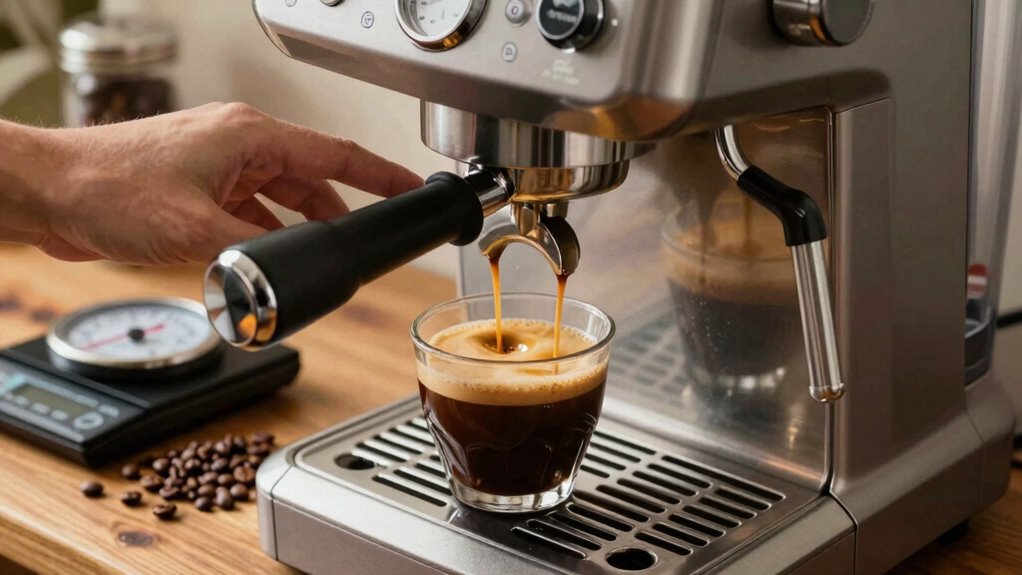
While mastering flow control might seem challenging at first, you can easily elevate your home espresso game with a few practical tips. Start by focusing on coffee bean selection; fresh, high-quality beans make a significant difference. Implement pre-infusion strategies to enhance flavor extraction, and pay attention to flow rate variations to achieve espresso consistency. Regularly calibrate your machine to guarantee peak performance. Understanding the importance of grind size can also significantly impact your brewing experience. Additionally, using smart kitchen gadgets can streamline your brewing process and help you achieve optimal results. Experimenting with brew temperature, as it can greatly affect taste profiling, is crucial, and mastering milk steaming techniques will also elevate your espresso drinks. Finally, don’t overlook water quality; filtered water can enhance extraction and flavor. Additionally, understanding the different brewing methods can provide insights into how flow control impacts overall taste. By honing these elements, you’ll find that flow control becomes a powerful tool in crafting delicious espresso right at home.
How to Experiment With Flow Control for Better Espresso?
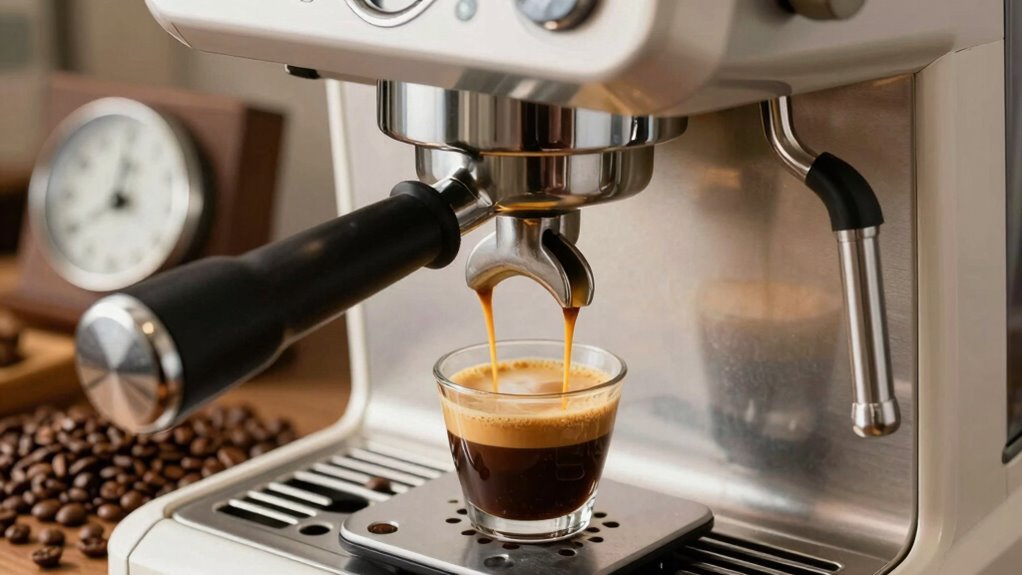
To improve your espresso, start by adjusting the brew pressure and see how it affects the taste. Experimenting with timing your extraction can also reveal new flavors and nuances in your coffee. Don’t hesitate to tweak these variables until you find your perfect cup.
Adjusting Brew Pressure
Adjusting Brew Pressure (How to Experiment With Flow Control for Better Espresso?)
Adjusting brew pressure can greatly enhance your espresso, as small changes often yield distinct flavors and aromas. By experimenting with pressure adjustments, you can fine-tune your brew to achieve peak flavor profiling.
- Explore how flow dynamics influence extraction variables. Higher contrast ratios in coffee brewing can yield a richer flavor profile. Additionally, understanding essential oils for toothache relief can provide insights into balancing flavor profiles, as certain aromas can complement your coffee experience. Moreover, leveraging chemical innovations can lead to advancements in brewing technology that further refine your espresso. Regularly adjusting your brew pressure can also mirror the benefits of glycolic acid in skincare, as both require precision for optimal results.
- Maintain brew consistency with precise pressure stability. Pair grind adjustments with your chosen pressure settings.
Start by calibrating your equipment for accurate readings. Keep in mind that even slight variations in pressure can affect the final cup. Use a pressure gauge to monitor adjustments, and note how each change impacts the taste. This hands-on approach helps you understand the relationship between pressure and flavor, paving the way for a more refined espresso experience. Additionally, understanding kitchen science can further enhance your brewing skills. Enjoy the journey of discovery!
Timing Your Extraction
Understanding brew pressure sets the stage for fine-tuning your extraction timing. To achieve brew consistency, start by experimenting with shot duration. Adjust your pressure profiling to see how it affects coffee yield and flavor balancing. Begin by preparing your puck meticulously; a well-prepared puck guarantees better extraction. Monitor temperature stability during your shot, as fluctuations can alter the taste profile. As you play with different timings, take notes on how each adjustment impacts flavor and texture. Aim for that sweet spot where the extraction timing enhances the coffee’s natural qualities. Ultimately, finding the right balance between these elements will elevate your espresso experience, leading to a more satisfying cup every time.
Frequently Asked Questions
What Is the Ideal Flow Rate for Espresso Extraction?
The ideal flow rate for espresso extraction is typically around 1.5 to 2.5 grams per second. This guarantees a brew time of about 25 to 30 seconds, allowing for peak flavor extraction. Maintaining pressure stability during this period is essential, as it helps achieve a balanced and rich shot. If you adjust the flow rate, you can fine-tune the extraction to highlight different flavor notes in your coffee, enhancing your espresso experience.
Can Flow Control Improve Crema Quality?
Yes, flow control can definitely improve crema quality, like a maestro fine-tuning a symphony. By adjusting the flow rate, you enhance crema stability, allowing for a richer, more velvety texture. This control helps achieve better flavor balance, preventing over-extraction or under-extraction that can muddle your espresso’s taste. So, if you want that perfect shot with a beautiful crema, experimenting with flow control is a game changer. Enjoy the process!
How Does Grind Size Affect Flow Control?
Grind size greatly affects flow control by influencing grind consistency and extraction time. If your grind’s too coarse, water flows too quickly, resulting in weak flavors. Conversely, a fine grind may lead to over-extraction, making your espresso bitter. By adjusting your grind, you can optimize the flow, ensuring the water extracts the right flavors in the ideal extraction time. Experimenting with grind size helps you achieve a balanced and flavorful cup.
Is Flow Control Necessary for All Espresso Machines?
Flow control isn’t necessary for all espresso machines, but it sure has its benefits. Have you ever wondered how much better your shots could taste with precise control? While some espresso machine types excel without it, flow control allows you to fine-tune extraction and enhance flavors. If you’re aiming for a perfect brew, investing in a machine with flow control might just elevate your espresso experience to new heights.
What Are the Signs of Improper Flow Control?
If you notice uneven pressure consistency during extraction or your shots are bitter or sour, you might be dealing with improper flow control. Look out for variations in extraction uniformity as well; a consistent flow should result in a balanced flavor profile. Additionally, if your crema is thin or lacks richness, it’s a sign that the flow isn’t optimized. Adjusting your settings can help improve the quality of your espresso shots.
Conclusion
In the world of espresso, mastering flow control can turn a good shot into a great one. Remember, “practice makes perfect.” By experimenting with different techniques and avoiding common pitfalls, you’ll fine-tune your skills and reveal a world of flavors. So, grab your tools, adjust your flow, and savor the journey to the perfect cup. With a little patience and creativity, you’ll find the espresso that speaks to your taste buds!