TL;DR
Home espresso is expanding from a specialist hobby into a broader home coffee culture, with some consumers buying professional-style machines and accessories. La Marzocco Home director Dave Bise and creator Nick Lowery point to café inspiration, pandemic-era coffee content, hands-on rituals and the cost of buying café drinks as factors. The source provides no market figures or independent sales data to measure the trend’s scale.
Home espresso is moving beyond a niche hobby, according to La Marzocco Home global director Dave Bise and coffee and interiors creator Nick Lowery, as more consumers pursue café-style drinks with prosumer machines and accessories. Their accounts point to a change in how some people approach home coffee: investing not just in a brewer, but in equipment, skills and a dedicated space for a daily ritual.

Get coffee and tea gear delivered free with Prime
- Fast, free delivery on millions of items
- Prime Video, Amazon Music and more included
- Member-only deals all year
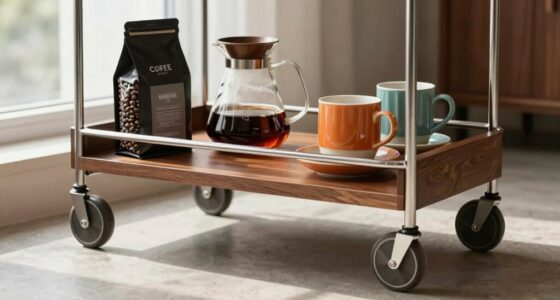
Bise told the source that home espresso has grown from a community of passionate coffee drinkers into a broader culture. He said some buyers discovered specialty coffee at local cafés or while traveling and now want to recreate that experience at home. The source also describes coffee stations appearing as part of interior design, alongside social-media videos and café-themed gatherings, but supplies no audience figures or sales data to quantify those examples.
Lowery said his own interest began during the pandemic, when changes to his routine in New York City led him to explore brewing at home. He described choosing particular producers and roasters, adjusting recipes to suit his taste and treating the process as a hobby that grew out of daily life. Those comments offer personal experience rather than evidence about all home coffee drinkers.
The equipment discussed ranges from grinders, scales and milk pitchers to semi-automatic espresso machines. Lowery said grinders with large burrs and single-dose designs had become less expensive than they were several years ago, while features such as PID temperature control and dual boilers were appearing at more accessible price points. The source does not name specific prices, models or a comparison period for these claims. Bise also said demand for La Marzocco Home had grown and that its customers were no longer limited to coffee professionals.
The rise of the amateur barista and the prosumer machine at home
Coffee voices describe home espresso moving beyond a specialist hobby. Their accounts point to new routines and equipment choices, but do not measure how widespread the shift is.
Why home espresso appeals
Interviewees connect the interest to café inspiration, coffee content, hands-on rituals and the cost of buying drinks.
Bring café ideas home
Some buyers want to recreate specialty coffee experiences from cafés and travel.
Make coffee a craft
Adjusting a shot, steaming milk and pouring latte art can turn a daily drink into a focused ritual.
Learn through content
Lowery says pandemic-era coffee content brought brewing knowledge to broader social-media audiences.
A setup can grow over time
The equipment described ranges from basic accessories to machines with more control over brewing.
Choose the drinks and brewing methods you actually enjoy.
Consider grinders, scales, milk pitchers and counter space alongside a machine.
More advanced features can offer control, while requiring learning and routine care.
What the cost argument leaves open
Lowery compares home brewing with café drinks priced at £6–7, including tax and tip.
- Frequent café purchases can make home brewing attractive.
- Some grinder designs and machine features are described as more accessible.
- Equipment, coffee and maintenance add costs.
- Savings depend on how often you brew and what you would otherwise spend.
Evidence behind the trend
The source records industry and creator perspectives, not a measured market-wide change.
| What is described | What is not established |
|---|---|
| La Marzocco Home reports increased demand. | No sales figures or time period are supplied. |
| Interviewees cite coffee content and home coffee spaces. | No audience counts or household survey is provided. |
| Some equipment is said to be more accessible. | No specific models, prices or comparable specifications are given. |
Coffee Moves Into the Home
The trend described by Bise and Lowery matters because it brings specialty coffee into decisions about household spending, routines and kitchen design. Buyers may be choosing a machine and accessories as a longer-term purchase, while also setting aside counter space for a coffee station. The shift connects a practical appliance with the experience of making a drink and the look of the room.
There is also a financial argument, though the source does not establish that a home setup saves money for every buyer. Lowery compared home preparation with café drinks that cost £6–7, including tax and tip, and said the arithmetic can make home coffee appealing. Actual savings depend on equipment costs, coffee, maintenance, how often a person makes drinks and what they would otherwise spend. The source gives no payback calculation.
For equipment makers and retailers, the reported change suggests a customer base that includes design-conscious consumers as well as café operators and coffee professionals. For readers considering a setup, it signals more choices at different levels of technical complexity, but not a guarantee that expensive equipment will improve every cup or suit every kitchen.
Products Worth Considering

Breville Barista Express Espresso Machine with Built-In Grinder, Brushed Stainless Steel

Ninja Foodi DualZone Smart XL Air Fryer, 10-Quart, 6-in-1, Black, DZ550
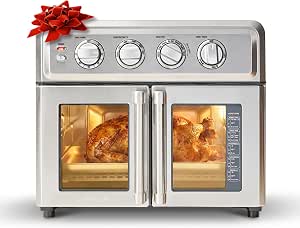
Cuisinart Artisan French Door Air Fryer Toaster Oven, 7 Functions
As an affiliate, we earn on qualifying purchases.
From Café Inspiration to Kitchen
The accounts in the source describe several influences behind the home-barista culture. Lowery said the pandemic increased the visibility of coffee-making content, bringing knowledge once shared in niche forums to broader social-media audiences. He also pointed to interest in craft, routine and a tangible activity in a digital daily life. Bise described espresso preparation — adjusting a shot, steaming milk and pouring latte art — as a focused act of craftsmanship.
The source presents these explanations as the views of two people connected to coffee and design, not as findings from a survey. Its examples include social-media reels, design-led coffee corners and home café gatherings, but it does not provide dates, counts or research showing how common they are. The distinction matters: the report documents a trend described by its interviewees, not a measured change across all households.
Prosumer equipment sits between entry-level home appliances and commercial café machines. According to Lowery, some technical features and grinder designs that were once associated with costlier equipment have become more accessible. That may allow interested users to control more of the brewing process. The source does not give enough product or pricing detail to compare machines or verify how broadly those features have spread.
“Over the past few years, we’ve watched home espresso go from a niche group of passionate coffee drinkers to a much larger culture of its own.”
— Dave Bise, global director at La Marzocco Home
How Broad Is the Shift?
The scale of the trend remains unquantified in the source. It provides no sales totals, survey results, market-share estimates or time series to show how many people are buying prosumer machines, how quickly demand has changed or whether growth is concentrated in particular countries or income groups.
Some claims about affordability and value also lack the detail needed for a firm comparison. Lowery described grinder prices moving from thousands of dollars to the mid-hundreds, but the source does not identify models, dates or equivalent specifications. It also offers no complete calculation of home-brewing costs against café purchases. Bise’s report of increased demand for La Marzocco Home is a company statement, and no figures or period are supplied.
It is also unclear how durable the pattern will be, whether new buyers will keep using their equipment, and how much social-media visibility reflects wider behavior. The source does not establish that a high-end machine is necessary to make good coffee at home.
What Buyers and Brands Watch
The next useful indicators would be published sales data, market research and clearer price comparisons covering home espresso machines, grinders and accessories. Those could help distinguish a lasting expansion from a trend visible mainly through creators and brand accounts. No forthcoming report, product launch or sales milestone is identified in the source.
For consumers, the practical next step is to compare equipment by budget, counter space, maintenance needs and the brewing methods they actually enjoy. A basic setup can be expanded over time, while more advanced machines require learning and routine care. The source describes that gradual path but does not make a product recommendation.
Manufacturers and retailers may continue to respond to interest in equipment that combines café-style performance with home-friendly design. Whether that produces broader adoption will depend on prices, product availability and buyers’ willingness to maintain a more involved setup. Those outcomes have not yet been established by the material provided.
Key Questions
What does “prosumer” mean for home coffee?
Here, it refers to home users who invest in more capable, professional-style equipment and take a hands-on role in preparing coffee. Examples in the source include espresso machines, grinders, scales and milk pitchers.
Why are some people making café-style coffee at home?
Bise and Lowery cite café inspiration, the spread of coffee-making content, enjoyment of a focused daily ritual and the possible cost appeal of making drinks at home. These are interviewees’ explanations, not results from a consumer survey.
Does the source show that home espresso is cheaper?
No. Lowery compared home brewing with café drinks costing £6–7 including tax and tip, but the source gives no full accounting of machine, coffee, maintenance or other costs. Savings will depend on how often someone makes drinks and what equipment they buy.
Is there data showing how quickly the market is growing?
No market totals or growth rates are provided. Bise says demand for La Marzocco Home has grown, but the source gives neither figures nor a defined period, so the scale of the wider trend is unclear.
Source: livingetc.com