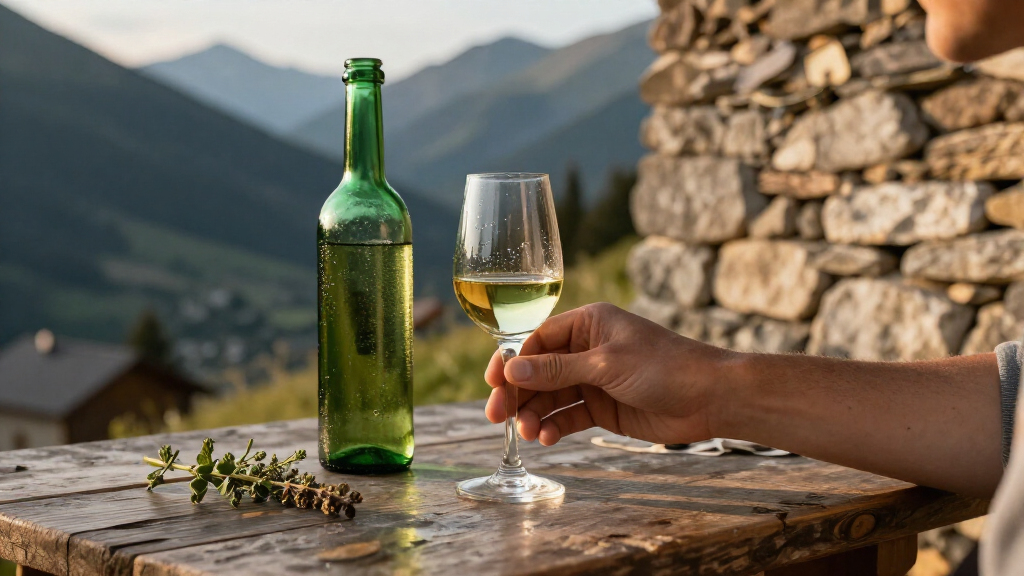

🔍 Read the full analysis: Genepì: The Alpine Herbal Liqueur Of The Aosta Valley on Mad Tasting

Get coffee and tea gear delivered free with Prime
- Fast, free delivery on millions of items
- Prime Video, Amazon Music and more included
- Member-only deals all year
TL;DR
Genepì is an Alpine herbal liqueur strongly associated with Italy’s Aosta Valley and made with aromatic plants in the Artemisia genus. Producers’ recipes, methods and alcohol strengths vary, so labels matter; wild plants should not be assumed available for unrestricted harvesting.
Genepì, an Alpine herbal liqueur closely associated with Italy’s Aosta Valley, is made with aromatic plants belonging to the Artemisia genus, but it does not have one universally fixed recipe. Producers can use different species and methods, meaning the drink’s flavor, sweetness and alcohol strength vary; consumers should check the label and avoid assuming that wild plants can be collected freely. These points reflect the source material provided for this report, which does not identify individual producers or cite a specific product label.
The source material says the name genepì refers both to the liqueur and to several small aromatic mountain plants, rather than one single species. It describes dried flowering tops as commonly steeped in alcohol, with the infusion then blended with water and sugar. Some producers may also distill the herbs or combine infusion and distillation. The source does not provide a named producer or a standard recipe, and describes precise recipes and proportions as producer-specific.
According to the supplied material, variation can affect aroma and taste: a bottle may lean floral and sweet, or carry stronger bitter, resinous or mint-like notes. Alcohol strength also varies, so the name alone does not establish how a particular bottle was made or how strong it is. The material recommends checking the label for disclosed ingredients, production details and strength; it does not cite a specific label or labeling rule.
The source describes genepì as commonly served in a small pour after a meal, neat or chilled, and as an ingredient in cocktails. Serving it as a digestif describes a custom, not evidence that the liqueur treats digestive problems. The supplied material gives no specific alcohol percentage, standard serving size or required serving temperature.
Genepì: The Alpine Herbal Liqueur of the Aosta Valley
Genepì is an Alpine liqueur made with aromatic Artemisia plants. Recipes and strength vary by producer, so check the bottle before you buy.
What goes into genepì?
The name refers to both the drink and several small aromatic mountain plants.
Artemisia herbs
Producers use aromatic plants in the Artemisia genus; no single species is established for every bottle.
Aosta Valley roots
The liqueur is strongly associated with Italy’s Aosta Valley and wider Alpine traditions.
How producers make it
Methods and proportions are producer-specific.
Dried flowering tops are commonly steeped in alcohol.
The infusion is commonly mixed with water and sugar.
Some producers distill the herbs or combine distillation with infusion.
Why bottles taste different
The name alone does not tell you the ingredients, method, sweetness or strength.
- Floral and sweet
- Bitter or resinous
- Mint-like
- Plant species
- Infusion or distillation
- Alcohol strength
Before buying or gathering
A few checks help buyers and visitors make informed choices.
- Read the label for disclosed ingredients, production details and strength.
- Ask the producer which plants are used and how they are handled.
- Check local rules before gathering wild plants.
Why Each Bottle Can Differ
The source material associates genepì strongly with the Aosta Valley, while cautioning that this regional identity should not be mistaken for a standardized formula. It says bottles bearing the same name may differ in plant species, production technique, sweetness and strength. The source recommends reading the label or asking a producer how the herbs were handled, but does not provide examples from particular producers.
The material also connects the drink to high-altitude plants and warns readers not to assume wild herbs can be collected freely. It does not specify harvesting rules for particular places or cite local regulations. Anyone considering gathering plants should check the applicable requirements for the location.
Products Worth Considering

Ninja SP151 Flip Toaster Oven & Air Fryer, Stainless Steel

De'Longhi Classic Signature Espresso Machine with Adjustable Milk Frother

Ninja PossibleCooker PRO 8-in-1 Multi-Cooker, 8.5 qt, Sea Salt Gray, MC1001
As an affiliate, we earn on qualifying purchases.
A Valley Tradition and Its Plants
The source material places genepì within a broader Alpine tradition of herbal spirits made from aromatic mountain plants, while identifying the Aosta Valley as a particularly strong point of association. It also notes related customs in neighboring Alpine areas and says the French spelling génépi and Italian spelling genepì can refer to the plants as well as the drink. No specific reference or named tradition is identified in the material.
The supplied information describes the liqueur as shaped by local plants and individual makers, rather than by one fixed ingredient list or process. It provides no specific historical date, production figures, named producer or recent regulatory change. This article is therefore an explainer based on the provided material, not a report of a newly announced development.
What Labels May Not Explain
The source material does not identify which Artemisia species particular producers use or provide a complete list of labeling requirements. It also gives no standard alcohol strength, sugar level, steeping time or proportion of herbs. These details should not be inferred from the word genepì alone.
The material does not explain how wild-harvesting rules differ among Alpine locations or identify the ingredients and methods used in a specific bottle unless its producer discloses them. It establishes no health benefit: describing genepì as an after-dinner drink does not show that it has medicinal effects.
Questions to Ask Before Buying
The source material announces no next milestone. For a buyer or visitor, it suggests inspecting the bottle and asking the producer which plant species are used, where the herbs come from, whether they are infused or distilled, and how the finished liqueur’s sweetness and strength are described. No particular producer or product is named in the material.
When tasting it for the first time, the material advises starting with a small pour and sipping slowly, neat or chilled according to preference. Treat it as an alcoholic drink rather than medicine, and drink responsibly. Anyone considering wild collection should check local rules before gathering plants.
Key Questions
What is genepì?
In the source material, genepì is described as an Alpine herbal liqueur associated especially with Italy’s Aosta Valley. Its aromatic plant ingredients belong to the Artemisia genus; the name also refers to several small mountain plants.
Is genepì made from one specific herb or recipe?
The supplied material establishes no single species or recipe. It says producers may use different Artemisia plants and methods, so check the producer’s label for details.
How is genepì commonly made?
The source says producers commonly steep dried flowering tops in alcohol and then blend the infusion with water and sugar. Some use distillation as well, and proportions and methods vary.
How is genepì usually served?
The material describes it as commonly served in a small pour after a meal, neat or chilled. That custom does not establish that it has medicinal or digestive benefits.
Can I collect genepì plants in the wild?
The supplied material warns against assuming wild plants can be collected freely. It does not specify local rules, so check the requirements for the particular area before gathering any plants.
Source: Mad Tasting