
🔍 Read the full analysis: Latte Di Mandorla: The Almond Milk Of Puglia And Sicily, Made The Traditional Way on Mad Tasting

Get coffee and tea gear delivered free with Prime
- Fast, free delivery on millions of items
- Prime Video, Amazon Music and more included
- Member-only deals all year
TL;DR
Latte di mandorla is a sweet almond drink associated with Puglia and Sicily, made by soaking or blending almonds with water, straining the mixture and serving it cold. There is no single recipe shared by every household; a home batch can be made with blanched almonds, water and sugar, then kept refrigerated and used within two to three days.
A Mad Tasting guide describes latte di mandorla as a sweet, cold almond drink associated with Puglia and Sicily, and outlines a simple home method using soaked almonds, water and sugar. The account stresses that the regions share an association with almond foods, but that no single household recipe represents them all.
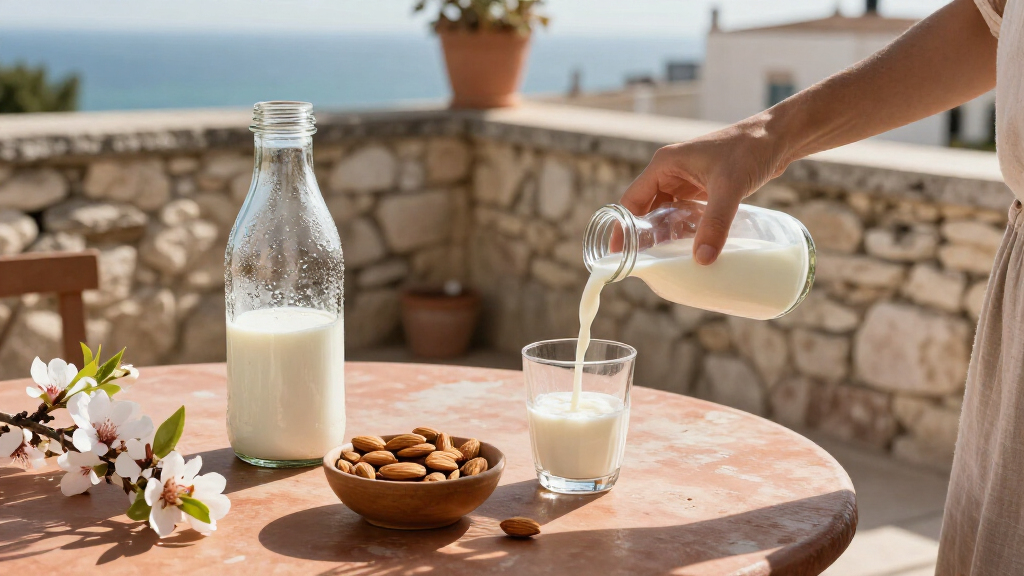
The drink is made by steeping or blending almonds with water, straining out the solids and sweetening the remaining liquid. Its creamy texture comes from finely dispersed almonds, not dairy. The guide says a homemade glass may be sweeter and more concentrated than an unsweetened commercial almond beverage, so the two are not interchangeable in flavor.
For a modest batch, the guide calls for 1 cup (about 140 grams) of blanched almonds, soaked in the refrigerator for eight to 12 hours. After draining and rinsing, blend them with 3 cups (about 710 milliliters) of fresh water for one to two minutes. Strain through a fine sieve lined with clean cheesecloth or a nut-milk bag, then sweeten with two to four tablespoons of sugar, adjusting to taste.
The method yields roughly 2½ to 3 cups, depending on how much liquid is pressed from the pulp. Chill it in a clean, covered container before serving. Blanched almonds make a paler, milder drink; whole almonds can give it more color and a stronger skin flavor. Lemon zest, cinnamon or a small amount of bitter almond are optional additions, not ingredients the source identifies as universal.
Latte di Mandorla A shared tradition, many recipes
This sweet, cold almond drink is associated with Puglia and Sicily. Its preparation is familiar across households, but there is no single recipe.
What makes the drink
Finely dispersed almonds give it a creamy texture without dairy.
Refrigerate blanched almonds in water for eight to 12 hours.
Blend with fresh water, then strain out the solids.
Add sugar to taste and serve cold.
One tradition, different choices
The regional association does not mean every family or café follows the same formula.
- Almonds and water
- Strain the blended mixture
- Serve the sweetened drink cold
- Blanched or whole almonds
- Soaking or grinding method
- Sweetness, texture and flavorings
Homemade or commercial?
The two may differ in concentration and sweetness.
Sweet and concentrated
A home batch may taste sweeter and richer than an unsweetened commercial almond beverage.
Not a flavor match
A carton beverage may not be interchangeable with the traditional-style cold drink.
A Regional Drink, Not One Recipe
The guide’s main point is that regional association does not establish a single formula. Almonds feature in foods in both Puglia and Sicily, but cooks vary the almond type, soaking or grinding method, texture, sweetener and flavorings. Describing the drink as “traditional” is more accurate when it refers to a shared preparation approach than to a fixed recipe.
That distinction matters for readers trying the drink at home or ordering it while travelling. A local café’s version may be sweeter, thicker or differently flavored from another bar’s. Starting with almonds, water and sugar lets home cooks taste the central flavor before deciding whether to add citrus or another flavoring.
The comparison with packaged almond beverages also has limits. Latte di mandorla is presented as a sweet drink for cold serving, while the guide notes that a typical commercial unsweetened beverage can be less concentrated. The name translates as “almond milk,” but the homemade drink’s sweetness and texture may differ from what shoppers expect from a carton.
Products Worth Considering

Ninja Prestige Smart XL 10-in-1 Air Fryer and Countertop Oven with Pro Cook System, Stainless Steel, DT551

Breville Barista Express Impress Espresso Machine with Grinder, Brushed Stainless Steel
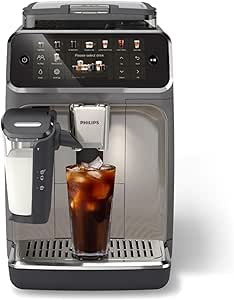
Philips 5500 Series Fully Automatic Espresso Machine with LatteGo Milk System
As an affiliate, we earn on qualifying purchases.
Almonds in Puglia and Sicily
The source associates latte di mandorla especially with Puglia and Sicily, areas where almonds also appear in pastries and other local foods. It does not assign the drink an exclusive origin or claim that every town or family prepares it in the same way.
Household choices account for much of the variation described. Some cooks use blanched almonds for a pale result; others use whole almonds. Some soak the almonds overnight, while others grind and blend them without that step. The source suggests asking how a café prepares its version rather than assuming that a menu listing guarantees a particular sweetness or texture.
““Traditional” describes a way of making the drink more than a single fixed formula.”
— Mad Tasting guide
Recipes and Storage Limits
The source does not identify a single origin, authoritative regional recipe or standard sweetness level for latte di mandorla. Its account supports an association with Puglia and Sicily, not an exclusive claim that the drink belongs only to those regions. It also does not provide named café examples or a survey of how recipes differ across particular towns.
Storage guidance in the guide is for a homemade batch: keep it at 40°F (4°C) or below and use it promptly, ideally within two to three days. The source does not give a tested shelf life for every recipe or preparation method. Discard the drink if its smell, taste or appearance changes. The drink contains tree nuts; people serving it should account for almond allergy and avoid cross-contact.
Making and Serving a Batch
The next step for home cooks is to try the basic method, chill the drink for at least two hours and taste a small glass before serving a pitcher. Sugar can be adjusted gradually so it does not obscure the almond flavor. A second batch with a strip of lemon zest can be compared with a plain one; the guide presents such additions as personal choices rather than requirements.
Use clean hands, equipment and straining cloth, and refrigerate the finished drink in a covered container. Serve it cold, and keep any remainder refrigerated within the stated time. Travellers ordering it at a café can ask how that establishment serves its version, since the sweetness and texture may vary.
Key Questions
What is latte di mandorla?
It is a sweet almond drink made by blending or steeping almonds with water, straining the mixture and serving the liquid cold. Its creamy feel comes from the almonds rather than dairy.
Is there one traditional recipe from Puglia or Sicily?
No single recipe is identified. The guide says household methods and choices vary, including whether cooks use blanched or whole almonds, how they soak or grind them, and how much sugar or flavoring they add.
How do you make a basic batch at home?
Soak one cup of blanched almonds in the refrigerator for eight to 12 hours, drain and blend with three cups of fresh water. Strain the mixture, sweeten with two to four tablespoons of sugar to taste, and chill.
How long can homemade latte di mandorla be kept?
Keep it covered in a refrigerator at 40°F (4°C) or below and use it promptly, ideally within two to three days. Discard it if its smell, taste or appearance changes.
Does latte di mandorla contain allergens?
Yes. The recipe contains almonds, a tree nut. Anyone serving it should check for allergies and prevent cross-contact with other foods and equipment.
Source: Mad Tasting