
TL;DR

Get coffee and tea gear delivered free with Prime
- Fast, free delivery on millions of items
- Prime Video, Amazon Music and more included
- Member-only deals all year
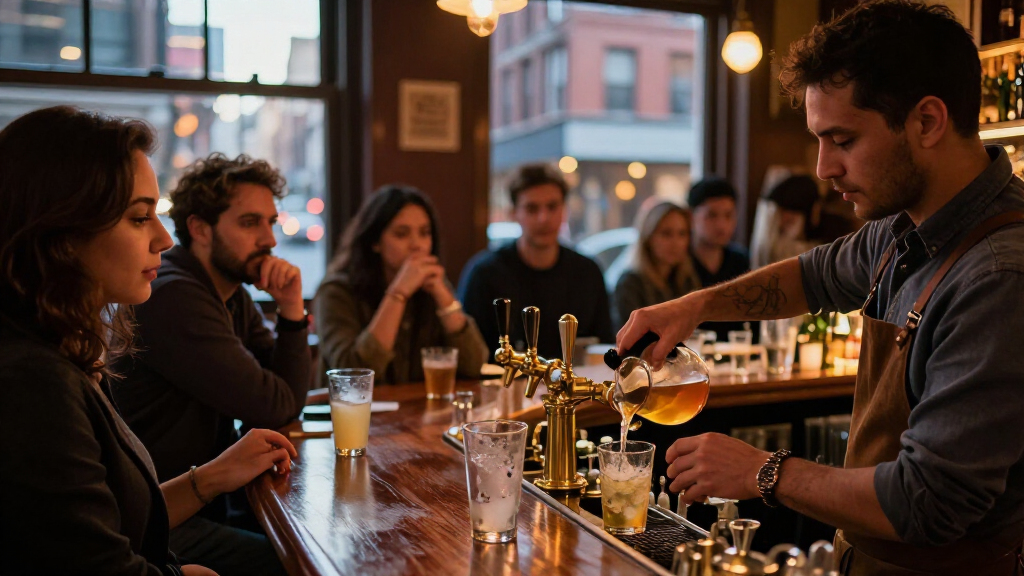
A VinePair report asked five New York City bar and restaurant operators what helps hospitality businesses succeed in the current market. Their answers emphasized welcoming spaces, distinct beverage programs, fair pricing and service, while the report describes rising costs and more cautious customer spending as pressures on operators.
Five New York City hospitality operators told VinePair that successful bars need more than strong drinks: they pointed to an inviting room, a clear point of view, attentive service and pricing that helps customers feel comfortable spending. Their accounts offer a snapshot of how operators are responding to intense competition, high operating costs and guests who are spending more cautiously.
The operators featured in the report run or partner in venues including Claud, Penny, Stars, Lei, King, Jupiter and Dean’s. Their comments do not establish a single formula for success, but show how individual businesses try to make a visit feel worth its price. Chase Sinzer, owner of Claud, Penny and Stars, described the work as a combination of the team, beverage selection and the room. At Stars, he said, the goal was to make a small space feel warm and welcoming.
Sinzer also pointed to affordability as part of the bar’s appeal. He said Stars offers 88 bottles priced under $88, a section he described as a calling card that gives guests choices across different price points. He said the wine list is actively developed rather than left unchanged, with staff expected to help both experienced wine drinkers and casual visitors find something they like.
Annie Shi, owner of Lei and a partner in King, Jupiter and Dean’s, argued that guests expect a complete experience when going out. She cited lighting, music and service alongside what is served. At Lei, she said, fair bottle pricing is part of an effort to make wine accessible and encourage guests who normally order by the glass to share a bottle. Shi also described the wine team’s regular tasting as a way to find producers and regions that may offer quality at more accessible prices.
How Bars Make a Visit Worth the Cost
The operators’ comments speak to a practical challenge for New York bars: customers weigh the whole outing, not just the drink. The report says going out has become expensive, while consumers are cutting back on alcohol spending at restaurants and bars. In that environment, operators described service, atmosphere and value as parts of the product, not add-ons.
Pricing decisions can shape who feels welcome and what customers order. Stars’ under-$88 bottle selection is one example of a venue communicating value directly. At Lei, Shi said the team aims to make sharing a bottle feel approachable. These are descriptions of the operators’ strategies, not independently measured evidence that any one approach produces financial success.
The report also highlights the tension between offering a distinctive experience and managing costs. A curated drinks list and carefully designed room take ongoing attention, while fair prices may limit how much a business can charge. The interviews show how operators frame those choices, but provide no sales, profit or customer-retention figures to compare results across the venues.
Products Worth Considering

Ninja HydraSense Intelligent Water Filtration System, WF1001WH1

KitchenAid Classic Series 4.5-Quart Tilt-Head Stand Mixer, Onyx Black

Ninja CREAMi 7-in-1 Ice Cream Maker, NC301
As an affiliate, we earn on qualifying purchases.
New York’s Cost and Competition Pressures
VinePair frames the interviews against a crowded hospitality market in which businesses compete for customers across the city’s five boroughs. It identifies small storefronts, high rents, labor and ingredient costs as obstacles for bars and restaurants. Operators also face customers who are more careful about discretionary spending, including money spent on alcohol while dining out.
Within that setting, Shi described wine costs as a challenge. She said the price of a bottle of great white Burgundy had tripled between 2016 and 2026. That is her comparison about a particular category, not a general measure of wine inflation; the report does not provide a price series or specify the bottles used for comparison. Her response, as she described it, is to taste broadly and seek out wines that offer value beyond famous regions and producers.
The story is based on operator perspectives rather than a survey of the city’s bars. It gives readers examples of how several businesses approach hospitality and pricing, but it does not rank the venues or define a standard for success.
““What brings people in is a combination of the team, the beverage curation, and the room.””
— Chase Sinzer, owner of Claud, Penny and Stars, as quoted by VinePair
What the Interviews Do Not Measure
The report presents operators’ views and examples, not audited business results. It does not provide revenue, margins, rent figures, customer counts or survival rates for the featured venues, so readers cannot determine which strategy has had the greatest financial effect. It also does not compare these operators with bars that have closed or with businesses using different approaches.
The source material does not state when the report was published. Shi’s Burgundy price comparison is attributed to her, but the report excerpt does not name the specific wine, retailer, market or data used. The broader degree of changes in customers’ alcohol spending and business costs is not quantified in the material provided.
How Operators Adapt Their Offers
The interviews do not announce a policy change, opening or upcoming business milestone. The operators describe ongoing work: Sinzer said Stars continues to refine its room and wine selection, while Shi said her team tastes wines to identify producers and regions that can meet its value goals. Those efforts suggest the venues will keep adjusting their hospitality and beverage programs, though the source does not set out a timetable or specific future changes.
For a fuller picture of whether these strategies are working across New York, readers would need follow-up reporting with operating figures and a wider range of businesses. The current report establishes what five operators say they prioritize; it does not confirm how those choices compare in financial performance.
Key Questions
What did the five operators say helps a New York City bar succeed?
In the interviews, operators highlighted a welcoming atmosphere, attentive service, a distinctive drinks program and pricing customers consider fair. Their answers reflect individual experience rather than a tested formula for every bar.
Which venues and operators are featured?
The report includes Chase Sinzer, owner of Claud, Penny and Stars, and Annie Shi, owner of Lei and a partner in King, Jupiter and Dean’s.
How is Stars presenting value to wine customers?
Sinzer said Stars has a list section with 88 bottles under $88. He described it as one way to offer a range of prices and help guests feel comfortable choosing a bottle.
What did Annie Shi say about rising wine costs?
Shi told VinePair that the price of a bottle of great white Burgundy had tripled between 2016 and 2026. The report excerpt does not identify the specific bottle or provide independent pricing data, so the comparison should be understood as her account.
Does the report prove which strategy makes bars profitable?
No. It records five operators’ perspectives but does not include financial results or comparative data showing that a particular approach leads to higher profits or longer-term survival.
Source: vinepair.com