
TL;DR

Get coffee and tea gear delivered free with Prime
- Fast, free delivery on millions of items
- Prime Video, Amazon Music and more included
- Member-only deals all year
Food Safety News’ Nov. 1 Sunday Edition focused on hunting season, describing its changing demographics, economic reach and distinct food-safety challenges. The report says hunters and anglers manage their own food safety, but it provides no new data on participation trends or specific hunting-related illnesses.
Food Safety News published a Sunday Edition report on Nov. 1 examining hunting season, including its changing participation, economic footprint and food-safety demands. The report describes hunters and anglers as responsible for managing their own food safety, a task it calls complicated, but it does not identify a specific hunting-related outbreak or announce a new rule.
The edition frames hunting season as more than a seasonal outdoor activity, pointing to demographic change, economic effects, food-safety practices and politics. It says women are contributing to renewed interest in hunting and fishing, while cautioning that participation may not return to levels seen 50 years ago. The report offers no underlying survey or year-by-year figures for that trend.
It cites about 15.2 million state-licensed hunters in the United States and says the number of people licensed to fish is roughly twice as large. Those figures are presented as national estimates; the edition does not give a data year, methodology or comparison with previous seasons. It also points to major outdoor retailers, including Scheels and Bass Pro Shops, as evidence of the sector’s commercial reach. Bass Pro Shops acquired Cabela’s in 2016 for $4.5 billion.
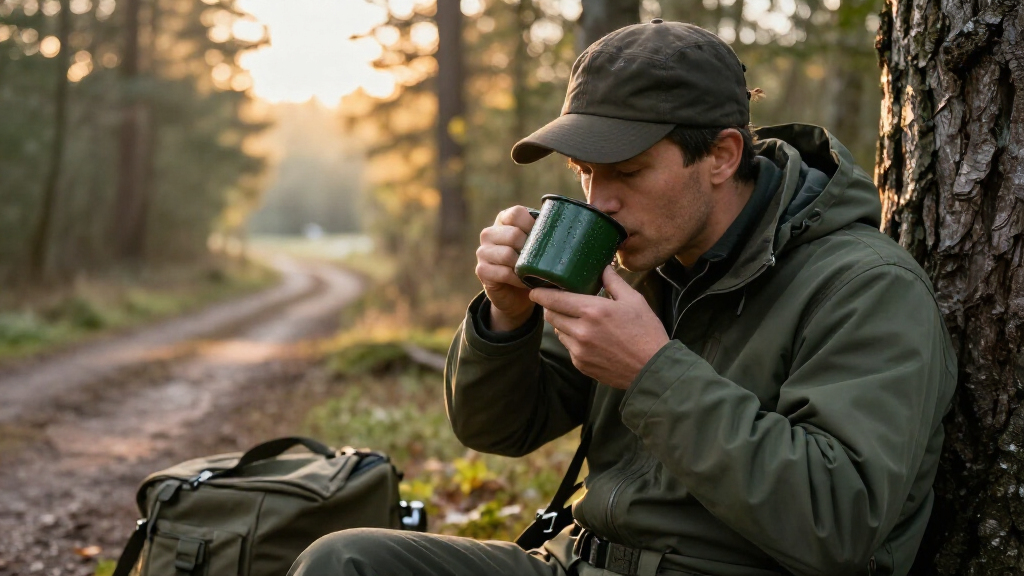
The report’s food-safety focus is that hunters and anglers must handle their own food, making safe practices part of the activity rather than something managed entirely by a restaurant or commercial processor. The edition does not provide detailed instructions for field dressing, cooling, storage or cooking game and fish. Its other food-safety items cover separate developments, including E. coli investigations and a Salmonella response in Italy; those are not identified as linked to hunting season.
Food Safety Starts in the Field
For people who bring home wild game or fish, food-safety decisions can begin soon after a catch or harvest. The edition’s central point is that hunters and anglers carry responsibility for handling their food. Poor handling can create risks, but the report does not specify incidents, pathogens or rates of illness associated with hunting in this season.
The topic also matters beyond individual households. The report describes a large licensed community and highlights the role of outdoor retailers, suggesting that hunting and fishing are connected to a substantial consumer market. Its comments about women’s participation indicate a change in who is taking part, though the source does not quantify that shift. Together, these points make the season relevant to public health, businesses and communities—not only to people who hunt.
Products Worth Considering

Ninja CREAMi Scoop & Swirl 13-in-1 Ice Cream and Soft Serve Maker (NC701)

Cuisinart TOA-70NAS Air Fryer Toaster Oven with Grill

Vitamix Propel Series 750 Professional-Grade Blender, 4 Programs, Black
As an affiliate, we earn on qualifying purchases.
A Season With Several Stories
The Nov. 1 edition places hunting season alongside several unrelated food-safety developments in its roundup. These include an E. coli investigation involving a pumpkin patch in California’s San Luis Obispo County, the closure of a petting zoo in Homer Glen, Illinois, after five children developed E. coli infections, and an FDA declaration that an outbreak associated with chicken wraps had ended. The report says the wrap investigation was continuing, and attributes the connection to Trader Joe’s to a USDA Food Safety and Inspection Service confirmation reported by USA Today—not to the FDA.
Those items provide the edition’s broader public-health setting, but the source does not connect any of them to hunters, anglers or wild game. Separately, the report notes that Italy’s Emilia-Romagna region restricted uncooked cherry tomatoes in certain institutions amid Salmonella investigations, and that a Cornell researcher is developing a quantitative microbial risk assessment tool for supply-chain risks. These are distinct stories, not developments caused by hunting season.
On the commercial side, the report names Scheels and Bass Pro Shops and notes Bass Pro Shops’ 2016 purchase of Cabela’s. Its description of couples buying firearms is anecdotal, rather than a measured indicator of sales or participation. The source’s broader season overview does not provide market totals or a detailed political development.
“Hunters and anglers manage their own food safety, and it’s complicated.”
— Food Safety News, describing the season’s food-handling demands
Participation and Risks Not Quantified
The report does not identify the source or collection year for its estimate of 15.2 million licensed hunters, or explain the basis for saying fishing licenses number about twice as many. It also offers no numeric evidence for the reported increase in women’s participation, no sales figures for outdoor retailers, and no season-specific figures on foodborne illness linked to wild game or fish.
It is not clear from the source which hunting-season food-safety practices are most likely to fail, or whether any new guidance is planned. The other outbreaks and regulatory developments listed in the edition are separate matters; the source does not establish a connection between them and hunting. The article is an overview, not a formal public-health advisory or a report of a newly identified hunting-related hazard.
Seasonal Handling Remains Key
The edition does not announce a next policy milestone or a new investigation specifically tied to hunting season. Hunters and anglers will continue to make food-handling decisions as the season proceeds, while the report’s roundup notes that several separate food-safety investigations remain active. Readers seeking practical advice should consult current guidance from relevant public-health and wildlife agencies, as the source itself does not set out handling temperatures or storage instructions.
Further information about participation trends, the data behind the license estimates and any foodborne illnesses linked to wild game would be needed to measure the season’s public-health impact. Until such details are provided, the confirmed development is the publication of a seasonal report highlighting food safety as one of several issues—not evidence of a new outbreak or a change in hunting regulations.
Key Questions
What did Food Safety News report about hunting season?
Its Nov. 1 Sunday Edition discussed changing participation, economic effects, food-safety responsibilities and politics. It did not announce a new hunting-related outbreak or rule.
How many licensed hunters does the report cite?
The edition cites about 15.2 million state-licensed hunters in the United States and says roughly twice as many people are licensed to fish. It does not give a data year or methodology.
Does the report link the listed E. coli or Salmonella investigations to hunting?
No. The roundup lists those developments separately and does not connect them to hunting or wild game.
Does the edition give food-handling instructions for game or fish?
No. It identifies food safety as a responsibility for hunters and anglers but does not provide specific cooling, storage or cooking guidance.
Source: foodsafetynews.com